Outdoor Solid Wood Furniture: Price Dynamics in Singapore
Solid wood furniture is often described as an investment, but its price is not determined by one material or one famous name. The final figure comes from timber species, board dimensions, joinery, hardware, finishing, dimensions, production controls, delivery, and warranty. Even two dining tables with similar silhouettes can differ by SGD 1,000 or more because one uses 25 mm solid oak boards while the other uses thinner components, veneer panels, and a lower-cost finish.
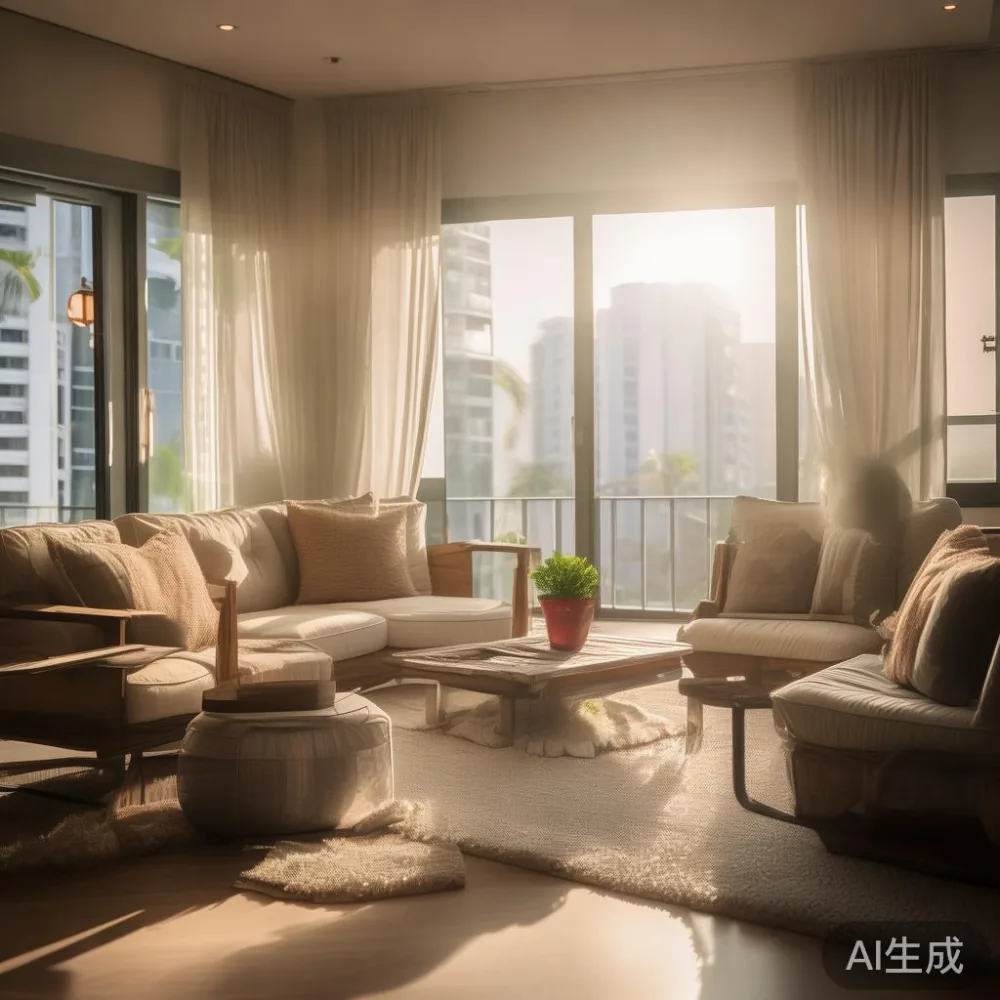
For Singapore buyers, the comparison becomes more practical in HDB flats and condos across Tampines, Bedok, and Punggol. A 220 cm dining table may suit a 260 cm dining zone, yet delivery depends on the lift, turning radius, and corridor outside the unit. GST is also relevant: goods costing more than SGD 400 sent overseas to Singapore can attract 9% GST under Overseas Vendor Registration rules, with the applicable treatment depending on the seller and transaction.
This guide explains what actually drives the price of solid wood furniture, including solid wood sofas, bed frames, dining tables, wardrobes, nightstands, and marble tables. It also considers outdoor furniture, where moisture resistance, coatings, and hardware materially affect both purchase and ownership costs. MIDHILL has manufactured solid wood furniture since 2008 and exports to more than 15 countries, so its perspective is grounded in production decisions rather than showroom aesthetics alone.
Is the wood species the biggest reason two solid wood furniture pieces cost differently?
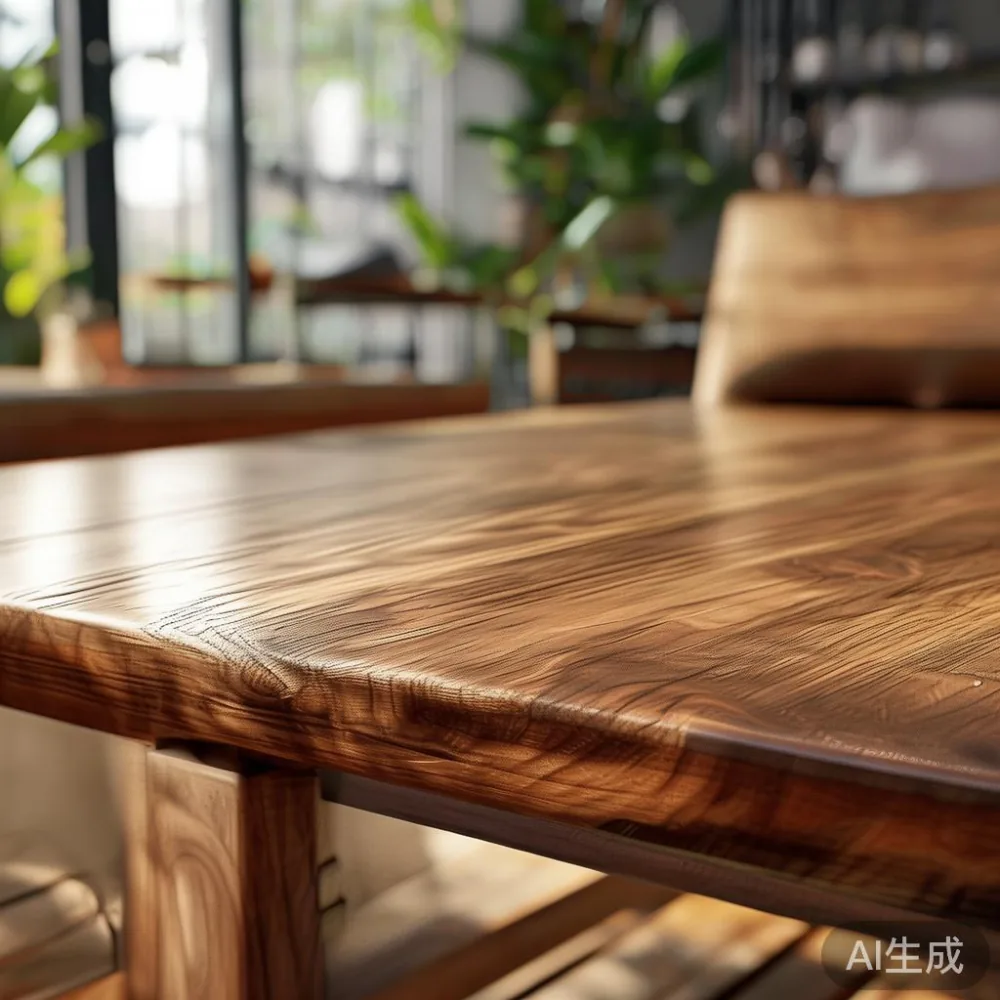
Wood species is one of the clearest price drivers, but it is not a universal price scale. Factors such as availability, grade, drying, machining, yield, and market demand can matter as much as the name on the sample board. An oak dining table may cost more than a comparable table in rubberwood, even if both are labelled solid wood, because oak has different working properties, board conversion rates, and finishing requirements.
Hardwood is commonly chosen for wear and appearance, but the consumer should ask whether every visible surface is solid timber or whether structural parts are hidden in engineered board. A solid wood sofa may use solid timber in the frame and selected external parts while combining responsibly engineered panels where stiffness permits. The question is not simply “Is it solid wood?” It is: which components are solid timber, how thick are they, and where are the load paths?
Thickness changes material use directly. Raising a table apron from 20 mm to 30 mm increases timber volume, machining time, and weight. A 200 cm dining table weighing 68 kg requires more careful handling than a 45 kg version, regardless of whether the buyer carries it upstairs or the seller includes delivery.
Grade is another variable. Boards selected for a dining table top must accommodate knots, sapwood, grain continuity, and movement. A broad top made from many shorter boards can be visually lively but require more selection and joining. Long boards can look calmer, but they command more when suitable lengths are scarce. The lower price of a piece does not automatically indicate waste; a well-converted design can be both attractive and more economical.
Buyers comparing products should request the exact timber name, component thickness, moisture target, and finish type. They should also confirm whether the price includes GST and delivery. Vague phrases such as “natural wood” or “premium timber” do not provide enough detail for a fair comparison.
What do people pay for a solid wood dining table in Singapore?
Typical MIDHILL solid wood dining table prices begin around SGD 899 for some compact models, while many 160–200 cm oak or ash tables sit between SGD 1,299 and SGD 2,499. Larger 220–260 cm tables, detailed joinery, premium timber, and a harder-wearing finish may reach SGD 3,200 or higher. Marble tables occupy a separate material category: a compact marble dining table may begin around SGD 1,699, while a substantial 200 cm design can exceed SGD 4,000 because slab selection, stone thickness, and weight add cost.
For an HDB dining zone, sizing matters more than an arbitrary “small flat” rule. Allow at least 90 cm of clear width behind each occupied chair. A 180 cm table needs roughly 270 cm of total depth when those chair-clearance zones are counted, and perhaps 300 cm in a frequently used HDB dining space. In a condo dining room with a 240 cm wall, a 160 cm table may be more practical than a 220 cm model even if the larger table appears better in a showroom.
Lift and corridor dimensions should be checked before ordering. A 180 cm table top may enter a lift diagonally, but the packaged diagonal, protective corners, and lift-door dimensions matter. A 220 cm top may have to be separated into two sections, while a one-piece design requires a wide corridor and careful turning at the stairwell. In many Singapore homes, a lift door of 90 cm and a lift car of 110 cm by 140 cm are enough for selected tables, but narrow corridor turns can still prevent a one-piece top from reaching the unit.
Price comparisons should also include access. One model may be SGD 200 cheaper but carry a SGD 180 in-home delivery charge; another may include placement and assembly. Overseas purchases should allow for freight, insurance, customs handling, GST where applicable, and local delivery. A lower item price can therefore become a more expensive installed purchase.
How much should a solid wood bed frame, sofa, and nightstand cost?
A well-made solid wood bed frame generally starts around SGD 699 and commonly falls between SGD 999 and SGD 2,299. Queen and king sizes cost more because they use more timber and longer boards. Slatted bases, shaped headboards, thicker rails, and adjustable hardware raise the figure. Bunk beds and beds with integrated storage add another layer of engineering.
Matching a room can narrow the options. Searching for the best Minimalist sofa for 2026 is useful as a starting point, but the comparison should include seat density, frame construction, suspension, cushion filling, fabric grade, and warranty. A solid wood sofa at SGD 1,599 may have a kiln-dried hardwood frame, webbing, and high-resilience foam, while a version at SGD 2,699 may use more visible solid timber, upgraded suspension, and a higher-grade textile. Neither should be judged by frame label alone.
For a Singapore bedroom, the best Minimalist bed for 2026 may be a 120 cm solid wood model priced from roughly SGD 899, with a queen version around SGD 1,099 to SGD 1,499. Mattress clearance is important: buyers should measure the finished floor-to-rail height and leave approximately 25–30 cm for a 25–30 cm mattress. This prevents the bed from feeling lower than expected and helps older adults sit down more comfortably.
Nightstands are often treated as an afterthought, although they affect the room budget. A simple 45 cm solid wood nightstand may cost SGD 249–449. Drawer slides, dovetail or mortise-and-tenon details, and a more decorative profile can bring it to SGD 499–699. Wall-mounted options can cost similar amounts but save floor space and make cable routing easier.
The American bed vs Italian light luxury bed comparison illustrates why design labels cannot set a reliable price. An American-style bed may use substantial rails and straightforward joinery, while an Italian light luxury bed may spend more on curved details, refined proportions, textile finishing, and branded presentation. A French light luxury direction can also command more through sculpted edges and delicate profiles. Those are legitimate design choices, but their cost lies in labour, detail, and material execution—not in the national label itself.
MIDHILL offers a 10-year structural warranty on eligible solid wood furniture. That assurance has measurable value because it reduces the risk of paying for premature frame failure or replacement. It should be compared with the actual warranty terms, exclusions, and proof-of-purchase requirements rather than treated as a marketing line.
Why do wardrobes vary by thousands of dollars?
Wardrobes combine casework, moving parts, internal fittings, and installation. A basic free-standing wardrobe may begin around SGD 899, while fitted or sliding wardrobes commonly range from SGD 1,599 to SGD 5,000 or more. Height, width, depth, door system, drawer count, hanging space, and finishing all influence the price.
The question “is Japanese wardrobe worth it” can be misleading if “Japanese” refers only to an aesthetic. The useful questions are whether the hardware is rated for repeated use, the rails are damp-resistant, the back panels are stable, and the drawers are aligned under load. Sliding doors save approximately 30–50 cm of operating clearance compared with hinged doors, which is significant in a narrow bedroom corridor. They also need careful track installation and cannot open into the room.
Hinged wardrobes suit a room with more clear space and provide better access to hanging sections. Drawer towers increase convenience but consume internal volume. A wardrobe delivered flat-packed can be less expensive to ship, yet assembly may take 3–6 hours and cost SGD 80–250. A fully assembled unit may cost more at purchase but can be simpler if the lift and corridor can accommodate its dimensions.
Internal organisation should be specified before production. A 180 cm wardrobe with one hanging bay and shelves is not equivalent to a 180 cm unit with a 60 cm drawer tower, double rails, LED fittings, and adjustable shelving. Door finishes also change cost: painted surfaces may require more preparation, while veneer matching on large doors can be detailed work. A framed glass door may use tempered glass, but the frame, hardware, and safety requirements must be included in the comparison.
What makes outdoor furniture cost more than matching indoor furniture?
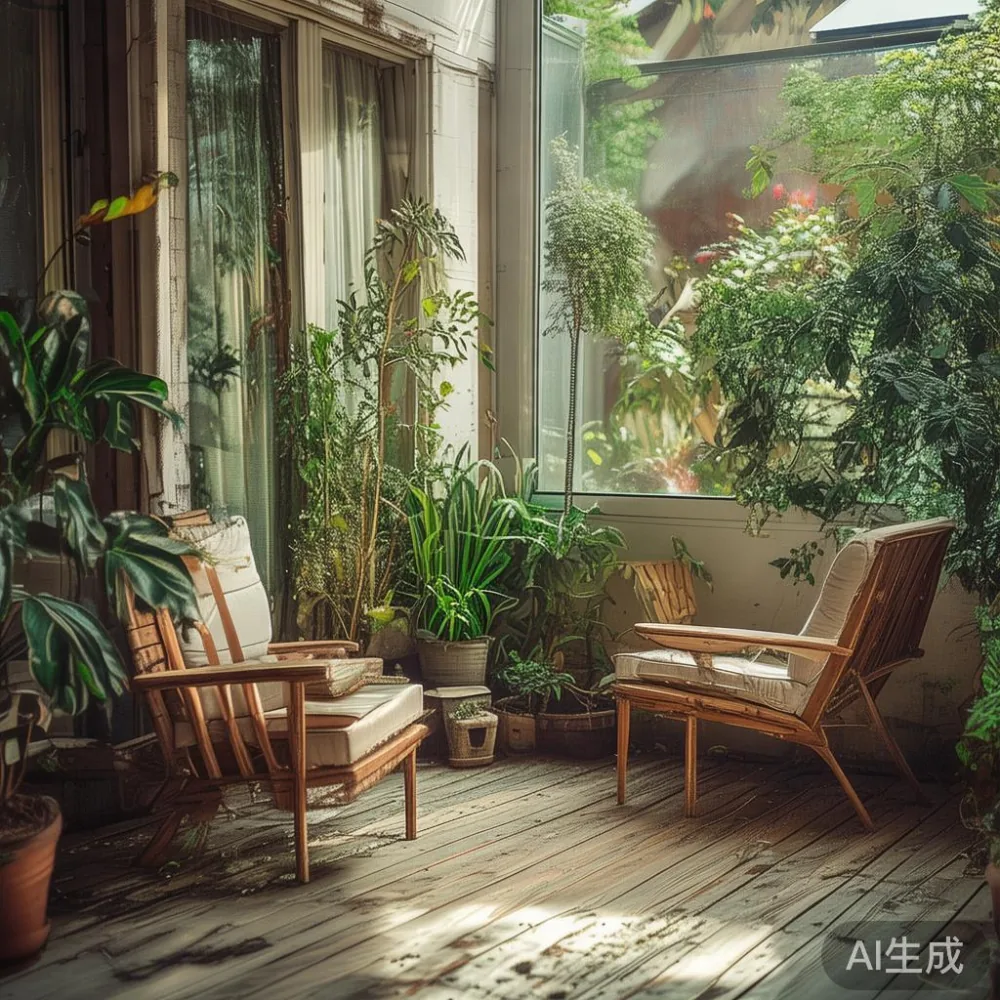
Outdoor furniture must withstand sun, rain, humidity, salt exposure, and temperature change. That resilience is a central reason outdoor furniture costs more than visually similar indoor pieces. The timber, finish, fasteners, and surface treatment must work as a system; a premium board with an unsuitable coating can still deteriorate quickly.
Teak is often selected for outdoor use because of its natural resistance to moisture and insects. Marine-grade aluminium and powder-coated steel add further material value. A 180 cm teak dining table may cost around SGD 1,899–3,299, while a 7-piece outdoor dining set may range from roughly SGD 2,499 to SGD 5,500. Adjustable recliners, rotating mechanisms, cushions, and wider armrests can move a complete set beyond SGD 6,000.
For HDB balconies in Tampines and Punggol, outdoor furniture should be sized around the balcony rather than the advertising image. A 120 cm table with 4 chairs may need about 180 × 120 cm of clear floor area, leaving less than 30 cm on a compact balcony. Foldable dining furniture can cost around SGD 699–1,499 per set and allow more than 40% space recovery when folded. The folded dimensions should still be measured against a 90 cm balcony door and the route from the lift.
Outdoor dining sets in condominium pools may require approval before delivery, especially if they are moved from the unit to a common area. The building management rules should be checked, and the route measured for stairs, gates, and turns. Furniture should not be placed where it obstructs a fire passage. Those practical constraints can cost more than the product itself if a crane or specialist move is needed.
Finish is not a minor specification. A penetrating oil may need reapplication every 6–12 months depending on exposure. A harder film finish may last longer but can show scratches differently. Stainless or coated hardware should be chosen for coastal exposure, and movable parts should be serviceable. MIDHILL’s lifetime refinishing policy has particular relevance here, although the terms should be confirmed for the exact product and whether outdoor refinishing is included.
How do finish, hardware, joinery, and packaging affect the price?
Finish is often the largest hidden variable after timber. Water-based matte coatings, oil-wax treatments, stain systems, and multi-layer lacquers have different labour, chemical, and quality-control costs. A table that arrives in a pale natural finish may have required more sanding and preparation than one delivered in a darker tone. Gloss surfaces can expose waves and unevenness that a soft matte finish disguises.
Hardware should be compared by function and cycle rating, not only appearance. Drawer slides used daily may be rated for 30,000–50,000 cycles; heavier soft-close slides may be rated for 60,000–80,000 cycles. Hinges, connecting bolts, bed brackets, and outdoor swivel mechanisms should have appropriate load ratings. A solid wood dining table may support 150 kg evenly distributed, but its extendable mechanism or base plate requires its own engineering.
Joinery reveals where price and durability meet. Mortise-and-tenon frames and dovetail drawer corners require more shaping and setup than simple dowel or screw connections, but they can improve alignment and serviceability. Some modern pieces combine traditional joints with concealed metal connectors to increase repeatability in production. Neither method is automatically superior: the joint should suit the load, timber movement, and intended service life.
Packaging affects both product and delivery cost. Foam, moulded fibre, corner protection, and a fitted carton may add SGD 20–90 per item but reduce transit damage. For Singapore delivery, a sofa may weigh 85–120 kg and need 2–4 movers, while a dining table may weigh 45–85 kg and need a 2-person team. Typical delivery takes 5–10 working days after dispatch for local stock and approximately 10–21 days for production or international routes. Lift or access surcharges can add SGD 50–200.
MIDHILL provides free shipping for orders over US$350, although the exchange rate, destination, and delivery terms should be confirmed. The company has exported to more than 15 countries, and its 14-day return policy gives buyers time to assess colour, fit, and condition. These services do not make every item cheaper, but they improve the total value of the purchase.
What should a Singapore buyer compare before paying more?
A sound price comparison starts with a complete specification, not a catalogue page. Record the timber species, dimensions, component thicknesses, finish, hardware, load rating, warranty, delivery charge, and return terms. Then compare the total installed cost. A SGD 1,399 dining table plus SGD 180 delivery and SGD 50 lift access is more expensive than a SGD 1,499 table with delivery included.
Measure the room before the product. A queen bed needs approximately 160 × 200 cm for the frame alone, while a 180 cm wardrobe can require 190–200 cm of wall space for hinged doors. For an HDB living room, searches for Scandinavian for small living room can inspire lighter colours and slimmer profiles, but circulation still needs about 75–90 cm beside a sofa. A wide 230 cm sofa may look refined in a condo showroom yet compress a narrow HDB living room.
For dining rooms, Post-modern for dining room searches often point to clean geometry, mixed materials, and restrained ornament. A solid wood dining table with a marble or stone element may cost more than an all-wood table because two materials require separate templates, finishing schedules, and packaging. A marble table also needs level support and careful handling because stone is rigid and less forgiving of movement.
Ask how the manufacturer handles moisture, movement, and defects. Solid wood expands and contracts across its grain, so seasonal movement is normal. Quality control should include moisture measurement, surface inspection, joint alignment, drawer operation, and hardware testing. MIDHILL’s 10-year structural warranty and lifetime refinishing policy provide a more concrete basis for ownership value than vague claims of prestige.
Last, compare service over time. A slightly lower price may be reasonable if the finish is easy to renew, hardware is replaceable, spare parts are available, and the supplier offers clear aftersales support. A higher price is harder to justify if specifications are vague, replacement parts are unavailable, or delivery is limited to kerbside. The most expensive-looking furniture is not necessarily the best-valued solid wood furniture; the strongest value comes from sound materials, accurate pricing, durable construction, and service that continues after delivery.