How to Match Solid Wood Furniture to a Warm Minimal Singapore Home (Without Losing the Cosy Bit)
Last month I visited a four-room HDB flat in Tampines North with my colleague, a homeowner who had just ripped out eight years of glossy white laminates and replaced them with a single solid wood dining table, a bed frame in white oak, and a slim marble side table near the sofa. The room was empty of decor — no vases, no throws, no wall art — and it worked. That visit is the reason for this guide: warm minimalism in a Singapore context is not about owning less, it is about letting one or two heavy pieces in real timber carry the whole room, while outdoor-style natural textures (rattan, cane, linen) do the soft work. Below is a room-by-room method, written for HDB and condo buyers in Tampines, Bedok, and Punggol, with corridor-width realities and lift-door checks included.
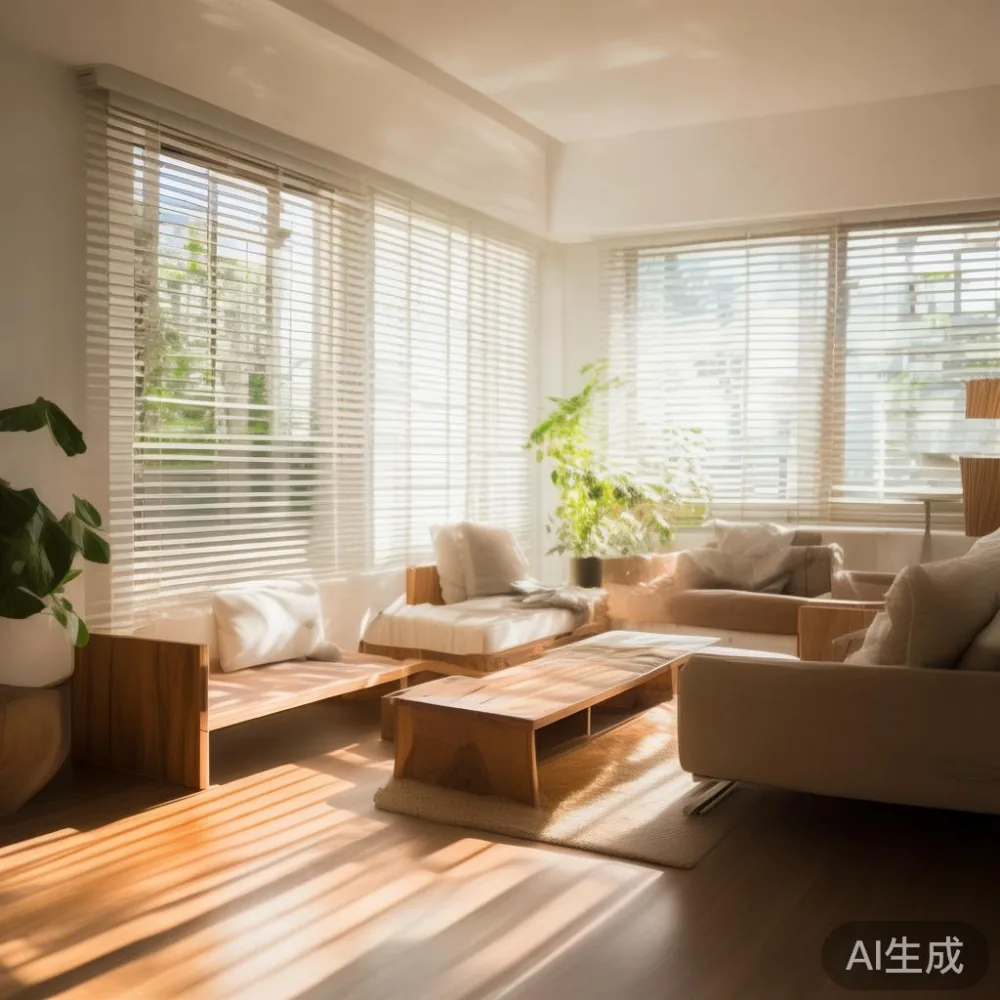
Why "warm minimal" is the right default for a Singapore HDB or condo
Minimalism on its own tends to read cold under our 28-32°C afternoons and our relentless fluorescent corridor lighting. Warm minimal solves this by keeping the floor plan, sightlines, and palette disciplined, but pulling warmth from one of three places: a piece of solid wood furniture, a textile, or a single accent of natural stone. A 120cm oak dining table, for example, has roughly the same visual weight as a full wall of built-in cabinetry, so the room reads uncluttered but not clinical.
I keep coming back to the Tampines flat because it proves a point: a 90 sqm HDB can support a king-size solid wood bed frame, a six-seater dining table, and a three-seat solid wood sofa, and still feel open, as long as everything else is quiet. The trick is not buying more wood — it is buying fewer pieces, in heavier material.
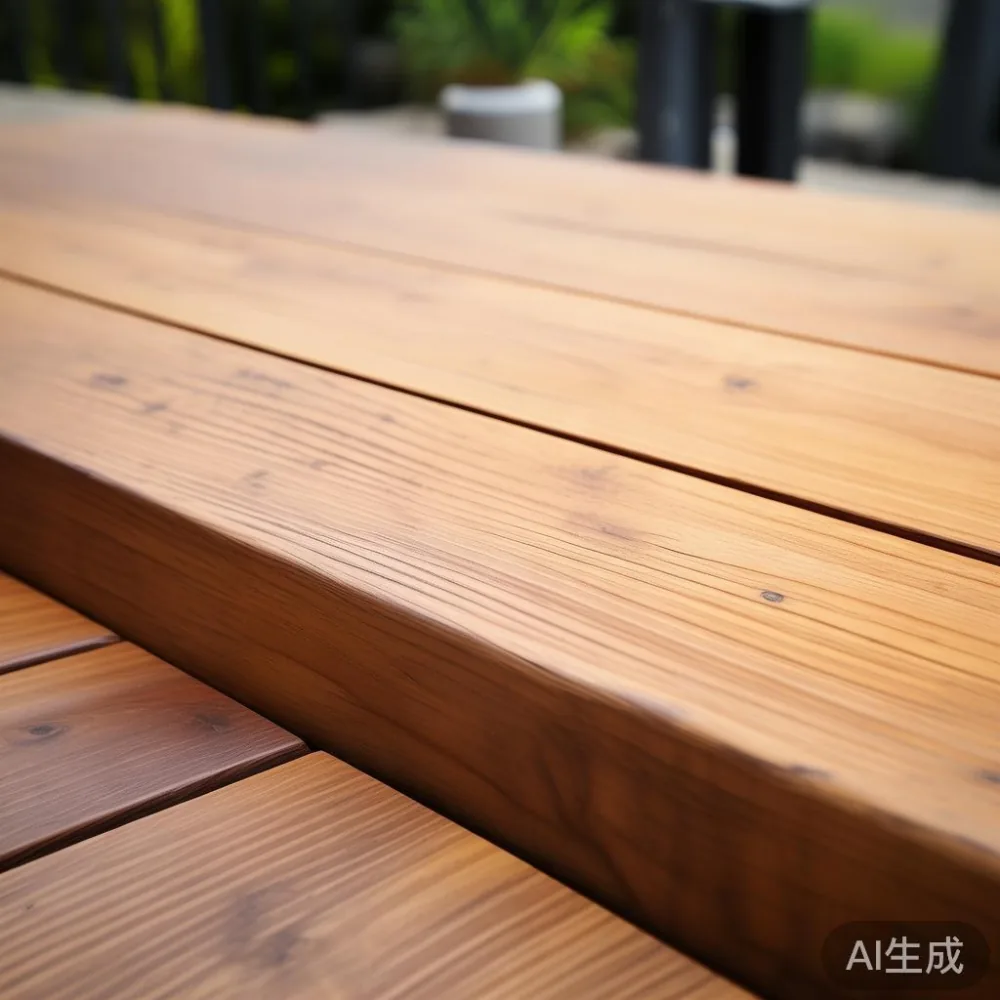
Light luxury in its post-modern form, by the way, is exactly this: one statement piece, no logos, no gold trim, just honest material. You see it in the way a French light-luxury apartment in the 6th arrondissement pairs a single Hermès-leather chair with bare plaster walls. The Singapore HDB version is a 200cm x 90cm white oak table under a 4000K ceiling lamp. Same principle, smaller door.
What is the difference between French dressing table and modern furniture?
A French dressing table is a low, often oval or kidney-shaped vanity with cabriole or tapered legs, built for a boudoir, while modern furniture refers to a 20th-century onward design language that prizes straight edges, exposed joinery, and functional silhouettes — a French dressing table is a historical style, modern furniture is a broad category spanning mid-century, Scandinavian, and contemporary work. In a warm-minimal Singapore home, the two ideas can actually coexist if you treat the French piece as a single accent (a dressing table in the master bedroom, for instance) and let every other piece — bed frame, wardrobe, nightstand, dining table — sit firmly in the modern camp.
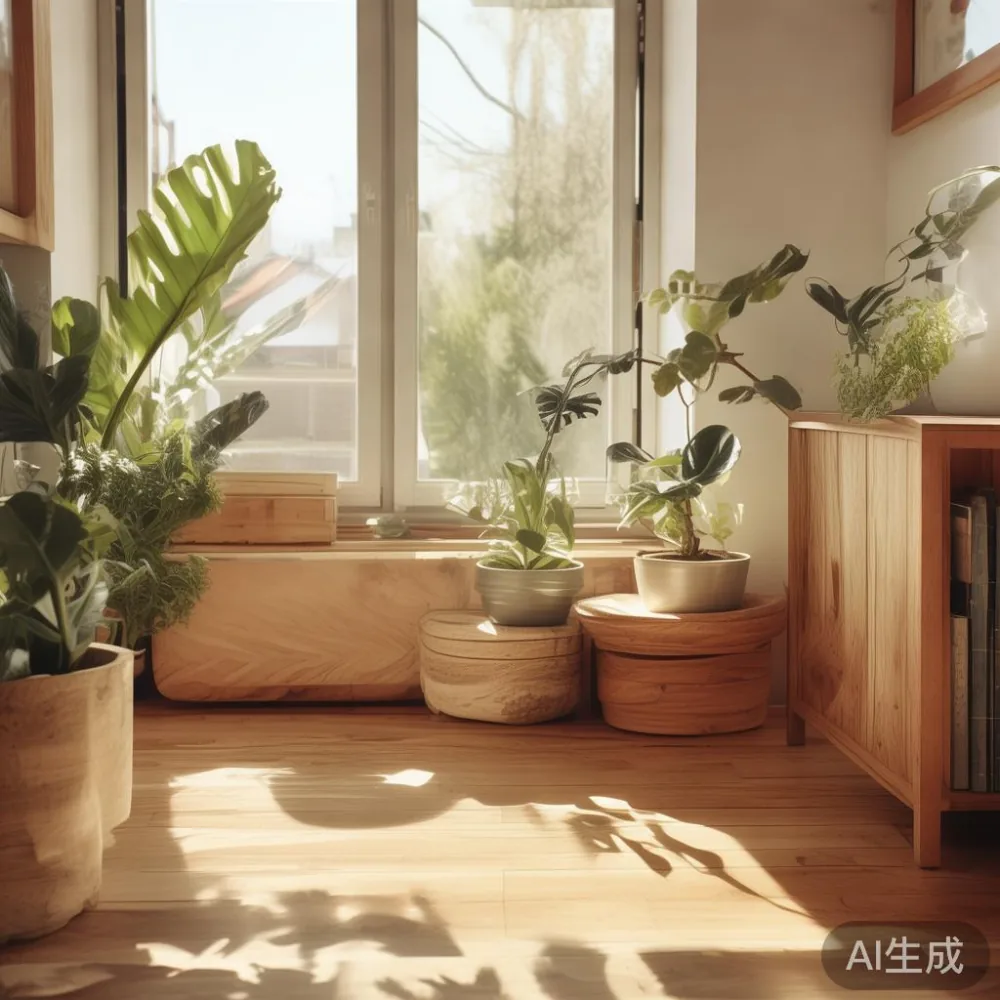
Here is the practical test I use on site visits: if the piece has carved aprons, gilt detail, or curved cabriole legs, it is doing the talking and I will not add another carved piece within 2m of it. If the piece is straight-edged with a 2mm reveal along the drawer front, it can be grouped. This is why a French dressing table works next to a plain white-oak wardrobe but feels awkward next to a carved rosewood sideboard.
For Singapore buyers specifically, watch out for one detail: many imported "French style" dressing tables are built in MDF with a 0.6mm veneer, weigh under 18kg, and arrive in flat-pack. A genuine solid-wood version (oak, ash, or walnut) will weigh 32-45kg, arrive pre-assembled, and need two people to move it through a standard 90cm HDB corridor. That 14-27kg gap is the real difference between the two categories, and it shows up the moment you try to fit it into a lift with a 900mm door and a 1.1m internal cabin.
Room-by-room matching: living, dining, bedroom, balcony
Living room. Anchor with one heavy piece: a three-seat solid wood sofa in white oak or ash, 200-220cm wide, on a 240 x 300cm rug. Add a marble table — a 110cm round Carrara marble coffee table, or a 120 x 60cm rectangular one — and one accent chair in linen. Total spend in this zone, with an MIDHILL-grade solid wood frame and a 12mm marble top, typically lands around SGD 3,800-5,200 for the sofa and SGD 1,400-2,200 for the marble table. Keep walls at 70% empty.
Dining room. In a 90 sqm HDB, a 140-160cm rectangular dining table seats four to six without choking a 2.8m wall. For Punggol families hosting more often, a 180cm extendable table (extends to 220cm) seats eight. Seat height should sit at 45cm, table at 75cm — these are non-negotiable if you want comfortable elbows. Budget SGD 2,200-3,400 for solid white oak, SGD 1,600-2,400 for solid ash.
Bedroom. A king-size solid wood bed frame at 180 x 200 cm needs a minimum 320 x 360 cm floor zone, which a 4-room HDB master bedroom (usually 3.6 x 3.8m) handles with 40cm of clearance on three sides. Pair with two matching nightstands (50 x 40 x 55cm is the classic proportion), a 180cm six-door wardrobe in the same timber, and one upholstered bench at the foot of the bed. Keep bedding in two tones: oatmeal and stone.
Balcony and outdoor edges. This is where outdoor furniture earns its name — a small HDB balcony (1.2 x 4m) or a condo balcony (1.8 x 5m) can take a 110cm bistro set in teak or a single outdoor chair and a planter box. Outdoor furniture in this context means pieces rated for UV, salt air, and our 80-95% humidity, so specify FSC-certified teak, aluminium with powder coat, or PE wicker over powder-coated aluminium frames. Cushions should be in solution-dyed acrylic (Sunbrella-grade), not cotton, which mildews within six months here.
Note: outdoor furniture on a balcony is still part of the warm-minimal scheme, not a separate zone. Match the timber tone of the balcony teak to the indoor oak (both are warm honey-brown), and the eye reads one continuous home.
Concrete numbers: sizes, will, and lift logistics
Singapore move-in is governed by three measurements you cannot negotiate: the corridor width (HDB common corridors run 1.2-1.5m, but doorways into units are 0.9m), the lift door (HDB passenger lifts from 80cm to 90cm wide, condo lifts often 1.0-1.1m), and the lift internal depth (1.5-2.0m). A king-size solid wood bed frame at 180 x 200 cm will not fit through a 90cm door on its side; you must tilt it and stand it on the short edge, which means the headboard height cannot exceed 110cm or it will not clear the lift ceiling at 2.2-2.4m.
Weight matters too. A six-door wardrobe in solid white oak typically weighs 180-220kg fully assembled, and even flat-packed the heaviest panel is 38-44kg. Two movers plus a furniture trolley are not optional, they are baseline, and most Singapore movers charge SGD 120-180 per trip within a single estate, plus a SGD 40-60 lift-booking fee for after-hours moves in condos with security restrictions.
For a typical 4-room HDB warm-minimal furnishing list — three-seat solid wood sofa, 160cm dining table with six chairs, king bed frame with two nightstands, 180cm six-door wardrobe, one marble side table, one outdoor bistro set — total delivered weight runs 480-620kg and requires two delivery windows. Budget SGD 280-420 for white-glove delivery, and check whether the retailer uses a third-party fleet or its own (the latter usually protects finish better, since the crew knows the product).
Finally, GST: all prices quoted in this guide include 9% GST as of 2024. Any quote under SGD 100 below the published price is usually a GST-included discount, anything larger means the seller has actually cut margin, which is the moment to ask why.
Will a solid wood wardrobe feel too heavy in a small HDB?
Only if you buy the wrong grain. In a 3.2 x 3.6m HDB bedroom, a 180cm six-door wardrobe in solid white oak (open grain, warm undertone) reads as one calm wall; the same wardrobe in solid rosewood (red undertone, busy grain) reads as a heavy box. The lighter the timber, the more it disappears into a warm-minimal scheme. For 3-room HDB master bedrooms (around 2.8 x 3.2m), drop to a 150cm four-door wardrobe at 60-65cm depth instead of 70cm, and you gain 5cm of walking clearance on the side, which is the difference between a usable dressing zone and a pinch point.
Material choice: white oak, ash, and walnut are the three I see working in Tampines and Punggol HDBs in 2024. Teak is beautiful but visually heavy and reads more Bali than minimal. Pine is too soft for a wardrobe that opens 8-12 times a day. If budget is tight, ash is roughly 18-22% cheaper than white oak per cubic foot and finishes almost identically.
One more point on the wardrobe: the back panel. A solid 18mm back is heavier and more humid-stable than a 9mm plywood back. In Singapore humidity, a 9mm back can bow 4-6mm over 18 months. Solid 18mm costs SGD 220-380 more per wardrobe but lasts 15-20 years without complaint. That is the kind of detail a Foshan direct workshop like MIDHILL gets right because they control the joinery, not just the finish.
How do I keep outdoor furniture from killing my warm-minimal vibe?
Match the timber tone, not the style. Indoor warm-minimal Singapore homes run on warm honey-brown oaks and ash. Outdoor furniture in the same warm honey-brown (teak or eucalyptus with a clear oil finish) reads as a continuation, not a separate room. If you bring in a black steel outdoor chair, it fights the oak. Match your outdoor chair or planter to the indoor timber by tone (warm) and value (medium, not too dark, not too pale), and the eye reads continuity.
Limit the balcony to three outdoor pieces maximum: one outdoor chair (or a two-seater bench), one planter, and one side table. A 1.2 x 4m HDB balcony can hold a 110cm bistro set, nothing else. A 1.8 x 5m condo balcony can hold a 130cm two-seater outdoor bench and a 60cm planter. Stop there. Three pieces is the ceiling before it stops looking minimal and starts looking cluttered.
Care: outdoor furniture here needs a fresh coat of teak oil every 9-12 months (April and October, when humidity dips slightly) or it will silver-grey within 14-18 months. Cushions store indoors when not in use — a single night of a sudden thunderstorm will soak them through, and Sunbrella-grade acrylic still needs 24 hours to dry.
Buying checklist and price ranges in SGD
Use this as a single-page reference. Prices include 9% GST, delivery within mainland Singapore, and basic white-glove placement (not assembly or wall-mounting, which is usually SGD 60-120 extra per piece).
- Three-seat solid wood sofa (white oak frame, linen-blend cushions, 200-220cm): SGD 3,800-5,200
- 160cm rectangular dining table (solid white oak, 75cm height, seats 6): SGD 2,200-3,400
- Dining chair (solid ash, linen seat, 45cm seat height): SGD 240-360 each, six needed = SGD 1,440-2,160
- King-size solid wood bed frame (180 x 200cm, white oak, slatted base): SGD 2,400-3,600
- Nightstand (50 x 40 x 55cm, two drawers, solid ash): SGD 480-720 each, two needed
- 180cm six-door wardrobe (solid white oak, 18mm back, soft-close hinges): SGD 4,200-5,800
- Marble table — 110cm round Carrara marble coffee table: SGD 1,400-2,200
- Outdoor bistro set (110cm teak table, two teak chairs): SGD 980-1,600
- White-glove delivery (single estate, two windows): SGD 280-420
Total warm-minimal package, four-room HDB or 1,000-1,200 sqft condo: SGD 18,400-26,500. That is a 15-25% premium over flat-pack MDF, but the solid pieces carry 10-year structural warranties (some Foshan makers, including MIDHILL, back frames for a decade) and can be refinished rather than replaced when the oak darkens after year six — a trade that beats disposal economics every time.
Will matching pieces from one workshop actually look unified?
Yes, and it is the single most efficient shortcut in warm-minimal furnishing. When a solid wood sofa, bed frame, dining table, wardrobe, and nightstand come from the same workshop, the timber is from the same batch (or an adjacent batch) of the same FAS-grade white oak or ash, the stain is mixed in a single session, and the finishing oil is the same tin. The result is grain continuity and tone continuity across rooms — the sofa frame matches the dining table apron matches the wardrobe door.
This is the practical difference between buying piece by piece from a mall and buying a coordinated set from a direct workshop. In Tampines, I have walked into homes where the sofa frame, bed frame, and wardrobe door were clearly three different whites because three different factories ran three different stains. That is the look you avoid by buying matched.
One caveat: ask whether the workshop uses batch staining or continuous staining. Batch staining means your dining table (ordered today) and your wardrobe (ordered in three months) may be from different batches with a 5-10% tone shift. Continuous staining means the workshop mixes one large batch and doles it out, which keeps the tone within 2-3% across six months of orders. The latter is rarer and usually comes from a workshop with on-site finishing, which is again the Foshan direct model.
For Singapore buyers sourcing internationally, check three things before paying a deposit: 1) photos of the actual stain batch, not showroom samples, 2) written confirmation that the workshop will hold your stain formula for 12 months for re-orders, and 3) a sample swatch of 15 x 15cm in the actual timber. The swatch is non-negotiable. Hold it against your floor tiles under both 4000K ceiling lamps and 2700K table lamps before you commit. If you want a single American country nightstand for a guest room in a different tone, sourcing it separately is fine — the rule of matched sets applies to the main five pieces, not to a sixth accent.
Quick reference: Singapore-specific constraints at a glance
Door: 90cm. Lift door: 80-110cm. Lift cabin depth: 1.5-2.0m. Lift ceiling: 2.2-2.4m. Corridor: 1.2-1.5m. Master bedroom (4-room HDB): roughly 3.6 x 3.8m. Common balcony (HDB): 1.2 x 4m. Common balcony (condo): 1.8 x 5m. GST: 9%. Delivery within mainland Singapore: 5-10 working days for stocked items, 35-55 days for custom finishes. Returns window: 14 days for unused pieces in original packaging. Structural warranty: 10 years on solid wood frames is the current Foshan benchmark. Lifetime refinishing: available on solid oak, ash, and walnut from a small number of workshops that operate their own finishing lines.
With these numbers in hand — and with a clear decision on which two or three pieces will carry the timber tone across living, dining, and bedroom — a warm-minimal Singapore home is straightforward to plan and hard to mess up. The Tampines flat I visited at the start is now six months in. The oak has darkened by a shade, the marble top has its first faint ring from a forgotten coffee cup, and the balcony outdoor furniture in the same warm tone reads as one continuous material story from the front door to the railing. That is what warm minimal does when it is done right: it ages into itself.