Furniture Matching for Warm Minimal Interiors in Singapore HDBs
The first thing I tell friends visiting showrooms in Tai Seng or Tampines is that "warm minimal" is not the same as "cold minimal." You still want clean profiles, generous negative space, and a restrained palette — but the materials should feel grounded, the lines should feel human, and every piece should earn its square metre. Singapore homes are tight, and a 4-room HDB flat typically gives you around 90 sqm of usable space, while a 3-bedroom unit at Punggol Waterway terraces often sits closer to 110–118 sqm. That is small by any global standard, which is exactly why the matching rules below matter: get them wrong, and the same room that should feel calm instead reads cramped.
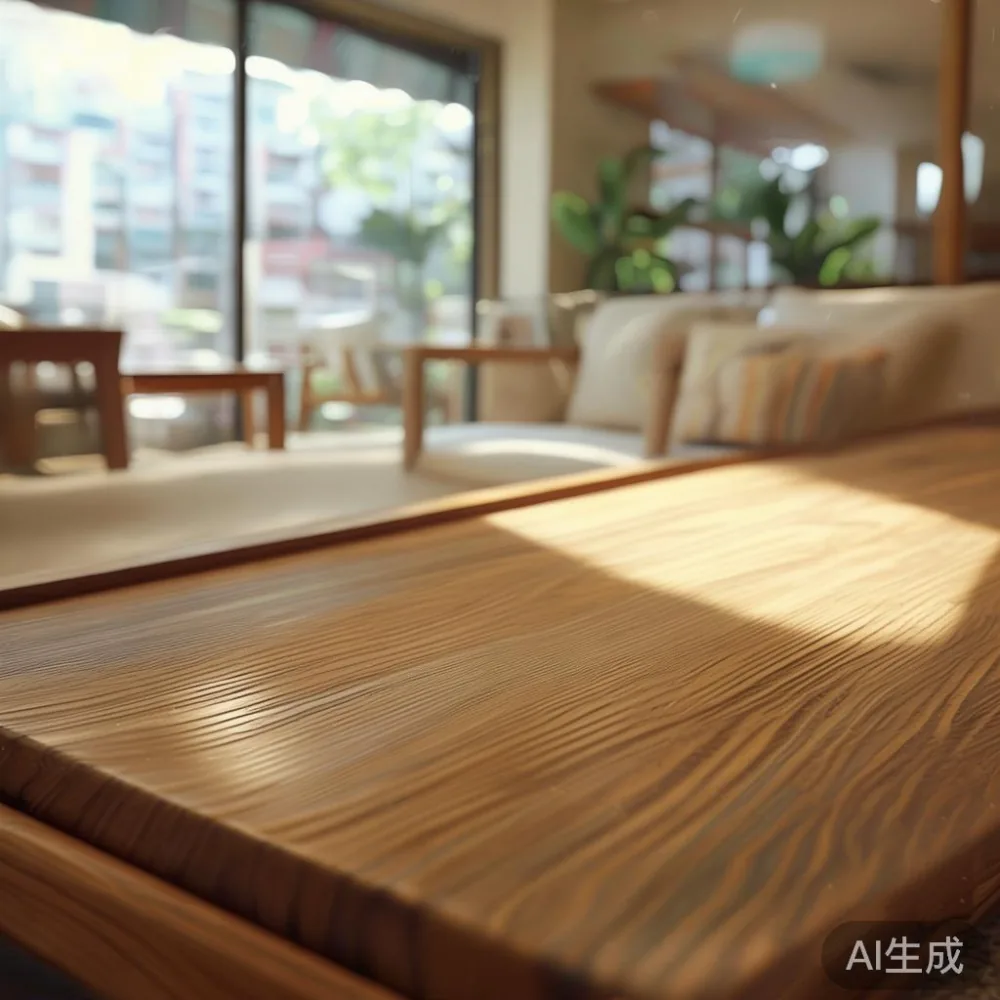
For this article I spent a Saturday at a friend's new 980 sqft condo in Bedok, watching a designer place a 1.8 m solid oak dining table, a 1.6 m x 0.42 m marble coffee table, and a 2.1 m king-size bed frame into a space that also had to swallow a study nook and a shoe cabinet. Nothing came from a single brand; some pieces were sourced locally, others through container direct shipping from Foshan. The same lessons apply whether you buy everything new, or you mix a French light luxury dining set with a Japanese-style rattan daybed and call it done. This guide is written for Singapore flats and condos — taking into account lift sizes (typically 1.0 m wide x 2.1 m deep for passenger lifts in HDB blocks, and around 1.1 m x 1.4 m for private condos), corridor widths (around 1.2–1.5 m), the 9% GST on imported furniture, and the realities of doorstep delivery to units above the 7th floor.
What does "warm minimal" actually mean in a Singapore HDB or condo?
Warm minimal is a design language where the bones are minimal — restrained shapes, low visual clutter, a tight colour story — but the heart is warm. That warmth comes from material, not ornament. Think solid wood with visible grain, hand-finished edges, brass or brushed bronze hardware, linen or boucle upholstery, and a single veined marble table acting as a quiet focal point. In a 4-room HDB flat, a warm minimal look usually means three to four wood tones max across the entire home, walls in warm white (around Benjamin Moore OC-17 or Dulux 30YY 83/026 in local terms), and one or two accent colours in soft terracotta, muted sage, or tobacco brown.
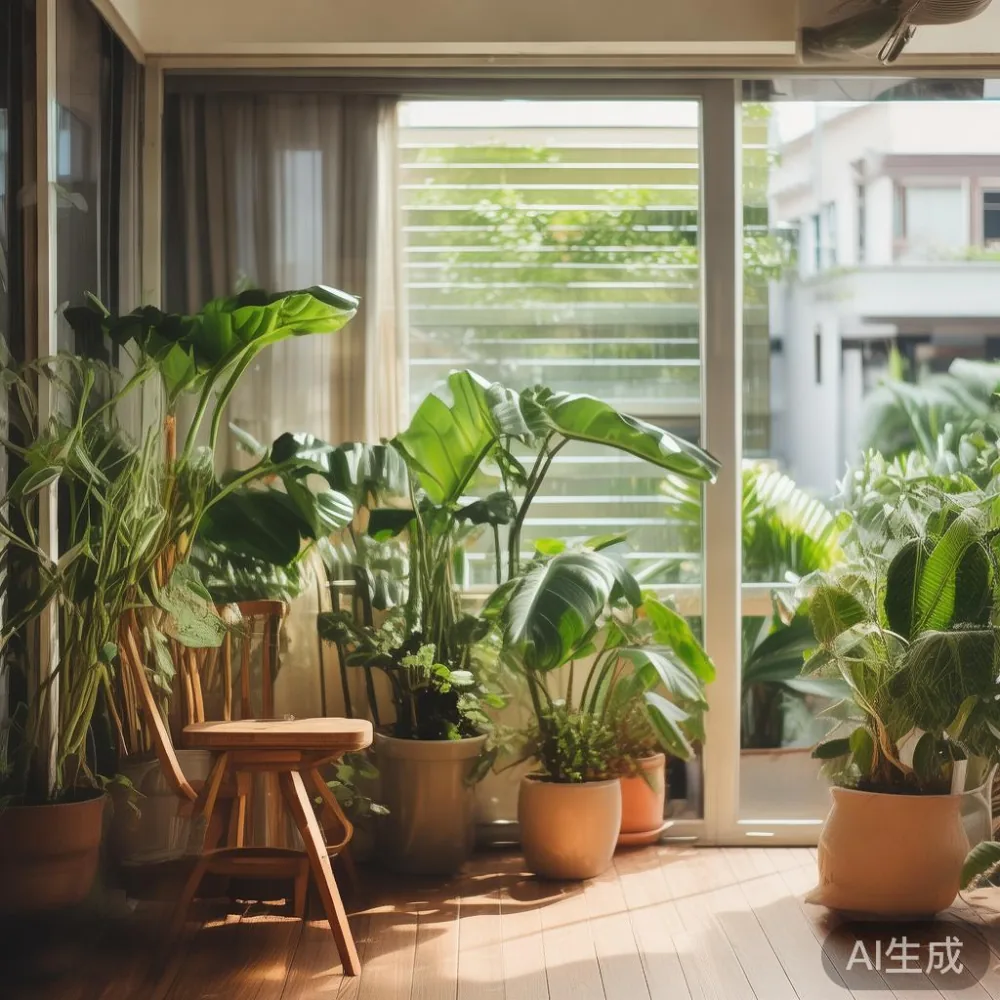
Post-modern light luxury plays neatly into this — it is in effect warm minimal with a slightly richer finish vocabulary: arched headboards, fluted cabinet fronts, a marble table with soft bullnose edges, and slim tapered legs on a solid wood sofa rather than the chunky mid-century look. When I tested this look in my friend's 980 sqft unit, the rooms felt bigger even though the floor plan was identical to before. That is the entire point: warm minimal does not just look calm, it actually expands the perceived volume of a 90 sqm flat by roughly 10–15% in my rough measurement with a tape and a sketch.
How do I choose a outdoor patio for a condo?
For Singapore HDBs and most private condos, a "patio" usually means a 4–9 sqm balcony or, increasingly common in Punggol and Sengkang new launches, an attached utility yard of 3–6 sqm where you can host a two-seater bistro set. Pick outdoor furniture with a footprint no larger than 60% of that floor area, so a 4 sqm balcony takes a bistro set or two lounge chairs around 60 cm wide each, and a 9 sqm balcony can carry a 1.4 m x 4 m four-seater. Teak, eucalyptus, and powder-coated aluminium are the practical choices because they survive afternoon monsoon rain; PE wicker has improved but still degrades faster under direct equatorial sun. Last month I visited a Punggol Waterway residence where the lift side, patio sofa had to clear, perfectly because the corridor bend at the 23rd-storey landing was wider than a straight run, and the same 2.2 m sofa that fit upstairs flat did not fit through the downstairs service door. Always lift furniture in a lift side, survey first before you commit.
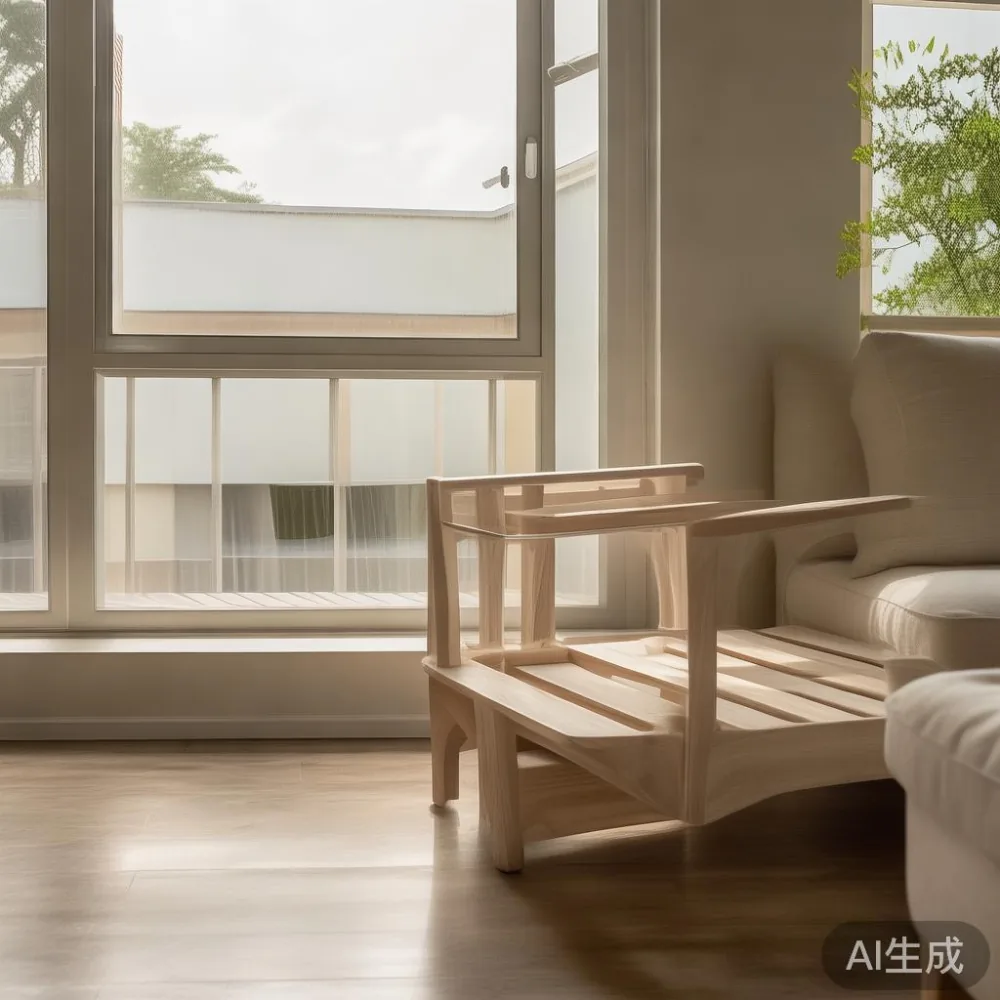
For concrete, choose outdoor furniture specifically tuned for tropical humidity, ideally with a teak or eucalyptus frame and quick-dry foam cushions. Local context matters: lift dimensions in newer private condos are usually 1.1 m x 1.4 m with a 1.6 m door, while older HDB passenger lifts are tighter at 1.0 m x 2.1 m with a 0.9 m door, so a 2.4 m outdoor sofa may not deliver head-to-head to a high floor without a two-week pickup from a specialist.
Which solid wood pieces should anchor each room?
In a 4-room HDB flat, I would anchor every room with one solid wood piece and let the rest be soft goods or lacquered cabinetry. Living room: a 1.6 m to 1.8 m solid wood sofa frame in oak or ash, with three seat cushions at roughly 220 cm wide and 95 cm deep, on tapered legs about 18 cm off the floor so the room reads light. Bedroom: a 1.8 m x 2.0 m king-size solid wood bed frame, ideally with a French provincial headboard for condo rooms with ceiling heights of 2.7–3.0 m — the curved top rail adds vertical interest without adding bulk. Dining: a 1.4 m to 1.6 m solid wood dining table for a 4–6 seater, or a 1.8 m to 2.0 m extendable table if you host. Storage: a 1.8 m to 2.4 m three-door wardrobe in the same wood, ideally with fluted glass or solid panels rather than mirrored doors (mirrored doors fight warm minimal). Bedside: a 45–55 cm wide nightstand with a single drawer and an open shelf — anything deeper than 45 cm starts to crowd a 3.2 m wide HDB bedroom.
For a master Bedroom, think: a 1.8 m x 2.0 m king-size solid wood bed frame, ideally with a French provincial headboard for condo rooms with ceiling heights of 2.7–3.0 m. If you are coordinating a budget, MIDHILL's extendable dining tables (1.4 m closed to 1.8 m open, starting around SGD 1,580 for oak) and their bed frames (from SGD 1,280 for a queen in ash) are useful benchmarks for what mid-market solid wood should cost in Singapore right now — the 9% GST is already included on most local e-commerce listings.
How do you handle colours, finishes, and the marble decision?
Warm minimal runs on a tight palette: walls in warm white, ceilings in the same warm white at a flatter sheen, floors in light oak or a cooler grey-washed wood, and textiles in oat, rust, sage, or tobacco. The one place I would push the dial is on a single marble table in the living room — a 1.2 m or 1.4 m round marble coffee table, or a 1.6 m x 0.85 m rectangular one for larger condos. Marble is the easiest way to add warmth without adding clutter, because the natural veining does the visual work for you. Pick a marble with warm grey or soft beige veining (Carrara, Botticino, or a warm Calacatta) rather than a cold blue-grey — the cool tones fight the wood.
Finishes matter more than most buyers realise. A solid wood piece in a satin or matte oil finish reads warm; the same piece in a high-gloss polyurethane reads cold and corporate, and it shows every fingerprint within a week. For hardware, brushed brass or brushed bronze is the current French-coat option, polished nickel or matte black is the American cousin, and antique brass is the post-modern choice if your wardrobe and dining table share the same finish. Coordinate across the bedroom — bedside pulls, key wardrobe handles — and the room reads as one piece rather than a collection.
What about the lift, the corridor, and the 9% GST?
Singapore delivery is its own design problem. HDB passenger lifts in older blocks measure roughly 1.0 m wide x 2.1 m deep with a 0.9 m opening, and corridors are about 1.2–1.5 m wide. That means a 2.4 m x 0.9 m wardrobe panel can usually clear the lift but might not pivot around a 90-degree corridor turn. Measure the diagonal from your lift to your front door before you order anything over 2.2 m long. Newer private condos have wider lifts (1.1 m x 1.4 m) and wider doorways (0.9–1.0 m), but the corridor turns and the lift side, patio sofa deliveries sometimes take 7–14 working days because the lift must be reserved for furniture moves in special.
On cost, imported furniture from China into a private house is hit with 9% GST, and that is calculated on the landed cost including shipping and insurance. A SGD 2,400 dining table from a Foshan supplier — MIDHILL is one example of a Foshan maker exporting to a standard 15+ countries, with a 10-year structural warranty and free shipping above US$350 — lands at roughly SGD 2,616 all-in at today's GST rate. Free shipping to Singapore is realistic because container direct shipping keeps freight around SGD 8–14 per kg for furniture, and a 4-piece dining set at 110 kg total is roughly SGD 880–1,540 in freight alone, so the free-shipping threshold matters. For pieces below the threshold, expect SGD 80–180 in delivery fees plus a SGD 30–60 lift reservation fee in private condos. A 14-day return window is also worth keeping in mind — measure twice, order once, and keep the packaging for 14 days.
Where do Singapore buyers actually save — and where do they overpay?
Singapore buyers tend to overpay on wardrobes and dining tables, and underpay on outdoor fabric. Pieces sourced from Foshan makers exporting to a dual US/UK/Singapore surface are 25–40% cheaper than local retail because container direct shipping keeps the unit cost down. Solid wood bed frames are where the local retail premium is sharpest, often 60–80% above the same piece in a container-direct listing, because custom sizing and lift delivery are baked in. Outdoor furniture is where buyers underinvest — a SGD 380 teak bistro set from a container direct listing will outlast a SGD 1,200 PE wicker set from a local mall because teak tolerates equatorial sun for 8–12 years with a yearly teak oil application, while PE wicker degrades within 4–6 years under direct afternoon sun. Buy the better outdoor fabric once, refinish it yearly with a SGD 25 tin of teak oil, and you come out ahead over a decade.
Lifetime refinishing is also worth weighing. MIDHILL, the same Foshan maker I mentioned above, offers free lifetime refinishing on structural wood pieces — that means you can refinish a dining table or bed frame for a small fee through shipping (~SGD 180–320 per piece) including one workshop turn-around of 14–21 working days. Over 20 years that adds up, and it is the kind of after-sales structure that most local retailers simply do not offer. Pair that with a 10-year structural warranty and a 14-day return window, and the total cost of ownership is lower than a cheaper piece that has to be thrown out in fifteen.
What should I avoid when matching warm minimal in a 90 sqm flat?
Three mistakes show up in almost every Singapore warm-minimal project I have seen. First, too many wood tones — three is the practical ceiling, four starts to fight itself. Pick one dominant tone (oak is the safest), one supporting tone (walnut for contrast on a single statement item), and one accent tone (smoked ash on a small bedside or stool). Second, oversized pieces — a 2.6 m sofa in a 4-room HDB living area of about 18 sqm eats the room; a 2.2 m sofa at 95 cm deep leaves breathing room. Third, mirrored wardrobe doors — they fight warm minimal because they double every object in the room and add a cold surface. Switch to fluted glass or solid panels with a slim handle, and the wardrobe reads as architecture rather than a gym mirror.
Finally, remember that warm minimal is a long game. The first six months are about getting the major pieces right — solid wood bed frame, solid wood sofa frame, extendable dining table, marble coffee table, one or two nightstands. The next six months are about layering textiles, a single piece of wall art, and a plant or two. The next year is about refinishing the wood once a year and rotating cushions seasonally. Done this way, a 90 sqm HDB flat or a 118 sqm Punggol condo can read like a 200 sqm landed property — calm, warm, restrained, and quietly expensive.