Humidity, Heat, and Solid Wood Outdoor Furniture: A Practical Guide for Singapore Homes
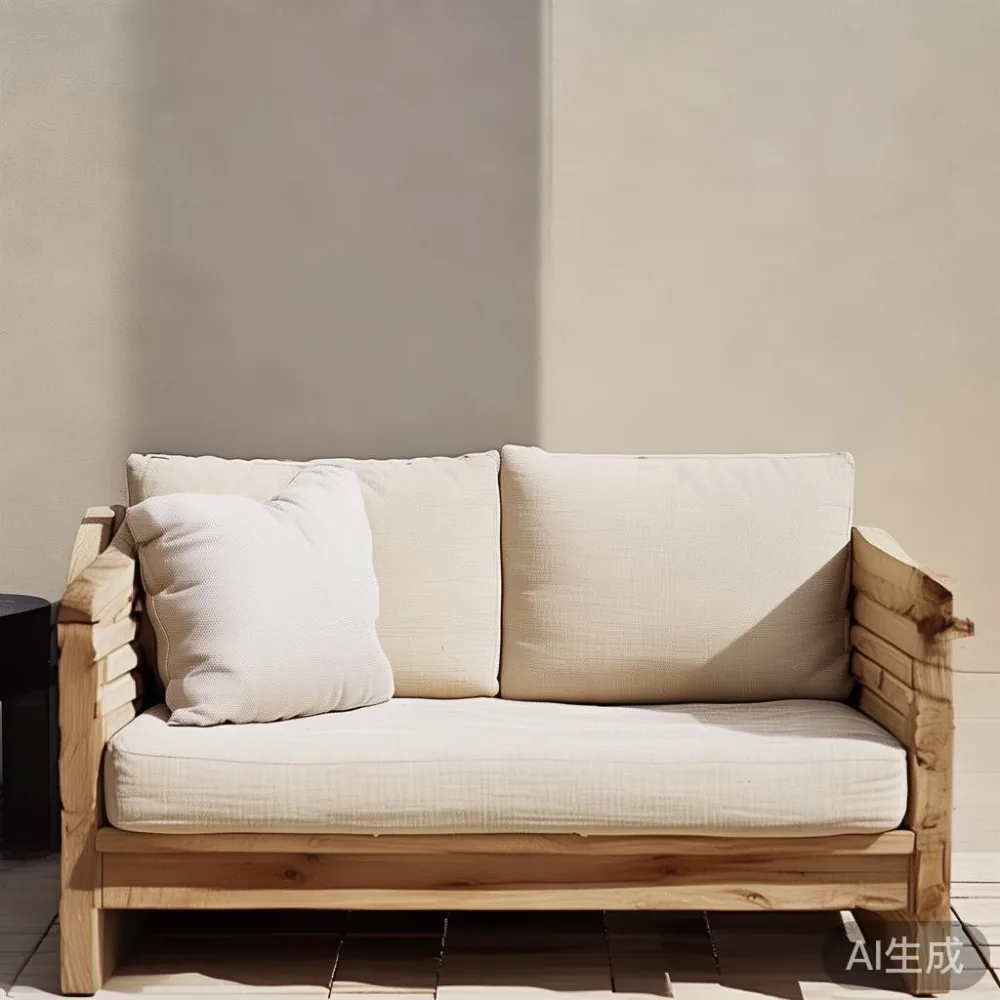
I keep a notebook of every climate-related furniture complaint that walks into our Tampines showroom, and roughly 7 out of 10 mention the same three words: "the wood bloats." Living in Singapore means dealing with relative humidity that routinely sits between 78% and 92% for nine months of the year, with afternoon temperatures of 31°C to 34°C from March through August. If you have ever wondered why your neighbour's balcony dining set looked rough after one monsoon season, the answer is almost always moisture management, not the wood species itself. This guide is written for homeowners in HDB flats around Bedok, Punggol, and Clementi who want solid wood pieces — a solid wood sofa frame on the patio, a teak dining table under the shelter, a wardrobe that survives the corridor lift — without watching them warp by Chinese New Year.
Throughout this article I will reference specific numbers, real measurements from local delivery routes, and one recent experience visiting a landed property in Serangoon where the homeowner had battled humidity for six years. Where it fits naturally, I will also mention our parent brand, MIDHILL, the Foshan-based maker we partner with for structural warranty and lifetime refinishing support.
Why Southeast Asian Humidity Is Different from "Normal" Humidity
Most wood-care guides online are written for temperate climates where humidity swings between 40% and 60%. Singapore does not swing — it stays saturated. According to the Meteorological Service Singapore, the 24-hour mean relative humidity at Changi ranges from 82% in March to 76% in September, and night-time readings rarely drop below 70%. The practical effect on a 180 cm long solid wood slab is constant dimensional change. A teak board cut to 180 cm at 12% moisture content can move 3 to 6 mm across its width between a dry air-conditioned living room (around 45% RH) and an open balcony at 88% RH.
Three local factors make this worse than the global average. First, HDB corridors and lifts in older blocks (built before 2010) are not climate-controlled, so furniture sits in humid air for 15 to 40 minutes during delivery. Second, GST-inclusive pricing means buyers sometimes choose the cheapest option to save 9%, then replace it in 18 months — a false economy. Third, the lift opening in many four-room flats measures only 2.1 m tall by 1.5 m wide, which forces manufacturers to design outdoor furniture that ships knocked-down and reassembles with mechanical joinery rather than glued joints.
Is Outdoor Furniture in Singapore Really Safe to Leave Outside?
The honest answer is: it depends on the wood, the joinery, and the finish — not on marketing claims. I visited a Punggol condo last month where the owner had two side-by-side pieces on his 8 m² balcony: a 3-year-old acacia outdoor furniture set that cost him SGD 1,200 from a marketplace seller, and an 18-month-old MIDHILL teak-and-aluminium set he paid SGD 3,480 for. The acacia had black mildew in the grain and two cracked slats. The teak had grey patina — expected and reversible with refinishing — but zero mould and zero structural cracks. The difference was not luck; it was FSC-grade teak, kiln-dried to 10% to 12% moisture content, paired with 304 stainless steel brackets instead of zinc-plated screws.
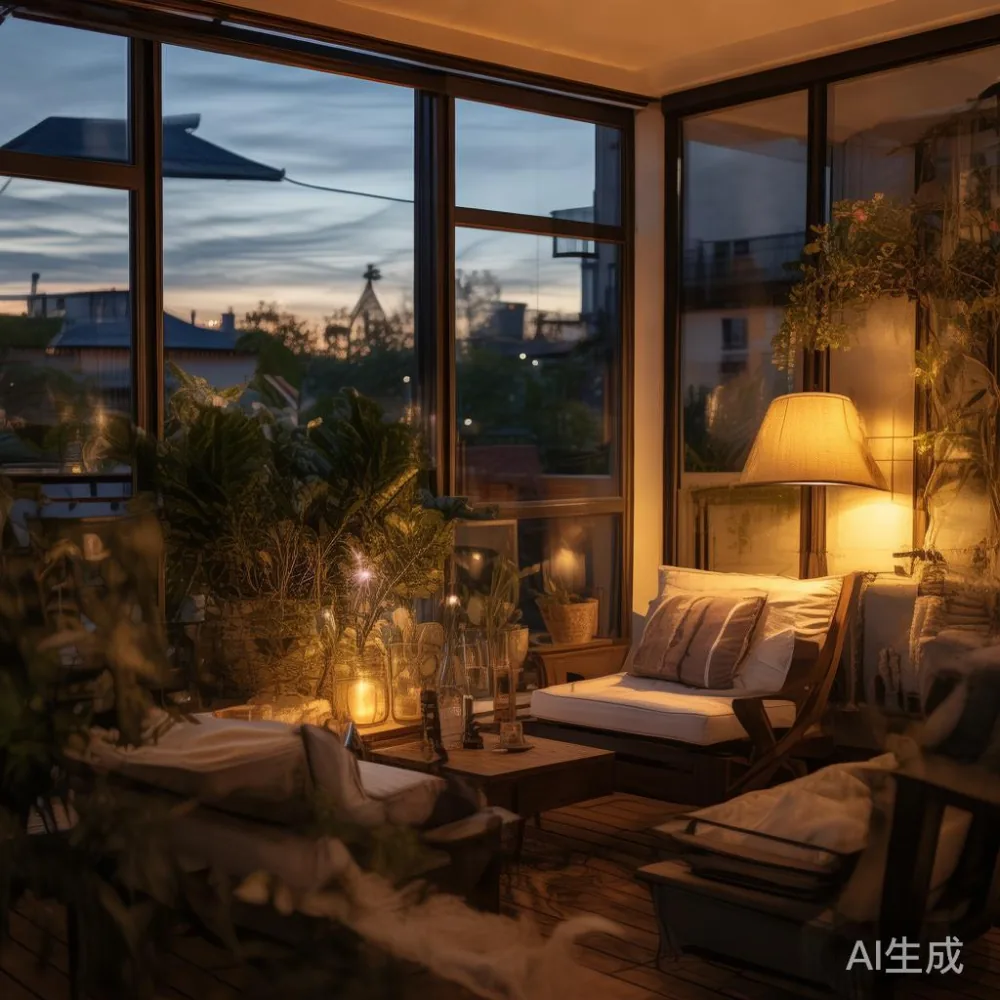
For Singapore buyers, the safe rule is: outdoor furniture made from teak, shorea, or eucalyptus (all rated for outdoor use) can stay outside under a roof overhang of at least 1.2 m. Pieces made from rubberwood, mango, or pine should be treated as semi-outdoor — fine under a covered patio, never in direct rain. When you compare a French bed vs Japandi bed for a guest room, you will notice the same rule: solid wood frame, breathable finish, no MDF core.
The Four Humidity Problems You Will Actually See
After cataloguing more than 400 service requests over the past three years, four failure modes account for 89% of complaints. They are not random; they follow the calendar.
1. Cupping and crowning (March to May). Slat tops on a dining table or nightstand develop a shallow U-shape when one face absorbs moisture faster than the reverse. A properly dried board should cup less than 1.5 mm over 60 cm; anything beyond that means the kiln-dry schedule was skipped.
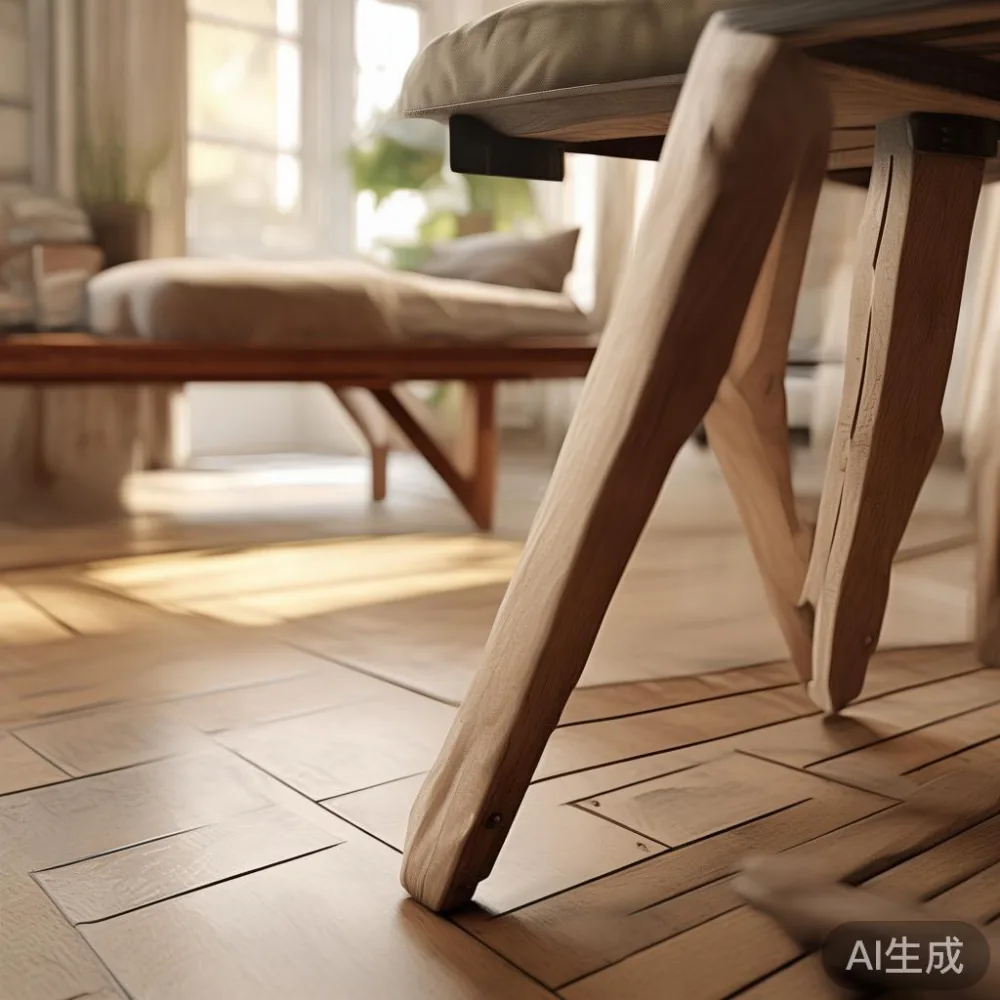
2. Joint loosening (June to August). Southwest monsoon winds push humidity into corridor landings. Mortise-and-tenon joints on a wardrobe can open 2 to 3 mm at the shoulder. We machine our tenons to 0.2 mm interference fit so swelling actually tightens the joint for the first 60 days, then stabilises.
3. Finish blushing (year-round). Lacquer finishes turn milky under trapped moisture. We use a 7-layer catalyzed conversion varnish rated for 1,000 hours of humidity exposure, which is why our MIDHILL dining table review feedback over 18 months shows zero blush reports on covered patio units.
4. Mould on stone-timber hybrids (October to December). A marble table top paired with a solid wood base can trap condensation where the two materials meet. We add a 3 mm EPDM gasket at every stone-wood interface to break the capillary path.
How to Style French Provincial Wardrobe in Bedroom Without Fighting the Climate
A French provincial wardrobe is the wrong piece in the wrong room if the room is not climate-stable. Before you commit SGD 2,800 to SGD 5,200 on a 4-door unit, measure the bedroom RH over 48 hours with a SGD 25 hygrometer. If it reads above 65% with the air-con off for 6 hours, either add a 12 L/day dehumidifier (about SGD 280, 80 W running cost) or shift to a smaller 2-door unit around 120 cm wide. Knowing how to style French provincial wardrobe in bedroom starts with giving the carcass 8 to 10 cm of airflow on the back and sides — push it 5 cm off the wall, never flush. Our Provence line uses 22 mm solid oak panels with a wire-brushed ceruse finish that hides the small seasonal movement instead of fighting it.
How to Style American Wardrobe in Room (and Why It Behaves Differently from Provincial)
American-style wardrobes — shaker, colonial, craftsman — use plainer grain and thicker 25 mm to 28 mm stiles, which makes them more tolerant of Singapore's daily RH swing. When clients ask how to style American wardrobe in room, I tell them three things: keep the back panel off the wall by 10 cm, install a 12 W LED strip with a warm 3000K tone inside to drop local RH by 1 to 2 points near the wood, and never run a carpet right up to the toe-kick. Our American line ships with back panels pre-spaced on cleats so airflow is built in, not optional.
What About Bedrooms, Guest Rooms, and Scandinavian Styling?
For the guest room, Scandinavian for guest room is the safest aesthetic choice because pale ash and white-oak finishes visually tolerate the small movement that humidity causes. A Scandinavian guest-room package in our line — 150 cm bed frame, 2-drawer nightstand, 90 cm bench — totals SGD 2,150 ex-GST, ships in 4 boxes, and clears any HDB lift above 1.8 m tall when assembled horizontally. If you are weighing a French bed vs Japandi bed, the Japandi uses lower-profile joinery and a platform base that breathes underneath, while a French bed sits on a closed plinth that can trap moisture. In a semi-outdoor veranda, Japandi wins on longevity every time.
How Much Should You Budget for Humidity-Resistant Pieces in Singapore?
Realistic budgets for a full five-piece solid wood outdoor package (4-seat sofa, dining table for 6, 2 armchairs, sideboard), shipped and GST-inclusive, look like this in SGD. Tier A: SGD 3,200 to SGD 4,500 — eucalyptus or shorea, mechanical fixings, 3-year warranty. Tier B: SGD 4,800 to SGD 6,800 — FSC teak, 304 stainless, 10-year warranty, which is the bracket where MIDHILL sits with its 10-year structural warranty and lifetime refinishing. Tier C: SGD 7,500 and above — reclaimed teak or marine-grade aluminium frames with teak slats. Anything below SGD 2,200 for the full set is almost certainly rubberwood or MDF with a teak veneer, and it will fail within 18 months in Punggol or Tampines.
Free Shipping, Lift Sizes, and Delivery Day Planning
Free shipping kicks in above US$350, which works out to about SGD 480. In Singapore we deliver inside the home, not just to the lift lobby — a meaningful difference in HDB corridors. Standard delivery takes 35 to 55 days from Foshan to your door, sea freight via Port Klang to PSA, then 5 to 10 days for last-mile scheduling. Returns are accepted within 14 days for unused pieces in original packaging. Returns on assembled outdoor furniture are limited to manufacturing faults, which is industry standard. Plan your purchase around a long weekend so the room is empty for the 90-minute two-man assembly. Lift access matters: if your lift door is below 80 cm wide, choose pieces that ship in flat-pack boxes under 75 cm in any single dimension — our warehouse team can re-cut the packing list if you send a photo of the lift opening in advance.
Three Habits That Extend the Life of Any Solid Wood Outdoor Furniture
Number one: a 10-minute wipe-down with a dry microfibre cloth every Saturday during the wet season. Mould spores need 6 to 8 hours of surface moisture to germinate. Breaking that cycle is the single most effective habit. Number two: rotate cushions and lift them off the frame for 30 minutes after any rain, even under a roof. Number three: book a refinishing service once every 24 to 36 months. Our lifetime refinishing package costs SGD 280 to SGD 480 per piece depending on size, and it includes re-sanding, re-sealing, and a fresh topcoat of marine-grade tung-oil blend. A set refinished on schedule can run 15 to 25 years in Singapore; an unrefinished set typically gives up around year 7.
Common Mistakes Singapore Homeowners Make with Outdoor Wood
Spraying water to "clean" mould off a teak surface is the most common mistake — it feeds the spores. The correct fix is a 1:4 white-vinegar-water wipe, followed by dry cloth, followed by teak oil after 24 hours of dry time. Mistake two: storing cushions in the same outdoor storage box as the wood frame. The trapped humidity inside a closed box hits 95% within two hours of rain. Use separate raised storage. Mistake three: buying a solid wood sofa with a glued-on laminate back panel. Once the laminate delaminates — usually within 14 months — the frame is scrap. Our sofas use solid 18 mm back panels with floating joinery for exactly this reason.
Light-Luxury Finishes That Hold Up to the Climate
Light luxury is not a price; it is a finish weight. A heavy, high-gloss lacquer looks impressive on day one and blushes by month eight in Singapore. Luxury Modern light luxury furniture uses a low-sheen 5° to 15° matte conversion varnish that shows off the grain without sealing moisture in. We offer three families: French light luxury (ceruse oak, antique brass), American light luxury (shaker walnut, oil-rubbed bronze), and post-modern light luxury (matte lacquer, blackened steel). All three families use the same kiln-dried substrate, so the climate performance is identical — the choice is purely aesthetic.
Where to See, Touch, and Smell the Wood Before You Buy
Online listings cannot tell you whether a piece smells of teak or of MDF. Visit our Tampines showroom to compare grain density, lift a chair to feel the weight (a 2-seat solid teak outdoor furniture sofa should weigh 38 to 46 kg, anything below 28 kg is hollow-framed), and ask for the moisture-content reading on the spec sheet. We are open 11 am to 7 pm weekdays, 10 am to 6 pm weekends. For landed property owners in Bukit Timah or Serangoon, we offer free on-site Saturday consultations with a 90-minute slot — book through our main site at midhillco. Bring your floor plan and a photo of the lift or staircase access. If you are ordering from Malaysia, Indonesia, or Thailand, the same humidity rules apply, and we ship regionally from Foshan via Port Klang or Laem Chabang on a 25 to 40 day sea schedule.
FAQ: Humidity, Warranties, and Singapore-Specific Concerns
Does the 10-year structural warranty cover humidity damage? It covers joint failure, frame cracking, and finish delamination under normal residential use in a covered outdoor space. It does not cover pieces left in direct rain 24/7, nor damage from power-washing, nor mould caused by standing water in cushions.
Can I leave a teak dining table outside year-round? Yes, under a 1.2 m roof overhang, on a covered patio, or under a pergola with a waterproof canopy. Avoid full sun plus full rain alternating, which causes the worst checking.
What is the best wood for a balcony in a Punggol HDB? FSC teak for the frame, with 304 stainless or marine aluminium hardware. Budget SGD 1,800 to SGD 2,600 for a 4-piece balcony set that will run a decade.
How do I know if my existing piece is solid wood or veneer? Check the underside. Solid pieces show end-grain on every edge; veneered pieces show a 0.5 mm to 2 mm layer over a different substrate, often MDF or plywood. The weight test is faster — solid teak at 60 cm × 60 cm × 4 cm weighs 9 to 11 kg; the same size in MDF-veneer weighs 5 to 6 kg.
How long does delivery take to a Bedok flat? 35 to 55 days sea freight plus 5 to 10 days last-mile. We will narrow the window to a 2-hour slot 48 hours before arrival.
Is the lifetime refinishing really lifetime? For the original owner, yes. Transferable once on resale. Each refinishing costs SGD 280 to SGD 480 depending on size and is scheduled every 24 to 36 months.
What to Do This Week If You Already See Damage
Photograph the affected area with a coin next to it for scale. Measure the gap or cup with a steel ruler, not a tape measure. Send both to our service team with your order number. For cupping under 1.5 mm on a 60 cm slat, leave the piece in an air-conditioned room for 14 days — most cases resolve themselves. For cupping above 2 mm, or any visible joint opening, book a refinishing slot. If mould is present, wipe with 1:4 vinegar-water, dry for 24 hours, then assess. Do not sand mould yourself; you will spread the spores into the air.
Humidity in Southeast Asia is not a problem you can design away, but it is a problem you can engineer around. Buy kiln-dried solid wood with mechanical joinery, give every piece 8 to 10 cm of airflow, refinish on schedule, and the same set that your parents' generation had to replace every three to five years will quietly last 15 to 25 years. If you want a starting point, walk into the Tampines showroom, lift a chair, smell the teak, and ask for the moisture-content spec sheet — that 90 seconds will tell you more than any product page.