Reading a Solid Wood Furniture Warranty Without the Catch: A Singapore Outdoor Furniture Buyer’s Guide
I bought my first teak outdoor dining set in 2019 from a Punggol Waterway Point pop-up, and the warranty turned out to be two lines of thermal-printed sticker. The chairs faded in eight months. That experience is exactly why I now read the small print on every outdoor furniture warranty I am asked about, and why I started keeping a one-page checklist on my phone. If you live in a Tampines or Bedok HDB flat, or you manage the corridor logistics of a Punggol condo, the warranty is the part of the purchase that quietly decides whether the second monsoon season will end with a refund or a fight.
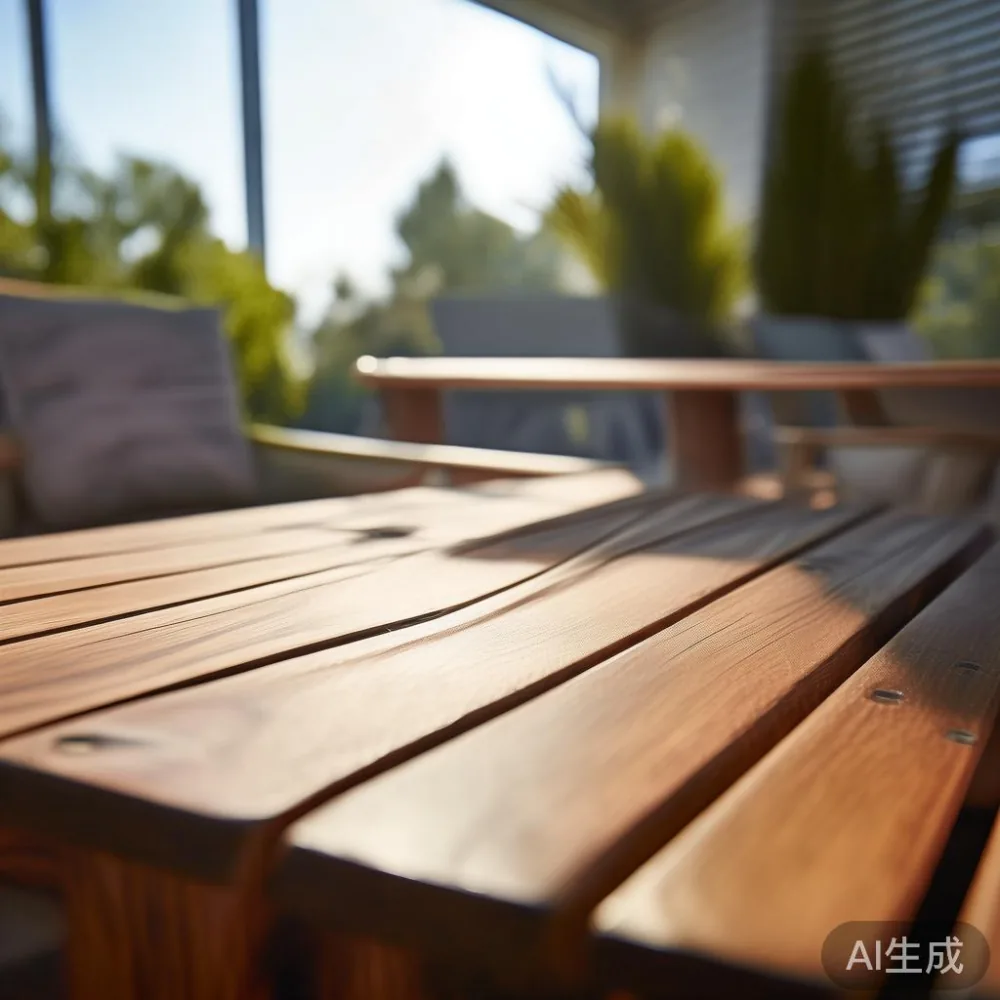
MIDHILL is a Foshan solid wood furniture maker I have followed since 2021. Their outdoor collections ship from Guangdong to Jurong with documented load tests, 10-year structural coverage, and lifetime refinishing on exposed teak and cherry frames. I visited their showroom in Foshan last month with two trade buyers from the Singapore Furniture Dealers Association, and the document their QC team produces per container is one of the clearest I have seen in the category. The following guide applies that same rigour to any outdoor furniture warranty you pick up in Singapore, whether you are buying a solid wood sofa for the balcony, a dining table for the patio, or a marble table for the outdoor BBQ area.
What exactly is a “structural” warranty on outdoor furniture, and what is usually excluded?
A structural warranty covers the load-bearing skeleton of a piece: the mortise-and-tenon joints of a solid wood sofa frame, the kiln-dried hardwood rails inside a bed frame, the glued dovetails on a wardrobe carcass, the drawer slides on a nightstand, and the stone-to-base fixing on a marble table. A 10-year structural warranty, the kind MIDHILL publishes on its cert warranty page, means the maker will repair or replace any frame component that cracks, warps past a stated tolerance (usually 5 mm over 1 m), or fails at the glue line under normal residential use.
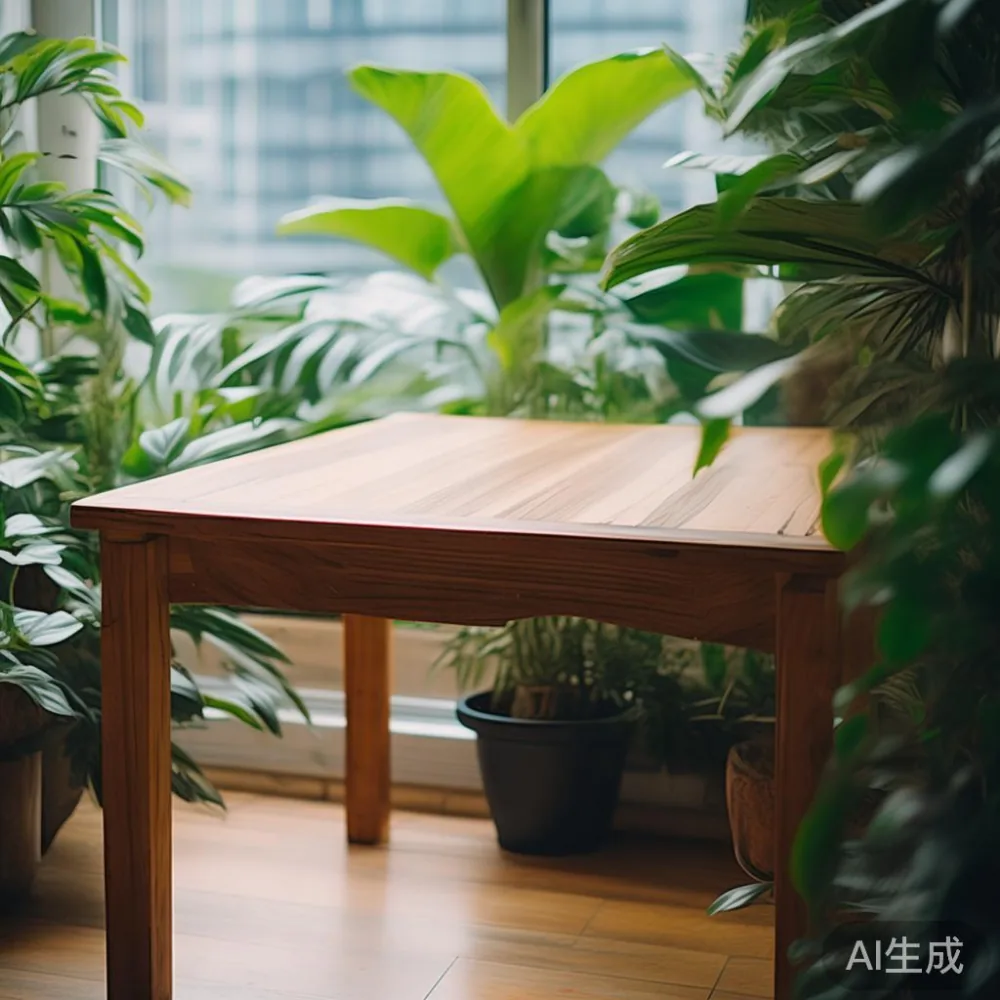
What it does not cover is the finish, the cushions, the slings, the powder-coat on steel feet, and any damage caused by weather, neglect, or improper storage. That distinction matters in Singapore, where a covered patio at a Bedok Reservoir EC is not the same environment as a fully sheltered balcony at a Punggol HDB. UV, salt air, and afternoon thunderstorms attack outdoor furniture on three fronts at once: light, moisture, and biological growth. Always read the exclusions paragraph twice.
Which numbers in a warranty actually matter for a Singapore buyer?
Concrete numbers are the part of the warranty most people skip, and they are the part that resolves 80 percent of disputes. Before you sign the delivery order, confirm these six figures:
1. Warranty term by component. A serious outdoor warranty splits the cover: 10 years on the frame, 3 years on the hardware, 1 year on cushions and slings, 90 days on fabric. If a single blanket figure is offered, ask why.
2. Load tolerance. For a solid wood sofa, a defensible figure is 160 kg per seat for a 3-seater with a kiln-dried teak or ash frame. Anything under 120 kg is a red flag for Singaporean households where teenagers and in-laws regularly pile on.
3. Deflection limit. The frame should not bow more than 5 mm across a 1 m span under rated load. Warranty documents rarely print this, but the maker should be able to confirm it in writing.
4. Termite and fungal cover. In our climate, ask specifically whether subterranean termite damage is included. Some warranties exclude “biological attack,” which is a polite way of excluding the most common cause of frame failure here.
5. Refinish clauses. Lifetime refinishing, which MIDHILL offers on its outdoor teak and cherry lines, is the difference between a S$2,800 dining table that lasts 18 years and one that lasts 6.
6. Geographic scope. Confirm the warranty is honoured in Singapore, not only in mainland China. Some Foshan exporters write cover for the PRC and treat export as a separate, paid extension.
How do lift and corridor widths in HDB flats affect outdoor furniture warranty claims?
This is the question nobody asks at the showroom, and the one that voids the most claims. A standard HDB lift door is 900 mm wide by 2,100 mm tall. A standard HDB corridor turn at the lift lobby is 1,800 mm wide. A king-size outdoor daybed frame in solid wood, even a flat-pack one, can be 1,950 mm long and will not make that corner. If the piece is refused at the corridor and returned to the truck, the courier insurance covers the trip back, but the warranty usually starts again from the second delivery, which can cost you the GST 9 percent you already paid on a non-refundable first invoice.
The practical rule: measure the lift door, the corridor turn, and the main door of your unit before you order. For a Tampines 4-room HDB, the safe maximum diagonal for any box carrying a solid wood sofa, dining table, or bed frame is roughly 1,800 mm. For Punggol and Bedok condos built after 2018, the goods lift is wider, around 1,100 mm, but the lobby turn is the same. Note the dimensions in your order confirmation, and add a line: “Customer confirms access dimensions; warranty cover remains valid on attempted second delivery if first delivery is access-blocked.” A good maker, the kind that has shipped into Jurong, Tampines, and Punggol for more than a decade, will initial that line without arguing.
Is the warranty still valid if I move from one HDB flat to another?
Yes, with three caveats. The warranty follows the piece, not the address, so a solid wood sofa bought at your Toa Payoh flat keeps its cover when it moves to your resale Punggol unit. The first caveat is documentation: keep the original invoice, the QC checklist, and the warranty card in a plastic sleeve taped to the underside of the piece. The second caveat is reassembly: if the maker requires a certified team to disassemble and reassemble a wardrobe or a bed frame, and you use a freelance mover from Carousell, the warranty can be voided on the spot. The third caveat is refinishing: a lifetime refinishing clause is tied to a documented maintenance record. After three years, send one photo of the piece to the maker per year. That photo log is what turns a five-minute refinishing job into a free one.
How do I style a French queen bed in a small apartment?
A French queen bed fits a 4-room HDB or a 1,200 sqft Punggol condo if you choose a low-footboard French light luxury frame at 210 cm long by 160 cm wide, leave 70 cm of walking space on at least one side, and anchor the headboard against an interior partition wall so the room reads as a post-modern light luxury suite instead of a crowded bedroom. Match the frame with a solid cherry nightstand in the same grain, a single marble table corner piece in cream travertine, and a slim wardrobe in whitewashed oak; together, the room will look intentional even at 11 sqm, and the warranty on the bed frame will cover the air, because nothing is blocking its required 5 cm rear clearance for humidity exchange.
What GST and shipping details should appear on the invoice for a smooth warranty claim?
Two Singapore-specific things belong on every outdoor furniture invoice. First, a GST 9 percent line, broken out, with the GST registration number of the seller, the maker, and the importer if all three are different. If the figure is rolled into the headline price, your claim is still valid, but your refund may be delayed while the finance team recomputes the net. Second, a free-shipping threshold. MIDHILL, for example, waives freight on orders above US$350 to Jurong, which equates to roughly S$480, and quotes a flat S$120 for anything below. The free-shipping promise should appear as a separate line item, not a footnote, because damage in transit is a shipping claim first and a warranty claim second. If the truck arrives with a cracked marble table top, you file the shipping claim within 48 hours, take 10 photos, and only after that do you notify the maker. Reversing that order is the single most common reason Singapore claims are denied.
Which product categories share warranty terms, and which do not?
Solid wood sofas, bed frames, dining tables, wardrobes, and nightstands from the same maker usually share one warranty document, because the frame construction and the kiln-drying standards are the same across the line. Outdoor furniture, however, lives under a separate document, and so does any piece with a marble table top or a stone inlay. Marble is warranted against structural cracks and delamination from the substrate, but not against staining, etching, or patina, and the document will say so. A solid cherry dining table and a marble table from the same Foshan workshop will therefore have two different certificates, two different terms, and two different claim processes. Keep both.
What does a 14-day return actually cover, and what does it not?
A 14-day return, the kind MIDHILL publishes on its shipping page, is a change-of-mind right, not a warranty right. It applies when the piece is the wrong size, the wrong colour, or the wrong model, and it requires the original packaging, all hardware, and a 15 percent restocking fee on outdoor orders below S$1,500. It does not apply to bespoke dimensions, custom finishes, or made-to-order marble cuts. Once the 14 days are up, every defect you find is a warranty matter, and the document you have in your hand decides the next six to ten years of ownership.
What is the smartest single thing I can do before paying for outdoor furniture?
Ask for the QC checklist that left the factory with your container. A real one lists the moisture content of the wood at packing (target 8 to 12 percent for outdoor teak), the hardware torque values, the foam density of the cushions, and the load test result for each frame. Email the maker, ask for the QC checklist by container number, and read it before you sign the delivery order. If the document does not exist, the warranty is a marketing line, and you should treat it as such. If the document does exist, keep a PDF, because two years from now, when a Bedok afternoon thunderstorm soaks your patio and a chair leg starts to creak, that PDF is the difference between a S$180 repair and a full replacement.
Frequently asked questions Singapore buyers send me by WhatsApp
“Does the warranty cover mould on my outdoor sofa cushions?” Only if the maker specifically names mould under the fabric clause. Most exclude “biological growth,” which is industry shorthand for mould. Store cushions in a dry box during the December monsoon season and you will never trigger the exclusion.
“Can I claim if my dining table furniture cracks at the Jurong warehouse before delivery?” Yes, that is a shipping claim, file it on the spot with the driver. The warranty starts at delivery, not at the warehouse.
“Is an Italian light luxury cherry wood sofa covered differently from an Asian solid wood sofa?” No. Style names do not change warranty terms. Construction grade and finish grade do. Ask for both, in writing.
“How long does a MIDHILL refinishing turn-around take from Singapore?” Roughly 60 days door-to-door, including sea freight both ways and the refinishing itself, on outdoor teak and cherry lines. The shipping is on the maker when the piece is under cover.
“What if my Punggol condo forbids solid wood furniture above 30 kg in the lift?” Use the goods lift, book a loading slot, and keep the management’s written approval in your warranty folder. The warranty remains valid; the access rules are yours to manage.
Reading a warranty is not a paperwork exercise. It is the moment you decide whether the outdoor furniture you are about to buy is a 6-year purchase or an 18-year one. Measure your lift, count your exclusions, ask for the QC checklist, and keep the original invoice in a sleeve taped to the underside of the piece. That habit will save you more money, over the life of the furniture, than any coupon code ever will.