What Drives the Price of Solid Wood Furniture
Solid wood furniture continues to attract buyers who value longevity and natural beauty. In Singapore, where HDB flats in Tampines, Bedok and Punggol often have lift widths of around 90 cm and corridor widths of about 1.2 m, the logistics of moving large pieces add a tangible cost factor. Understanding what pushes the price up helps shoppers make informed choices without overpaying for features they do not need.
Understanding Wood Species and Grades
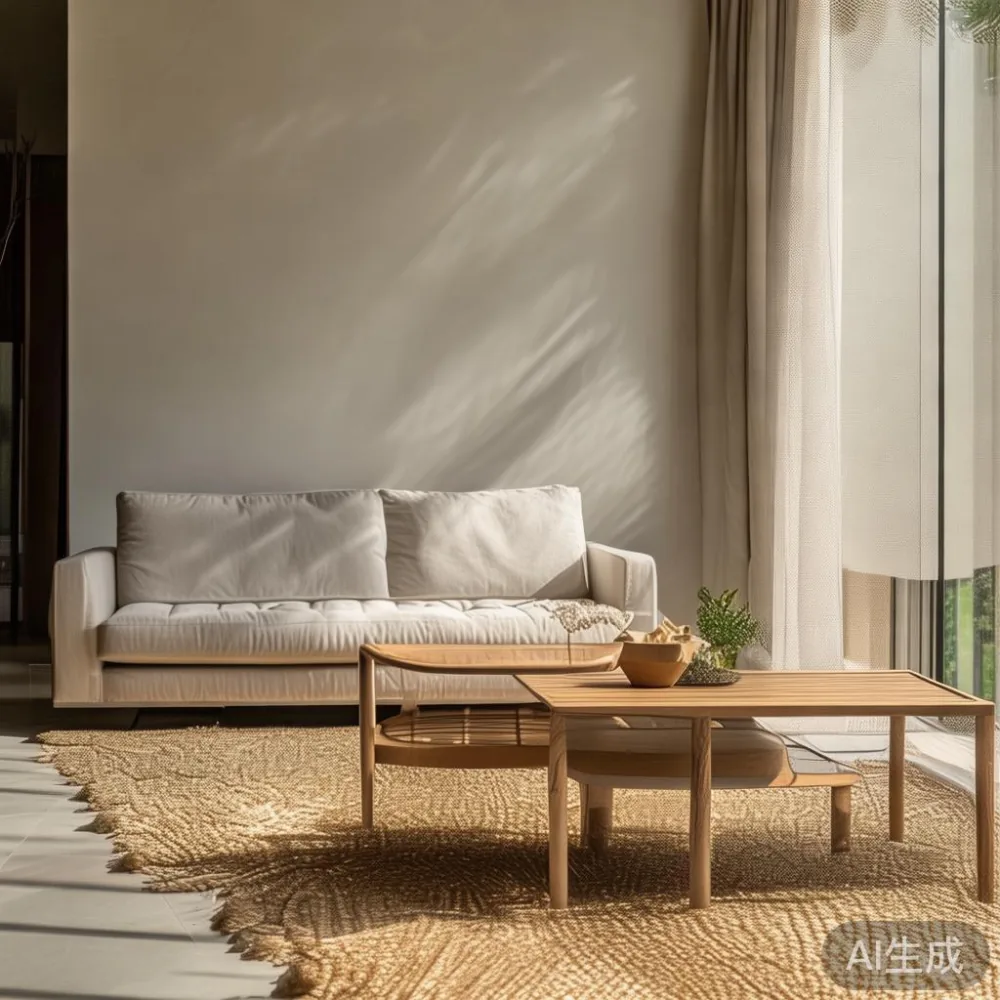
The first driver of price is the type of timber used. Hardwoods such as teak, oak and walnut command higher rates than softer varieties like pine or rubberwood. A solid wood sofa frame made from Grade A teak typically uses planks that are 50 mm thick, weighs about 32 kg and costs roughly SGD 1,800 for the base structure alone. In contrast, a similar frame constructed from certified rubberwood may weigh 24 kg and be priced near SGD 900. Grading also matters: timber with fewer knots, straight grain and consistent colour receives a premium, sometimes adding 15‑20 percent to the material cost.
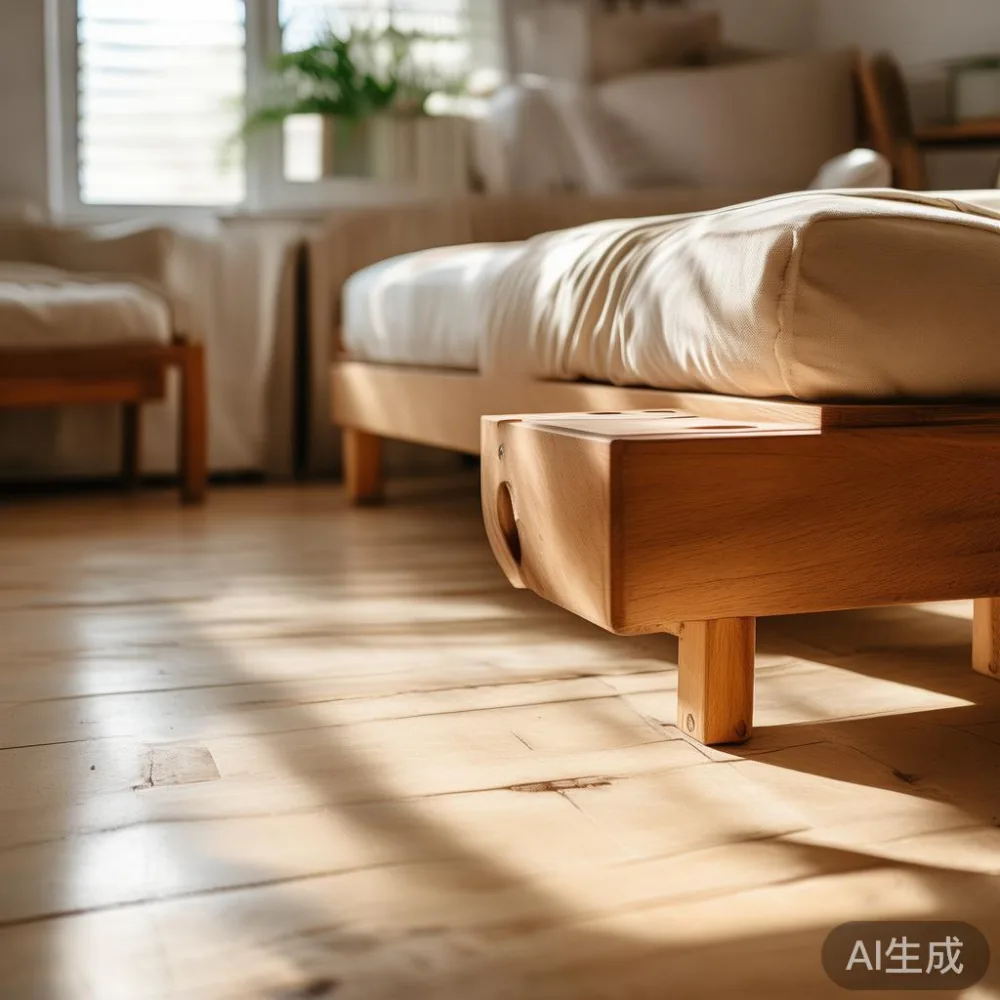
When selecting a bed frame, the species influences both durability and aesthetic. A solid wood bed frame crafted from European oak, with slats sized 22 mm × 80 mm and a total weight of 38 kg, can retail for SGD 2,200. A comparable frame made from African mahogany, slightly lighter at 34 kg, might be priced at SGD 1,650. These differences stem from growth rate, density and the reputation of the source region, all of which affect the final price tag.
How do I style a French provincial master bed in a small apartment?
Start by placing the bed against the longest wall, leaving at least 60 cm clearance on each side for easy movement. Choose a nightstand with a depth of 35 cm and a height of 50 cm to keep the footprint modest. Opt for a marble table top measuring 40 cm × 40 cm as a bedside accent; the stone adds a touch of French light luxury without overwhelming the space. Use light‑coloured linens in cream or soft grey to reflect natural light from a nearby window, and keep the wardrobe doors sliding rather than swinging to save corridor width in a typical HDB unit where the hallway may be only 1.0 m wide.
In a Tampines condo with a lift interior of 1.1 m by 1.4 m, delivering a solid wood bed frame that is 210 cm long, 160 cm wide and 50 cm high usually takes two to three working days. The delivery team often disassembles the headboard into two sections, each weighing about 18 kg, to fit through the lift. Reassembly on‑site adds roughly SGD 120 to the service fee, a cost that is reflected in the final price quoted to the buyer.
The Role of Craftsmanship and Joinery
Joinery techniques significantly affect both strength and price. Traditional mortise‑and‑tenon joints, dovetail corners and hand‑planed surfaces require skilled labour and more time. A solid wood dining table that uses full mortise‑and‑tenon joints for its legs, with each joint taking approximately 45 minutes to cut and fit, may involve 12 hours of artisan work. This labour component can add SGD 350‑SGD 500 to the base material cost. Conversely, tables that rely on metal brackets or dowel joints often reduce labour to under six hours, lowering the price by a similar margin.
Wardrobes that feature hand‑carved panel details or inlay work also see a price uplift. A wardrobe with three doors, each 80 cm wide and 200 cm tall, featuring a subtle French light luxury motif carved into the central panel, might require 20 hours of carving at a rate of SGD 40 per hour, contributing SGD 800 to the total. The weight of such a wardrobe, built from solid oak, can reach 120 kg, influencing both transport cost and the need for reinforced flooring in older HDB blocks where the live load limit is often 2.0 kPa.
Finishing Techniques: From Oil to Lacquer and Their Cost Impact
The finish applied to solid wood not only protects the surface but also changes the visual character and price. A natural oil finish, which penetrates the grain and requires reapplication every 12‑18 months, is relatively inexpensive; the material cost for enough oil to treat a 2.0 m × 1.0 m marble table top is about SGD 30. However, achieving a uniform sheen may need two coats, each taking 4 hours to cure, adding labour of roughly SGD 80.
In contrast, a high‑gloss polyurethane lacquer provides a durable, scratch‑resistant surface suitable for outdoor furniture that faces UV exposure and occasional rain. The lacquer system, including primer, colour base and clear topcoat, can cost SGD 150 per square metre. Applying it to a solid wood sofa with a surface area of 3.5 sqm may involve material costs of SGD 525 and labour of SGD 300 for spraying and sanding between coats. The resulting finish can last five to seven years before a touch‑up is needed, justifying the higher upfront price.
For a nightstand that aims for an American light luxury look, a matte white lacquer with a subtle grain‑showing effect might be chosen. The process includes a base coat, a sanding sealer and two topcoats, totalling about SGD 120 in materials and SGD 180 in labour. The final piece, weighing around 12 kg, retains a soft feel while resisting humidity—a key consideration for units near the coast in Punggol where relative humidity can exceed 80 percent during monsoon months.
Dimensions, Transport and Installation Considerations in Singapore HDB Flats
Size directly influences price through material usage and handling complexity. A solid wood sofa with a length of 220 cm, depth of 95 cm and height of 85 cm typically uses approximately 0.45 cubic metres of timber. At a market rate of SGD 1,200 per cubic metre for selected hardwood, the raw material alone accounts for SGD 540. Adding cushions, fabric and legs brings the total to around SGD 1,200‑SGD 1,500 depending on the upholstery grade.
Delivery logistics in Singapore often involve working through lifts with interior dimensions of 1.0 m × 1.3 m and weight limits of 400 kg. A marble table slab measuring 100 cm × 60 cm × 2 cm weighs about 28 kg and can be moved intact, but a larger slab of 150 cm × 80 cm × 3 cm, weighing roughly 65 kg, may need to be split into two pieces for lift transport, adding a handling fee of SGD 100‑SGD 150. Installation teams usually charge SGD 80‑SGD 120 per hour, and a typical setup for a dining set of six chairs and a table takes three to four hours.
Warranty offerings also affect the perceived value. MIDHILL provides a ten‑year structural warranty on its solid wood frames, which includes coverage for joint failure under normal use. This assurance is factored into the price, as the company allocates reserves for potential service calls. Also, the lifetime refinishing option allows owners to restore the surface every few years, a benefit that many buyers in Tampines and Bedok find attractive when calculating long‑term cost of ownership.
Outdoor Furniture Specifics: Weather Resistance and Maintenance
Outdoor furniture made from solid wood faces unique challenges that drive price. Teak, often selected for its natural oils, resists rot and insect attack, making it a preferred material for patio sets. A solid wood outdoor sofa constructed from Grade A teak, with cushions wrapped in solution‑dyed acrylic fabric, may weigh 45 kg and cost SGD 2,300. The price includes a marine‑grade stainless steel frame that adds SGD 200 and UV‑stable finish that adds another SGD 150.
Maintenance intervals also influence cost. Owners are advised to clean teak surfaces with a mild soap solution every three months and apply a teak protector annually; the protector itself costs about SGD 25 per litre and covers roughly 2 square metres. Over a five‑year period, the total maintenance expense can reach SGD 200, which some buyers consider when comparing the upfront price of outdoor furniture to alternatives such as powder‑coated aluminum or synthetic wicker.
In a Punggol HDB estate where balcony widths are often limited to 1.2 m, choosing a compact outdoor dining table that is 100 cm long, 70 cm wide and 75 cm high helps maximize usable space. Such a table, made from solid acacia with a weight of 22 kg, can be delivered in two flat‑packed boxes, each under 30 kg, making lift transport straightforward. The delivery time from the warehouse to the doorstep is usually two working days, and the item comes with a five‑year warranty against structural failure.
Balancing Cost and Longevity: Making a Smart Purchase
When evaluating price, consider the total cost of ownership rather than just the sticker price. A solid wood sofa that costs SGD 1,800 today but requires re‑upholstering after five years at an estimated SGD 600 may end up more expensive than a slightly pricier option priced at SGD 2,200 that comes with removable, washable covers lasting eight years. Similarly, a bed frame priced at SGD 1,600 with a ten‑year warranty may prove cheaper over a decade than a frame at SGD 1,200 that only offers a two‑year guarantee and may need replacement sooner.
Light‑luxury positioning can also guide decisions. A piece described as French light luxury often features softened curves, muted palettes and subtle ornamental details, which add to the perceived value without necessarily increasing material costs dramatically. American light luxury tends to emphasize clean lines, functional elegance and a preference for lighter finishes, while post‑modern light luxury mixes eclectic elements with a focus on sustainability. Recognizing these styles helps shoppers align their aesthetic preferences with the price points that reflect genuine craftsmanship rather than mere branding.
Finally, always verify the dimensions relative to your living space. Measure lift interior, door width and corridor clearance before ordering. In many HDB units in Tampines, the lift door opening is 90 cm, so any item wider than that may need to be disassembled. Knowing these numbers ahead of time prevents unexpected fees and ensures the furniture fits comfortably in your home.