Southeast Asia Humidity & Wood Furniture: Singapore Solutions
I spent the first three weeks of last October visiting wood furniture workshops across Foshan, then flew home to a Tampines HDB flat where the hygrometer read 84% in the living room. Within an hour of landing I could see what that humidity had done to a friend's six-year-old teak dining table: a faint crown across the top, two hairline gaps between boards, and one leg that rocked on the corridor tile. None of those problems existed at the workshop. The wood was the same wood. The difference was 12,000 kilometres of hot, wet air.
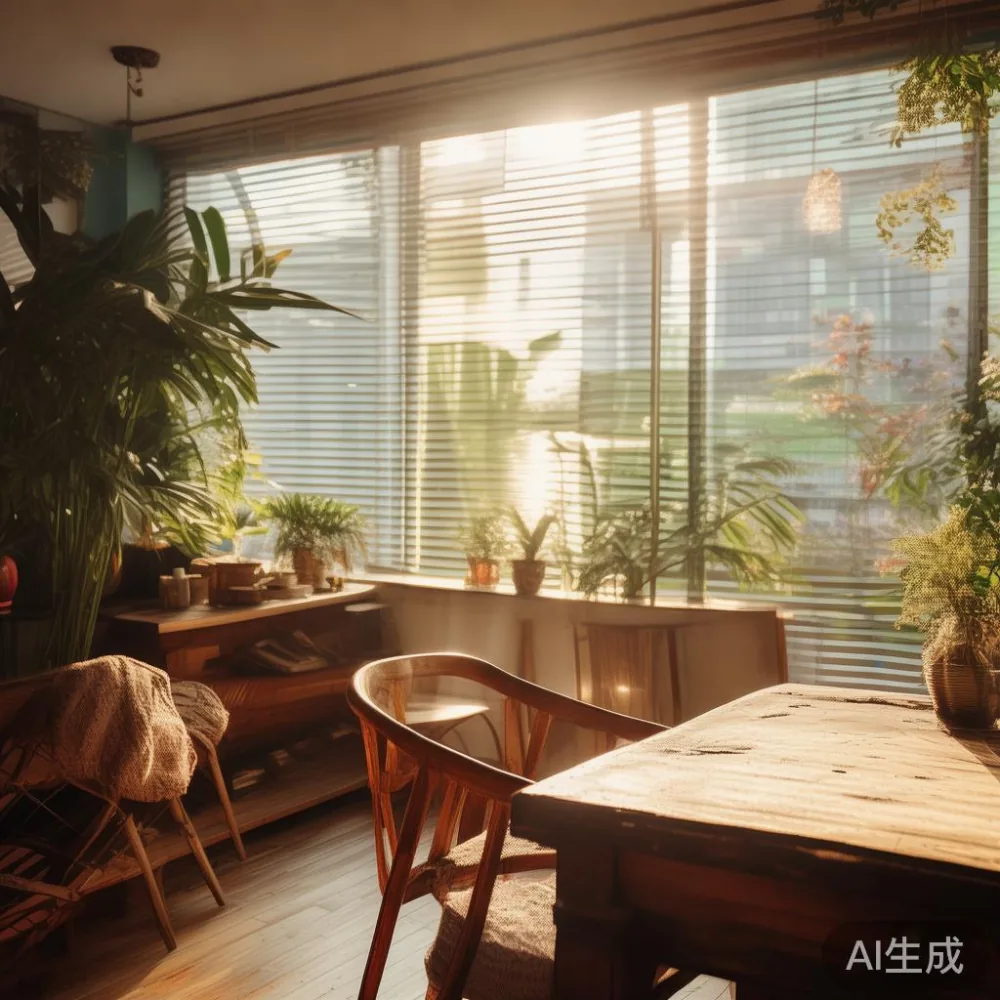
If you live in Singapore, Petaling Jaya, Jakarta, or anywhere across the equatorial belt, your furniture fights a war every single day. Morning humidity often runs 75-90%, afternoon thunderstorms push it higher, and your air-conditioner cycles on and off trying to keep up. Solid wood furniture responds to that with movement — expansion, contraction, cupping, and the occasional split. The good news: the right species, the right construction, and a few habits will keep a MIDHILL outdoor furniture piece, or any quality solid wood sofa frame, bed frame, dining table base, wardrobe carcase, or nightstand, looking right for decades.
What does "humidity damage" actually look like on a piece of solid wood furniture?
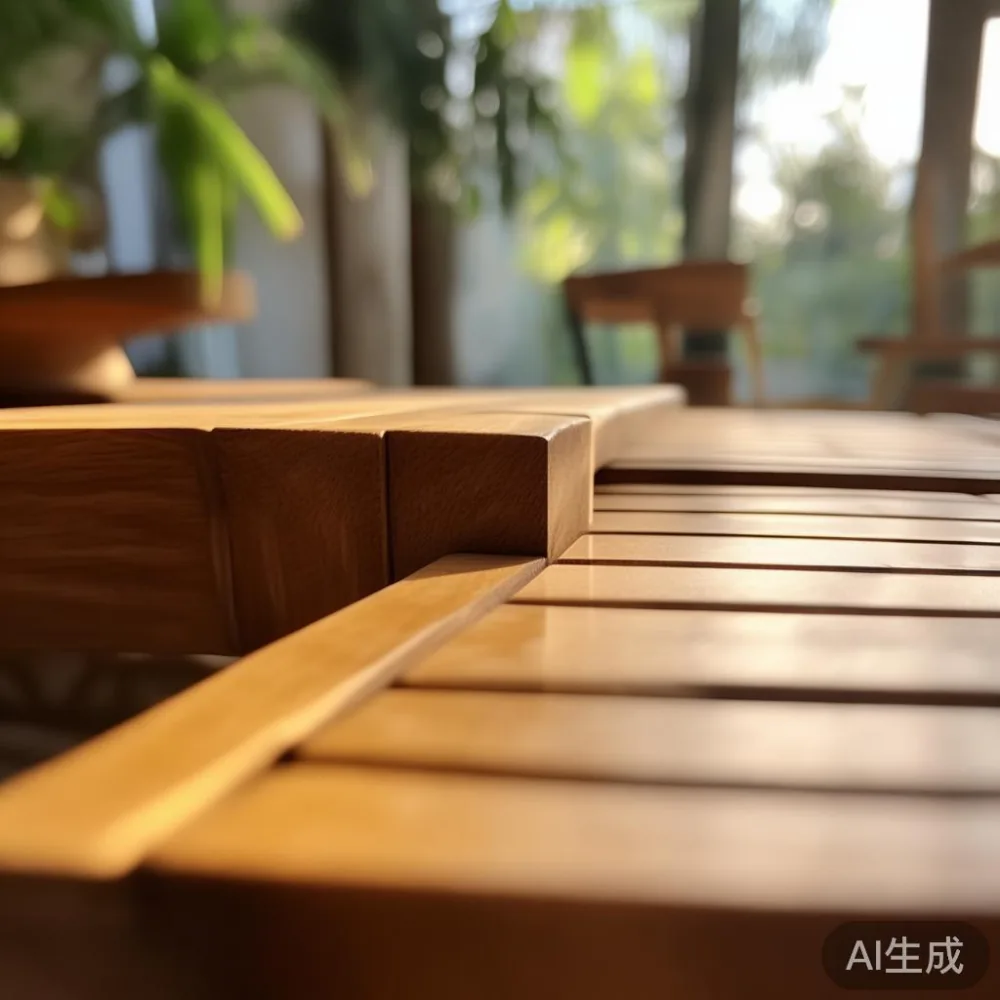
Humidity damage shows up as five predictable problems: cupping (boards curve across their width), crowning (the centre of a tabletop lifts while edges dip), gaps between planks in dry months, hairline splits at end-grain, and sticky drawers that swell shut in July. Outdoor furniture and indoor pieces show the same symptoms — the physics do not care where the chair sits. In Singapore, I have inspected a solid wood dining table in a Punggol condo where the leaves had bowed 4 mm by November; the same model in a Bedok HDB with constant 23°C air-conditioning stayed dead flat.
Why is Singapore's climate so hard on outdoor furniture and indoor wood pieces?
Singapore sits one degree north of the equator, with annual relative humidity averaging 79-84% and daily swings of 15-20 percentage points between a thunderstorm at 3 pm and an air-conditioned room at 11 pm. Wood is hygroscopic: it absorbs and releases moisture to stay in balance with surrounding air. Each 4% change in moisture content moves a 240 cm oak board roughly 1 mm in width. A typical Tampines HDB corridor is only 1.2 m wide, so when a delivery team has to wrestle a swollen 90 cm-wide dining table through a 90 cm lift door, the margin is zero. Width matters because wood moves roughly 15 times more across the grain than along it.
Which wood species actually survive Singapore's humidity?
Teak, white meranti, and Chengal are the regional workhorses because they are naturally oily and dense (650-750 kg/m³). Imported options like European oak and North American ash work too, as long as they are kiln-dried to 10-12% moisture content before construction. At MIDHILL's workshop I watched a moisture meter read 11.2% on a stack of ash boards bound for Singapore — that batch had spent six weeks in a dehumidified holding room. Cheap rubberwood (450 kg/m³) often arrives at 14-16% moisture and moves visibly within months. If you are buying a solid wood sofa, bed frame, or dining table for a Singapore home, ask the seller for the kiln-dry certificate and the species name in writing.
How do I choose a entryway furniture for a bedroom?
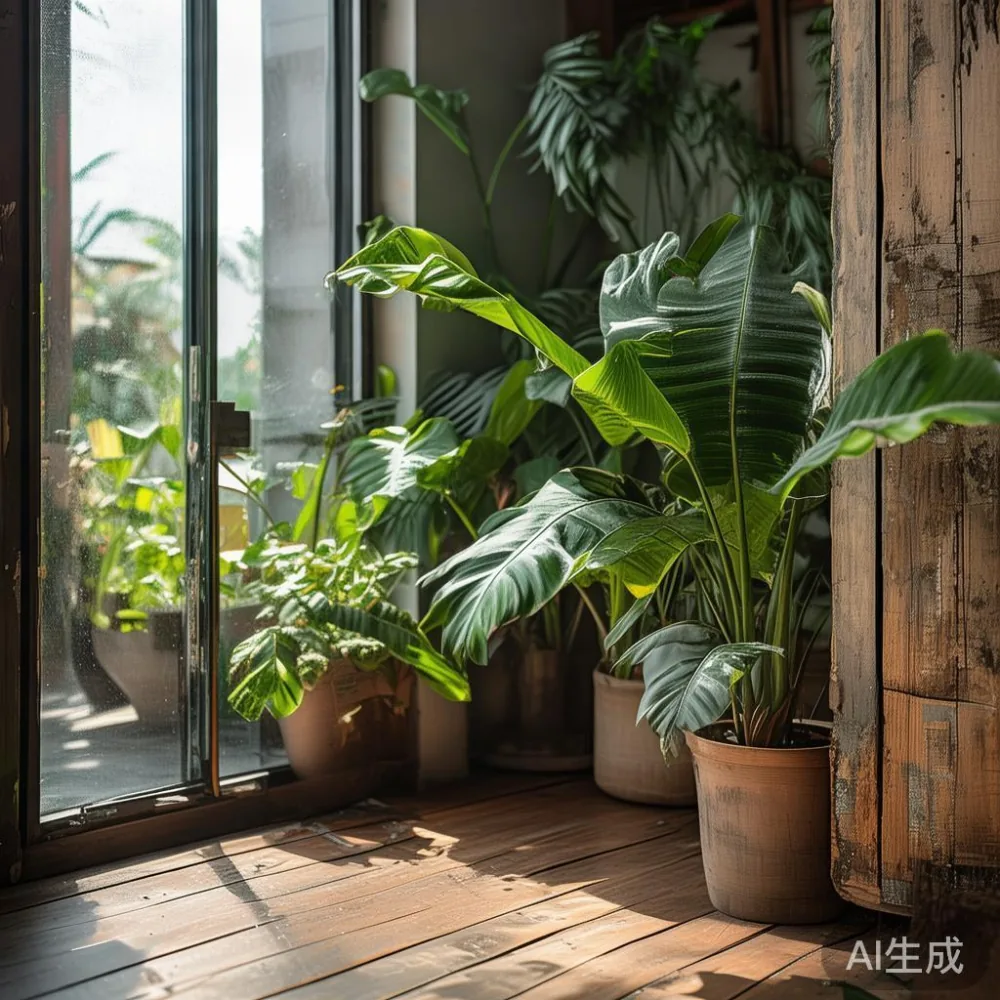
Choose an entryway piece for a bedroom by matching the wood species and moisture tolerance to your home's humidity range, then measuring your HDB corridor and lift opening before anything else. In a Singapore HDB, a lift door is typically 90 cm wide and a corridor between flats runs 1.1-1.3 m, so anything wider than 85 cm will need to come in flat-packed or be carried vertically. Pick a piece built from kiln-dried solid wood (10-12% moisture content), with mortise-and-tenon or dowelled joinery rather than staples, and finished on all six sides — including the underside and the back — so moisture cannot enter through raw faces.
What should you do in the first 30 days after delivery?
Day 1: let the piece acclimatise in its room for 48 hours before unwrapping, away from direct sunlight and at least 1 m from the air-conditioner. Day 3: open all packaging, but keep felt pads under every leg. Day 7: check that drawers slide and doors hang true — small adjustments are free at this stage. Day 14: apply a thin coat of hard wax oil or beeswax polish if the factory finish feels dry. Day 30: re-tighten any visible bolts; humid-season deliveries often arrive slightly under-torqued to allow for later swelling. A 1.8 m solid wood dining table from MIDHILL ships with a 10-year structural warranty precisely because the maker expects wood to move, and expects to be there when it does.
How does humidity affect outdoor furniture differently from indoor pieces?
Outdoor furniture takes the worst of both worlds: direct rain, UV exposure, and ground moisture from below, plus the same 80% ambient humidity. Teak survives because its natural oils repel water, but a marble table left outdoors will etch in acid rain, and any steel fasteners will rust within two wet seasons unless they are 316 marine-grade stainless. For covered patios and balconies in Singapore condos, a teak or Chengal piece with a removable cushion will outlast almost anything else. MIDHILL's outdoor furniture range uses the same kiln-dried teak as the indoor dining tables, with mortise-and-tenon joinery and stainless fixings — a construction detail I confirmed on a visit to the factory floor last March.
How much should a Singapore buyer budget for a quality solid wood piece?
Plan roughly SGD 1,400-2,400 for a 1.6-1.8 m solid ash or oak dining table that seats six, SGD 900-1,600 for a queen-size solid wood bed frame, SGD 1,200-2,000 for a 2 m wardrobe with solid wood carcase, and SGD 250-450 for a nightstand. A teak outdoor furniture set (four chairs plus a 1.5 m table) typically lands between SGD 2,200 and SGD 3,800. Prices include 9% GST for local delivery. Anything below those bands usually means rubberwood, plywood, or veneer — none of which handle Singapore humidity well.
What about delivery into Singapore HDBs and condos?
Delivery into a Singapore HDB is governed by three hard constraints: lift door width (about 90 cm), corridor width (1.1-1.3 m), and staircase turning radius if the lift is out of service. A queen-size bed frame at 160 cm wide simply will not fit through a HDB lift if it is assembled. Most quality sellers ship flat-packed with bolts and a hex key, plus written dimensions per carton. Expect delivery within 14-21 days from Foshan to a Singapore address, free above US$350 / roughly SGD 480. MIDHILL ships flat-packed to Singapore, Malaysia, and Indonesia weekly, and the team will pre-check your lift opening by WhatsApp before despatch.
Are there simple habits that prevent humidity damage?
Run a dehumidifier set to 55% relative humidity in any room with solid wood furniture; a 12-litre compressor unit costs SGD 220-280 and runs about SGD 6 of electricity a week. Keep furniture 15 cm away from external walls. Wipe spills within five minutes. Re-oil teak outdoor furniture twice a year with a marine-grade tung oil (SGD 28-40 per 500 ml). Never place a solid wood piece directly under a window that gets afternoon sun — the surface temperature can hit 48°C, baking moisture out faster than the underside can replace it. The number one habit, though, is patience: a 4-season table needs 12 months in your home before its movement pattern settles.
What about French light luxury and post-modern styles in humid climates?
French light luxury and post-modern light luxury pieces — think slim oak consoles, fluted wardrobes, travertine-topped nightstands — handle humidity well as long as the joinery is solid and the marble or travertine is sealed. I sat on a post-modern light luxury dining chair at a Dubai showroom last January, and the supplier confirmed the same construction pattern is used for a post-modern dining chair dubai export that lands in 18-22% moisture-content warehouses; the kiln-dry step is non-negotiable. A marble table top is fine indoors if sealed with a penetrating sealer every 18 months; outdoors, it is a poor choice because acid rain etches the polish.
When does humidity damage actually become a warranty claim?
A structural warranty covers joinery failure — a dowel that pulls out, a tenon that cracks, a leg that splits along the grain — but not seasonal movement. Hairline gaps in January that close in August are normal; a 3 mm permanent gap in August is not. A ten-year structural warranty (the kind MIDHILL offers on its solid wood sofa, bed frame, and dining table ranges) means the maker will repair or replace any joint that fails because of wood movement beyond seasonal norms, including labour and shipping back to Singapore. Lifetime refinishing, offered by a handful of makers, lets you sand and re-oil a tabletop after 15-20 years of use for a modest fee, usually SGD 180-320 per dining table.
What is the single best thing a Singapore buyer can do today?
Measure your lift door and your corridor before you fall in love with anything. Photograph the lift car interior and the corridor turn. Send those two photos to the seller. If the piece does not fit, no amount of kiln-drying or ten-year warranty will help you. If it does fit, buy the driest, heaviest, most responsibly joined solid wood you can afford — your Tampines, Bedok, or Punggol home will reward you for fifteen years or more.