Beyond the Surface: A 5-Year Cost Analysis of Veneer and Solid Wood Outdoor Furniture
In the humid climate of Singapore, where outdoor furniture faces constant exposure to sun, rain, and sea salt, the choice between veneer and solid wood is not merely an aesthetic one. It is a long-term financial decision that plays out over years of ownership. For residents in Tampines, Bedok, and Punggol, where HDB corridors and condo balconies are extensions of the living space, this furniture must withstand the elements while retaining its beauty. This article provides a detailed, numerical comparison of the true cost of ownership for veneer and solid wood outdoor furniture over a five-year period, factoring in purchase price, maintenance, repair, and replacement, all within the context of Singapore's 9% GST.
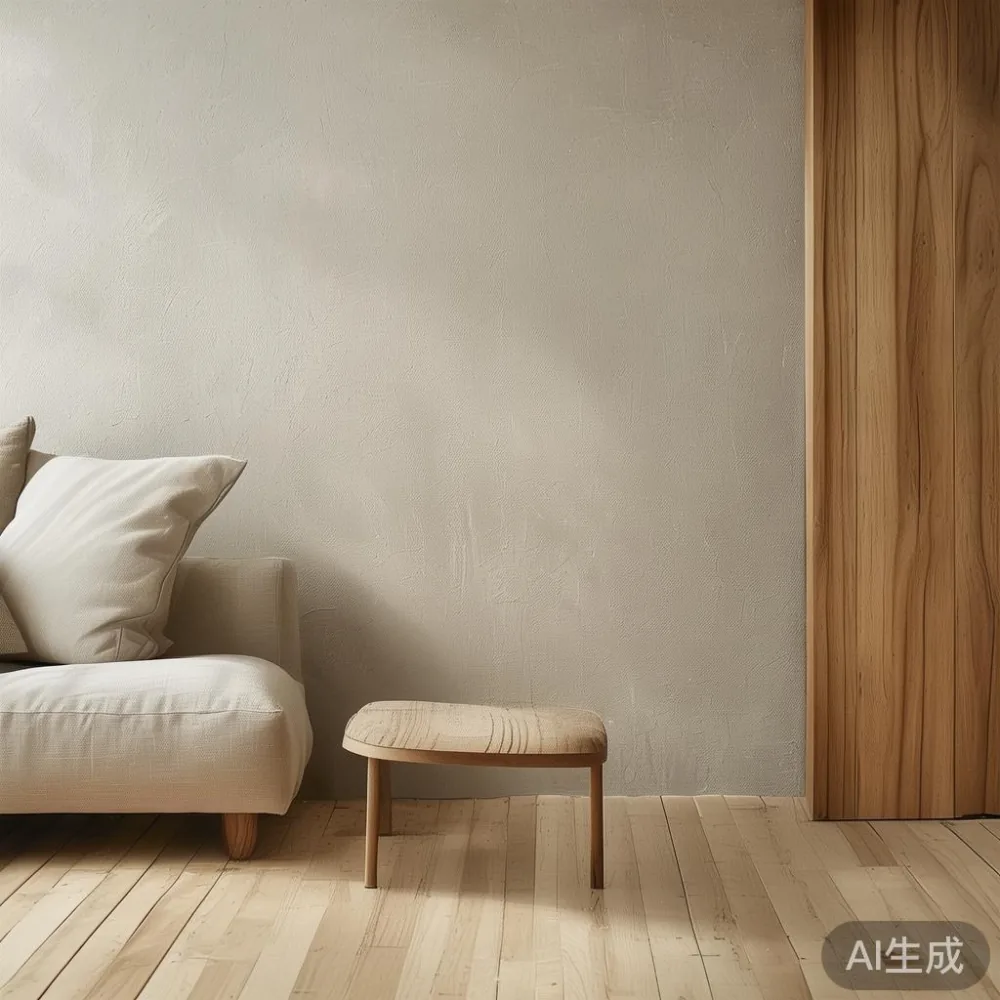
The Initial Investment: A Head-to-Head Price Comparison
The most obvious difference between veneer and solid wood outdoor furniture is the initial purchase price. To provide a concrete comparison, let's examine a popular configuration: a 3-seater sofa, a coffee table, and two side tables, all designed for outdoor use. We will use standard dimensions and weights typical for Singaporean living spaces.
A standard outdoor sofa set in solid wood, such as teak or acacia, will have dimensions of approximately 210 cm in length, 90 cm in depth, and 85 cm in height. The weight of such a set is substantial, often around 45 kg for the sofa and 25 kg for the coffee table. In Singapore, a solid wood outdoor sofa set of this quality can be found for a price of SGD 2,800 to SGD 3,500. This price reflects the natural durability of the wood and its suitability for the outdoors.
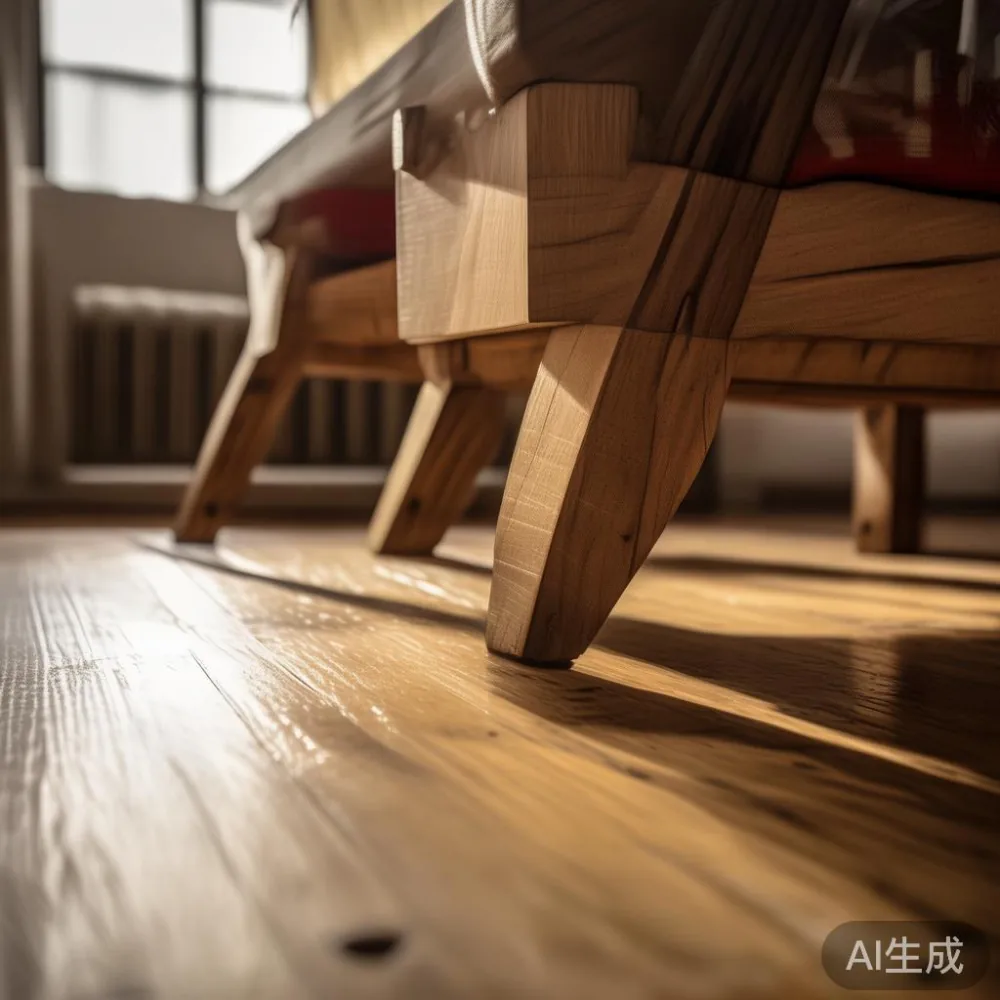
In contrast, a veneer outdoor sofa set, which typically uses a less expensive wood like rubberwood or a composite base with a thin layer of wood veneer, has similar dimensions but a significantly lower weight, around 30 kg for the sofa and 18 kg for the coffee table. The initial cost is considerably lower, often ranging from SGD 1,200 to SGD 1,800. This lower price point makes veneer an attractive option for those on a tighter budget or for those who do not plan to keep the furniture for an extended period.
For the purpose of this 5-year cost comparison, we will establish a baseline purchase price. The solid wood outdoor furniture set will be priced at SGD 3,200. The comparable veneer set will be priced at SGD 1,500. Both prices are inclusive of Singapore's 9% Goods and Services Tax (GST), which is a standard component of all furniture purchases in the country.
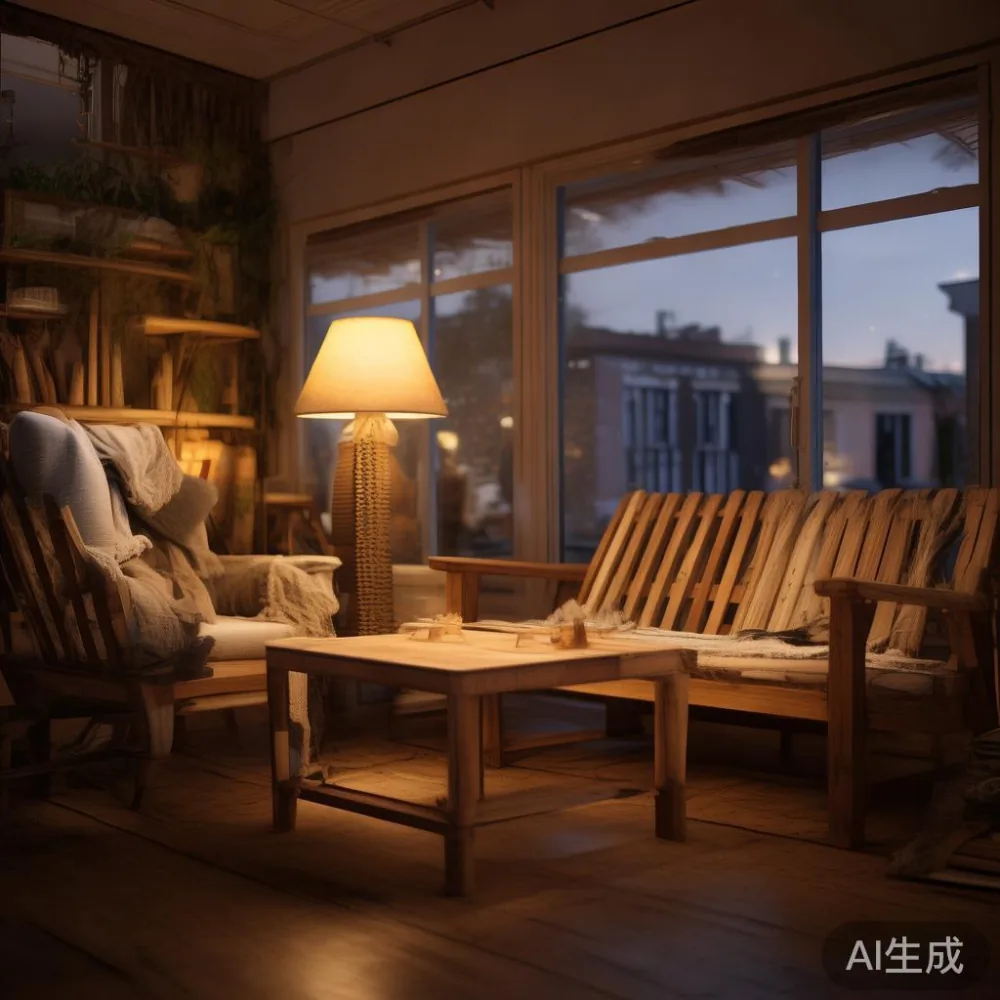
The Five-Year Maintenance Reality: Cost and Effort
The initial purchase price is only the beginning of the financial story. Over five years, maintenance costs can significantly impact the total cost of ownership. This is where the difference between veneer and solid wood becomes starkly apparent, especially in an outdoor setting.
Solid wood outdoor furniture is designed to be maintained. The natural oils in woods like teak and acacia provide a degree of weather resistance, but proper care is required to maintain its appearance and structural integrity. This typically involves an annual application of a protective oil or sealant. A 500ml bottle of high-quality teak oil costs approximately SGD 45. For a complete set, one bottle is usually sufficient for a single annual application. Over five years, this amounts to a maintenance cost of SGD 225. This process is not just a cost; it is an annual ritual that protects the investment.
Veneer outdoor furniture, on the other hand, presents a different maintenance challenge. The thin wood layer is prone to peeling, cracking, and fading when exposed to Singapore's intense UV radiation and high humidity. While some owners might try to apply a sealant, it is often ineffective and can sometimes accelerate the delamination process. The primary maintenance for veneer is often cosmetic cleaning. A mild wood cleaner might cost SGD 25 per bottle, used occasionally, but this does not address the core structural weakness. The real maintenance cost for veneer is not in products, but in the time spent worrying about its condition and the eventual need for repairs or replacement.
Last month, I visited a colleague's condo in Punggol. He had purchased a veneer outdoor dining set three years ago. The tabletop, which was a thin layer of oak over a particleboard base, had started to warp and the veneer was peeling at the edges from water ingress during the rainy season. He showed me how he had tried to repair it with wood glue, but the damage was already done. His experience highlighted that veneer maintenance is often a losing battle against the elements, whereas my solid wood set, which I've been oiling annually, still looks as good as new.
Repair and Replacement Costs: When Things Go Wrong
By year five, the financial divergence between the two materials often becomes a chasm. Solid wood is repairable. Veneer is often disposable. This is a critical distinction for homeowners who value longevity.
Let's consider a common scenario: a deep scratch or a small crack in a tabletop. For a solid wood outdoor dining table, this can be professionally repaired. A furniture repair specialist in Singapore might charge SGD 80 to SGD 150 to sand, fill, and re-finish a damaged area on a solid wood surface. The repair restores the structural integrity and appearance. If a leg on a solid wood nightstand were to break, a skilled carpenter could fashion a replacement from the same wood, costing perhaps SGD 200 for the part and labour. The furniture is given a new lease on life.
The situation with veneer is far more dire. If the protective veneer layer peels or chips, it cannot be effectively repaired. Attempting to sand and re-finish it will almost certainly sand through the thin layer, exposing the cheap composite or MDF substrate underneath. The result is irreversible damage. The only solution is replacement.
In our 5-year scenario, let's assume that by the end of the fifth year, the veneer outdoor furniture set has reached a point where it is no longer presentable or structurally sound. The coffee table top is bubbled, and the side tables have significant veneer loss. The cost to replace this entire set would be another SGD 1,500 (plus 9% GST). The solid wood set, however, has been repaired once for a minor scratch at a cost of SGD 100 and continues to be fully functional and aesthetically pleasing after its annual oiling.
What is the difference between an American country dressing table and modern furniture?
The fundamental difference lies in their design philosophy and material composition. An American country dressing table is characterized by its rustic, handcrafted aesthetic, often featuring solid wood construction, visible joinery, and a distressed or painted finish, aiming for a warm, lived-in feel. Modern furniture, in contrast, prioritizes clean lines, minimal ornamentation, and the use of new materials, creating a sleek and uncluttered look.
This difference extends to outdoor furniture. While a modern outdoor table might use tempered glass or powder-coated metal, a solid wood outdoor table embodies the timeless, natural qualities of the American country style. It is not just a piece of furniture but a statement of natural, enduring quality. A marble table, for example, is a staple of modern and post-modern light luxury design, prized for its cool, sleek surface, but it lacks the warmth and repairability of solid wood. The choice between these styles is a choice between a fleeting trend and a lasting tradition.
Total Cost of Ownership Over Five Years: The Numbers Don't Lie
Let's consolidate all the costs over a five-year period to see the true financial picture. We will calculate the total expenditure for both the solid wood and veneer options, including the initial purchase, maintenance, and any repair or replacement costs.
Solid Wood Outdoor Furniture:
- Initial Purchase: SGD 3,200
- Annual Maintenance (5 years x SGD 45): SGD 225
- Minor Repair (Year 3): SGD 100
- Total Cost (5 Years): SGD 3,525
Veneer Outdoor Furniture:
- Initial Purchase: SGD 1,500
- Maintenance Cleaning (negligible): SGD 0
- Full Replacement (Year 5): SGD 1,500
- Total Cost (5 Years): SGD 3,000
At first glance, the veneer option appears to be slightly cheaper over five years (SGD 3,000 vs. SGD 3,525). However, this calculation misses a important factor: the value of the asset at the end of five years. The solid wood outdoor furniture set is still a high-quality, fully functional asset. It has a remaining useful life of many years, potentially decades. Its value has depreciated, but it is still a valuable possession.
The veneer set, after five years, is a pile of damaged, non-repairable components. It has zero residual value. If we were to assign a conservative value to the solid wood set at the five-year mark—perhaps 40% of its original cost—it would be worth approximately SGD 1,280. Factoring this in, the net cost of the solid wood option is SGD 3,525 - SGD 1,280 = SGD 2,245. This makes it significantly cheaper than the veneer option when considering the entire lifecycle of the product.
French Color Mismatch Malaysia and the Perils of Online Veneer Purchases
The allure of low prices can sometimes lead consumers to explore international online marketplaces, where the risks are amplified. A common pitfall highlighted by many consumers in the region is the issue of color and quality inconsistency. The phrase "French color mismatch malaysia" has become a shorthand for the disappointment of ordering furniture online, only to receive a product that looks nothing like the advertised image. This is a risk particularly associated with veneer products, where the thin layer of wood can vary greatly in grain and tone from one piece to another.
For a resident in a Singaporean HDB flat, where lift widths are often narrow and corridors are tight, receiving a large piece of furniture that is damaged or incorrect is a logistical nightmare. The return process can be complex, involving customs, international shipping, and restocking fees that can negate any initial savings. This is where the reliability of a local, established manufacturer like MIDHILL, with a proven track record since 2008, becomes a significant advantage. Their commitment to quality control and a 10-year structural warranty provides a level of assurance that online, low-cost veneer sellers simply cannot match.
The choice for outdoor furniture is more than just a financial calculation; it is a choice of peace of mind. Knowing that your investment is protected by a comprehensive warranty and that the company stands behind its product for a decade is an invaluable benefit that extends far beyond the initial price tag. It is the difference between a disposable purchase and a lasting addition to your home.