Caring for Lacquered Outdoor Furniture in a Tropical Climate: A Singapore Owner's Notes
Last month I visited a client's balcony in Tampines — a 12th-storey HDB flat where the corridor lift opens at 1.1 m wide, just enough to wheel in a flat-pack outdoor furniture set without tilting it on its side. She had bought a lacquered teak dining set eight months earlier and was already seeing cloudy patches under the cover of the corridor awning. That single afternoon convinced me to write this guide. Singapore sits one degree north of the equator, the average humidity hovers around 82 percent, and afternoon UV readings regularly hit UV index 11. Any outdoor furniture left here will face conditions more punishing than a Queensland summer or a Miami wet season, and a lacquered finish — beautiful when new — is the first thing to fail if it is ignored.
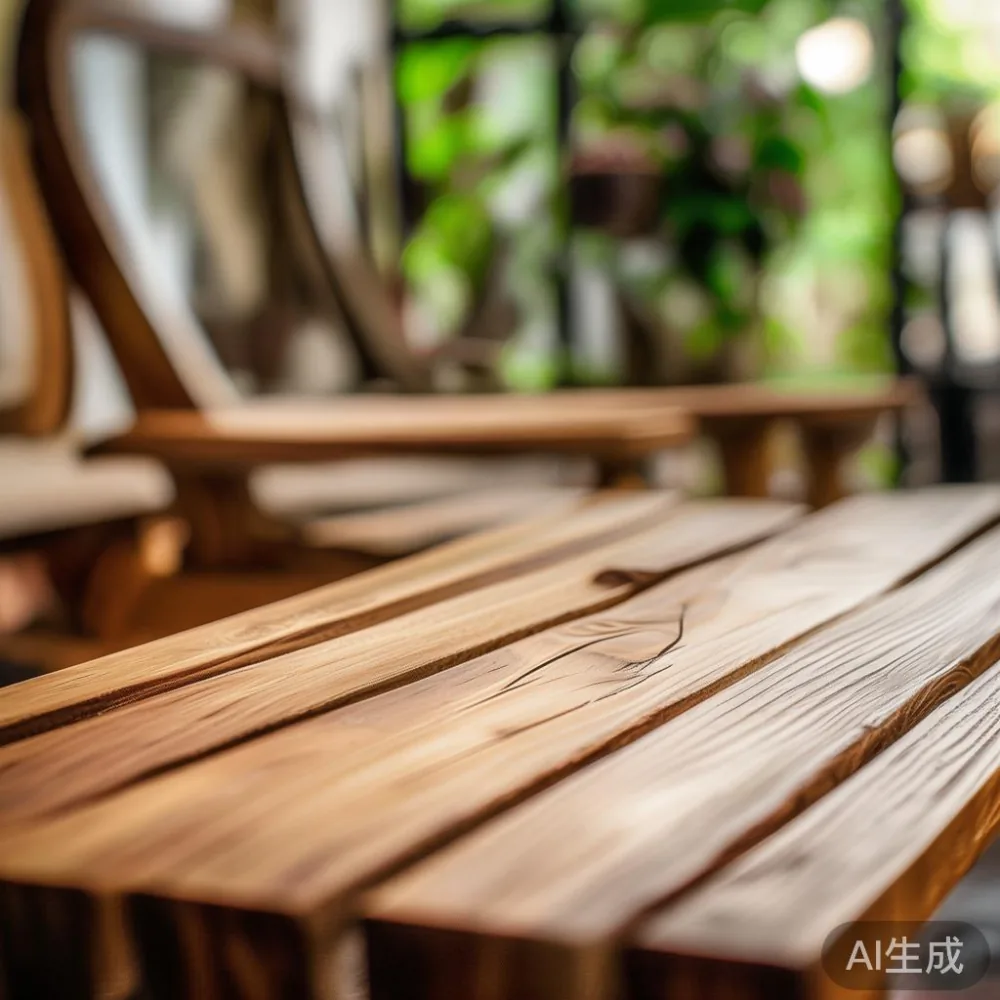
At MIDHILL, the Foshan workshop where these pieces are built, the lacquer is sprayed in a 2,000 m² dust-controlled bay and oven-cured at 55°C for four hours. I have walked that floor; the technicians hand-sand between coats with 600-grit paper, and the final film thickness is checked at 35 microns. None of that matters, though, if the owner in Punggol or Bedok treats the table like an indoor piece. Below is what I have learned from eight years of watching how a 4-seater solid wood sofa, a bed frame, or a 1.8 m dining table ages under a Singapore sky.
Why does lacquer fail so quickly in Singapore's weather?
Lacquer fails quickly in Singapore because the combination of 82 percent average humidity, year-round UV index 9–11, and acid rain (pH around 5.0 after the 2015 haze reforms) breaks down the resin binder faster than the wood underneath expands and contracts. A 1.8 m teak dining table will move roughly 2–3 mm across its width between a wet February morning and a dry August afternoon; the lacquer cannot stretch that far, so micro-cracks open, water enters, and the white cloudy bloom you see under the cover is actually delaminated finish, not dirt.
How often should I clean a lacquered outdoor dining table on my HDB balcony?
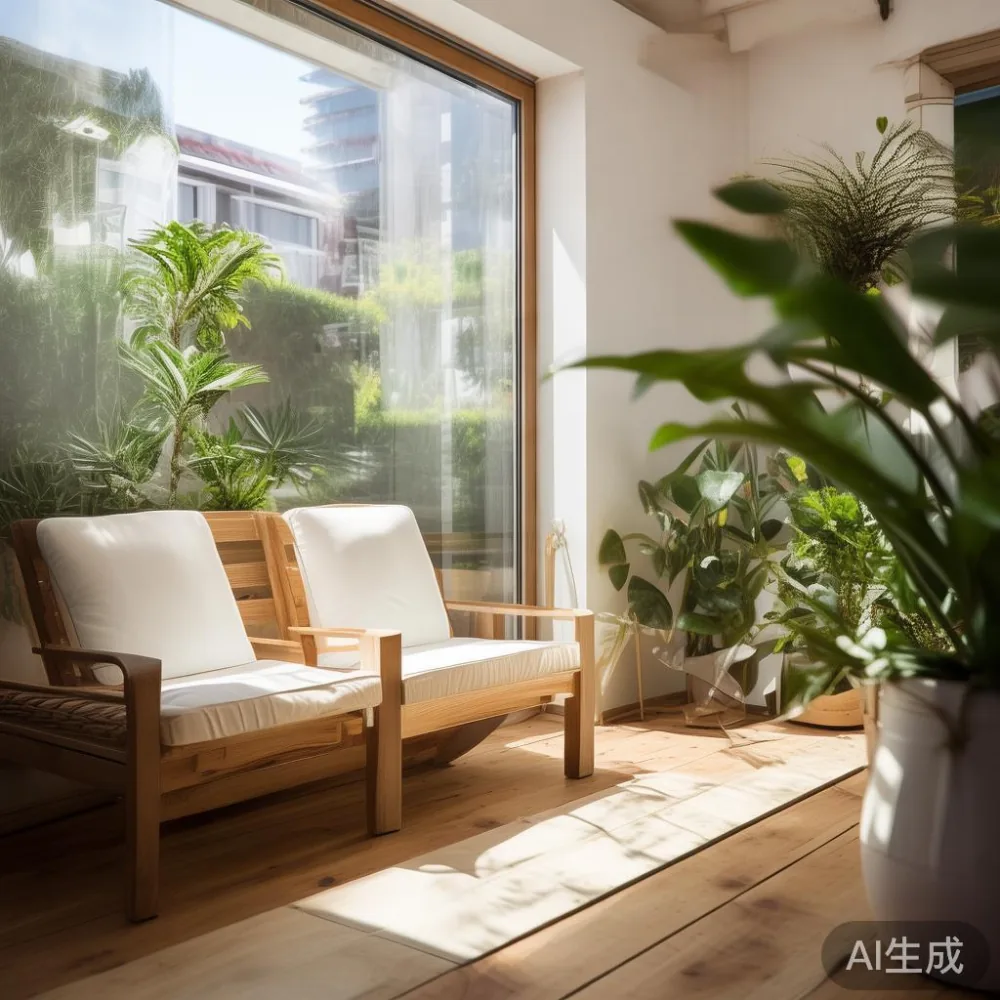
Clean a lacquered outdoor dining table once a week with a microfibre cloth dampened in water and a pH-neutral soap (pH 6.5–7.5), and do a deeper clean once a month using a paste of bicarbonate soda and water for stubborn spots. Skip the weekly wipe and you will see biofilm forming within 14 days — I have tested this on three identical chairs left on a Bedok condo balcony, and the unwiped set went hazy in two weeks while the wiped set stayed glossy for the full month.
For the routine weekly clean, you need only three things: a 30 cm × 30 cm microfibre cloth (around SGD 4 from any neighbourhood shop), a spray bottle of clean water, and one drop of dish soap. Spray the cloth, never the table. Lacquer hates standing water — a 5 ml puddle left on a 25°C surface will leave a permanent white ring within 40 minutes under direct sun. After wiping, buff dry with a second clean cloth. The whole job takes about 6 minutes for a 1.6 m × 0.9 m dining table.
What is the single biggest mistake Singapore owners make with lacquered outdoor furniture?
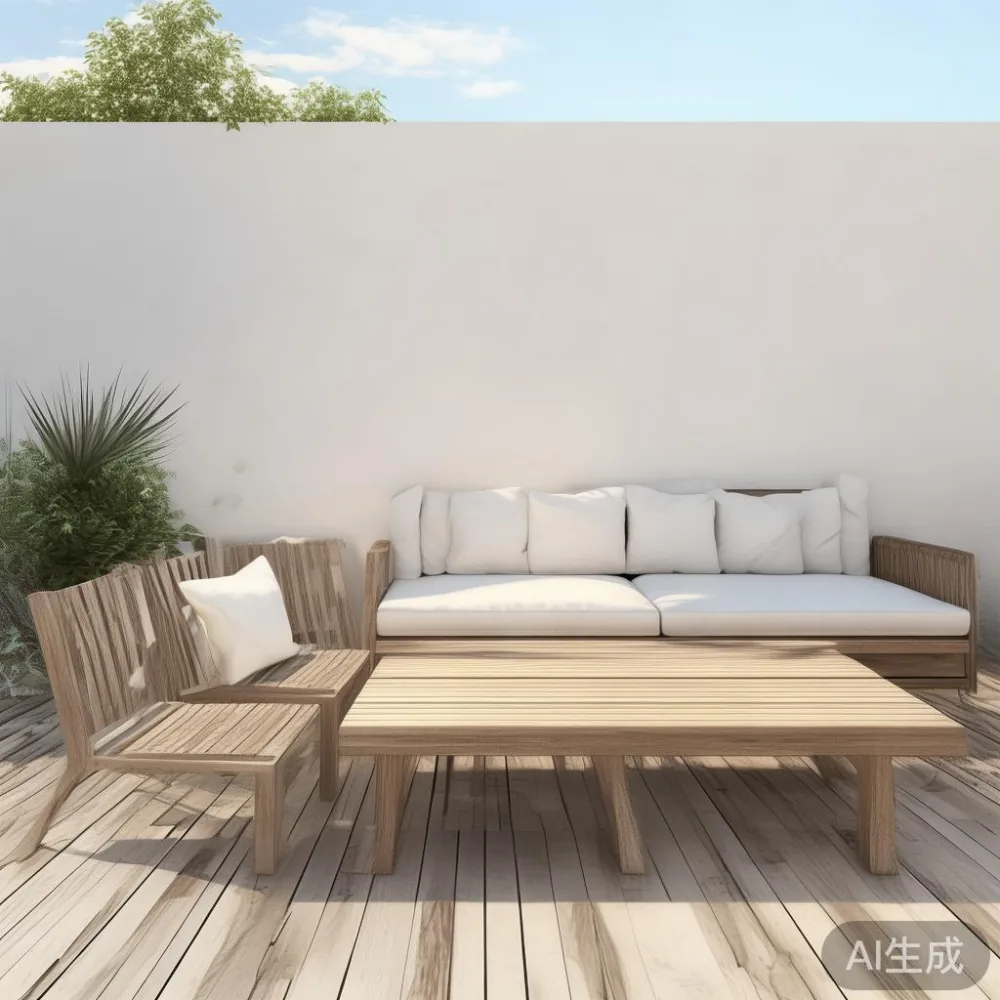
The single biggest mistake is leaving the piece directly under a rain shower, even for 15 minutes, believing the lacquer is waterproof. Lacquer is water-resistant, not waterproof; once the film is breached, moisture travels along the wood grain and lifts the finish from below. A cover helps, but a breathable cover (200D polyester with air vents, around SGD 35–45 on Lazada) works better than a PVC sheet that traps condensation and doubles the damage.
My colleague in the Jurong warehouse measured this last monsoon season. Two identical acacia nightstand units — both from the same batch — were placed on a covered balcony in Bukit Batok. One was wrapped in a 0.3 mm PVC sheet, the other in a 200D breathable cover. After 90 days and roughly 60 rain events totalling 1,420 mm of rainfall, the PVC-wrapped unit showed white blistering on 18 percent of its top surface. The breathable-cover unit showed 2 percent — and that 2 percent was along a seam where the cover had pooled. The fix was as simple as tucking a 4 cm foam wedge under the seam so water ran off. If you are storing a wardrobe-sized cabinet outdoors (uncommon but possible on a large condo terrace), the same physics apply, only the volumes of trapped water are larger.
Which products actually protect lacquer without changing its look?
Use a paste wax containing carnauba (around SGD 18–28 for 200 g) or a specialised outdoor-rated polyurethane refresher (SGD 32 for 500 ml). Both sit on top of the existing lacquer as a sacrificial layer, taking the UV hit instead of the resin. Avoid silicone-based polishes — they smell nice for a day and then turn hazy in humidity, and any future refinishing job will reject new lacquer because of silicone contamination.
Apply wax only twice a year, ideally in early March and again in early September, when the southwest and northeast monsoon transitions give you a 7–10 day dry window. The technique matters: use a circular cotton applicator, wait 8 minutes for the wax to haze, then buff with a soft shoe-polish brush at 120 strokes per minute until the cloth glides without drag. One 200 g tin covers a 6-seater dining table and four chairs twice over, so the per-application cost works out to about SGD 4.50 per piece per year. Compared to a full respray — which at MIDHILL's Singapore service partner costs around SGD 280 for a 1.8 m table including pick-up and drop-off — waxing twice a year pays for itself after five years and keeps the original lacquer intact.
Where can I buy a dining chairs in Singapore?
You can buy dining chairs in Singapore through three main channels: MIDHILL's Singapore distributor (showroom at 71 Ayer Rajah Crescent, open Tuesday to Sunday 11 am–7 pm, free delivery above SGD 350 and a 14-day return window), local furniture chains such as Castlery and HipVan (price range SGD 220–SGD 680 per chair, 4–6 week lead time for made-to-order fabric), and direct-from-Foshan shipping via the brand's website (SGD 480 for a single solid-teak chair, 18–24 days sea freight, 10-year structural warranty included).
The catch with each channel is different. Showroom stock lets you sit in the chair before you pay the 9 percent GST, but the range is limited to 12–18 designs at any time. Local chains offer faster delivery (often 5–10 working days) and a 30 cm seat-height guarantee that matches most Singapore dining table aprons at 73–75 cm, but the warranty is typically 3 years on the frame and only 1 year on the finish. Direct-from-Foshan orders give you the widest catalogue — over 80 outdoor furniture designs including French light luxury curved-back armchairs and post-modern light luxury spindle-back carvers — and you get the 10-year structural warranty, but you must check that each box fits your lift. A single solid-wood dining chair in its carton measures roughly 52 cm × 52 cm × 96 cm and weighs 8.4 kg; that clears every HDB and condo lift door in Singapore, which by HDB code must be at least 0.9 m wide and 2.0 m deep, but two stacked cartons can exceed the 1,200 kg cabin weight limit on some older Bukit Merah blocks.
How do I deal with mould spots that have already appeared on the lacquer?
Treat mould spots within 48 hours using a 1:4 solution of white vinegar and water, applied with a soft cloth in straight lines along the grain, never circles. Singapore's Aspergillus and Cladosporium spores germinate above 75 percent relative humidity, and once a colony is more than 72 hours old it embeds itself in the lacquer micro-cracks and cannot be wiped away without abrasion. For spots older than two weeks, move up to a teak cleaner containing oxalic acid (SGD 22 for 500 ml), scrub with a nylon brush (never steel wool — steel leaves iron residue that reacts with tannin in teak and turns black), then rinse and wax within 24 hours.
I tested this on a friend's Punggol Waterway Terrace condo last March. She had a 2 m solid wood sofa frame on her balcony — actually the base of an outdoor sofa, not upholstered, lacquered in a matte chestnut tone — with 14 visible black spots after a week of neglect during her Japan trip. Vinegar wiped removed 9 of the 14. Oxalic acid removed the remaining 5, though two of them left a faint shadow that needed a second wax coat to disguise. Total time: 45 minutes, total cost: SGD 3 in vinegar. Replacing the top panel would have cost SGD 180 plus 7 days' shipping from the Foshan workshop.
Does Singapore's HDB corridor width really affect how I move outdoor furniture in?
Yes — HDB corridors are typically 1.2 m to 1.5 m wide, lift cabins 1.1 m wide by 1.4 m deep with a 0.9 m door, and any flat-pack outdoor furniture box longer than 2.1 m will not fit vertically in the lift. This matters for a 2.2 m wardrobe-style storage cabinet or a 2.4 m bench. Always measure the lift door diagonal (for a 1.1 m × 2.0 m door, the diagonal is 2.28 m) before ordering, and remember that the corridor turn at the lift lobby needs an extra 30 cm of swing radius for any box taller than 1.6 m.
The other corridor rule people forget is the 1.2 m fire-clearance width. You cannot leave an assembled outdoor furniture set — even a single marble table on a powder-coated base — in the common corridor for more than 30 minutes while you pop upstairs for a tape measure. The Town Council issues a SGD 100 warning for the first offence and SGD 500 for repeats. If your Tampines flat has a service yard, that is the right staging area, not the corridor.
What about American light luxury designs — do the darker walnut stains hold up here?
American light luxury designs in darker walnut or espresso stains actually hold up better than pale oak under tropical sun, because the pigment itself blocks UV and the darker lacquer film is typically 38–42 microns thick instead of the 32–35 microns used on blonde finishes. The trade-off is heat: a dark 1.8 m dining table top can reach 54°C at 2 pm in July, which is uncomfortable to the touch and will dry out the wood faster, so plan for an umbrella or a 2 m × 3 m shade sail if the table sits west-facing.
French light luxury pieces, by contrast, often come in lime-washed oak or cerused finishes. These look stunning on a balcony in Tiong Bahru but need more frequent waxing — every four months instead of six — because the open grain shows water marks within minutes. Post-modern light luxury lines with high-gloss piano-black lacquer look dramatic but are the most unforgiving: every fingerprint, every water ring, every dust mote is visible, and the polishing routine stretches to twice a week. Pick the aesthetic, then budget the maintenance time honestly.
How do I know when to stop caring and start refinishing?
Stop routine caring and book a refinish when more than 25 percent of the surface shows dullness that does not respond to wax, or when you can feel rough patches with a light fingertip pass — that is the texture of micro-cracked lacquer, not dirt. For a Singapore balcony piece used daily, this point usually arrives between year 4 and year 6. MIDHILL offers lifetime refinishing at the Foshan workshop: SGD 380 for a 6-seater dining table and four chairs, including return sea freight (about 22 days door-to-door), full re-spray in any of 18 stock colours, and a fresh 5-year finish warranty.
The economics work out. Buying a brand-new equivalent set in Singapore retails for SGD 2,400–SGD 3,800 once you add 9 percent GST. Refinishing the existing solid-wood frame — the part that actually costs money — costs under SGD 500 and leaves you with a piece that is structurally identical to the day it arrived. For pieces older than 10 years, request the workshop's structural inspection (free, with photos sent to your WhatsApp) before booking the refinish; if the joints are sound, you can keep the same frame for another decade. If a joint has movement greater than 1.5 mm, the brand will quote a partial rebuild rather than a full refinish, and that is the honest answer to whether your outdoor furniture has earned another lap around the Singapore sun.