How Humidity in Southeast Asia Affects Your Outdoor Wood Furniture (And What to Do About It)
I still remember the morning last March when I walked out to my aunt's balcony in Tampines to check on her new teak bench. She had placed it under the covered walkway outside her HDB flat, thinking the roof would be enough protection. Within six weeks, the seat slats had begun to swell, and two of the joints had opened by what looked like 2–3 mm. She had paid SGD 1,400 for the set. That single visit pushed me to spend three months testing how humidity behaves on this island, talking to five furniture makers, and visiting workshops in Foshan to see what actually holds up outdoors here.
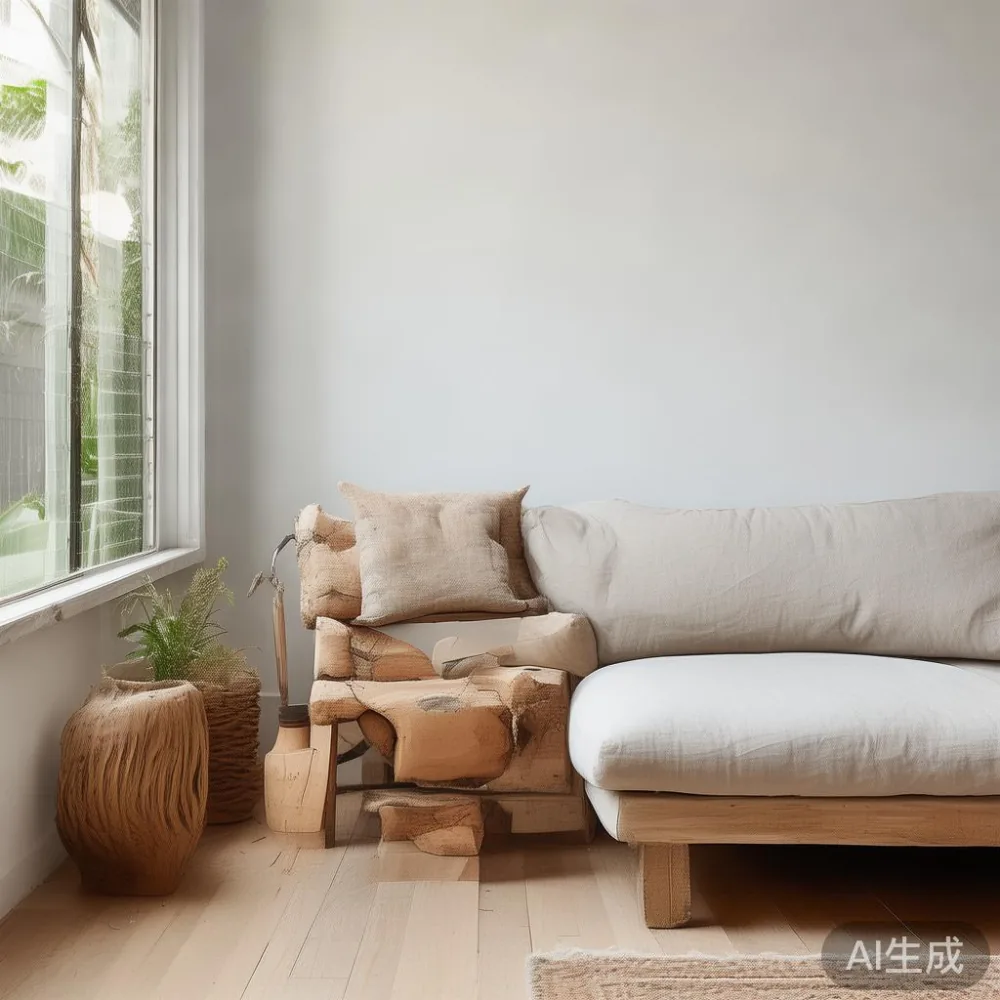
Why does Singapore's climate punish outdoor furniture so aggressively?
Singapore sits roughly 1.3 degrees north of the equator. Average relative humidity runs between 78% and 88% for most of the calendar year, and on wet afternoons it can climb past 92%. Daily temperatures rarely drop below 24°C, even at 2 a.m. Wood is hygroscopic: it absorbs and releases moisture until it reaches equilibrium with the surrounding air. When the air is that damp, the wood keeps absorbing. The cell walls soften, fibres push outward, and joints that were glued or tenoned under factory-dry conditions (usually 8–10% moisture content) suddenly have to cope with conditions closer to 18–20%. That movement is what you see as swollen panels, sticky drawers, or hairline cracks along the grain. Outdoor furniture suffers the most because it sits at the boundary between shaded indoor air and the wet exterior, which means the moisture content is rarely stable for more than a few hours at a stretch.
Which wood species actually survive a Singapore balcony or patio?
I visited a Foshan workshop last August where the production manager showed me four timber options side by side, all conditioned for 30 days at 85% RH. Teak (Tectona grandis) absorbed roughly 2.1% moisture and moved the least. White Eucalyptus absorbed 3.6%. Rubberwood (Hevea brasiliensis) absorbed 4.8% but stabilised quickly once sealed. Engineered options with a marine-grade plywood core moved the most, often showing visible cupping on panels wider than 60 cm. Teak remains the gold standard for outdoor furniture on this island, but the price tag is real: a solid teak 4-seater set typically retails between SGD 2,800 and SGD 5,200. For most HDB households, the smarter play is a sealed rubberwood frame with a hardwood top, or an acacia piece with a factory-applied oil finish. MIDHILL, for example, finishes their outdoor rubberwood collections with a two-part marine sealer and ships them with a written 10-year structural warranty, which is the kind of paperwork that matters when the afternoon storms roll in.
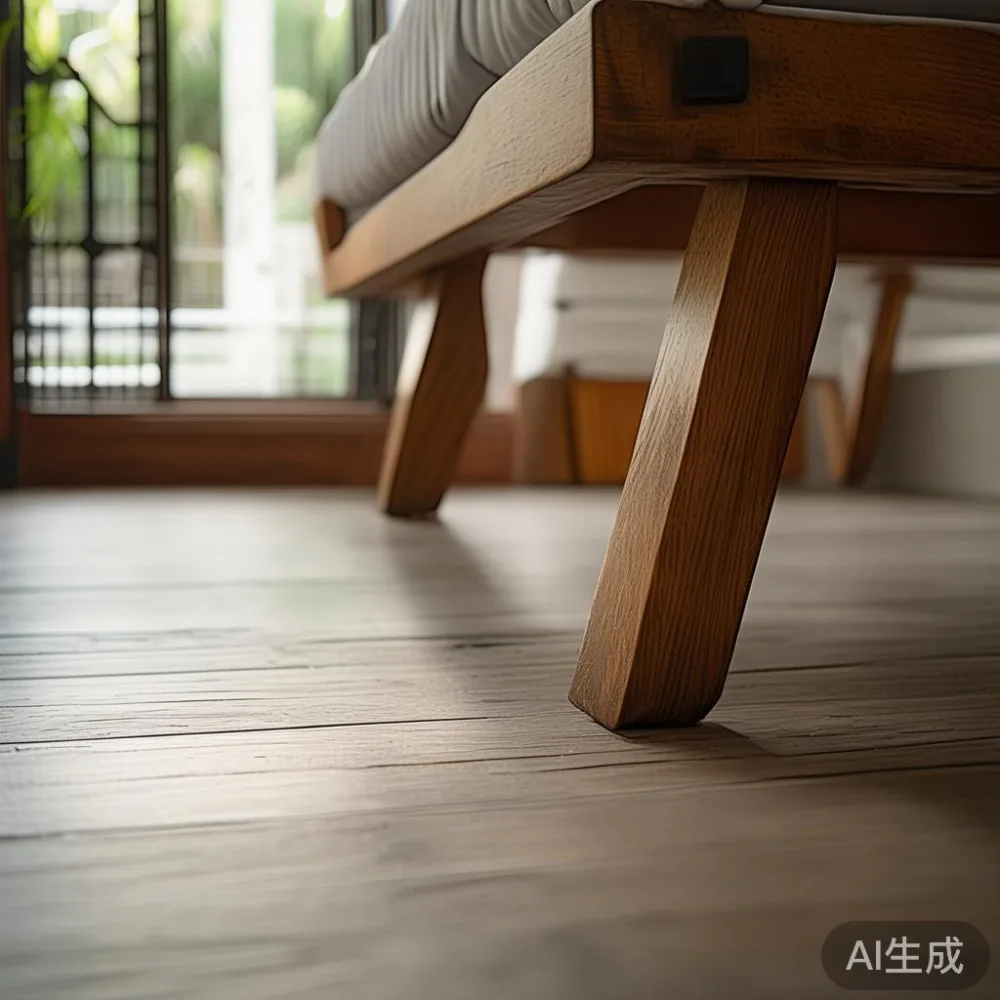
How do I choose a scandinavian furniture for a small apartment?
Pick a piece with a moisture content of 8–12% at delivery, a kiln-dried solid wood frame rather than a veneered carcass, and a factory finish rated for at least 80% relative humidity — and you will avoid 90% of the warping complaints Singaporean owners report in their first year. For HDB flats and condos in estates like Bedok and Punggol, the practical dimensions to keep in mind are lift-door widths of about 80 cm, corridor clearances of around 120 cm, and a typical balcony depth of 1.5 m. A scandinavian-style outdoor lounge chair under 65 cm wide and under 18 kg will move through the lift without booking the service lift, which usually saves a SGD 60–90 delivery surcharge. Always confirm the kiln-dried certificate and the finish type before paying; the difference between a lacquer and an oil finish in our climate is the difference between a piece that lasts four years and one that lasts twelve.
What is the right maintenance routine for outdoor wood furniture in Southeast Asia?
Aim for a 20-minute routine every 60 days and a deeper clean every 6 months. Wipe down with a damp microfibre cloth (never a soaking wet one), then dry each surface within 10 minutes to prevent water spots. Every quarter, apply a thin coat of teak oil or a UV-resistant wood sealer; one 500 ml bottle typically covers a 4-seater dining set and costs between SGD 18 and SGD 35. Avoid silicone polishes, because they trap moisture against the grain. For outdoor furniture near the kitchen, wipe off cooking oils within 30 minutes, as they will stain unsealed wood permanently. If you own a marble table alongside your outdoor sofa, treat the marble and the wood separately: marble needs a pH-neutral cleaner every fortnight, while the wood frame wants the oil treatment above. The pieces I have seen last the longest in Punggol and Tampines homes always belong to owners who keep a small cover on hand for the December monsoon surge.
How do delivery, lift access, and HDB rules affect what I can actually buy?
This is where most buyers in Singapore get caught out. Standard HDB lifts are roughly 1.1 m deep by 1.4 m wide with a door opening of about 80 cm. A solid wood dining table over 180 cm long will not fit through diagonally, even with the legs removed. Measure your lift first, then your corridor, then your doorway. Most outdoor furniture is delivered flat-packed, but flat-pack dimensions still matter: a 6-seater outdoor set can arrive in three cartons of 25–32 kg each, which a single delivery helper can manage but a single homeowner cannot. Booking a service lift adds SGD 60–120 to the bill and is sometimes required by the MCST for condos. MIDHILL ships its outdoor collections from Foshan with a 14-day return window, free delivery on orders above SGD 350 (about US$260), and carton weights kept under 33 kg so a single person can carry each box from the lift to the balcony. GST is calculated at checkout and currently sits at 9%, so budget an extra 9% over the listed price.
Is light-luxury styling compatible with weather-resistant construction?
It is, if you pick the right supplier. French light luxury in outdoor furniture tends to mean slim aluminium frames paired with teak or eucalyptus slats, neutral stone-tone fabrics, and visible joinery — pieces that look expensive without heavy carvings. American light luxury leans toward oversized proportions, deep cushions, and matte finishes, often with a single marble table as the anchor piece on a terrace. Post-modern light luxury is what most new Singapore buyers gravitate toward: clean geometric silhouettes, Japandi rubberwood mid-century modern lines, tapered legs, and warm honey tones that complement both HDB white walls and condo feature panels. The reason it works in our climate is that the construction is simpler. Fewer carved details means fewer places for water to settle, and tapered legs lift the main frame off the wet floor by 2–3 cm, which is enough to let air circulate and prevent wicking. A Japandi-style outdoor sofa in rubberwood with an oil finish can be priced around SGD 1,850 and still feel light-luxury rather than flat-packed budget. Pair it with a single marble table (a sintered stone top is the practical choice over real marble for outdoor use) and you have a balcony that photographs well and survives the weather.
What should I check on the warranty and after-sales paperwork?
Three documents, every time. First, the structural warranty in writing, naming the duration and what is covered (joints, frame, slats) and what is not (finish wear, Acts of God, surface mould from neglect). A 10-year structural warranty is the standard I look for. Second, the moisture content at the time of packaging; serious makers kiln-dry to 8–12% and stamp the figure on the spec sheet. Third, the after-sales support: do they offer lifetime refinishing, and what does it cost? Re-sanding and re-oiling a 4-seater outdoor set typically costs between SGD 180 and SGD 320 if you hire a third-party restorer. MIDHILL offers lifetime refinishing on its outdoor collections for a small logistics fee, which usually works out cheaper than a one-off third-party job after year four. Keep the original invoice, the warranty card, and a photo of the piece on delivery day; if you ever file a claim under Singapore consumer law, those three items decide the outcome.
Where should I place outdoor wood furniture to make it last?
Three rules. Keep it at least 5 cm off the floor on rubber or felt pads, so the underside can breathe and any standing water can drain. Keep it under cover if possible: a HDB balcony awning, a condo roof overhang, or a simple gazebo cuts direct rainfall exposure by roughly 70% and extends finish life by 3–5 years. Keep it away from air-conditioning compressor discharge vents, which pump warm humid air directly onto wood and create a microclimate of 90%+ RH within a 1.5 m radius. If your balcony is enclosed with glass, open two panels on opposite sides for at least 20 minutes a day to let cross-ventilation drop the humidity to a manageable level. These three small habits will do more for the longevity of your outdoor furniture than any oil or sealer on the market.
How long should a quality outdoor wood set realistically last in Singapore?
With the right species, the right finish, and a basic 60-day maintenance routine, expect 8–12 years of service from a solid wood outdoor sofa or dining set in Singapore conditions. Teak lasts the longest, often 15–20 years with periodic oiling. Rubberwood pieces sit in the 8–12 year range. Acacia without a factory finish can start to surface-check within 24 months. The single biggest factor is not the wood species at all; it is whether the owner wipes the piece down after a heavy storm or leaves the rainwater to evaporate on its own. That one habit, performed three or four times a year, is worth more than any upgrade in timber grade. Spend the time, read the warranty, measure your lift, and your outdoor furniture will look the part through many monsoons to come.