Solid Wood Furniture Pricing in Singapore: Timber, Joinery, Finish and Delivery
Solid wood furniture looks simple until delivery day, when a dining table must fit through a Tampines HDB lift, a bed frame must turn inside a Bedok condo corridor, and the final invoice includes GST. The sticker price is only one part of the calculation. Timber species, moisture control, joinery, dimensions, hardware, finish, design and logistics all affect what you pay.
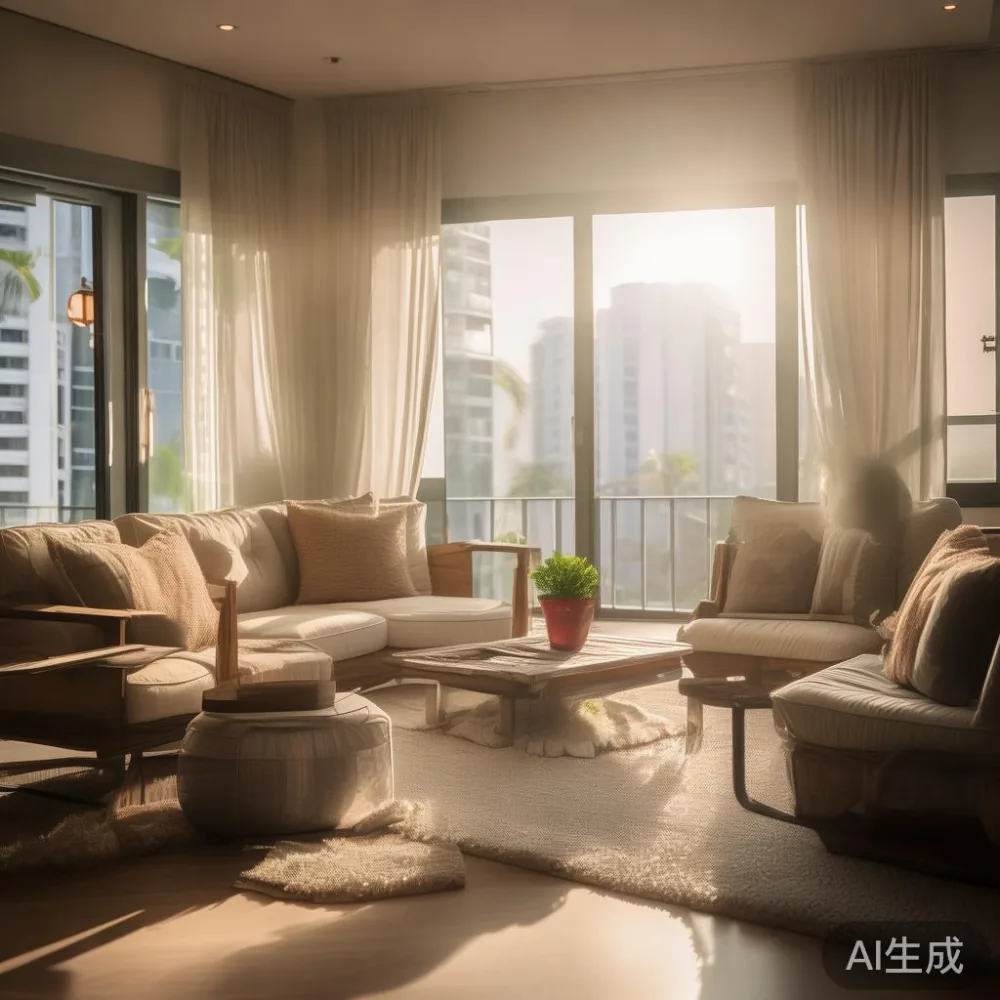
This guide uses Singapore homes, where space is measured in centimetres and movement routes are unforgiving. It also considers outdoor furniture, where weather resistance changes the material and construction decisions. MIDHILL is a Foshan solid wood furniture maker established in 2008, exporting to more than 15 countries. Its 10-year structural warranty and lifetime refinishing service reflect the long-term thinking behind the figures discussed here.
What determines the price of a solid wood dining table?
The species is the first major price driver. A 200 cm dining table made from rubberwood may use plantation-grown timber with a broad supply and comparatively predictable pricing. White oak, walnut, ash and other decorative hardwoods carry different levels of scarcity, selection and processing. Grain variation also matters: a carefully matched top with continuous figure can require more boards, labour and raw material than a straightforward plank table.
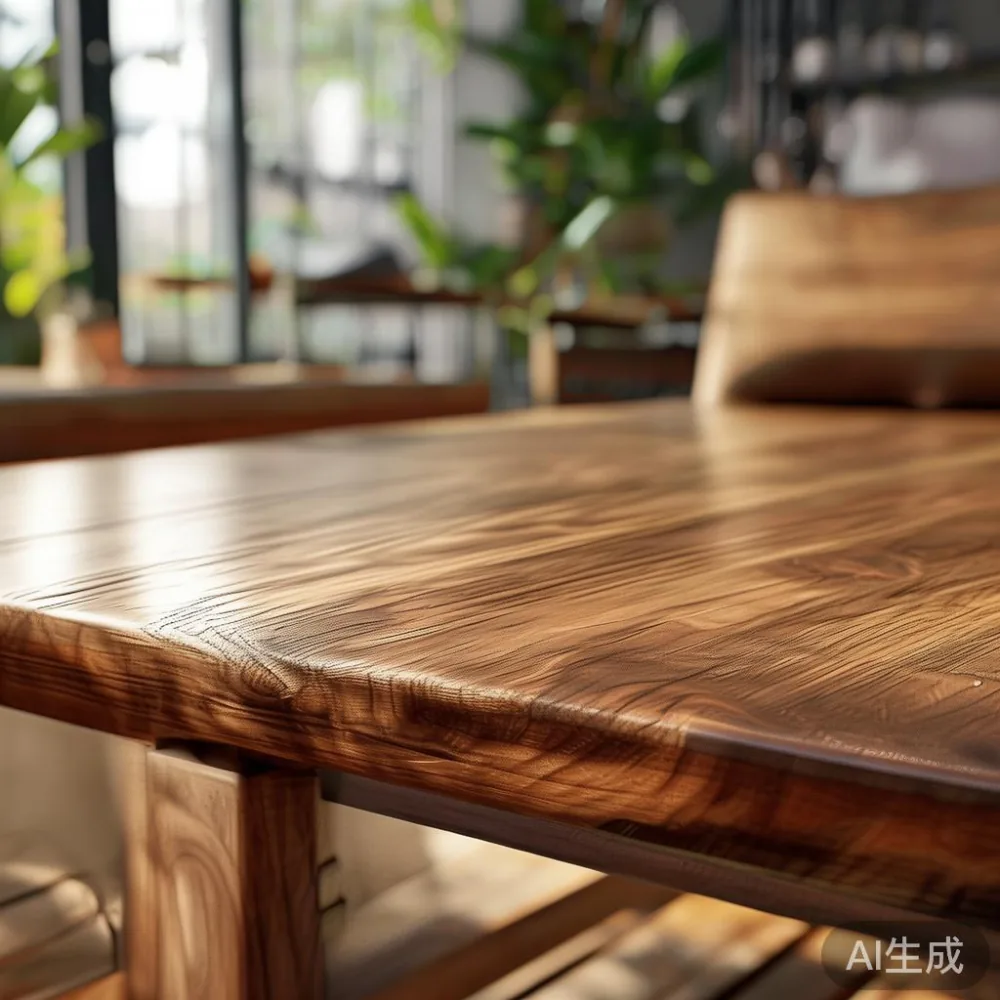
Solid wood is not a single material category. It describes construction using solid timber rather than a veneer face over engineered board, but the commercial name on the receipt can still cover several woods. Ask for the species, grade and moisture treatment in writing. For a 200 x 100 cm table, expect about 42–55 kg before packaging depending on the timber, thickness and frame. That weight affects delivery more than many shoppers expect.
Thickness changes both material use and rigidity. A 180 x 90 cm dining table with a 4 cm top may weigh roughly 38–50 kg, while a 6 cm top can add 12–18 kg. Doubling the thickness does not merely double the appearance of solidity; it increases turning, planing, clamping and support requirements. A well-proportioned 4 cm top supported by a sound frame can feel more refined than an unnecessarily heavy 6 cm top.

Joinery separates economical construction from furniture designed for decades of use. Mortise-and-tenon joints, dowelled rails and properly fitted joinery demand more preparation than simple screws concealed inside panels. They are not automatically more expensive, but accurate, repetitive joints take time, jigs and skilled assembly. The result should remain rigid under the repeated loading of family meals, work laptops and Singapore humidity.
For an 180 x 90 cm table, allow around SGD 1,290–2,490 for a straightforward solid wood model, SGD 2,490–4,900 for more figured timber or refined joinery, and SGD 4,900–8,900 for a sculptural or premium solid wood design. Prices vary by exact dimensions and finish. A marble table occupies a different cost structure because the stone slab, cut-outs, reinforcement and polished edges determine the final quotation.
Why do bed frames and wardrobes have such different price tags?
A bed frame hides much of its structure. Buyers see the headboard, rails, feet and finish, while the slat spacing, centre support and joint method remain less visible. A queen bed measuring 152 x 190 cm typically uses 13–16 slats and may weigh 45–75 kg in solid wood. A king at 180 x 190 cm may reach 55–90 kg. Weight rises with headboard thickness, solid timber rails and carved details, all of which influence packing and delivery.
Expect SGD 899–1,890 for a simple solid wood bed frame, SGD 1,890–3,990 for a shaped or upholstered headboard, and SGD 3,990–7,900 for a more decorative timber construction. The comparison must be like-for-like. A frame with concealed fasteners, a stronger centre rail and carefully eased edges uses more processing than one assembled with exposed, repetitive parts.
Wardrobes combine a large volume of timber with many moving components. A 150 cm-wide, 210 cm-high wardrobe may contain 4–7 doors, 3–6 drawers and internal hanging space. It may weigh 140–260 kg, while a fitted walk-in wardrobe can exceed 400 kg. Hinges, runners, adjustable shelves and mirrored doors add cost, but precise alignment matters just as much. An uneven carcass can look untidy even when the handle finish is attractive.
A modular wardrobe may begin around SGD 2,490 for a limited configuration and rise to SGD 9,900 for a full-height, internally fitted design. For homeowners researching the best Scandinavian wardrobe for 2026, the key comparison is usable internal volume and hardware, not only the door profile. For a 120 cm nightstand, typical solid wood pricing ranges from SGD 299–699 for restrained forms and SGD 699–1,590 for carved, sculptural or premium-finished examples.
Space planning is part of the value equation. A 240 cm wardrobe may fit a Tampines bedroom wall but not the route to it. Check the packaging dimensions, not just the assembled size. A 240 x 60 x 220 cm unit may require a lift opening of at least 70 cm in one usable dimension. If the lift is only 60 cm wide, the wardrobe may need to be delivered flat-packed or assembled inside the bedroom.
Is French light luxury different from post-modern light luxury?
Yes. French light luxury tends to emphasize proportion, curved profiles, tactile upholstery, soft tones and decorative detail. Post-modern light luxury is more architectural, combining clean planes with selective curves, mixed materials and restrained visual contrast. American light luxury often pairs generous forms with durable finishes and practical comfort. These are positioning languages, not quality grades: an inexpensive sofa can imitate a style, while a well-made sofa with simple lines can remain understated.
For a solid wood sofa, the frame is the foundation. A 220 cm three-seat sofa may use solid timber rails, webbing, foam and springs, but “solid wood sofa” should specify which components are timber and which are upholstered. Frame construction, suspension and comfort layers determine long-term performance more than the label alone.
Design premiums can add 20%–70% to a comparable base construction because of prototype development, complex shaping, special hardware and hand finishing. The same effect appears in the search for 2026 Italian light luxury furniture: a shaped headboard or calibrated stone top can require specialist labour that a straight-edged product does not. Listings for sale Italian light luxury furniture may describe imported styling, but origin, solid timber content and construction still need verification.
Finish can also move the price by SGD 120–700 on a dining table. Water-based matt lacquer, oil and natural wax offer different maintenance profiles. Some finishes are easier to repair; others demand careful cleaning. MIDHILL provides lifetime refinishing, which adds a service dimension to the product value and is particularly relevant to a solid wood bed frame, dining table or wardrobe.
What makes outdoor furniture cost more than its indoor equivalent?
Outdoor furniture must withstand ultraviolet exposure, rain, humidity, salt and temperature changes. An indoor solid wood dining table may use a clear lacquer that looks elegant under controlled conditions. Outdoor furniture needs a more considered timber choice, drainage, fastening and protective finish, even when the design appears simple.
Teak is widely used for outdoor furniture because its natural oils and dense grain help it handle exposure. However, teak from different sources can vary in colour, growth rate and processing. Marine-grade aluminium and stainless hardware can add cost, while quick-dry hardwoods may require denser boards and more effective sealing. A 180 cm outdoor dining table may weigh 45–80 kg; a matching bench may weigh 10–18 kg each.
Expect SGD 1,290–2,990 for a straightforward teak outdoor dining set, SGD 2,990–6,900 for sculpted teak or mixed-material sets, and SGD 6,900–14,900 for elaborate premium collections. Cushions introduce another layer: quick-dry foam, replaceable covers, solution-dyed fabric and upgraded suspension can add 15%–35% to a set price.
Joints are critical outdoors. A 20 cm-deep bench seat must resist racking, while a table frame must remain stable after wet weather. Components should be joined for drainage rather than trapping water against a leg or rail. Stainless fixings should be selected for their grade and environment; a visually similar screw can stain nearby timber after months of coastal exposure.
Outdoor furniture also needs a defined maintenance plan. Depending on timber and finish, annual cleaning and oiling may take 30–90 minutes per piece. Sealers may require renewal every 1–3 years. Buyers who want minimal upkeep should ask whether replaceable slats, covers and cushions are available, since these affect total ownership cost over 10 years.
How do finish, hardware and design add dollars to a furniture quote?
Hardware is measurable. A basic concealed hinge may cost a few dollars, while a premium soft-close mechanism, full-extension runner or synchronized drawer system can cost several times more per unit. A five-drawer nightstand with premium runners can add SGD 90–260 to material costs; solid brass or machined hardware may add another SGD 80–450 depending on the piece.
Finish consistency requires more than spraying colour. Surface preparation, sanding sequence, stain matching, sealer application and final polishing all consume time. Matte finishes often reveal fingerprints and small variations differently from gloss finishes. A hand-oiled edge on a 200 cm dining table may add SGD 250–700 because the operator must control the transition between broad and narrow surfaces.
Decorative work has a direct labour component. Carving 12–20 motifs by hand takes considerably longer than routing repeated profiles. Dovetails, tapered legs, chamfered edges and inset details can add 10%–30% to production time. Complex geometry also affects yield: a sculpted component may waste more timber than a rectangular rail, and that material cost remains part of the price.
Prototyping adds another layer for original pieces. Simple furniture may need 1–3 samples, while a new sculptural chair or dining table can require 4–8 rounds of proportion and finish adjustments. This is one reason a design-led European light luxury coffee table can sit at SGD 2,490–6,900, while a restrained occasional table may be available from SGD 899–1,990. A marble coffee table may range from SGD 1,590–4,900 depending on slab character, edge treatment and reinforcement.
What does delivery cost, and why can it change the final price?
Delivery is not simply the distance from factory to home. The relevant measurements are the packaged piece’s length, width and weight, plus the route from the van to the room. A Punggol HDB lift with a 55 cm door and 120 cm-deep cabin may reject a package 145 cm long. A Bedok condo corridor with a 105 cm turning corner creates a different obstacle. Accurate dimensions should be checked before dispatch.
Small but heavy packages can be harder to handle than large light ones. A 60 x 45 x 45 cm package weighing 65 kg needs a secure grip and appropriate staffing, while a wardrobe flat-packed into two 210 x 70 x 15 cm cartons may travel more easily but still occupy a substantial van. Basic threshold delivery is often included above USD 350 under MIDHILL’s shipping policy, but Singapore GST, local handling and service specifics should be confirmed at checkout. GST is currently 9% in Singapore.
Room-of-choice placement or assembly usually adds a quoted fee, commonly SGD 40–180 for standard furniture and more for a wardrobe or solid wood sofa. Tight-access surcharges may apply when an item must pass stairs, a narrow lobby or a parking area. Ask whether the quoted service includes unpacking, assembly, packaging removal and damage inspection.
Lead time is another price-linked variable. Stocked pieces may be dispatched within 7–14 days; made-to-order furniture may take 30–60 days, while custom finishes can take 60–90 days. Seasonal production delays around major holidays can extend delivery. A transparent quotation should state the estimated dispatch window, transit method, arrival period and return terms. MIDHILL offers a 10-year structural warranty, a 14-day return period and free shipping over US$350, but the customer should still verify how international orders interact with local collection.
How can Singapore buyers compare quotations fairly?
Compare the specification, not just the total. Record the dimensions, timber species, finish, joinery, hardware, weight, warranty and delivery inclusions for each quotation. A SGD 1,490 dining table may be more substantial than a SGD 990 table if the former uses a 5 cm top, stronger rails and longer components. Conversely, a higher price does not guarantee better fit if the packaged width exceeds the lift door.
Last month, I visited a Singapore family’s Bedok unit to assess two dining tables. The first was 200 x 100 cm with a 4 cm top and weighed 47 kg; its cartons measured 208 x 108 x 18 cm. The lift door was 58 cm wide and the corridor made a right-angle turn, so the table could not enter as packed. The second was 190 x 95 cm, weighed 38 kg and arrived in two 96 x 51 cm cartons. It passed the lift and was assembled in the dining area in about 35 minutes. The less imposing table produced the easier installation and the more useful footprint.
Buyers can also use the FOB versus delivered comparison. EXW pricing leaves transport, insurance, customs, GST and local delivery outside the product figure. FOB includes export handling and ocean transport but not the final local charges. A delivered or DDP quote offers better cost visibility, provided it clearly identifies taxes and delivery scope. For high-value pieces, a delivered price is usually easier to budget than a factory price followed by surprise charges.
Visit the piece if possible. Check underside joints, drawer travel, door alignment, surface continuity and the fit of moving parts. Online photos can distort scale, so request a room diagram or a video showing the actual dimensions. If space is limited in Tampines, Punggol or Bedok, provide the lift door, corridor width and turning measurements to the supplier before ordering.
Is a higher solid wood furniture price always worth paying?
No. The clearest value comes from a specification that fits the room, uses appropriate timber and has sound construction in the areas that matter. A more decorative finish, exotic stone or elaborate mechanism should be judged against how often it will be used and how it fits the home.
Budget roughly SGD 15,000–45,000 for a coordinated collection containing a solid wood bed frame, dining table, wardrobe and two nightstands in a mid-range Singapore interior. Individual pieces can range from SGD 299 for a nightstand to SGD 9,900 for a fitted wardrobe and SGD 8,900 for a decorative dining table. For outdoor furniture, set aside approximately SGD 8,000–25,000 for a four- to eight-seat premium weather-resistant dining arrangement.
The practical question is what happens in year 5, not only on delivery day. Can the dining table be tightened, the drawer runner replaced, the outdoor finish renewed and the wardrobe adjusted? MIDHILL’s lifetime refinishing policy addresses surface renewal for eligible purchases, while the 10-year structural warranty provides a clear structural commitment.
Price is a record of decisions: which timber, how dry it is, how the joints are cut, how many hours go into the finish, how the piece is packed and how it reaches your room. Once those decisions are visible, the quotation becomes much easier to judge. Solid wood furniture earns its price when material quality, construction, proportion and service remain aligned long after the invoice is paid.