How to Style a Small HDB Flat or Condo With Outdoor Furniture
A compact home in Tampines, Bedok, or Punggol does not need to look sparse. It needs proportion, fewer visual interruptions, and furniture that earns its footprint. The trick is to make the useful pieces feel generous: slim profiles, light finishes, raised legs, balanced spacing, and outdoor furniture that works as naturally on a sheltered balcony as it does inside an entry area.
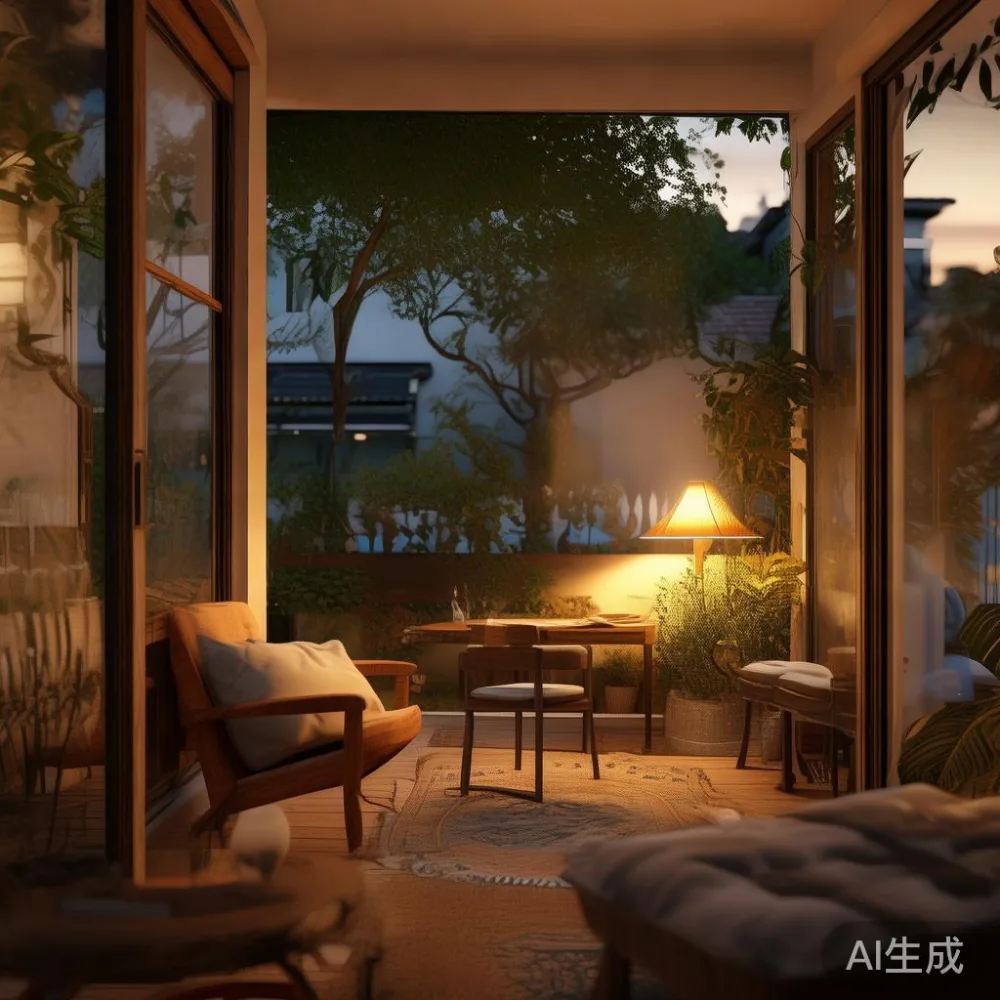
I still remember visiting a 68 sq m HDB flat in Bedok last month with a lift lobby barely wider than the resident’s sofa carton. The household had already sacrificed comfort for measurements, squeezing a deep solid wood sofa beside the dining table. We moved the dining table into the kitchen, replaced the bulky frame with a 180 cm solid wood sofa with a 78 cm depth, and added a 34 cm-wide nightstand near the wall. The room became calmer without losing its function.
Singapore makes this exercise more exacting than many larger markets. HDB corridors can be narrow, condo service routes turn at right angles, and a large lift may make delivery timing more important than the furniture’s width. A 2.5 m-long dining table might look modest in a showroom yet become awkward below a 1.1 m corridor bend. Material choice, packing size, assembly method, and the delivery route deserve equal attention.
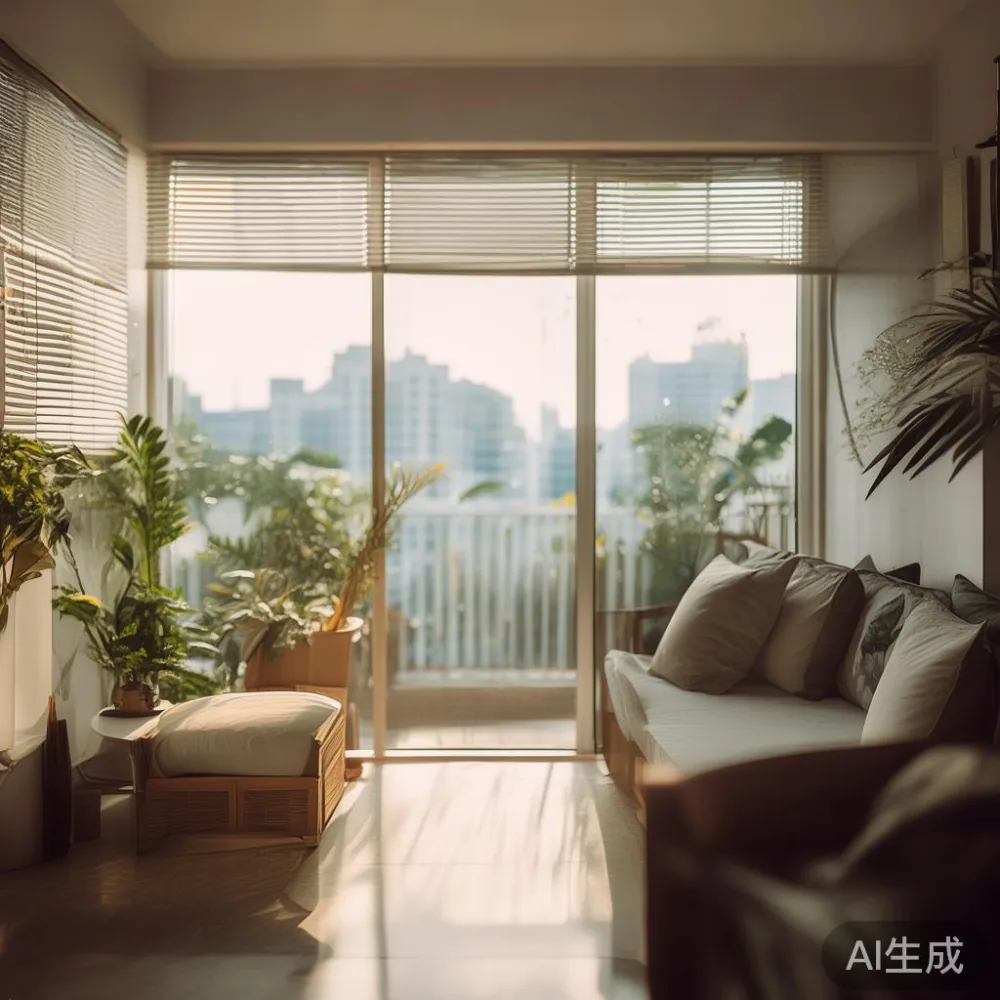
How Do You Style a Small Apartment Without Making It Feel Crowded?
The answer is not simply “buy less.” A well-proportioned 200 cm sofa in a 320 cm living room can feel more relaxed than a 160 cm sofa surrounded by accessories. Begin by dividing the room into zones you can explain in one sentence: conversation, meals, sleep, storage, and a compact arrival area for bags and shoes.
Use a 10 cm clearance as the minimum planning gap between major pieces and walls where possible. Increase it to 30–60 cm at a sofa’s front edge, 75–90 cm around a dining table, and 60 cm beside the bed’s main side. These figures are guidance rather than fixed rules, but they prevent the pinched feeling common in small Singapore homes.
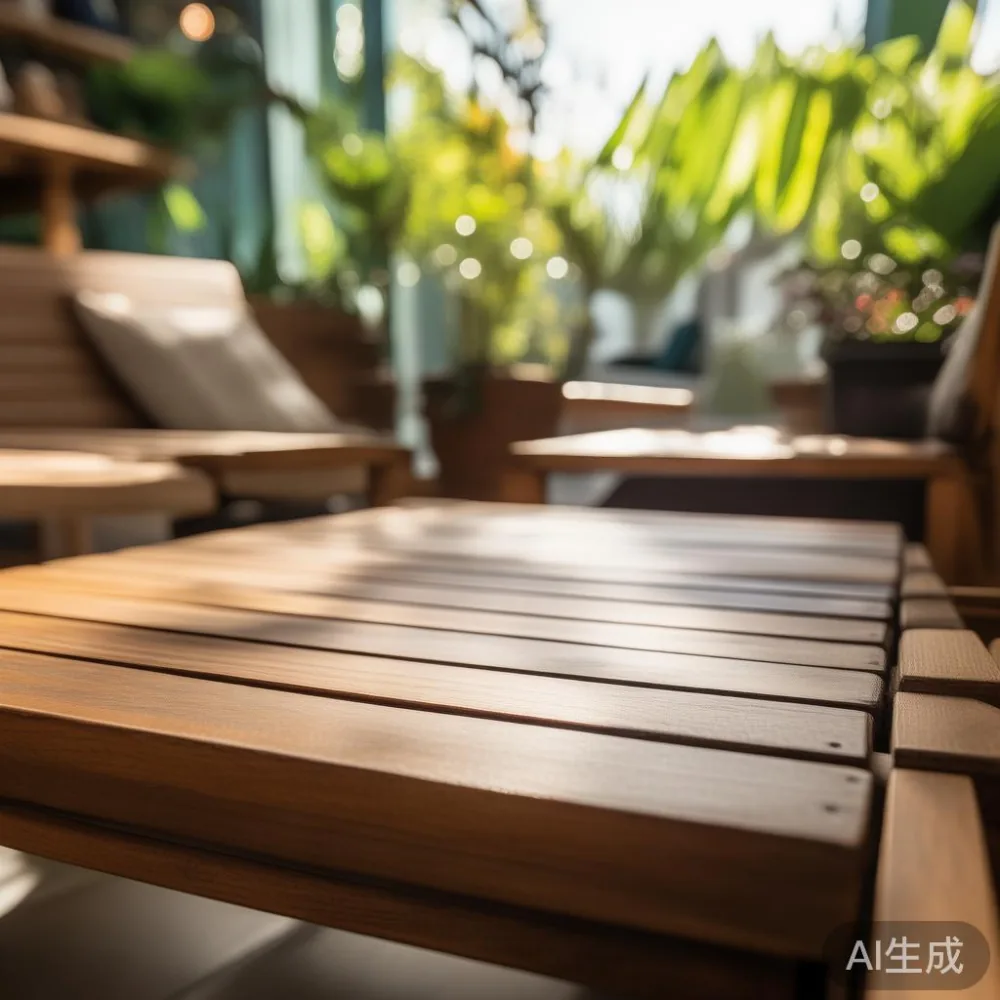
Choose one dominant finish and one supporting finish. Pale oak, warm ash, off-white walls, and matte black metal create a quiet background. Avoid too many competing woods, because each different grain can visually fragment a compact room. For a French light luxury direction, pair light upholstery with curved edges and restrained timber; for an American light luxury approach, use clean geometry, generous seat depth, and warm neutral textiles. Post-modern light luxury is equally effective when balanced forms are mixed with one expressive detail, such as a sculptural outdoor floor lamp.
Outside is where disciplined sizing matters most. Balconies are often only 3–6 sq m, and HDB rules may vary by block. A 90 cm-wide bistro table with two stackable chairs can create a usable breakfast corner, while a 120 cm folding bench can release the space after use. Confirm the permitted placement, drainage, and load conditions with your building management before ordering.
What Should You Measure Before Ordering Outdoor Furniture?
Measure the balcony door, hallway, staircase, lift door, lift car, and the tightest turn. Record every restricted width rather than relying on a nominal “lift size.” A furniture package may be wider than the finished table because the top, frame, and legs travel separately.
For a compact outdoor setting, target a table no deeper than 60 cm and a chair no deeper than 55 cm. A 70 cm round table is comfortable for 2 people and leaves more circulation space than a rectangular 100 × 60 cm table. If chairs must slide under the table, allow about 20 cm of leg clearance beneath the top and consider a 28–30 cm seat height.
Weight should remain sensible for Singapore’s humid conditions and building rules. Powder-coated aluminium or responsibly sourced teak works well outdoors; solid wood that is not weather-rated should stay covered. MIDHILL’s outdoor furniture can be specified for weather-resistant use where appropriate, but care instructions still matter. Wipe standing water away, renew protective finishes according to the product guidance, and avoid leaving paper or cushions trapped against a damp surface.
Delivery is one practical concern that showroom photographs often conceal. Allow 7–14 delivery days for standard Singapore orders, while custom pieces may need 4–8 weeks. Ask the supplier for the carton dimensions, gross weight, and whether assembly is required at the destination. MIDHILL offers free shipping on orders above US$350, and its 10-year structural warranty provides useful reassurance; Singapore orders should still be confirmed for local delivery terms, GST treatment, and the final landed amount in SGD.
Can Outdoor Furniture Really Belong Inside a Small Flat?
Yes, if the object has a clear second job. A slim console can become an entry surface, a plant stand can separate the living zone from the dining zone, and a compact coffee table can accept books, a tray, and occasional meals. The material must suit the location: indoor-rated items should not be exposed to rain, while outdoor-rated pieces can tolerate a sheltered balcony.
The strongest arrangement is often one focal piece rather than a complete patio set. In a 30 sq m studio, choose a 90 cm outdoor coffee table in light-toned timber and combine it with one folding stool. The result might look less like a mini café and more like a considered lounge. Add a 25–30 cm planter at the edge, using a narrow profile and upright foliage to gain height without consuming floor area.
Light-reflecting surfaces can make a room appear wider. A marble table with a pale base may work in a dining corner, although its cool finish should be balanced with timber and fabric. A 180 cm dining table can seat 4 people when each place needs about 55 cm of width and 30 cm of depth. Look for a slim solid wood dining table with inset joints rather than a thick apron, and coordinate it with 42–45 cm-wide chairs on tapered legs.
For a room that must support work, study, and meals, select one multipurpose surface instead of two crowded ones. The search term “Minimalist for dining room” often produces useful visual references, but check every photographed proportion against your own floor plan. A table with a 180 cm length and 80 cm depth can suit a square room; if the room is only 250 cm wide, move chairs sideways during meals rather than narrowing the permanent circulation lane.
Storage also needs to disappear visually. A 45 cm-high solid wood wardrobe with a depth of 55–60 cm can provide hanging space without turning the bedroom into a fitting room. In a compact guest room, a 120 cm-wide wardrobe, slim bed frame, and wall-mounted nightstand can preserve a 60 cm route to the window. The phrase “European for guest room” suggests carved detail and warm woods, but those details work better as restrained edges rather than bulky applied ornament.
Which Furniture Pieces Give the Most Space in an HDB Flat?
Begin with the largest item and reduce its visual bulk. A sofa placed slightly away from the wall can float in a small room, but this only works if there is 10–15 cm of clearance behind it and no awkwardly visible cable. A raised-leg design exposes floor area and reduces the sense of mass. Seat depth around 55–60 cm remains comfortable without turning the sofa into a lounge chair.
For a typical 300–360 cm living area, a 170–190 cm solid wood sofa is often more balanced than a 220 cm model. If your family genuinely needs a larger seat, retain a 200–210 cm width and remove one freestanding table. Upholstery in oatmeal, mist grey, or warm beige will reflect more daylight than charcoal or saturated blue.
If the sofa must also serve as a bed for guests, choose a 160–180 cm frame with a standard mattress size and a mechanism that allows a daily conversion. Daily conversion is less convenient than occasional use, so consider where the mattress will be stored. For nightly use, a bed frame measuring 140 × 200 cm offers enough width for one adult and leaves room in many studios; a queen at 152 × 203 cm leaves only 24 cm more width but requires more turning space.
Product planning is a better route than visual guessing. When comparing the best Mid-century modern bed for 2026, check the bed’s outer dimensions, headboard thickness, mattress height, and floor clearance. A slim headboard can save 6–10 cm compared with an upholstered one. Search results for for sale Mid-century modern furniture are useful for identifying tapered legs and gentle profiles, but they do not replace access measurements.
Nightstands should generally be no wider than 40–45 cm. A 40 cm-wide solid wood nightstand can hold a phone, glass, and book while leaving a 30 cm passage on a narrow wall. Pairing it with a wall-mounted shelf can add storage without another floor-standing object. For the living area, a 100–110 cm coffee table should leave 35–45 cm between it and the sofa; a 35 cm-high table can also function as a light-accent marble table if the material and weight suit the room.
How Do You Keep an Outdoor Corner From Looking Like an Extra Room?
Limit the balcony to 3 material cues. For example, use light timber, charcoal metal, and green planting. Skip tiny ornaments, multiple chair styles, and a dining set whose footprint exceeds the actual use. One table for two, one narrow planter, and a wall-mounted shelf usually create enough interest for a 4 sq m balcony.
Foldable or nesting outdoor furniture is particularly useful in HDB flats where the balcony is also a laundry zone. A 45 cm-wide folding chair can be stored against a wall in roughly 12 cm of depth when folded. Confirm the folded measurements because some models still require 18 cm. A table with a 55 cm diameter suits a 120 cm-wide balcony better than a rectangular top measuring 90 × 45 cm.
Use vertical space deliberately. A 160 cm shelf placed 25 cm above a compact bench creates storage without another footprint, provided the balcony is sheltered and the weight remains within the fixture’s limit. Plants should be selected for their actual light exposure: a west-facing Tampines balcony may need a hardy, bright-leaf plant, while a recessed Punggol balcony can support different species depending on airflow and humidity.
Keep the visual centre low. A slim outdoor coffee table at 35–40 cm high will not block a compact living area as strongly as a tall bar table at 105 cm. If eating is important, use a 70 cm round bistro table and one 45 cm-wide folding chair, adding a second chair only on busy mornings. This controlled approach preserves the room’s calm when the balcony is not in use.
How Should You Plan Delivery Through Tight Singapore Access?
Photograph the route rather than trusting a floor-area figure. Start at the parking bay, note bollards and ramps, inspect the corridor width, and check the lift door against the packaged furniture. HDB corridors commonly appear generous at the entrance and become narrow near a fire shutter or staircase. A 76 cm-wide package may pass where an 88 cm package cannot turn.
Choose furniture that separates into manageable sections. A dining table might arrive as a 180 × 85 cm top plus two 55 × 12 cm leg assemblies, while a bed frame may consist of a headboard, side rails, and slats. Ask whether the largest single component can be carried by 2 people without damaging the lift walls. For stairs, protect corners and confirm the trolley dimensions.
Delivery scheduling should allow for weather and building rules. A 7–14 day standard lead time is sensible for non-custom items, while custom finishes can take 4–8 weeks. Book the service lift for a 2-hour slot if possible and provide the loading bay, floor number, and access notes. Have the recipient check the package against the packing list before signing.
Price comparisons should use the delivered figure in SGD, including GST and any access surcharge. In Singapore, consumer goods are generally subject to 9% GST; the exact treatment of a particular order should be confirmed on the quotation. A table shown at SGD 1,280 might become SGD 1,395.20 with GST, plus delivery if the order falls below the stated free-shipping threshold. MIDHILL’s free shipping applies above US$350, and Singapore customers should request a local quote to verify currency conversion and any applicable fees.
What Would a Balanced Small-Home Shopping List Look Like?
Start with measurements, then allocate each item a minimum width, depth, and clearance. A practical 32 sq m HDB living-and-dining arrangement might use a 175 cm solid wood sofa with a 78 cm depth, a 95 × 50 cm coffee table, and a 140 × 75 cm dining table seating 4. The circulation routes should remain about 60 cm where people pass, while the sofa-to-coffee-table gap remains around 40 cm.
For the bedroom, consider a 140 × 200 cm solid wood bed frame, a 35 × 35 cm nightstand, and a wall shelf 20 cm deep. Keep the wardrobe at 55–60 cm deep if possible and choose sliding doors when opposite walls are less than 150 cm apart. A hinged wardrobe may need 90 cm of opening space; sliding panels need little more than their tracks.
For a guest room, a 120 × 200 cm bed can leave useful gaps in rooms around 250 cm wide, but the mattress and door swing still need checking. A 35 cm solid wood nightstand fits beside the bed without blocking the path. The phrase “European for guest room” can guide the atmosphere, yet a guest room usually benefits more from one upholstered headboard and excellent lighting than from several decorative pieces.
When the sofa is the room’s anchor, guidance on how to style American sofa in apartment layouts is useful: center it on the rug rather than the wall, use one substantial cushion, and keep the coffee table 35–45 cm away. A rug should extend 15–20 cm beyond the front legs on at least 2 sides, provided the room has space.
For a more decorative direction, modern French provincial furniture can be softened with curved silhouettes, upholstered seats, and light timber. The risk is creating visual heaviness, so pair one curving item with straight, open-legged pieces. The result should feel collected rather than crowded.
Finally, test the room at the actual scale of daily life. Put down painter’s tape for the sofa and dining footprints, walk around them 4–5 times, and open the wardrobe and entry door. If a route requires sideways movement, remove 10–15 cm from a piece or change its orientation. Small spaces reward these practical adjustments more than decorative excess.
MIDHILL was established in 2008 and exports to more than 15 countries, yet its measurements remain relevant to a Singapore family: every centimetre affects circulation, lifting, and comfort. Its 10-year structural warranty and lifetime refinishing policy add long-term value, while 14-day returns allow careful comparison at home. Once the furniture is correctly proportioned, a small apartment can support conversation, meals, rest, and a green outdoor corner without losing its sense of openness.