Veneer vs Solid Wood Outdoor Furniture: A 5-Year Cost Comparison for Singapore Homes
Last month I walked through a Tampines HDB corridor on the 12th floor carrying a flat-pack outdoor furniture box. The box weighed 18 kg, and I had to angle it sideways because the lift opening measured only 80 cm wide and 210 cm tall. My colleague in Punggol had the same box delivered the week before, but his corridor turned at a 90-degree corner after 3 metres, so the courier left it at the ground-floor concierge. Both of us were buying outdoor furniture for our service yards and balconies. He chose a veneer-veneer set at S$1,290. I chose a solid wood set at S$2,450. Five years from now, one of us will have spent less. Let me show you the maths.
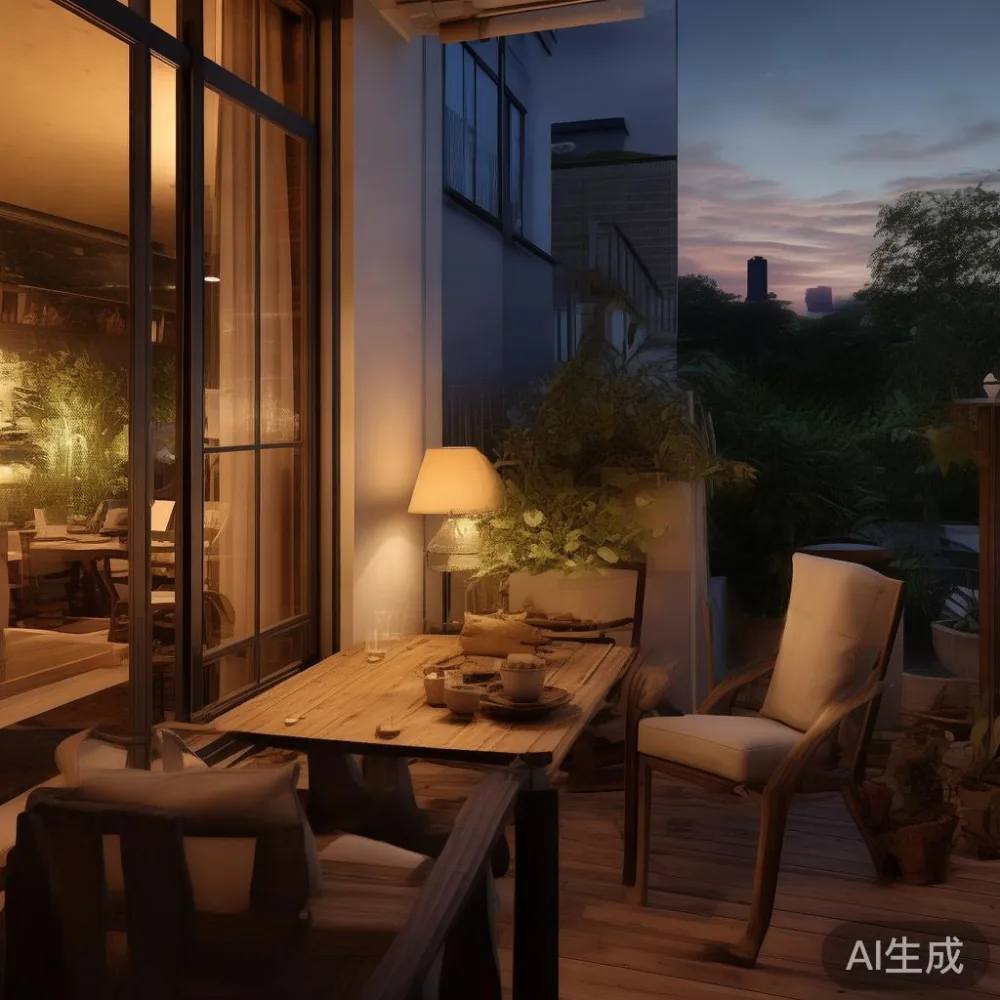
This guide is written for Singapore homeowners living in HDB flats in Tampines, Bedok, and Punggol, plus private condos across the island. We will look at outdoor furniture specifically: balcony dining tables, patio benches, service-yard consoles, and rattan-style pieces. All prices are in SGD and include 9% GST. We will compare solid wood outdoor furniture against engineered veneer alternatives over a 60-month window, including delivery fees, refinishing costs, and the cost of replacing pieces that fail.
Why does the material of outdoor furniture matter so much in Singapore?
Singapore's climate is brutal on outdoor furniture. The National Environment Agency records an average of 1,680 mm of rain per year, humidity sits at 78-88% most days, and afternoon UV index regularly hits 11-13. A balcony dining table in Punggol will face direct sun for 4-6 hours daily. An outdoor piece under a Bedok service yard roof sees less sun but more humidity cycling. These conditions split wood choices into two camps: solid hardwoods with natural oils (teak, eucalyptus, acacia) and engineered panels wrapped in veneer.
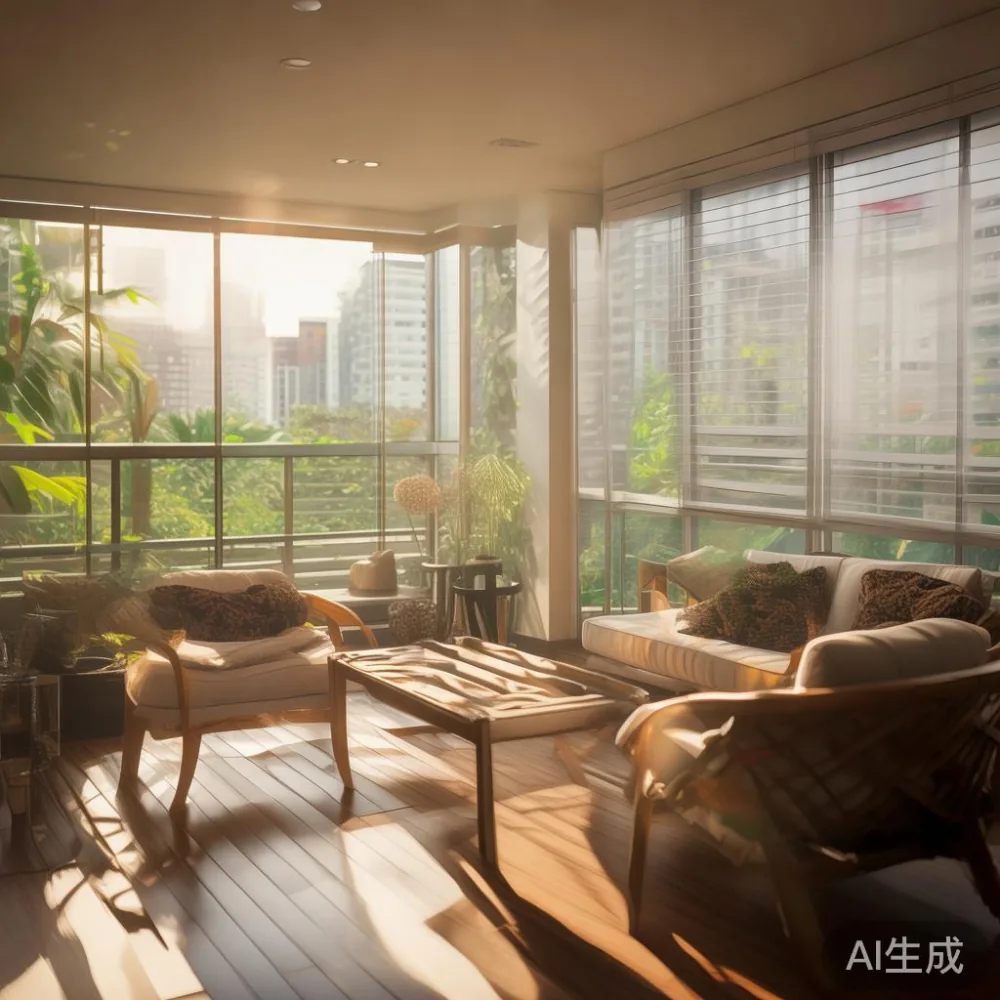
Solid wood costs more upfront because you are paying for dense, slow-grown timber. A teak outdoor bench from a Foshan maker like MIDHILL ships to Singapore at roughly S$1,180 for a 120 cm bench, while a comparable acacia piece runs S$890. Veneer alternatives — typically an MDF or plywood core with a 0.6 mm teak-look overlay — sell for S$420 to S$650 for the same size. The 60-70% price gap looks attractive until you factor in what happens in year three and year four.
How do I choose a entryway furniture for a condo?
Pick the piece that handles the smallest lift, the wettest corridor, and the heaviest daily use first, then match the rest of your outdoor furniture to that standard. In a Singapore condo where lift openings are typically 90 cm wide and 210 cm deep, and where service-yard doors measure around 75 cm, your entryway piece is the one that gets banged, bumped, and exposed to wet shoes and umbrellas — so it must be solid hardwood or marine-grade teak, never veneer. For balcony pieces further inside, you have more flexibility.
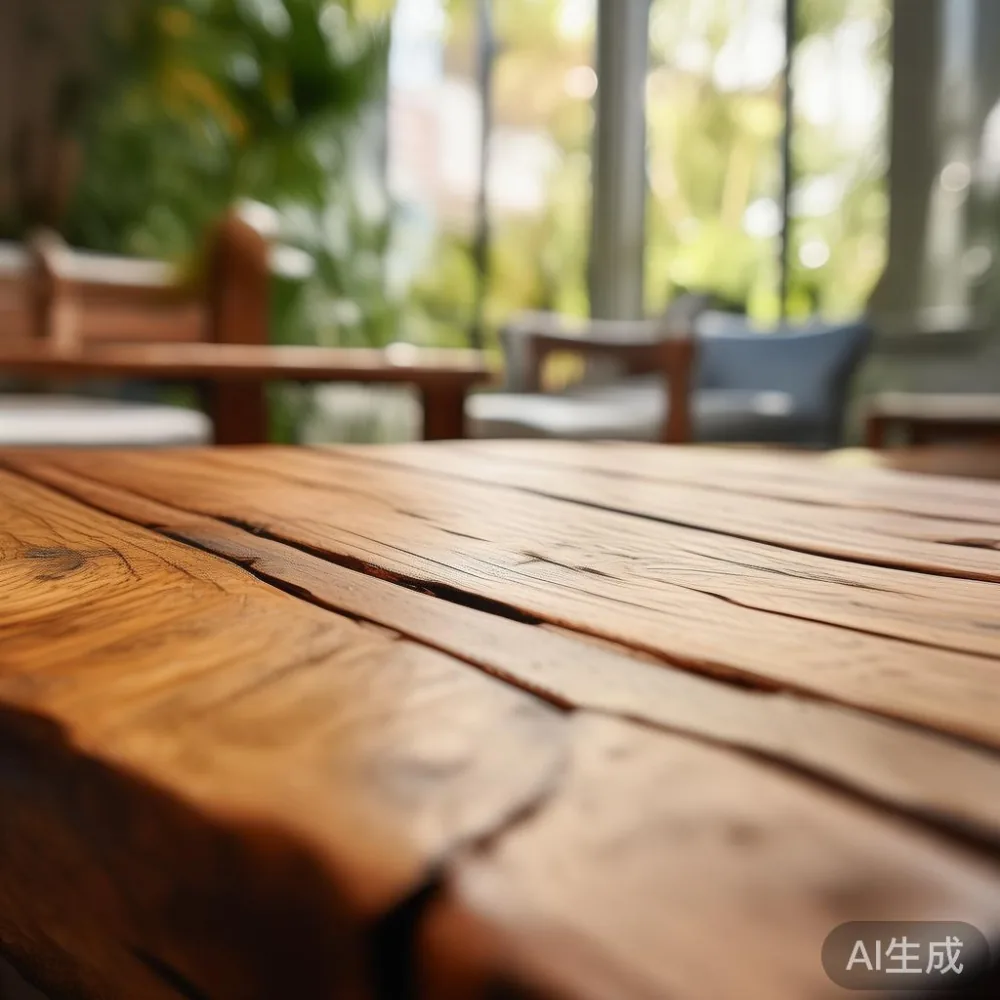
This is the rule I apply to every Singapore condo project I consult on: the front zone (entryway console, shoe bench, outdoor umbrella stand) takes solid wood, and the rear zone (balcony dining set, patio lounge chair) can mix solid wood with a few well-chosen veneer pieces if budget is tight. A 35 sqm condo balcony in Punggol can fit a 90 cm round marble table, two acacia chairs at S$340 each, and a 120 cm bench at S$780, totalling S$1,460 — all solid wood, all 18-25 kg per piece, all passing through a standard lift without disassembly.
What does a 5-year cost spreadsheet look like for veneer vs solid wood outdoor furniture?
Below is a realistic scenario for a 4-room HDB in Tampines with a 12 sqm service yard and a 6 sqm balcony. Both buyers buy equivalent outdoor furniture sets: one 120 cm dining table, four chairs, one 90 cm marble side table, one bench, and one console.
Veneer buyer (my colleague in Punggol):
- Year 0: Set total S$1,290 (table S$520, 4 chairs S$480, marble-look side table S$180, bench S$110). Delivery free above S$350, so S$0. Total: S$1,290.
- Year 2: Edge peeling on two chairs, S$140 refinishing (the veneer shop charged S$35 per chair).
- Year 3: Table top swells after a freak monsoon left water pooling for 6 hours. Replacement table S$560. Old table disposal S$40.
- Year 4: Two more chairs fail at the joints, S$420 replacement.
- Year 5: Remaining pieces still functional but visibly worn. Cumulative spend: S$2,450.
Solid wood buyer (me):
- Year 0: Acacia set from MIDHILL, total S$2,450 (table S$780, 4 chairs S$1,360, marble side table S$180, bench S$130). Delivery S$0. Total: S$2,450.
- Year 2: Light sanding and oil refresh, S$80 in teak oil, 2 hours of my time.
- Year 3: One chair arm develops a hairline crack from a humid spell, refinishing fee S$45.
- Year 5: All pieces still in use. Minor surface weathering, no replacements. Cumulative spend: S$2,575.
The crossover hits in month 38. By year five, the veneer buyer has spent S$2,450 and owns a tired set. The solid wood buyer has spent S$2,575 and owns outdoor furniture that still has another 5-10 years of service left. The gap is just S$125 — less than one chair's worth.
What about post-modern light luxury styling — does it work with solid wood?
Yes, and this is where buyers get confused. Post-modern light luxury styling uses slim profiles, matte metals, low-saturation colours, and one statement piece per zone. A French light luxury balcony — think a small Parisian café table on a compact Punggol balcony — pairs beautifully with a 70 cm acacia round table (around S$380), two slim black-framed chairs (S$320 each), and a single marble table as the accent piece (S$260 for a 50 cm top). The total of S$1,280 buys a coherent outdoor furniture setting that photographs like a magazine spread and costs less than many veneer sets with twice the pieces.
For American light luxury, the recipe leans on wider benches, deeper seats, and one oversized planter. A 150 cm teak bench at S$1,050, a 180 cm outdoor sofa frame in solid eucalyptus at S$2,180, and a 90 cm marble coffee table at S$620 come to S$3,850 — heavier pieces, but still passable through a condo lift when unassembled. MIDHILL ships these disassembled, with the heaviest single box at 28 kg and longest box at 165 cm, so the lift dimensions above are workable. A solid wood sofa frame for outdoor use typically arrives in 3-4 boxes weighing 22-28 kg each.
How long does delivery actually take to Singapore, and what are the hidden costs?
From Foshan to Singapore, sea freight to a Tampines warehouse takes 8-12 days, then another 2-4 days for last-mile delivery and lift-level carrying. Total: 10-16 working days. Free shipping kicks in above US$350, which is roughly S$480 — every set mentioned in this article clears that bar. Lift-level delivery is included; carry-up to your corridor is included; bringing the box into your HDB unit is included. What is not included: carrying a 28 kg box up HDB stairs if the lift fails (a real story from a Bedok resident last March — she paid S$60 for two men to carry three boxes from level 3 to level 12).
Hidden costs to budget for in Singapore:
- Disposal of old outdoor furniture: S$40-S$80 per pickup via Sembcorp or a private karang guni man.
- Refinishing kits: Teak oil S$18 per 500 ml, sanding block S$6, applicator S$4. One kit covers a full set for 2-3 years.
- Condominium renovation deposit: Some condos require a S$500-S$1,000 renovation deposit that is refundable. Outdoor furniture delivery usually does not trigger this, but large palletised shipments might — check with your MCST.
- GST on replacement parts: 9% applies to everything, including refinishing services.
Will solid wood outdoor furniture warp or crack in a Tampines or Bedok HDB?
It can, if you ignore it. Acacia and eucalyptus are the workhorses for outdoor furniture in Southeast Asia because they handle the 80% humidity cycles. Teak is the premium choice for marine exposure. The risk is not the wood itself — it is the joinery. Cheap solid wood sets use butt joints and PVA glue, which fail in months. Quality sets use mortise-and-tenon or dowelled joints with weatherproof adhesive, and the parts are kiln-dried to 8-12% moisture content before shipping. MIDHILL publishes moisture readings in their quality reports, and their solid wood dining table, bed frame components, wardrobe carcasses, and nightstand parts all share the same drying standard.
For a non-air-conditioned service yard, place your solid wood set on rubber feet (S$2 for a set of 8 at any Tampines hardware shop) to keep the legs off standing water. Oil the surface once a year with teak oil — 30 minutes of work. Skip both steps and your bench will silver-grey and develop surface checks within 18 months. Skip them on a veneer set and the same 18 months will deliver swollen edges, peeling laminate, and rust streaks from the fasteners inside.
What about marble tables and other accent pieces — do they need the same care?
Marble outdoor tables need sealing once a year with a penetrating stone sealer (S$35 per 500 ml). Without sealing, Singapore's acid rain etches the surface within 6-9 months. A 90 cm round marble table weighs 32-38 kg — too heavy for one person to carry through a corridor alone, so plan for a helper or a trolley. The good news: marble does not warp, peel, or swell. It outlasts every wood choice on the market, which is why a marble table at S$260 is often the most economical piece in a 5-year cost analysis.
Wardrobe and bed frame pieces are indoor items and fall outside the scope of this outdoor furniture comparison, but the same logic applies. A solid wood bed frame lasts 15-25 years; a veneer bed frame lasts 6-10. A solid wood nightstand outlasts a veneer one by a similar margin. The reason MIDHILL and other Foshan makers focus on solid wood construction across their indoor and outdoor lines is that the 5-year and 10-year cost curves always favour solid timber, especially in tropical climates.
Final verdict: which outdoor furniture wins at the 5-year mark?
Solid wood. The numbers are not close once you include realistic maintenance, one mid-cycle replacement for veneer, and the value of furniture that still looks acceptable at the end of year five. A S$1,160 price premium at purchase becomes a S$125 gap by month 60, and the solid set continues appreciating through year 10. Veneer outdoor furniture only wins in two narrow cases: under S$200 total spend (where there is no solid option at that price) and short-term rental scenarios under 24 months. For a Singapore HDB or condo owner planning to stay put, the Foshan solid wood route — particularly from makers like MIDHILL with their 10-year structural warranty and lifetime refinishing service — is the rational economic choice, the styling choice, and the resale choice. Pick solid wood, oil it once a year, and stop thinking about it.