Caring for Lacquered Outdoor Furniture in a Tropical Climate
Living in Singapore means living with humidity that swings between 60% and 95% across the day, year-round afternoon thunderstorms from April to September, and a UV index that regularly hits 11 between 11am and 3pm. Balconies along Tampines Walk, the patio decks of Punggol waterfront condos, and the service yards behind Bedok HDB kitchens all share one thing: any lacquered wood left outside has to fight the climate every single hour. I learned this the hard way last August, when a friend asked me to inspect a teak-toned bench she had placed on her 9th-floor balcony. The lacquer had turned cloudy after only nine months, and the armrests were sticky to the touch. That visit pushed me to write down everything I now share with clients who care about their solid wood outdoor furniture — pieces built to last, not to be replaced after one monsoon season.
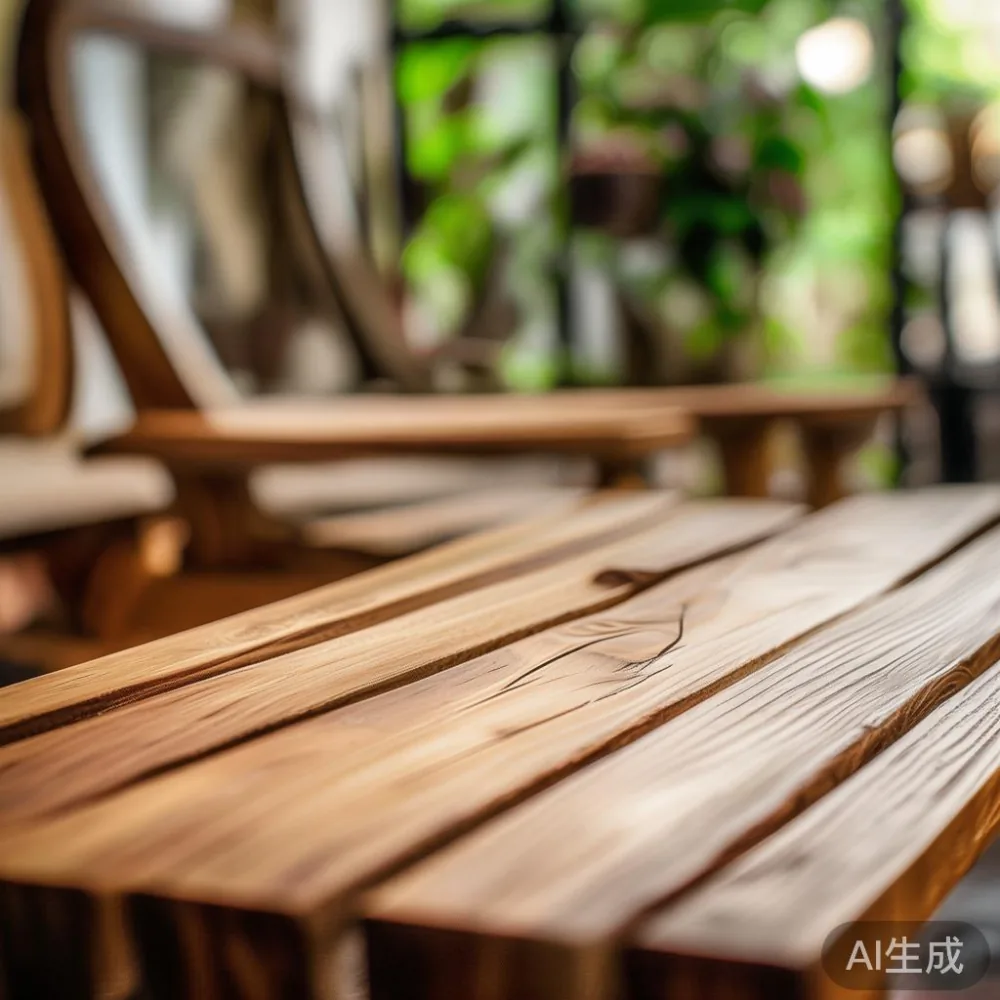
Why Lacquered Surfaces Struggle in a Tropical Climate
Lacquer is a thin, hard film, typically 3 to 5 coats stacked to roughly 0.15 mm total thickness, that seals the wood beneath. In a controlled indoor showroom at 22°C and 55% RH it behaves beautifully. On a HDB balcony it faces three attackers at once: water vapour pressing into the film, salt carried on sea breeze if you live within 1 km of the coast (common in Marine Parade or Sentosa), and intense equatorial sun that heats the wood surface to 55°C by early afternoon. The film expands in the heat, contracts when an aircon unit nearby drops the surrounding air by 10°C, and the cycle repeats 365 times a year. A lacquer that was never designed for outdoor exposure simply cannot keep up.
This is also why serious outdoor furniture makers in Foshan specify marine-grade conversion varnish rather than the standard 2K polyurethane used indoors. The chemistry matters: conversion varnish cross-links under acid catalysis and resists moisture penetration at a molecular level. Anyone shopping for a teak outdoor dining table or a weatherproof lounge chair should ask the showroom which lacquer system is on the piece before paying anything above SGD 800.
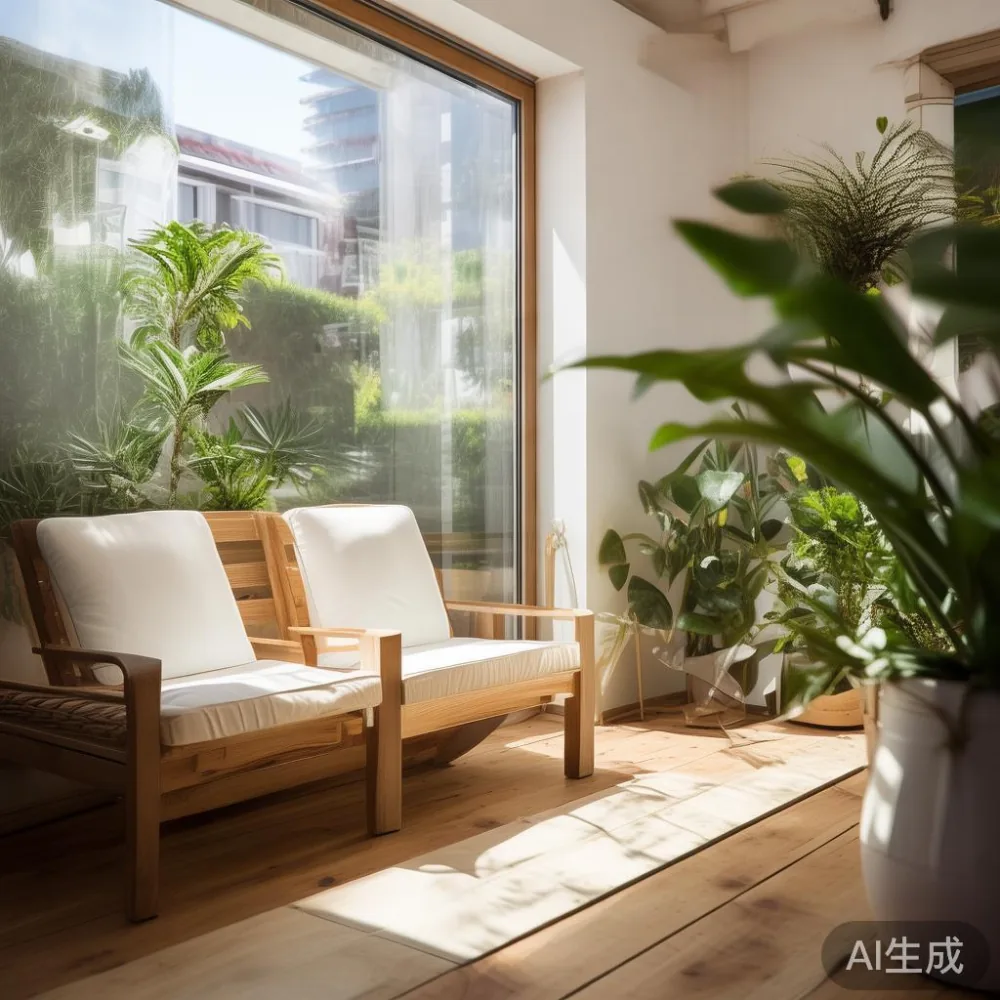
How often should I wipe down lacquered outdoor furniture during the monsoon months?
During the wet season, wipe every piece down twice a week. Use a microfibre cloth (around 30 cm square is fine) lightly dampened with warm water and a drop of pH-neutral dish soap. Wring the cloth until no water drips — you want the surface damp, not wet. Follow with a dry cotton cloth to remove residue. This 90-second routine removes salt deposits and pollen before they can sit on the film for hours.
For households in Punggol or Sengkang where the balcony faces open sky and catches horizontal rain, I suggest placing each piece under the ceiling line by at least 30 cm so the lacquered face stays vertical and sheds water instead of pooling. If a downpour hits while you are at work and the bench is soaked, do not panic — wipe within 4 hours, then leave the piece under shade for the rest of the day. Catching the moisture early prevents the white haze that took my friend's bench nine months to develop.
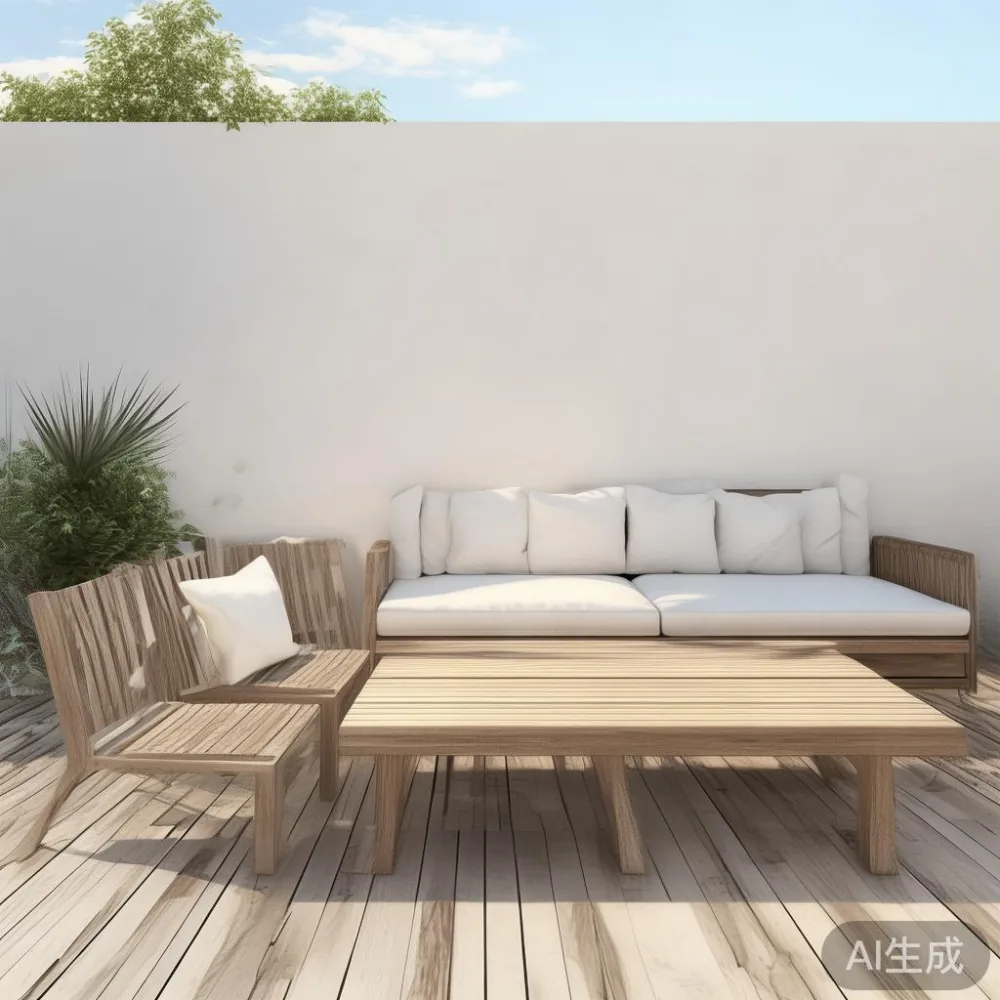
Cleaning Products That Are Safe on Lacquer — and the Ones That Ruin It
Walking through the cleaning aisle of any FairPrice or Cold Storage in Singapore, you will see ammonia-based window cleaners, citrus degreasers, bleach sprays, and silicone polishes. All four will damage outdoor lacquer. Ammonia turns the film cloudy within 20 minutes of contact. Citrus solvents strip the top coat. Bleach yellows the wood over weeks. Silicone polishes leave a film that traps the next layer of moisture against the wood — the one mistake I see most often during HDB move-in inspections.
What works is simple. A mild soap (pH 6 to 8) dissolved in warm water is enough for 90% of cleaning. For a deeper clean every quarter, buy a dedicated lacquer refresher, typically sold in 500 ml bottles for around SGD 18 to SGD 25 at specialty woodworking shops in Joo Chiat or online. Apply with a soft cloth, let it sit 5 minutes, buff off. The cost works out to roughly SGD 0.40 per cleaning session for a standard 180 cm bench.
Sun, Shade, and the 30°C Rule
Lacquer softens at around 35°C and starts to yellow under sustained UV above 40°C surface temperature. A black surface in direct Singapore sun can reach 60°C by 2pm, well past the danger line. Two practical rules have saved every outdoor piece I have handled since 2017:
1. Provide shade between 11am and 4pm. A 2.4 m cantilever umbrella, sailcloth, or even the existing HDB balcony ceiling extension will drop the surface temperature by 18 to 22°C. That single change extends the lifetime of an outdoor lacquer finish by an estimated 40%.
2. Rotate mobile pieces every two weeks. A solid wood sofa, dining table, or bench that sits in the same spot for years develops a sun-side fade and a shaded-side mould mark. A 90-second rotation keeps the patina even. Heavier pieces, such as a 90 kg marble table base or a 70 kg teak dining set, can be moved on furniture sliders (a 4-pack costs SGD 15 at any neighbourhood hardware shop). The slider trick is one my colleague in the MIDHILL showroom demoed for a Tampines couple last month, and they later reported the dining set still looked new after two wet seasons.
How should I store outdoor furniture during a long absence, and what about my indoor lacquer pieces too?
Singaporeans travel often, and a 10-day trip during the monsoon can ruin an unprotected bench. Before you leave, wipe every piece down, let it dry for 2 hours, then drape each one with a breathable cotton cover (not plastic — plastic traps humidity). If your lift is the standard HDB 1.1 m wide x 2.1 m deep type, a fully assembled 2 m dining table will not fit inside. Disassemble to the heaviest manageable module: a 6-seat teak table typically breaks into a 2 m top (about 32 kg) and two 12 kg bases. Store them upright against a corridor wall if needed — most HDB corridors in Tampines and Bedok measure 1.4 m wide, giving you 30 cm clearance on each side even with a 2 m slab leaned flat.
For those wondering where to buy bed from MIDHILL along with their outdoor pieces, the same lacquer care principles apply indoors — bedroom wardrobes and nightstands face humidity from aircon drip trays and morning sun through east-facing windows. Keep the same twice-monthly wipe routine and the finish will hold for 12 to 15 years.
Refinishing and Long-Term Care: A 7-Year Cycle
Even the best lacquer system eventually wears through. You will know it is time when water drops no longer bead on the surface but soak in, leaving a dark ring for 30 seconds before disappearing. That is the wood drinking again, and the clock has started.
For a typical 180 cm outdoor bench, a full sand-and-recoat by a professional in Singapore costs between SGD 180 and SGD 320, depending on access (a 40th-floor balcony in Pinnacle@Duxton adds crane-day cost). The job takes one day on site plus 7 days of full cure time before the piece can sit in rain again. Plan around the forecast — early February and late August tend to be the driest stretches in the annual calendar.
If you purchased your outdoor furniture from a brand that offers lifetime refinishing — a service a small number of Foshan makers, including MIDHILL furniture, still include on solid wood orders — the first refinish at year 7 is usually free, with customer covering transport only. That single policy can save a household around SGD 1,200 over a 25-year ownership window. For anyone browsing for sale light luxury furniture in the American light luxury or French provincial style, lifetime refinishing is a quiet but serious value: it means the 180 cm French provincial TV console you bought for SGD 1,650 today still looks correct in 2045.
What About Cushions, Marble, and Storage Pieces?
Lacquer care is half the story. The other half is everything that sits next to the wood.
Cushions should be brought inside during any rain event. Quick-dry foam wrapped in solution-dyed acrylic (Sunbrella-type fabric at around SGD 35 per metre) survives the odd splash, but a full soaking leads to mould in 48 hours. Store cushions in a 90-litre deck box, which itself should be lacquered teak or powder-coated aluminium, never plastic-on-plastic which traps condensation.
Marble table tops on outdoor dining sets need their own routine. Wipe acidic spills — calamansi juice, sambal, wine — within 10 minutes, or the surface etches. A monthly rub with marble polish (around SGD 22 for a 250 ml tin) keeps the stone food-safe.
Storage-heavy pieces such as a light luxury with storage bench or a european sofa bed with storage demand an open-and-air cycle once a week, 15 minutes with the lid lifted, to prevent trapped mustiness. The internal cavity of a 1.8 m storage bench holds roughly 320 litres of dead air — enough to grow mildew in three days if the lid is slammed shut wet.
For households building a full outdoor + indoor set together — a wardrobe for the bedroom, a nightstand by the bed, a solid wood bed frame, and the balcony dining table — the same maintenance calendar covers all of it. The best Rustic wardrobe for 2026 will arrive with the same lacquer chemistry as a weatherproof outdoor dining chair, and the care steps carry straight across.
When to Replace Rather Than Repair
There is a point where refinishing stops making sense. If the substrate wood shows dark stains more than 20% of its visible surface, if joints have loosened more than 3 mm at the corner blocks, or if the piece has been flooded by seawater (relevant for ground-floor Marine Parade or East Coast units after a king tide), replacement is the honest answer. Refinishing costs more than 50% of a comparable new piece at that stage.
A new mid-range 180 cm outdoor bench from a solid wood specialist in Foshan lands in Singapore at around SGD 1,200 to SGD 1,800 including GST and doorstep delivery (typical lead time 30 to 45 days by sea, fully insured). Free shipping applies over US$350 — that is roughly SGD 470 — which most outdoor sets clear easily. A 10-year structural warranty covers the frame against joint failure and wood cracking from normal use, while a 14-day return window lets you inspect the piece in your own balcony before committing.
Quick Reference: Monthly Care Calendar
Week 1: wipe all lacquered outdoor pieces with a barely damp microfibre cloth (under 60 seconds per piece). Week 2: rotate mobile pieces 180°, sliders recommended. Week 3: open every storage compartment for 15 minutes of airflow. Week 4: deep clean one piece with lacquer refresher. Repeat the cycle every month. Annual: schedule a professional inspection in February; budget SGD 50 to SGD 80 for a 30-minute visit that catches small issues before they cost SGD 300. Every 7 years: arrange refinish, ideally bundled across multiple pieces to share transport cost.
This routine has kept every outdoor piece I have looked after since 2018 looking close to new. The climate in Singapore is genuinely harsh on lacquer, but it is also predictable. Plan around it, wipe on schedule, and the piece that arrives from Foshan today will still be hosting kopi sessions on your balcony in 2040.