How Southeast Asian Humidity Affects Solid Wood Outdoor Furniture
Singapore’s climate can change solid wood more quickly than many buyers expect. Air humidity rises during the monsoon periods, outdoor surfaces collect rain and dew, and constant warmth can encourage movement inside timber. For a solid wood sofa, bed frame, dining table, wardrobe, nightstand, or marble table, the answer depends on wood species, joinery, finish, placement, and care rather than on humidity alone.
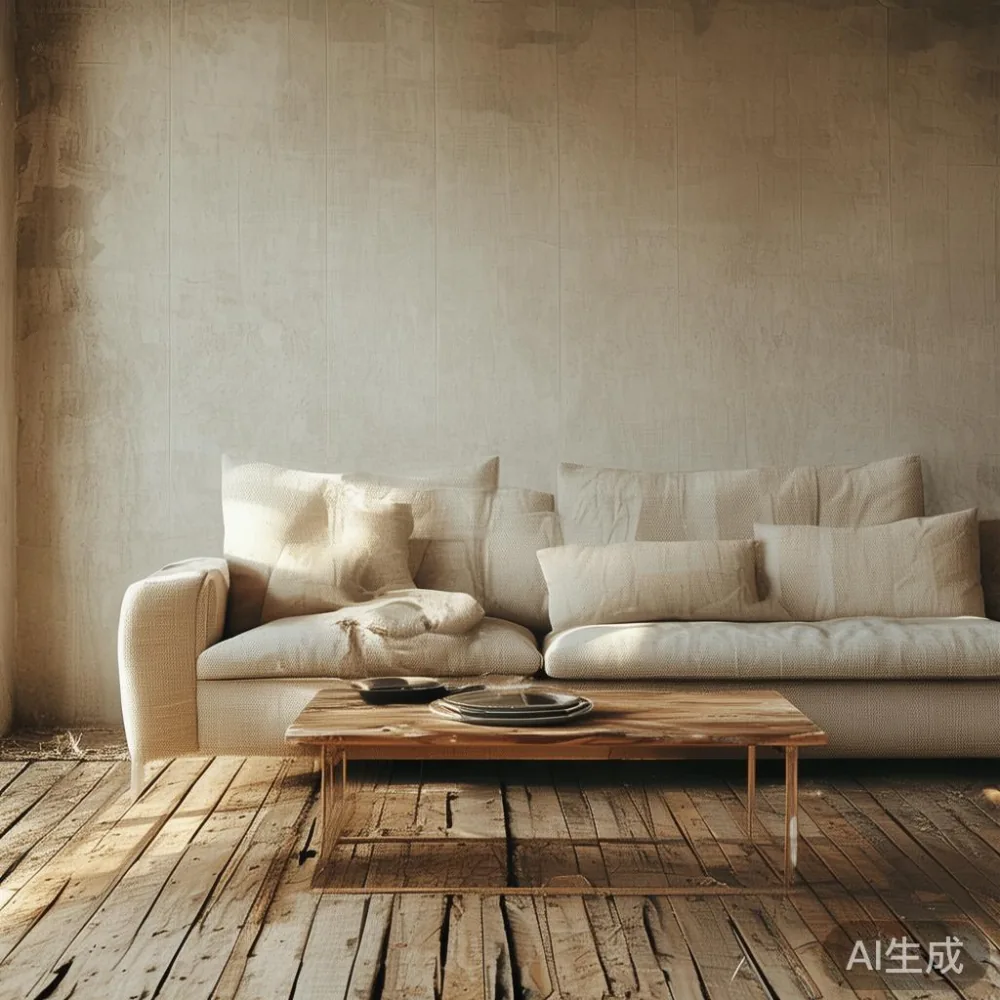
Southeast Asia is therefore not simply a hot country; it is a humid region with short, intense rain periods, warm nights, and salt-laden air near the coast. In an HDB flat in Tampines, Bedok, or Punggol, an outdoor furniture set may live on a balcony, in a corridor, or beside a condominium pool. The practical question is how much moisture the timber can manage without swelling, splitting, or loosening.
What does 70–85% relative humidity do to solid wood furniture?
Wood is hygroscopic: it absorbs moisture when the surrounding air is humid and releases it when the air dries. A relative humidity level of 70–85% is common in Singapore during wet weather. It does not automatically ruin furniture, but it increases dimensional movement, especially in wide boards and thinner components.
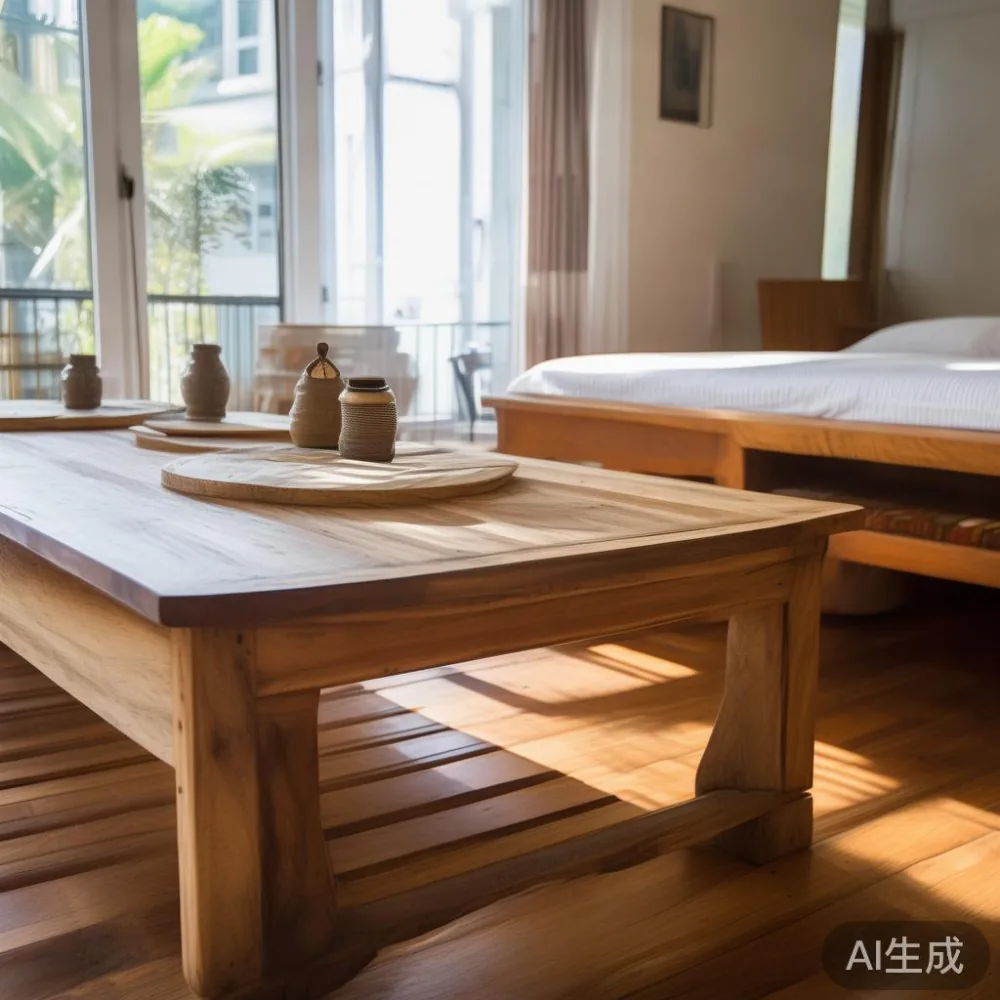
A solid oak dining table may expand by roughly 1–3 mm across a 120 cm width as its moisture content rises. Teak used for outdoor furniture moves less because it is denser and more stable, but movement of about 0.5–2 mm remains possible. A 200 cm solid wood dining table can show around 2–6 mm of total width change through seasonal wetting and drying. Those figures are useful planning references, not guaranteed measurements; species, grain direction, and construction can alter them.
The damage often appears at the weakest point. A screw may loosen by a fraction, a tabletop may develop a small gap, or a finish may look cloudy after repeated moisture exposure. A wardrobe or nightstand kept in an enclosed corridor can develop edge swelling if airflow is poor. A marble table has a different risk profile: the stone itself does not absorb much water, although its base and joints can stain, corrode, or loosen if water sits underneath.
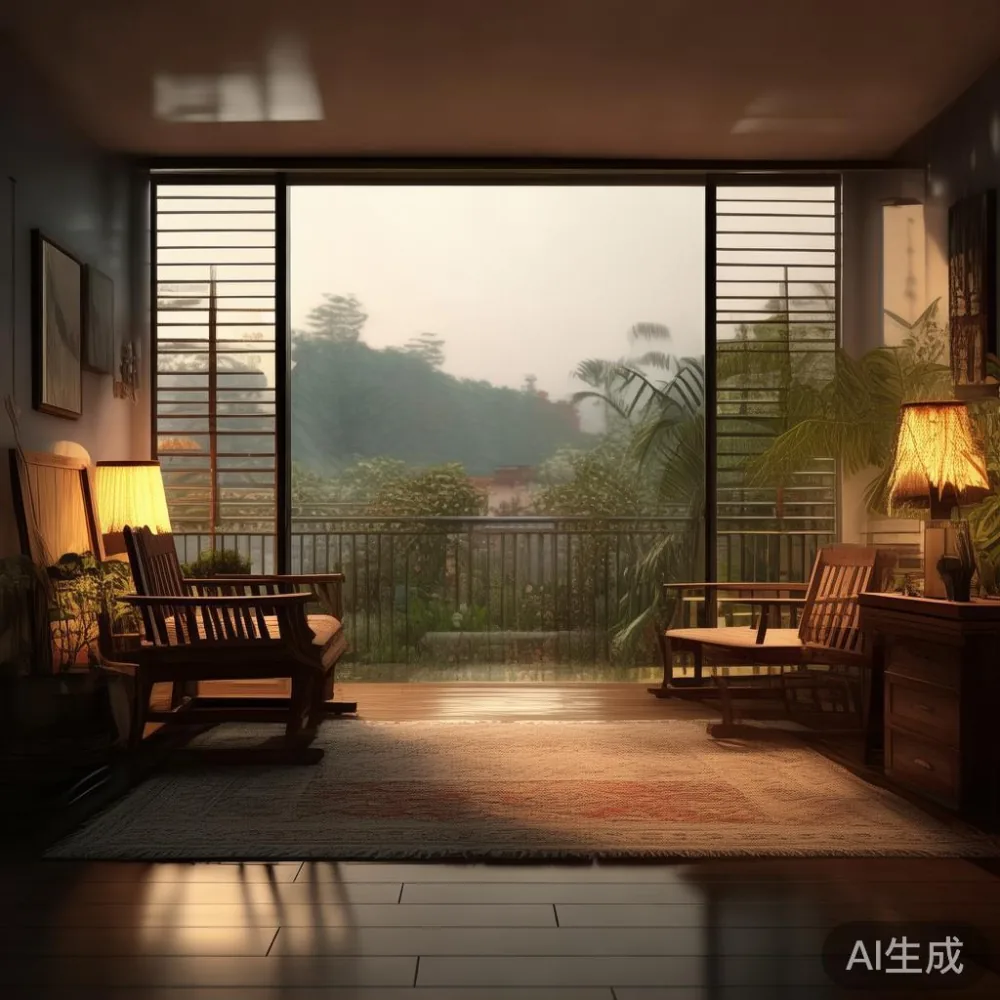
For indoor solid wood furniture, Singapore’s average indoor readings are usually less severe than balcony readings. Air-conditioning often lowers humidity to 40–60%. That more stable environment explains why an indoor bed frame or solid wood sofa can remain stable even while outdoor furniture is exposed to monsoon rain.
Is outdoor furniture in Singapore usually built from teak, acacia, or weather-resistant oak?
Teak is a common choice because its natural oils provide useful resistance to moisture and insects. Acacia and other durable hardwoods can also work outdoors when the design includes proper drainage and a maintainable protective finish. Engineered timber may be offered for covered spaces, but a customer comparing products should ask about the face veneer thickness, core material, and whether solid timber is used on all exposed surfaces.
A well-made outdoor furniture dining set should have slatted or perforated surfaces rather than one broad, water-trapping panel. A 180 cm teak dining table with 8–12 cm gaps between boards sheds water more effectively than a completely solid top. Legs should be mechanically joined where possible, and the frame should stand at least 3–5 cm above a wet surface. Feet with adjustable plastic or metal pads can help prevent standing water from entering end-grain joints.
Finish matters as much as species. A penetrating oil sealer can preserve the timber’s natural appearance, while a harder coating offers stronger surface protection but can check or peel if moisture repeatedly enters the wood. Apply coatings to clean, dry timber in several thin coats; a typical maintenance cycle is every 8–12 months under coastal exposure. Some products require only an annual inspection, but heavily used balcony furniture may need cleaning every 2–4 weeks during wet periods.
Those terms also appear in indoor purchasing questions. A Japanese-style platform bed may be sensitive to standing moisture if the floor is damp, and sellers searching for for sale Japanese furniture should distinguish bedroom pieces from furniture approved for exposed outdoor use.
How do HDB corridors and condominium balconies change the humidity risk?
Singapore’s high-rise living creates several microclimates. A west-facing Tampines balcony can exceed 35°C in the afternoon, while an open Bedok corridor can experience airflow during heavy rain. A Punggol condo balcony beside a pool may receive both humidity and chlorinated spray. Lifts and corridors also determine what can be delivered without damaging a piece.
Before ordering outdoor furniture, measure the route rather than only the balcony. Record the HDB lobby width, lift door opening, lift car dimensions, corridor turns, and stair width. A dining chair 52 cm wide may pass through a 90 cm lift door, but a 220 cm table will not fit through the same opening unless it can be dismantled. Check that the lift permits the delivery crew and that the intended path has at least 10–15 cm of extra clearance around large pieces.
For high-rise projects, an outdoor furniture dining set may need to be delivered in 2–4 modules. Delivery to Singapore typically takes 5–10 working days after production and clearance. MIDHILL’s free shipping threshold of US$350 does not remove the need to check access at home; local GST and the final delivered cost should be confirmed before purchase.
Placement can reduce humidity more effectively than a heavier coating. Keep furniture at least 20–30 cm away from a balcony wall, avoid direct roof runoff, and leave space beneath seats and tables. Air circulation helps drying after rain, but a strong fan should not be aimed at a freshly cleaned finish. For corridors, specify rust-resistant hardware, sealed joints, and finish suited to frequent touch and cleaning.
What should buyers ask before choosing furniture for Singapore’s climate?
Ask the seller for the timber species, finish type, expected outdoor coverage, and care schedule. “Suitable for outdoor use” should mean more than a photograph of a timber table beside a plant. The supplier should be able to explain how the frame is joined, whether end grain is sealed, how drainage is handled, and which components can be replaced after 5–10 years.
Buyers comparing a European bed vs Japandi bed should not apply the same moisture expectations to both. A European upholstered bed with a solid wood frame is intended for an indoor bedroom, while a Japandi-style timber platform may suit a dry room but still needs protection from balcony dampness. The phrase is Japandi bed worth it appears in many comparisons, yet finish durability and room humidity can matter more than visual style.
For indoor products, questions such as where to buy bed from MIDHILL and best American bed for 2026 focus attention on design and construction, but Singapore owners should add climate questions to the checklist. An oak bed frame should be sized with ventilation gaps, a solid wood sofa should not sit against a cold exterior wall, and a nightstand should be moved during periods of direct dampness.
MIDHILL describes its materials for 10-year structural coverage and supports refinishing over the product’s life, which can be useful after moisture-related surface wear. That structural warranty should not be confused with a promise that finishes or outdoor hardware never need maintenance. Verify the written terms, exclusions, and care requirements.
How should solid wood furniture be cared for during humid months?
Clean outdoor furniture with fresh water and a soft brush after heavy rain. Avoid pressure washing a piece harder than 80 bar because it can force water into joints and strip oil from timber. Wipe standing water from table tops, check under seat cushions, and tighten visible fixings after the first 2–3 rain events. Let the wood dry naturally rather than using excessive direct heat.
For indoor furniture, keep relative humidity as steady as practical. A hygrometer placed in the bedroom or living room gives a clearer picture than a weather app. Readings around 45–65% are generally comfortable for solid wood. In a non-air-conditioned corridor, readings may remain above 75%, so move wardrobes and other large pieces away from exterior walls.
Small surface marks can often be treated with a compatible maintenance product. Test it on a 10 cm square hidden area and wait 24–48 hours. Do not sand aggressively or apply a water-based product over an oiled surface without checking compatibility. If black mould appears, isolate the area, identify the moisture source, dry the piece, and clean it with a product approved for the specific timber and finish.
For leather seating, keep cushions off damp timber and remove them after rain. For a marble table, use a neutral pH cleaner, wipe spills promptly, and inspect the underside for trapped moisture. Solid wood dining tables need coasters and trivets, while a wardrobe or bed frame needs room for airflow.
Does humidity affect light-luxury furniture differently?
Humidity does not respect style labels, but design influences how easily furniture can be maintained. French light luxury often uses pale woods, refined profiles, and delicate finishes that show water marks quickly. American light luxury frequently combines solid timber with generous leather upholstery and broad surfaces. Post-modern light luxury may use mixed materials, including marble table tops and metal details, which can create more than one moisture-management requirement.
A French-inspired solid wood sofa placed on a sheltered balcony needs a stable base and removable cushions. A leather dining chair needs care around the frame joints. A marble table needs checked seals, even when the top itself is resistant to absorption. Light finishes on oak or ash should be renewed sooner than darker, more forgiving finishes after salt and UV exposure.
Style should follow the location. A sculptural dining table suited to a dry dining room may be unsuitable for an open balcony unless its finish and joints are outdoor-rated. The furniture does not need to look rustic to be practical; slender profiles can be engineered with covered joinery and replaceable components.
Can outdoor furniture be brought indoors during the wettest months?
Moving furniture inside can protect it, but only if the indoor surface is dry and there is enough space. An outdoor furniture set left in a corridor can obstruct a 100–120 cm passage and create a trip hazard. A HDB common corridor is not a suitable storage room simply because it is under cover.
If an HDB flat has limited storage, consider stackable or folding chairs with a footprint of about 45–60 cm per seat. Measure folded dimensions and lift access before ordering. Bring timber indoors only when it is dry, clean, and can breathe. Setting damp furniture against a wardrobe or bed frame can transfer moisture to those indoor pieces.
Humidity control devices can help in enclosed rooms, but they are not a substitute for drainage and sensible placement. Dehumidifiers consume power and require regular tank emptying; portable desiccants work within small enclosed spaces rather than open balconies. The simplest protection is keeping water away, allowing airflow, and maintaining the finish on schedule.
How can buyers compare solid wood and marble furniture for humid conditions?
Compare the complete product rather than one material. A solid wood dining table made from one species and carefully joined may be easier to maintain than a mixed-material table with exposed metal connectors. A marble table may suit a humid balcony if its base is sealed and drainage is correct, but stone can make a small balcony feel visually heavier. Consider the available footprint, sun exposure, and cleaning habits.
Check dimensions in centimetres, weight in kilograms, and delivery restrictions. A 180 cm dining table may weigh 55–85 kg, while a marble version may reach 90–140 kg. Ask whether the lift can handle the packaged weight and whether the crew can carry it safely to the balcony. Delivery usually takes 5–10 working days, but access coordination can add 1–3 days, especially in new condo developments.
For a bed frame, check floor contact and room ventilation. For a solid wood sofa, inspect seat-base moisture traps and removable covers. For a wardrobe, confirm wall clearance and floor protection. A nightstand should be raised slightly where flooding or mopping occurs. These small design details often matter more than the timber’s reputation.
What is the practical verdict for Southeast Asian humidity?
Singapore humidity affects wood furniture through repeated swelling, shrinking, finishing wear, and joint movement, but suitable construction and disciplined care can control the risk. Outdoor furniture needs stable timber, drainage, sealed end grain, corrosion-resistant fixings, and frequent inspection. Indoor solid wood furniture performs well when humidity remains moderate and air can circulate.
Choose teak or another stable hardwood for exposed outdoor use, allow 20–30 cm from walls, keep furniture above pooled water, and clean it after heavy rain. For beds, sofas, wardrobes, nightstands, and marble tables, use compatible finishes and stable indoor conditions around 45–65% relative humidity.
Most importantly, measure the home before choosing the piece. A 5 cm measurement error at a lift can turn a carefully planned room into a delivery problem. Last month I visited a client’s Bedok apartment with a teak outdoor furniture set already on site. The developer had supplied an excellent drawing, yet the narrow service lift measured 92 cm at the door and 108 cm inside, so the 200 cm table had to enter in 2 sections. The lesson was simple: the furniture and the building must be designed as one project, particularly in Singapore’s humid, high-rise environment.