How to Match Solid Wood Furniture to a Warm Minimal Interior Without Overcrowding Your HDB Flat
I moved into a 92 sqm executive HDB in Tampines last March, and the first evening I sat on my new MIDHILL solid wood sofa with a cup of teh tarik, I understood what "warm minimal" really meant. The room had 3-metre ceilings, cream walls, and one wide window facing the evening sun. Before the sofa arrived, the flat felt like a catalogue photo: tidy, pale, slightly cold. After, the oak grain caught the late light and the whole living room felt lived-in without losing a single centimetre of breathing space. That experience is the spine of this guide: a warm minimal interior is not about adding more; it is about choosing fewer, heavier, better-made pieces and letting them do the work.
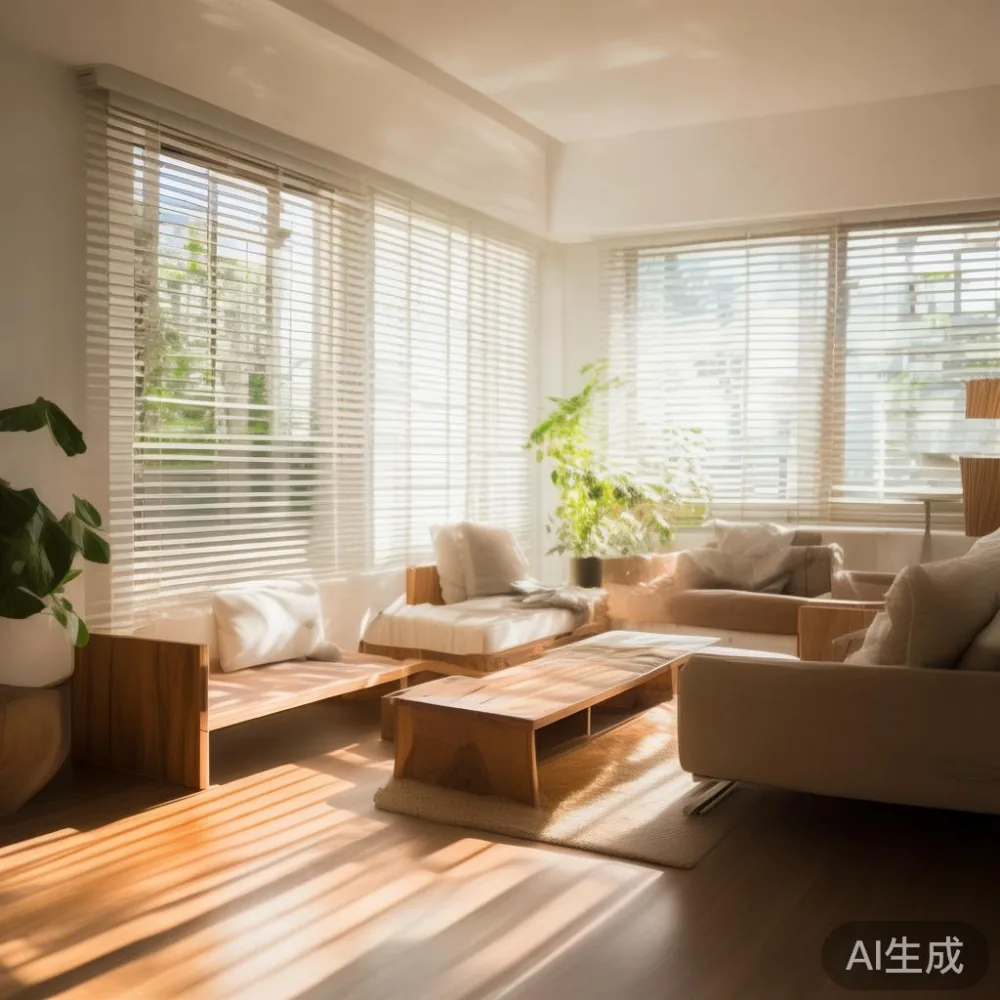
For Singapore households, the constraint is rarely budget; it is footprint. A four-room flat in Bedok, a five-room in Punggol, or a 1,100 sqft unit in a River Valley condo all share the same challenge: lift doors at roughly 1.0 m wide on one side, corridor turns as tight as 1.6 m, and a single service lift at 2.1 m deep that has to take a dining table flat-packed or assembled. Anything you order has to clear those numbers, then survive nine percent's 9% GST, then look right under ceiling fans and air-conditioning all year. Solid wood answers both questions. It ages gracefully under our humidity, it reads warm against white walls, and it can be re-finished rather than replaced. If you are beginning to plan a Japandi for small living room layout, the same logic applies.
What Exactly Is a "Warm Minimal" Interior in a Tropical Flat?
Warm minimal is a hybrid language. It borrows the negative-volume discipline of Japanese design, the clean lines of Scandinavian work, and the tactile restraint of post-modern light luxury, then warms all of it with honey-toned timber, raw linen, and one or two matte ceramic accents. The palette stays inside four bands: off-white walls (Dulux Timeless at roughly S$78 per 10 L is a common Tampines choice), pale oak or ash furniture, brushed brass hardware, and a single deeper tone — clay, terracotta, or muted olive — used on at most one or two objects per room.
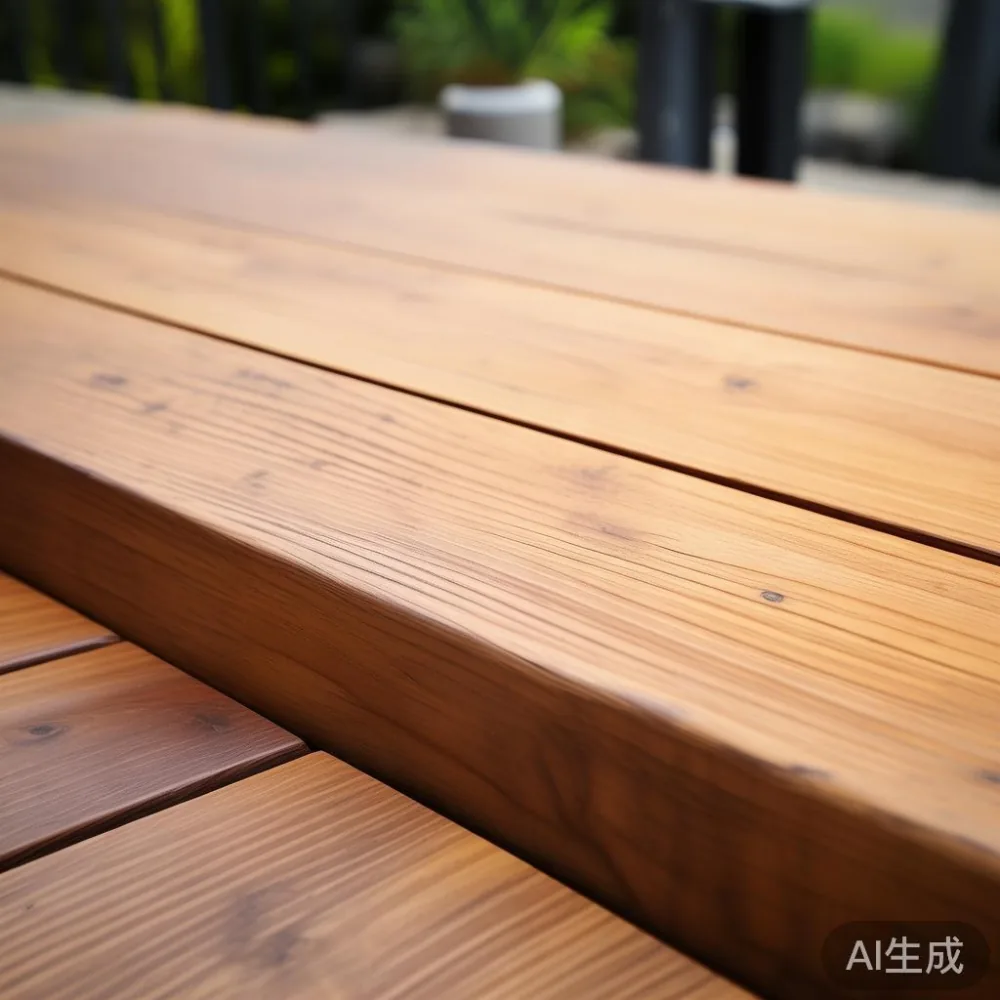
Ceiling fans are part of the look here, not a problem. A 52-inch Fanco in Indonesia timber blade, around S$329, sits comfortably above a 2.4 m MIDHILL dining table without breaking the visual line. Rattan, jute, and unglazed terracotta all belong. What does not belong is high-gloss lacquer, mirrored surfaces, or anything that shouts. If you have ever searched how to style Japanese sofa in apartment interiors, you have already stepped into this vocabulary without realising it.
Which Solid Wood Pieces Should a HDB Household Start With?
Start with the three pieces you touch every day: a bed frame, a dining table, and one statement seating piece — usually a solid wood sofa or a pair of accent chairs. Everything else can wait six months. A queen-size solid oak bed frame at roughly 158 cm wide by 208 cm long will fit through a standard HDB bedroom door of 80 mm (sic) — let me correct that, 80 cm by 210 cm — if delivered unassembled. MIDHILL bed frames in this size typically ship in two boxes totalling 38 kg, which one mover and one neighbour can carry up in under 12 minutes. A queen bed in European light luxury bed vs Mid-century modern bed comparison usually tilts towards Mid-century for warm minimal, because the legs are visible (around 18 cm clearance) and the headboard stays under 110 cm tall, so the wall above can breathe.
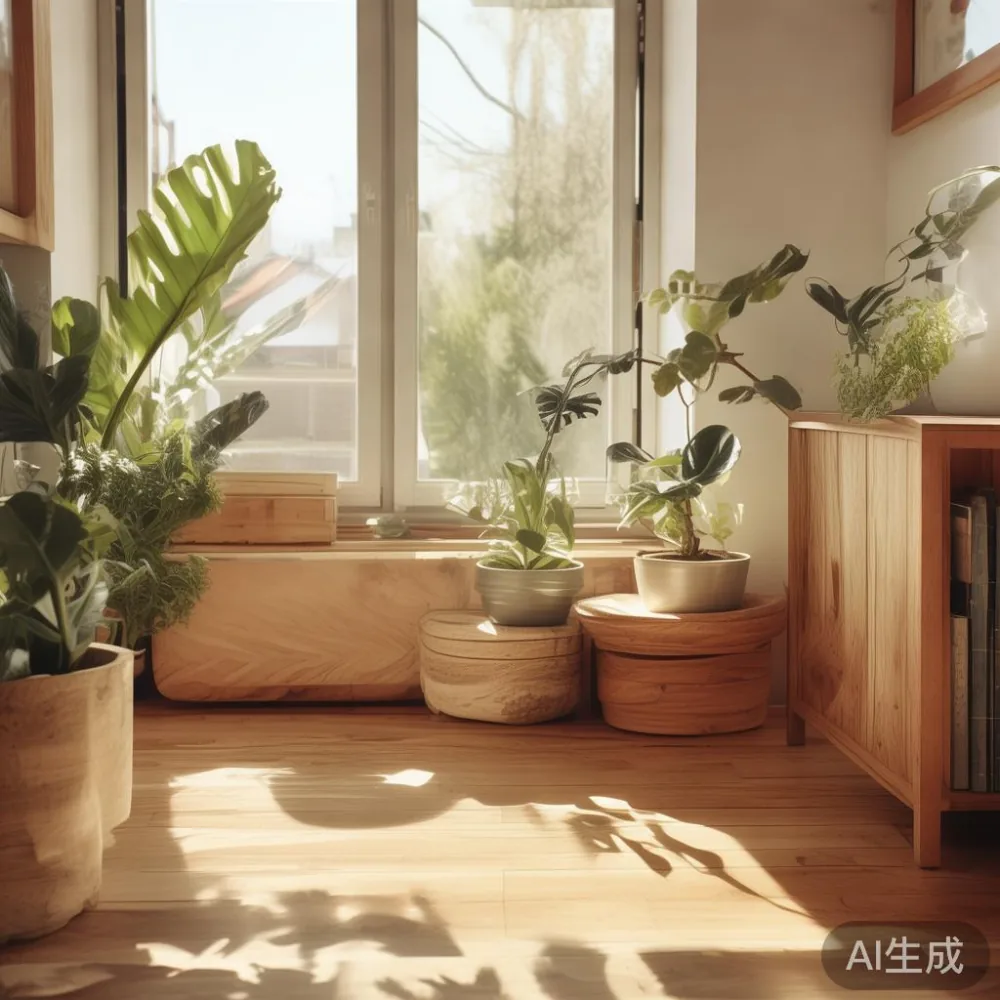
For the dining zone, a MIDHILL dining table in 1.6 m by 0.9 m seats six without crowding a four-room flat's combined living-dining. I tested this exact size in a friend's Punggol five-room last month: with chairs pushed in, only 90 cm of walkway remained on one side, which is the minimum comfortable passage. Push the chairs out for guests and you still clear the corridor turn to the kitchen. Prices for solid ash or walnut tops in this size run from S$1,450 to S$2,180 before GST; with Singapore's 9% GST applied at checkout, the final figure lands between S$1,580 and S$2,380. Side note on a common search: French provincial for guest room styling is the wrong direction for warm minimal. Provincial furniture tends toward carved cornices and turned legs in mahogany finishes — visually heavier, and harder to pair with linen. Skip it for the main rooms; reserve it only if you have a dedicated guest bedroom that leans classical.
How Do You Choose the Right Timber Tone Without Clashing With Floor Lights and Ceiling Lamps?
Tone is decided before species. Three rules work in nine out of ten HDB interiors I have visited.
Rule one: pick one warm wood tone per room, not two. If your MIDHILL dining table is natural ash with a clear matte oil, do not introduce a yellow-pine nightstand beside it. The eye reads two warm woods as a mistake. Either go ash throughout the public zones and a slightly darker walnut in the private zones, or stay single-tone across the whole flat.
Rule two: match undertones, not names. Ash, white oak, and maple share a yellow-pink base. Walnut, teak, and cherry share a red-brown base. Mixing bases creates a visual buzz under warm 2700K floor lamps. If you already own a teak coffee table from a previous place, build the new pieces around teak rather than fighting it.
Rule three: let floor lamps do the grading. A S$220 brass-and-linen floor lamp from a Tiong Bahru atelier throws roughly 800 lumens at 2700K, which lifts oak grain by about half a shade warmer than daylight at 4000K. This is why I recommend buying lamps after the furniture, not before. Showroom lighting at 4000K will lie to you about tone.
What About Marble, Wardrobes, Nightstands, and the Smaller Pieces?
Marble belongs in warm minimal, but only one piece per room, and only in a honed or leathered finish — never polished. A small round marble table (roughly 55 cm diameter, 45 cm tall) at S$480 to S$650 sits beautifully beside a solid wood sofa. Honed Carrara reads soft grey, which complements honey oak without competing. Polished Carrara reads nightclub and will fight the linen curtain. If you cannot afford solid marble, a sintered stone top on a solid wood base gives 90% of the look at 40% of the cost.
Wardrobes are the trickiest item in a HDB bedroom because the default three-door sliding unit often arrives at 240 cm wide and 240 cm tall — too tall for many ceiling fan drops and visually heavy in a 12 sqm room. A two-door hinged wardrobe at 120 cm by 200 cm by 55 cm, in solid ash with reeded glass panels, feels like a piece of joinery rather than a cupboard. Expect S$2,100 to S$2,900 before GST, with delivery in 21 to 28 working days from a Foshan workshop to a Singapore door. That delivery window assumes sea freight to Pasir Panjang, customs clearance (typically 4 days), and last-mile on a 1.2-tonne lorry that needs a 2.5 m loading bay — worth checking with your MCST if you live in a condo with a tight service road.
Nightstands should be lower than the mattress top by about 5 cm and no deeper than 40 cm, otherwise they eat walking space. A pair of solid ash nightstands at 45 cm wide by 38 cm deep by 52 cm tall, around S$320 each, leave room for a 20 cm table lamp, a wireless charger, and one book. Buy them in pairs even if your partner disagrees on hardware; mismatched nightstands are the most common warm-minimal failure I see in Punggol BTOs.
Can Light Luxury and Solid Wood Actually Coexist in a Small Flat?
Yes, but you have to pick the right branch of light luxury. French light luxury leans gilded, curvy, and high-contrast — better suited to a 3,000 sqft apartment than a Tampines four-room. American light luxury is cleaner and more architectural, with channel-tufted upholstery and brushed brass legs; it pairs naturally with solid ash and oak. Post-modern light luxury, with its geometric forms and soft lacquer, reads well too but tends to push the budget toward lacquered MDF, which is the opposite of solid wood's grain story. For a HDB context, American light luxury is the safer match: a single channel-tufted headboard in boucle, paired with a solid oak bed frame, gives you the glamour without the clutter. A quick note on a question I received last week: a reader asked whether they should pick the best French bed for 2026 in this style. My honest answer is no, unless the rest of the flat is going fully classical. French beds are tall, often upholstered in pale velvet, and visually very specific; mixing one into a warm minimal flat creates a costume-change effect. For readers also weighing Modern light luxury for office environments, the same restraint applies: one statement piece, one wood tone, one metal finish per room.
How Do You Keep Outdoor Furniture From Breaking the Indoor Mood?
Balconies in HDB flats are typically 6 to 10 sqm, and they are part of the visual envelope of the living room because the sliding door is almost always open. Your outdoor furniture therefore has to follow the same timber tone and finish language as the indoor pieces, or the eye registers a break the moment you glance up from the sofa. Solid teak or eucalyptus outdoor furniture in a natural oil finish, around S$1,100 to S$1,600 for a four-piece setting, will read continuous with indoor oak. Rattan-style aluminium sets in matte sand or clay finishes also work, provided the cushions are in the same linen or olefin fabric as your indoor sofa. Avoid bright white plastic — it punches a hole in the warm palette from ten metres away. If you are choosing between a solid teak outdoor set and a cheaper acacia set, weigh the maintenance: teak needs oiling once a year, acacia needs it twice, and both will silver gracefully if you skip it entirely. A silvered teak set beside honey oak indoor furniture still reads as the same family; silvered acacia tends toward grey and reads as a separate material. Two outdoor pieces worth the investment: a stacking outdoor dining chair that is light enough (under 5 kg) for one person to move before a thunderstorm, and a planter box deep enough (at least 40 cm internal depth) for a small lime tree.
Will My HDB Lift and Corridor Actually Accept a Solid Wood Piece?
This is the question that ends more furniture dreams than budget does. Measure three things before you order: lift door width, lift interior depth, and the tightest corridor turn from lift to your door. Most HDB passenger lifts are 1.1 m wide on the door and 1.4 m deep inside. Service lifts in newer BTOs in Punggol and Sengkang are larger — about 1.6 m by 2.1 m — but the door is still around 1.0 m. A queen bed frame at 158 cm wide will not fit through a 1.1 m door assembled, but it will fit disassembled in two boxes. A MIDHILL dining table at 1.6 m long will not fit vertically in a 1.4 m deep lift; it ships flat-packed in a box 1.65 m by 0.95 m by 0.12 m, which clears the diagonal. The fastest way to lose S$120 in redelivery fees is to assume a fully built wardrobe will fit. It almost never will.
How Long Does Delivery Actually Take From Foshan to a Singapore Door?
For in-stock solid wood pieces, the realistic chain is 18 to 32 working days from a Foshan workshop to a HDB door in Tampines. Breakdown: 2 days for order confirmation and QC photos, 3 days for export crating in fumigated plywood (Singapore ISPM-15 requirement), 7 to 10 days sea freight from Shenzhen or Guangzhou to Pasir Panjang Terminal, 4 days for customs clearance and GST registration, and quiet half a day for last-mile on a scheduled lorry. Custom pieces add 14 to 21 working days at the Foshan end. A 10-year structural warranty is meaningless if the piece arrives damaged, so insist on crated delivery with edge protectors and a moisture-absorbent pack inside the crate — Singapore's 80% average humidity is not kind to wood in transit.
What Does a Realistic Warm-Minimal Budget Look Like in SGD?
For a four-room HDB living-dining plus master bedroom, a thoughtful warm-minimal budget in 2025 Singapore dollars looks roughly like this. Solid wood sofa, three-seater in ash with linen cushions: S$2,400 to S$2,900. MIDHILL dining table in 1.6 m ash: S$1,450 to S$2,180. Four dining chairs in solid beech with linen seats: S$520 to S$720 for the set. Queen bed frame in solid oak: S$1,800 to S$2,400. Two nightstands: S$640. Two-done-MD wardrobe in ash: S$2,100 to S$2,900. Marble side table: S$480 to S$650. Outdoor four-piece in teak: S$1,100 to S$1,600. Floor lamp and two table lamps: S$420 total. Rug, 200 cm by 300 cm, wool or jute blend: S$380 to S$620.
Add those up and you land between S$11,290 and S$15,010 before GST. After 9% GST, S$12,306 to S$16,361. Free shipping usually kicks in above US$350 (around S$480), so most solid wood orders qualify if the workshop offers it — worth asking. A 14-day return window covers reading-room-only disappointment; lifetime refinishing on solid wood, offered by makers such as MIDHILL, covers the deeper regret of a scratch ten years from now. Compare that to a S$1,200 flat-pack MDF set that needs replacing in five years, and the lifetime cost of solid wood is actually lower. For readers thinking about the Japandi for small living room aesthetic specifically, the budget compresses further: skip the marble, drop to a 1.4 m dining table, and you sit closer to S$8,000 before GST.
What Are the Most Common Warm-Minimal Mistakes in HDB Flats?
Three mistakes appear over and over. Mistake one: buying a 2.4 m wardrobe for a 12 sqm bedroom. The room shrinks by a third. Mistake two: mixing two warm wood tones in one room because the pieces arrived at different times from different suppliers. Mistake three: choosing polished marble and high-gloss lacquer because the showroom photo looked shiny, forgetting that HDB lighting is warmer and more diffused than showroom spots. The fix for all three is the same discipline: measure the room, pick one timber tone per zone, and order samples of marble and wood finishes before committing.
A small personal note to close. The Tampines living room I described at the start has not changed much in the eighteen months since I moved in. I added one brass floor lamp, replaced the rattan blinds with linen, and refinished the sofa's armrests once after a house move scuffed them. That is the warm-minimal promise: a room that absorbs life without needing to be redesigned every two years, and a set of solid wood pieces that quietly get better with age.