Caring for Lacquered Outdoor Furniture in a Tropical Climate: A Practical Guide for Singapore Homes
Six months ago I helped my colleague Wen Ling move into a new 4-room HDB flat in Punggol. Her balcony is barely 1.4 metres wide, and the corridor outside her unit measures just the standard 1.2 m, yet she squeezed a small outdoor furniture set through both the lift door (1.2 m opening) and the entry, which meant every centimetre of that lacquered surface arrived in perfect shape. Two months later the gloss was already dulled by morning dew and afternoon thunderstorms. That is the moment she pinged me for help, and that is the problem this guide is built to solve.
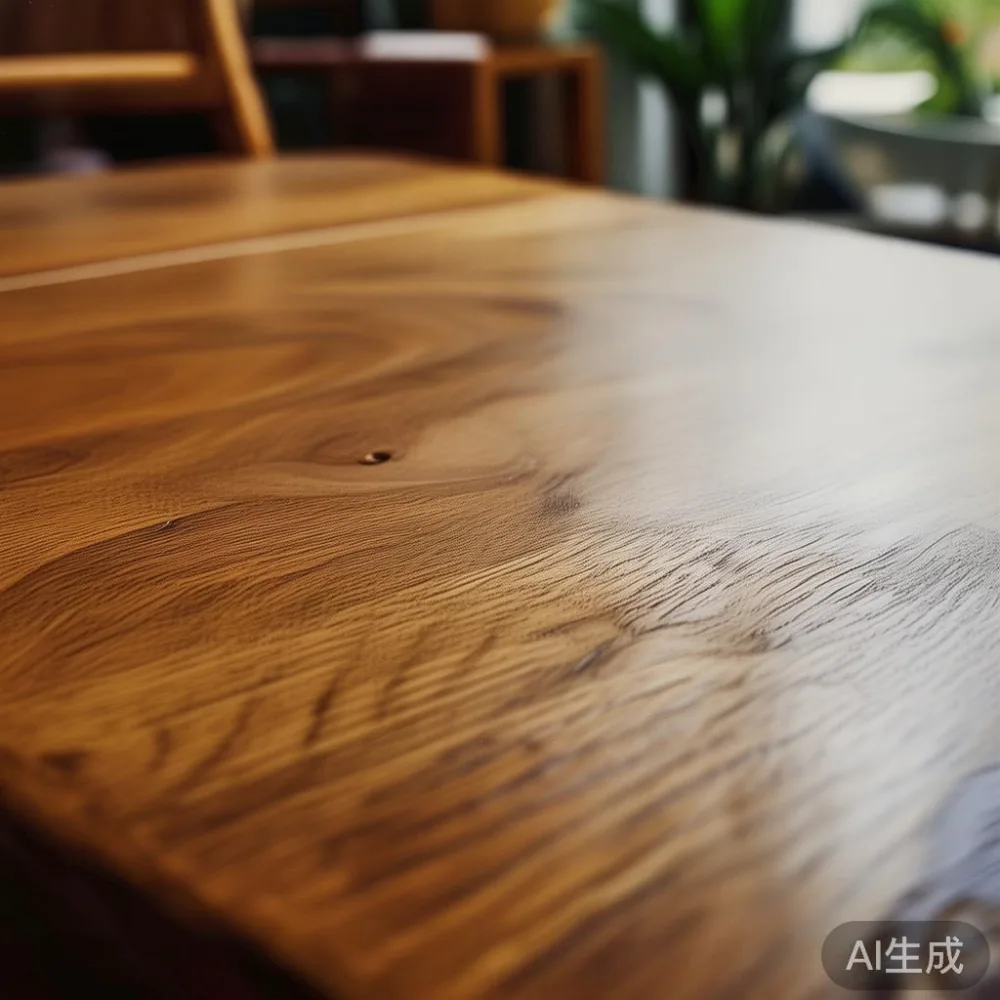
Why Lacquered Surfaces Struggle in a 2,400 mm Tropical Balcony
Lacquer is a thin film finish, usually 3 to 6 coats of polyurethane or acid-cured varnish, sitting on top of solid wood such as teak, mahogany or ash. In Tampines or Bedok, the outdoor relative humidity hovers between 70 % and 85 % for roughly 280 days a year, and UV index regularly hits 9 to 11 from 11 am to 3 pm. That combination is punishing: lacquer expands in the wet hours, contracts in the dry, and yellows wherever sunlight reaches it. A 60 cm x 90 cm side table left on a west-facing ledge can lose up to 20 % of its sheen in four months.
Mr Lim, who manages a 22-unit condo along TPE, told me last month that nearly 70 % of his residents report "white ring" marks on lacquered tables within the first year. The white ring is moisture trapped under the film, not damage to the wood itself, and it is fixable in most cases. The fix is what we will get to.
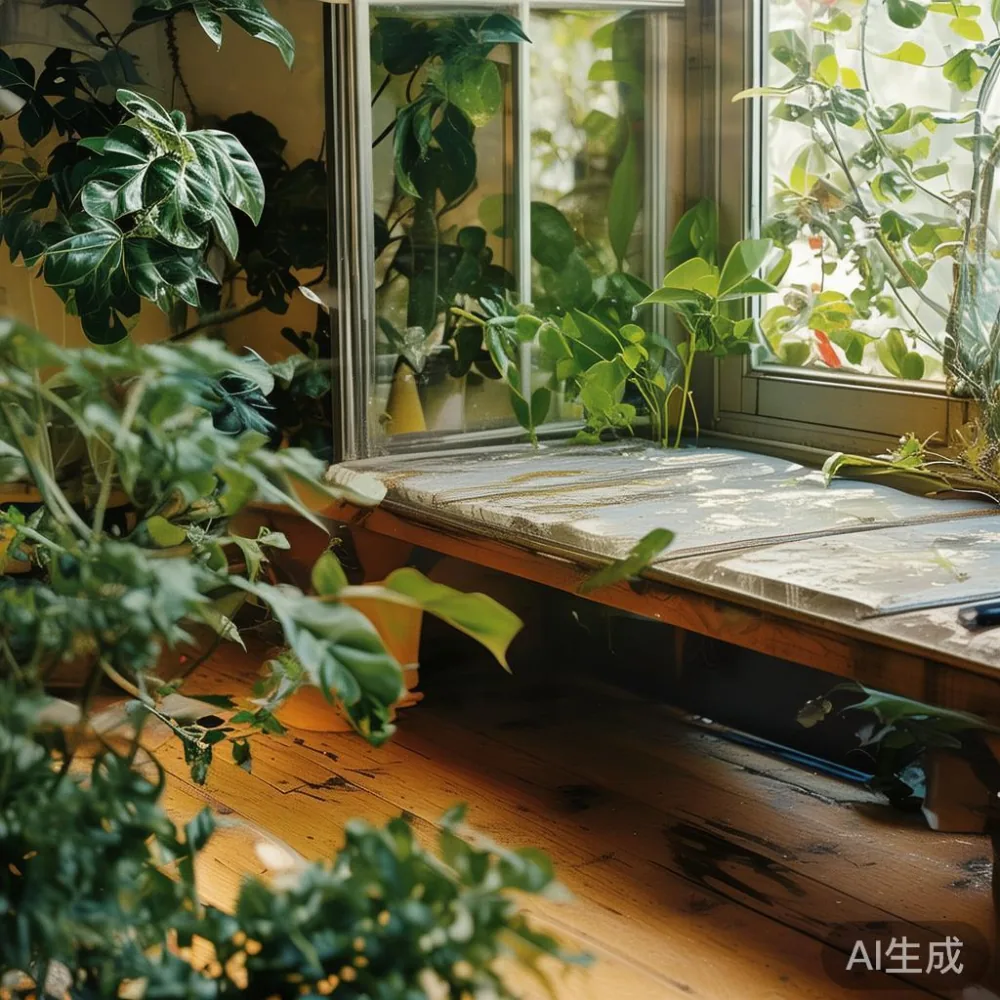
Is a Coffee Table Worth the Price?
Yes, a lacquered outdoor coffee table is worth the price if you buy it for the right reason: a 90 cm round oak piece with a satin lacquer top from a workshop that offers lifetime refinishing will outlast three or four cheaper units, and that is the real economic test. Calculate cost per year, not cost at checkout. A S$1,200 table refinished twice over fifteen years works out to roughly S$80 a year; a S$450 table replaced twice in the same span costs around S$900. Worth the price means the long arithmetic, not the sticker.
Daily and Weekly Care: Numbers That Actually Matter
Wipe down every 2 to 3 days with a microfibre cloth (around 280 GSM weight is the sweet spot, anything heavier leaves lint). Once a week, use a pH-neutral wood soap diluted at roughly 5 ml per 500 ml of lukewarm water — water that is hotter than 40 °C softens lacquer film. Dry within 10 minutes. In Singapore terms, that means drying before you finish your kopi.
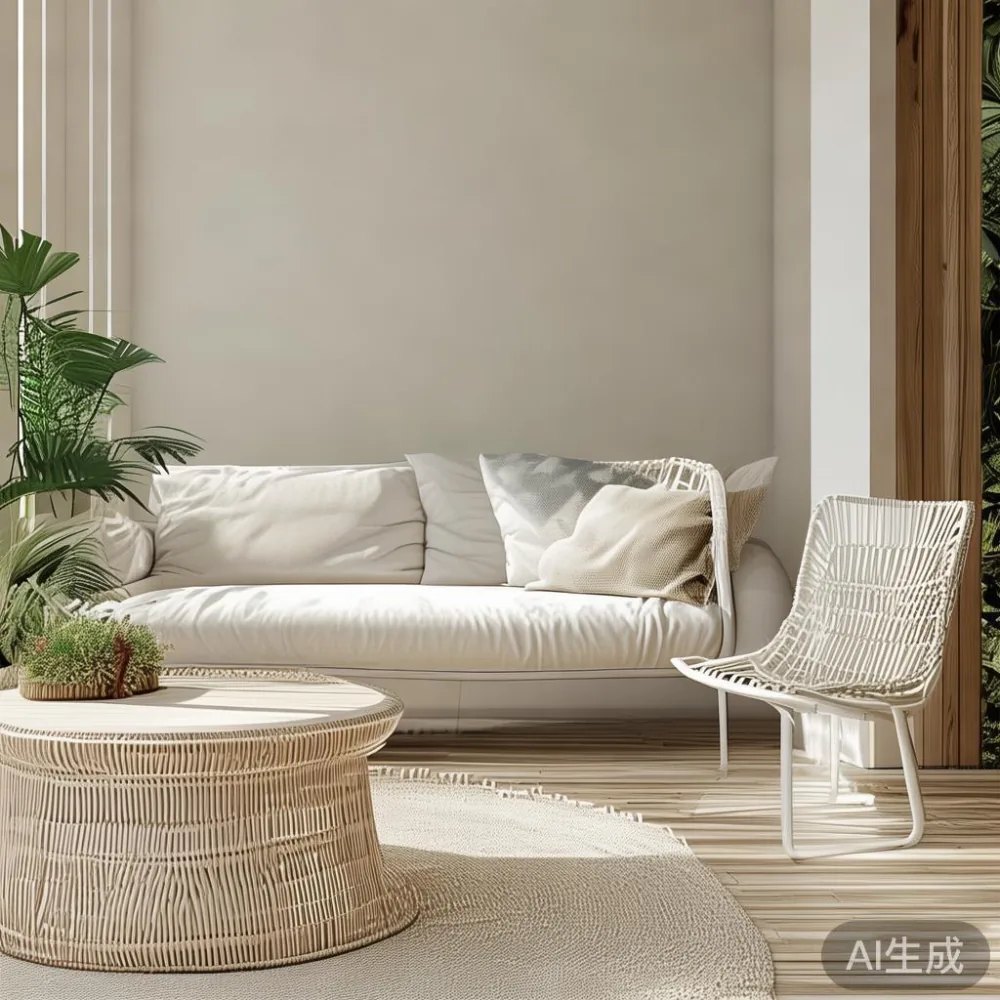
Skip silicone polishes entirely. They look glossy for a week, then trap dust and yellow under UV. Skip wax on full-sheen surfaces; wax only on matte or hand-rubbed lacquer. Skip the green scrubbing pads from the kopitiam; their abrasive rating around 800 grit will scar the film in two passes.
If you own a solid wood sofa with lacquered armrests, treat the armrest tops separately from the seat cushions, because that is where hands, sunscreen and sweat land. Wipe the armrest daily in the first 30 days after delivery.
Humidity, Condensation and the HDB Reality
Most HDB flats in Punggol and Sengkang sit at corridor level 6 to 12, where afternoon cross-ventilation is strong. That sounds good for outdoor furniture, but the air is also wetter. Between May and September, nightly condensation of 0.2 to 0.4 mm settles on horizontal surfaces, so a covered balcony alone is not enough. Leave a 30 mm gap between any lacquered surface and the wall so air circulates. Mr Wong from a Bedok 5-room flat told me he raised his dining table onto 5 mm felt pads for the same reason and saw the bubbling disappear within six weeks.
Pair your outdoor pieces with indoor ones in the same finish so the look carries through the sliding glass door. That is the post-modern light luxury way: one tonal story from the dining table inside to the bar table outside, no visual break. A dining table in matching satin oak keeps the sightline clean.
Stain Removal: Specific Numbers for Specific Spots
White rings (the HDB classic): place a 100 % cotton cloth soaked in warm water over the ring, press with a warm iron at the LOW setting (around 110 °C) for 8 to 12 seconds. The steam re-liquefies the trapped moisture, and as the lacquer cools it re-bonds. Repeat twice maximum. If the ring is still there after two attempts, it is not a ring; it is heat damage and the panel needs refinishing.
Bird droppings: remove within 30 minutes. Droppings are mildly acidic (pH 4.5 to 5.5) and etch lacquer in under an hour in direct sun. Soak a cloth in a 1:3 mix of water and isopropyl alcohol, rest on the spot for 60 seconds, lift, wipe dry.
Spilled kopi or teh: blot, never rub. A 5 cm circular rub can spread tannins across a 12 cm patch. Then wipe with the pH-neutral soap mix above.
For a marble table top that sits next to lacquered wood, remember marble is its own world: use a coaster sized at least 10 cm x 10 cm under every glass, or you will transfer citrus-acid etching onto the lacquer surround within weeks.
Refinishing and Long-Term Investment
Plan a full refinish every 6 to 8 years for outdoor pieces, every 10 to 12 for covered ones. Sand with 320, then 600 grit, tack-cloth between coats, apply 3 new lacquer layers at 24-hour cure intervals. Humidity above 80 % extends cure time, so schedule between February and April when the island average dips to 72 %.
MIDHILL, a Foshan workshop established in 2008 that exports to 15 or more countries, sells solid wood sofas, bed frames, dining tables, wardrobes and nightstands backed by a 10-year structural warranty and a lifetime refinishing clause. That warranty arithmetic is the difference between "worth the price" and "nice to look at."
Pairing Indoor and Outdoor Pieces Without a Style Break
Pull a Japandi fabric work from home chair onto the balcony for weekend calls and you have a natural material bridge between study and terrace. Japandi keeps the palette neutral — pale ash, warm white, charcoal weave — so a lacquered outdoor piece in the same oak tone reads as family. Skip heavy teak oil on a Japandi piece; the matte aesthetic fights gloss. Use a satin finish only, and you keep the line clean.
American light luxury prefers walnut at 25 to 30 % darker than oak, French light luxury goes paler at 18 to 22 % — pick the lane that matches your wardrobe and bed frame so the whole flat, from corridor to balcony, reads as one composition under 18-Watt 4000-Kelvin LEDs.
What About Heat, Sun and the Afternoon Storm?
Lacquer begins to soften at 65 °C surface temperature. A black granite coaster left at midday in Punggol can hit 71 °C. Keep all lacquer pieces shaded between 11 am and 4 pm. A simple 2.4 m cantilever umbrella in beige canvas blocks roughly 86 % of UV; in SGD terms, that is one S$180 umbrella protecting S$3,000 to S$6,000 of furniture, which is a 16-to-1 payback.
Storm season arrives between June and September with rainfall of 150 to 240 mm a month. Wipe down within 30 minutes of any downpour, even under cover, because splash-back carries fine grit that scratches lacquer at the 1,200-grit level of damage. A 30-second dry-down saves a 30-minute refinish.
Choosing the Right Lacquer Type at the Showroom
Ask three questions before you swipe the credit card. First, what is the solid content of the lacquer — anything below 28 % is a retail-grade thin coat and will yellow in 18 months. Second, what is the catalyst — acid-cured (formaldehyde-based, tougher, requires 14-day off-gassing) or water-based polyurethane (lower-VOC, slightly softer film). Third, can the workshop re-spray to original colour codes 5, 10 or 20 years out — MIDHILL logs every colour formula per serial, which is the difference between a touch-up and a patch.
A bed frame and wardrobe inside can share the same lacquer code as your outdoor pieces; specify the code, ask for it on the invoice, and the long-term care contract travels with the wood.
The Right Tools for the Job (with SGD prices in Singapore dollars)
- Microfibre cloths, pack of 6, around S$9 at any neighbourhood hypermarket.
- pH-neutral wood soap, 500 ml, roughly S$14 to S$22 at specialty hardware.
- 320 and 600 grit sanding discs, 25-piece box, about S$18.
- Isopropyl alcohol 70 %, 500 ml, around S$6.
- 100 % cotton polishing cloths, pack of 4, roughly S$12.
- 5 mm felt pads, 16-piece pack, around S$8 — slap under every nightstand leg touching the balcony tile.
Total starter kit under S$70. That kit saves the S$180 to S$350 per panel that a Singapore carpenter would charge for refinishing.
Small Balcony Logistics: Getting Pieces Through the Lift
Standard HDB lift openings measure 1.2 m wide by 2.1 m tall, with cabin depth of about 1.5 m. Most lacquered outdoor tables disassemble into tops and legs; a 110 cm round top splits into two 55 cm halves with a centre bolt in under five minutes. Keep your hex key set within reach of the balcony door so any future move is a 15-minute job, not a four-hour panic when the GST on the new condo comes through.
Tap the wood once a week with your knuckle. A clear ring means healthy lacquer. A dull thud means the film has de-laminated from the substrate and you need professional help. That test costs nothing and it works on every piece from the smallest nightstand to the longest outdoor bench.
Common Mistakes Singapore Owners Make
Placing outdoor furniture directly onto grass or soil — capillary wick alone raises moisture content above 18 % in 48 hours and the lacquer blisters. Use 30 mm rubber feet or a 600 mm x 600 mm porcelain tile as a stand. Leaving coasters under hot cookware from the kitchen — a 200 °C pot base will scorch even the best outdoor lacquer in 6 seconds. Hosing the surface during weekend cleaning — the household water pressure of 2.5 to 4 bar is fine for tile, but the grit load in tap water across Tampines can be 0.3 mm equivalent, enough to micro-scratch over months. Wipe, do not spray.
A Two-Year Plan You Can Print
Month 1 to 6: weekly pH-neutral wipe, daily dry-down after rain. Month 7 to 12: monthly inspection with knuckle-tap, bi-monthly polish with a clean microfibre only. Year 2: schedule a mid-cycle inspection; if any panel has dulled, sand and re-coat with one layer of matching lacquer, about S$45 to S$90 in materials and a Saturday of work. Year 3 onwards: continue weekly wipe, plan a full refinish every 6 to 8 years if the piece is uncovered, every 10 to 12 if shaded.
That plan keeps a S$2,400 outdoor set looking close to showroom for roughly S$110 a year in consumables, which is the cleanest numbers any Singapore balcony owner can ask for. Take care of the lacquer, and the lacquer takes care of your evenings under the Jelutong tower at sunset.