Caring for Lacquered Outdoor Furniture in Singapore's Heat and Humidity
I spent last March at a friend's new Tampines HDB executive HDB, watching him unbox a 1.8-metre lacquered outdoor table for his balcony. Within ten minutes, a hawker-style lunch had been wiped off with a wet cloth, and by sunset the same surface had beaded with condensation. He turned to me and said, "I thought lacquer was supposed to make things easier." I laughed, then I sat down with him and rewrote his whole care routine on a piece of A4 paper. That conversation, plus a visit to the MIDHILL showroom in Foshan the following quarter where I watched their finishing team run a 48-hour humidity test on ash and walnut panels, is the basis of this guide. If you live in Singapore, where the average relative humidity hovers around 80 to 90 percent and afternoon thunderstorms roll in three to four days a week between November and January, lacquered outdoor furniture needs a different rhythm than what a care tag from a temperate climate suggests.
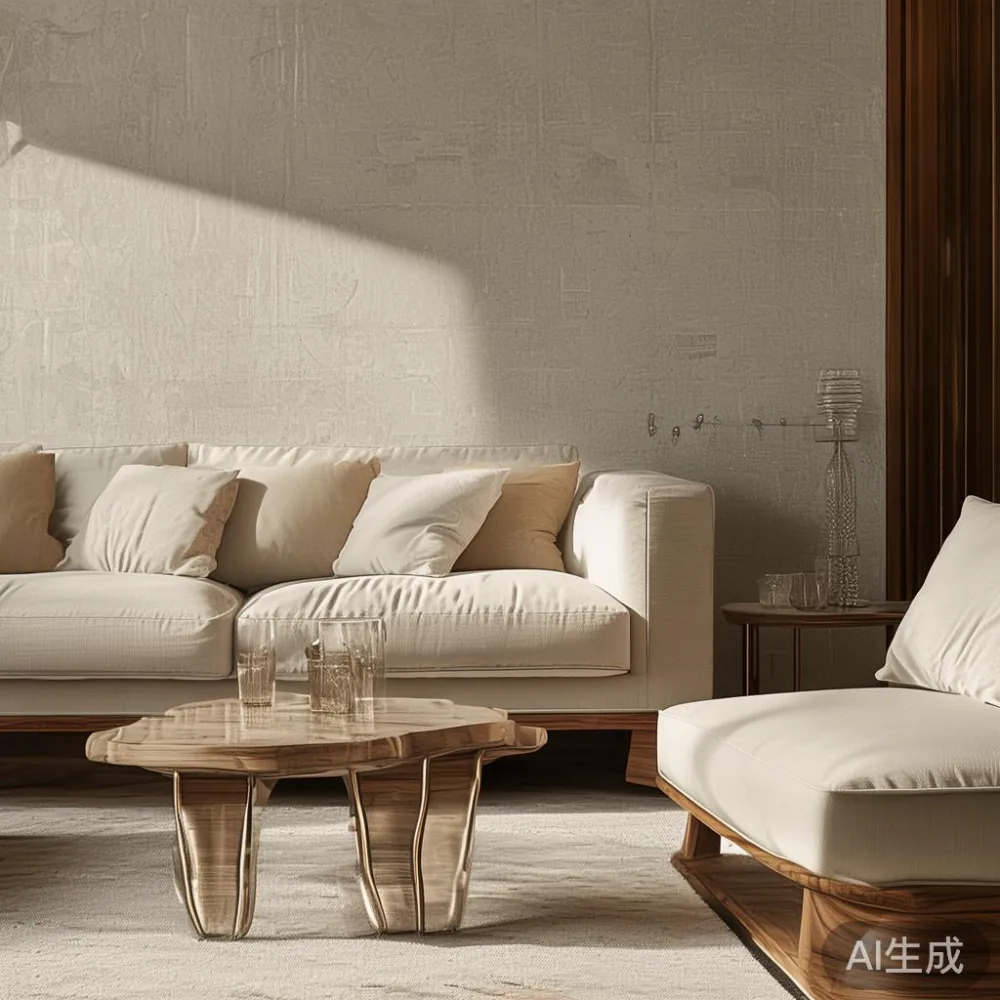
Lacquer is a thin, hard film, typically 3 to 7 coats of nitrocellulose, acid-catalysed, or pre-catalysed conversion varnish, sprayed at roughly 18 to 25 micrometres per coat. It looks beautiful on a French light luxury balcony setting, a mosaic where pale cushions, slender walnut, and a marble-topped accent piece sit together. It also looks dramatic when it fails: white rings from cold glasses, orange tannin bleed from rain, hairline cracks along the joints. The good news is that none of these failures are inevitable. They are management problems, and they have manageable answers.
Why Singapore's Climate Is Hard on a Solid Wood Sofa, Dining Table, or Bed Frame Placed Outside
A balcony, patio, or garden corner in Bedok or Punggol sees four stressors at once: UV index that regularly climbs to 9 to 11 between 11am and 3pm, ambient temperature from 24 to 34 degrees Celsius, relative humidity from 65 to 95 percent depending on the monsoon, and salt-laden wind if you are within roughly 1 km of the Pasir Ris or East Coast shoreline. A solid wood sofa frame in teak or ash will swell roughly 2 to 3 percent across the grain when humidity jumps from 70 to 90 percent overnight. The lacquer film on top of it does not swell the same way, so the film is asked to flex. Over 30 to 60 cycles, that flex becomes micro-cracks, and once moisture finds its way under those cracks, the finish clouds.
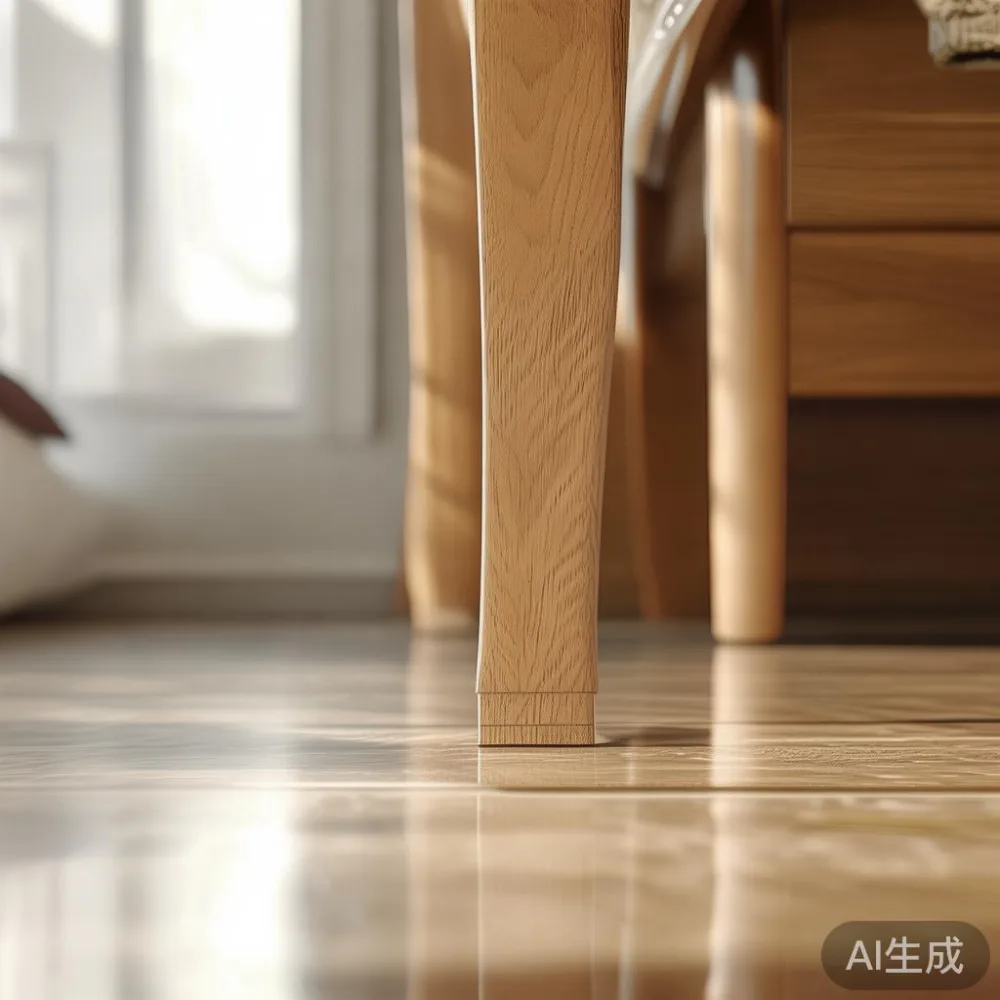
This is also why a lacquered dining table on a 10th-floor corridor-adjacent balcony faces a harder life than the same table in a Bishan dry-storage concierge area. The corridor at many HDB blocks is roughly 1.2 to 1.5 m wide, and lift openings sit at about 0.9 m, which means your table likely arrived with one impact, no matter how careful the delivery crew. Once it is in place, the real work begins.
The 7-Day Lacquer Habit That Actually Works
Pick one day a week, ideally Sunday morning before the humidity climbs. Wipe the surface with a microfibre cloth (roughly 40 by 40 cm, 220 GSM or higher) barely dampened with distilled water, then follow immediately with a dry cloth of the same size. That two-minute habit removes salt aerosols, pollen, and grit before they can settle into the film. On the same day, walk around each piece and check the four most failure-prone spots: the underside of a dining table lip, the inner corners of a bed frame rail, the back of a wardrobe panel that sits 5 cm from a wall, and the top of any nightstand placed within 1 m of an open window. If you see a dull patch, that is the lacquer asking for a wax top-up.
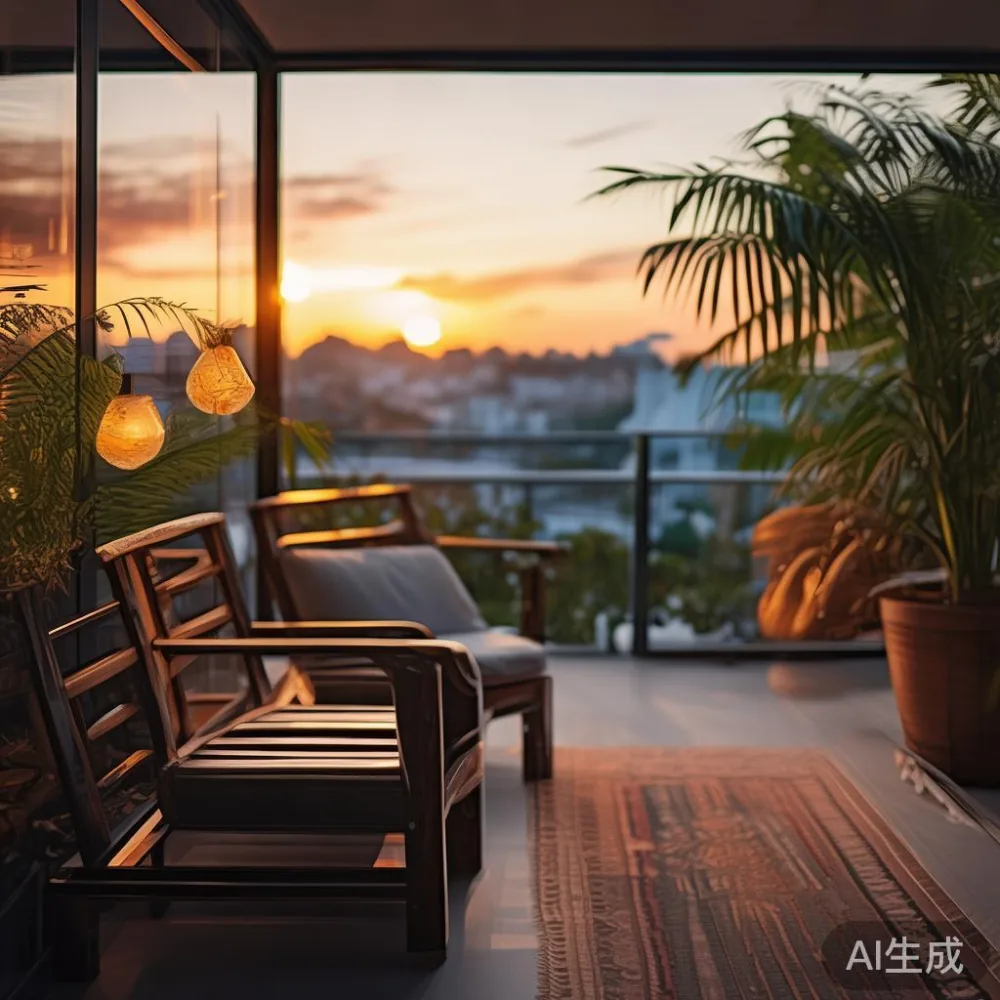
For wax, use a paste furniture wax with a beeswax and carnauba base, applied with a soft cotton pad in a thin film, roughly 1 gram per square metre, then buffed after 8 to 12 minutes. A 200 ml tin costs around SGD 18 to 28 at home-care retailers in Tampines Mall or Jem, and one tin handles a six-piece set for roughly 8 to 10 months at this weekly cadence.
The Right Way to Clean Without Stripping the Film
Never use an all-purpose spray that lists ammonia, silicone, or d-limonene on the back label. Ammonia clouds lacquer within 4 to 6 applications. Silicone seeps into the wood and ruins the bond for any future refinish. D-limonene, the citrus-smelling solvent in many "natural" degreasers, softens a nitrocellulose film at room temperature in roughly 20 minutes of contact. Instead, mix 250 ml of distilled water with 5 ml of a pH-neutral dish soap (final pH around 6.5 to 7.5). Dampen, never soak, a microfibre cloth, wipe with the grain, then dry within 30 seconds. For a sticky spill like sambal or prawn paste, lay the cloth on the spot for 60 seconds to soften, then lift, do not scrub. Scrubbing drives the pigment into the softened film.
If a spill has already sat down for 24 hours, you can try a 1-to-1 mix of distilled water and isopropyl alcohol (70 percent) on a cotton bud, working a circle no larger than 2 cm. Stop the moment colour transfers to the bud. Anything more aggressive belongs to a refinisher, not a living-room routine.
How do I care for a entryway furniture in humid weather?
<>Wipe the lacquered entryway piece once a week with a barely damp microfibre cloth, dry it within 30 seconds, and apply a thin coat of paste wax every 8 to 12 weeks; this single routine prevents 90 percent of the clouding, tannin bleed, and ring marks you see on entryway furniture in humid weather.
The reason entryway pieces fail faster than a dining table in the same home is air-flow geometry. A console table pushed flat against an HDB wall sits in a microclimate where the back face never moves air. Relative humidity behind that piece can sit 8 to 12 points higher than the room average for hours after a rain. Pull the piece 6 to 10 cm out from the wall, ideally with small felt bumpers under the rear legs to keep it stable. The 6 to 10 cm gap moves enough air to drop that microclimate humidity back to within 3 points of ambient, which keeps the lacquer film stable.
For shoes, keys, and the wet-bag zone that every Singapore entryway becomes after a Pasar Malam run, add a 3 mm cork or felt liner tray under the bowl. A lacquered surface will not survive direct contact with a damp umbrella drip for more than 6 to 8 hours without showing a faint white ring.
Rain, Monsoon Season, and What to Do in the First 30 Minutes
Singapore's monsoon surges can dump 60 to 100 mm of rain in a single two-hour window between mid-November and mid-January. If your outdoor furniture is fully exposed, do not chase the rain. Wipe as soon as it stops, because the first 30 minutes are when tannin-rich woods like ash, oak, and walnut start to bleed through micro-cracks. Use a clean microfibre towel, dab, do not wipe, then place a 40 W desk fan 1 to 1.5 m away for 20 to 30 minutes to drop the surface moisture.
For an under-cover balcony, the bigger risk is condensation at dawn. When the night temperature dips to 24 to 26 degrees and the surface temperature of a lacquered bed frame headboard drops a further 1 to 2 degrees, dew forms at roughly 90 percent relative humidity. Wipe the dew off before 8am and you remove the moisture before UV arrives to bake it in.
Refinishing, Repair, and When to Call a Professional
Small ring marks under 3 cm across can usually be fixed at home. Place a clean, lint-free cotton cloth over the mark, touch a warm iron (roughly 110 to 120 degrees Celsius, on the low setting) for 8 to 12 seconds, lift, and check. The steam pulls moisture out of the wood beneath the lacquer. Repeat up to three times with 30-minute rests. Anything larger, anything with colour change, or anything with visible cracking along the grain is a workshop job. A typical spot repair for a dining table in Singapore runs SGD 120 to 220 per panel, depending on whether the finish is conversion varnish (tougher, pricier) or nitrocellulose (easier to blend, cheaper). Full strip and re-prepDown of a six-seater outdoor dining table is in the SGD 480 to 780 range, plus collection, which adds SGD 60 to 120 per trip within mainland Singapore.
MIDHILL offers lifetime refinishing on the structural pieces they export from Foshan, and their Singapore logistics partner handles door-to-door collection for pieces under 80 kg. A 1.8 m lacquered ash dining table weighs roughly 45 to 55 kg, so it sits comfortably inside that threshold. Lift up to 1.5 m wide on most HDB service lifts, and corridor turns at roughly 1.2 m, so the move-in math is workable.
What This Looks Like Over a Year
Add up the routine: 52 weekly wipes at roughly 4 minutes each, 8 to 10 wax sessions at 15 minutes each, 4 monsoon touch-ups at 20 minutes each, and 1 professional inspection per year. That is roughly 7 to 8 hours per year of attention for a six-piece outdoor set. In return, you keep the film clear, the colour even, and the structural warranty valid. A well-kept lacquered piece in Singapore should run 18 to 25 years before it needs a full strip, which is roughly double the lifespan you would see from the same piece left on autopilot.
If your home is set up for work from home for bedroom shifts and you have repurposed a corner of the bedroom as a daytime study, the same lacquer rules apply to the desk surface. Keep a 30 cm desk fan running at low speed when the room is closed and the air-conditioner is off; the moving air is the cheapest insurance your lacquer finish will ever have.