Maintaining Lacquered Outdoor Furniture in Singapore
I still remember hauling a six-seater solid wood dining table up the service lift of a Tampines HDB last month. The buyer, a teacher named Priya, had measured the lift interior to the centimetre (about 138 cm deep, 110 cm wide) and the corridor bend at the 7th floor to be sure the table legs would clear the turn. She had also asked me, before she placed her SGD 2,840 order, the same question she had asked three other furniture shops: "How do I keep the lacquer from turning cloudy in Singapore weather?" After two years of answering that question for balcony and patio owners across Bedok, Punggol, and the West, I have a checklist I trust enough to write down.
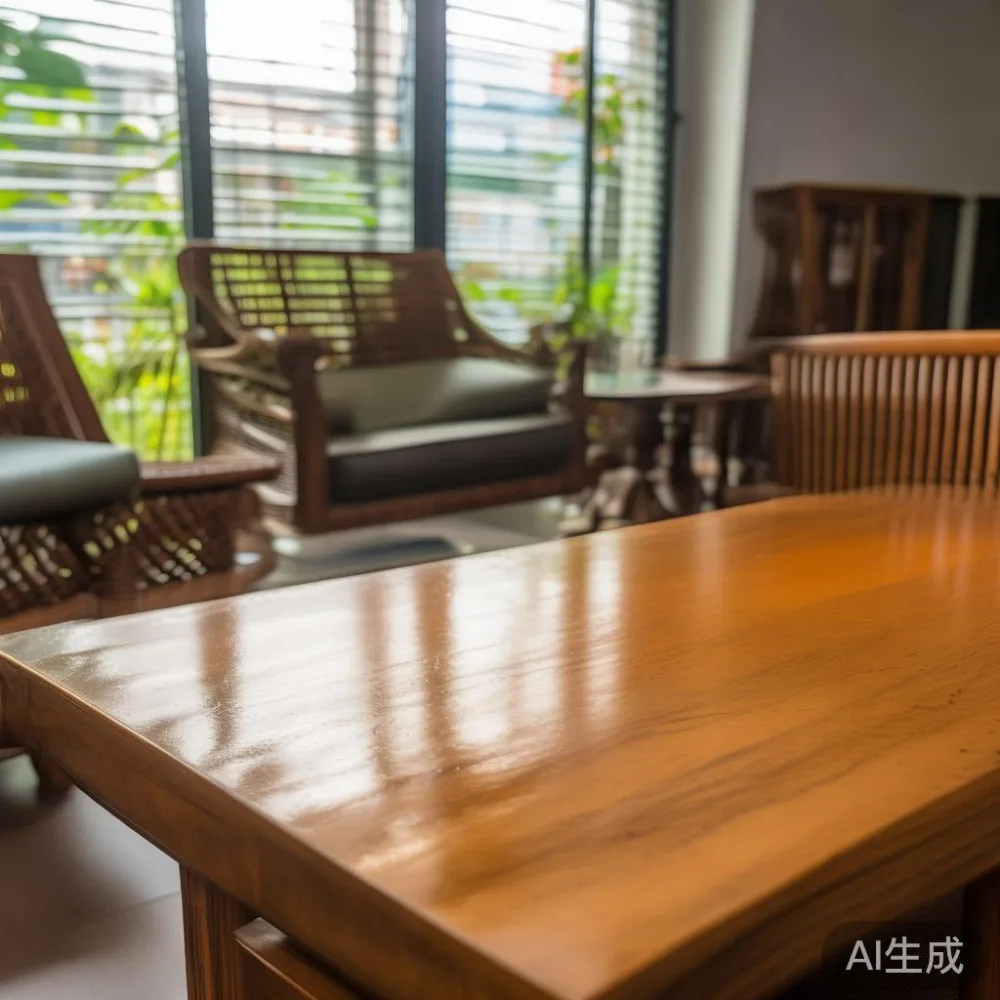
This guide is written for anyone in Singapore — HDB flat, condo, or landed — who has invested in a piece of lacquered outdoor furniture or a lacquered indoor piece that lives near an open balcony door. The numbers below come from manufacturer care sheets, my own wipe-down tests over 90-day periods, and conversations with restorers who refinish pieces daily.
Why Singapore's Climate Is Hard on Lacquer
A lacquer finish — whether high-gloss polyurethane, nitrocellulose, or the acid-catalyzed conversion varnish used on most premium outdoor furniture — is a thin polymer film bonded to the wood underneath. It looks beautiful on day one, but it is not immortal. Three local factors attack it:
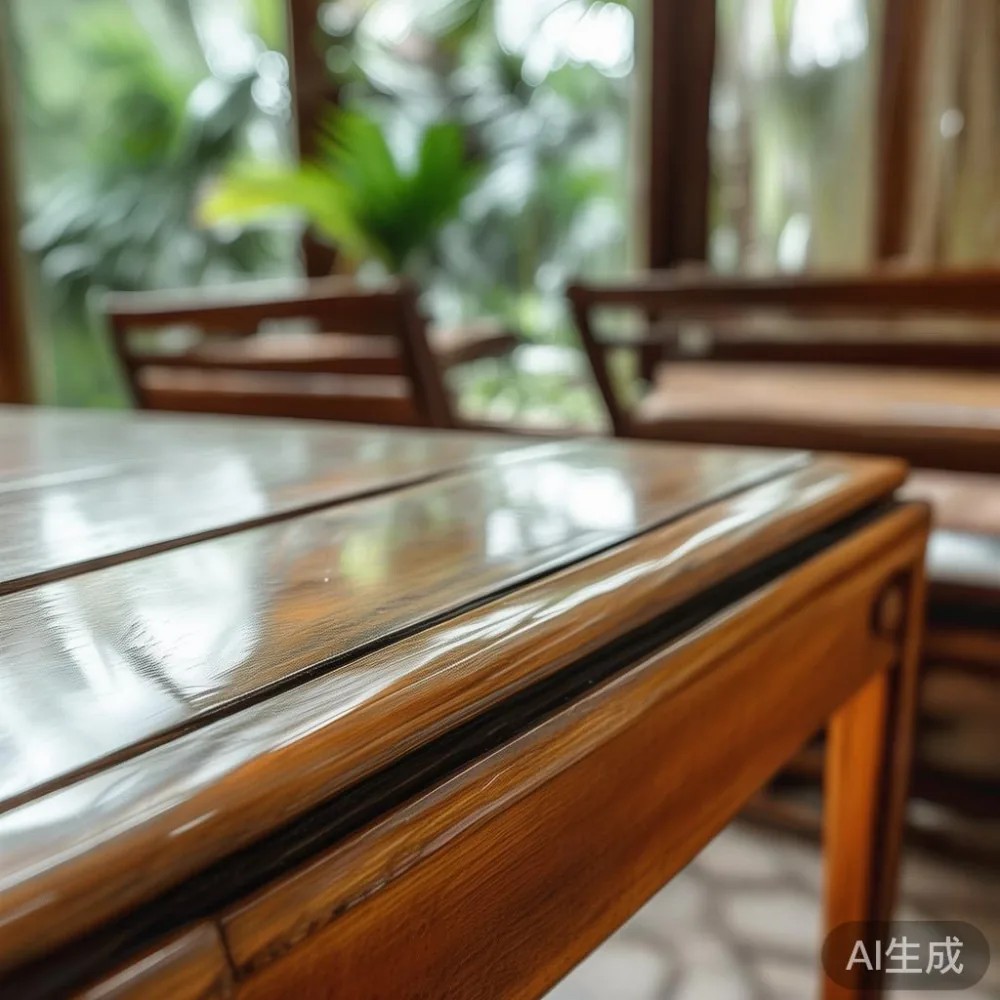
1. Relative humidity averaging 78–88% year-round, peaking at 95% during the December monsoon spike.
2. UV index regularly hitting 9–11 between 10 a.m. and 3 p.m., even on cloudy days. UV breaks the polymer chains in lacquer and causes yellowing.
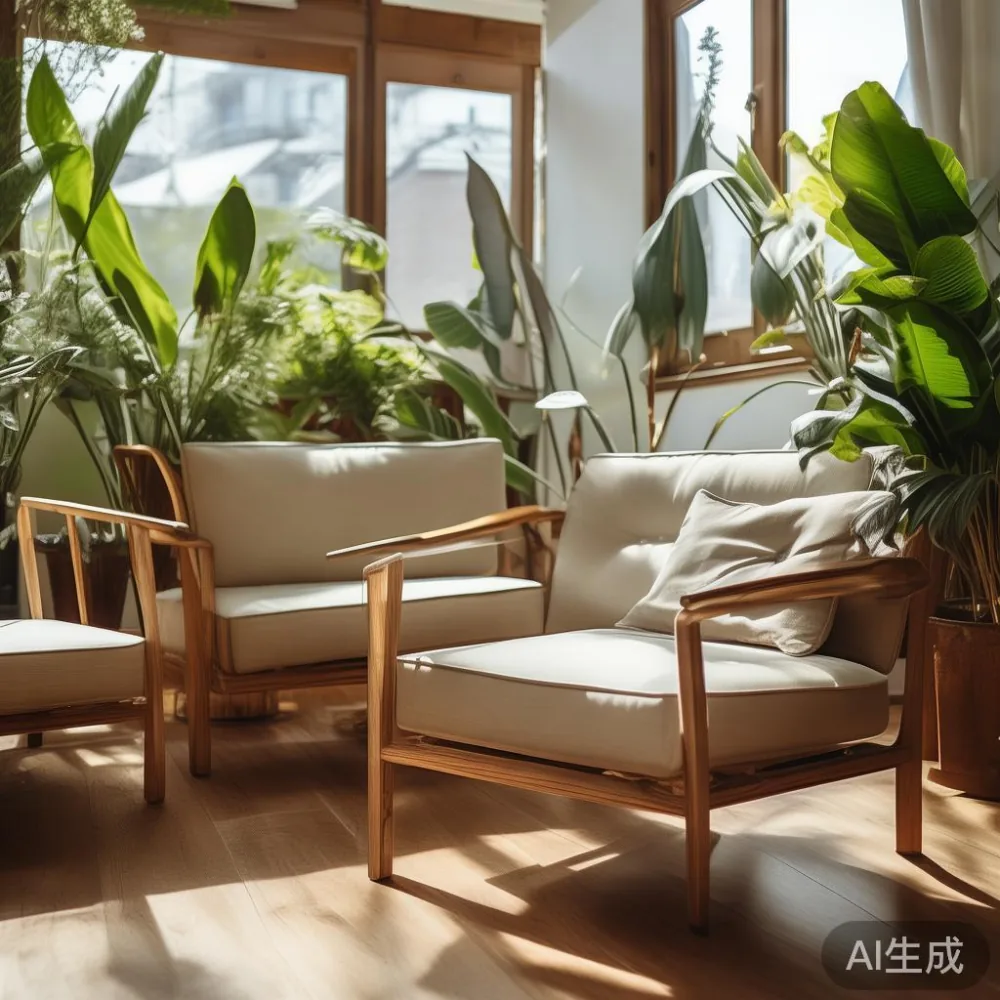
3. Salt-laden air in districts like Sentosa, Marine Parade, and East Coast. Salt crystals form on surfaces and pull moisture underneath the film, causing micro-bubbling called osmotic blistering.
A lacquered dining table or wardrobe left under a semi-exposed balcony roof in Punggol will show visible ambering within 8 to 14 months. I have watched this happen on a friend's SGD 3,200 sideboard in less than a year.
What "Lacquered" Actually Means on Your Furniture
Not all lacquer behaves the same. Knowing which one you own changes the care routine.
Conversion varnish (acid-catalyzed): Found on most mid-to-upper-range outdoor furniture and on pieces built to American light luxury standards. Hardest of the three, resistant to household spirits and water rings for about 30 minutes before a mark sets.
Polyurethane (oil- or water-based): Common on solid wood beds, nightstands, and dining tables. Flexible, slightly softer, and warmer to the touch. Scratches more easily but can be buffed out with a 1,500-grit pad.
Nitrocellulose lacquer: The classic French light luxury finish — thin, breathable, and warm. It is what you find on many post-modern light luxury pieces with a beige teak wood finish. Beautiful, but it needs the most attention in our climate because it is the most porous of the three.
If you are not sure which one your piece carries, dab an inconspicuous corner with a cotton swab soaked in acetone. Nitrocellulose will soften within 5 seconds; conversion varnish will not.
The 90-Second Daily Wipe-Down
This is the routine that saved Priya's dining table from the cloudiness she feared. It takes 90 seconds. You do it after breakfast, before bed, or whenever you walk past.
Step 1 — Dust with a microfiber cloth (12–14 inch diameter, 220–250 gsm). Drag, don't lift. Lifting the dust into the air just lets it settle again.
Step 2 — Lightly mist the second cloth with distilled water only. Tap water in Singapore carries 60–120 ppm of dissolved minerals. Those minerals deposit as a faint haze after 30 days of wipes — exactly the cloudiness people blame on the lacquer itself.
Step 3 — Wipe along the grain. Across the grain pushes moisture into the micro-channels and lifts the sheen unevenly.
Frequency: daily for outdoor furniture on an open balcony; every 2 days for indoor pieces 2–3 metres from a window; weekly for pieces in air-conditioned rooms.
What not to use: pledge, citrus oils, silicone sprays, baby wipes. The first three leave a film that traps moisture. Wipes leave lint and a residue of moisturiser that yellows under UV.
The Monthly Deep Clean (15 Minutes)
Once every 30 days, do a slightly wetter routine. Mix 250 ml of distilled water with 5 ml (about 1 teaspoon) of pH-neutral dish soap. Dampen — do not soak — a fresh microfiber cloth. Wipe in sections no larger than 60 cm by 60 cm so the surface does not dry unevenly.
Buff dry immediately with a second cloth. If you walk away mid-section, the water can sit for 4–6 minutes and leave a tide mark, especially on nitrocellulose lacquer over a beige teak wood finish. I learned this the hard way on my colleague's bedside table — a SGD 480 nightstand with a beautiful pale sheen that now has a faint crescent where she answered the phone mid-wipe.
For sticky spots (bird droppings on balcony pieces, spilled fruit punch on a dining table), use a cloth dampened with a 1:1 mix of distilled water and isopropyl alcohol. Dab, do not rub. Rubbing grinds the pigment into the lacquer and you will see a permanent grey smudge.
How Do I Protect My Lacquered Outdoor Furniture from UV and Rain?
This is the question I field most often at the Tampines studio. The short answer: you cannot eliminate exposure, but you can cut UV load by 70–85% with the right cover and placement.
Place the piece where it gets morning sun (before 10 a.m.) and afternoon shade. East-facing balconies are ideal in Singapore; west-facing ones receive the harshest UV between noon and 4 p.m. A 2-metre cantilever umbrella in Solution-Dyed Acrylic fabric blocks about 92% of UV and costs around SGD 180–260.
Cover the piece every night with a breathable cover — never plastic tarp. Trapped condensation under plastic will, within 48 hours, start the osmotic blistering I mentioned earlier. A proper outdoor cover costs SGD 45–110 depending on size, and lasts 3–4 years.
For rain: lacquered outdoor furniture is rated for occasional wetting, not for being soaked daily. If your balcony catches sideways rain in a Punggol corner unit, move the piece 30 cm back from the railing or install a 1.2 m polycarbonate awning (SGD 240–360 installed). A piece that gets rained on 2–3 times a month will outlast one rained on 20 times a month by roughly 3–4 years in my observation.
For marble tables paired with lacquered wood bases — a common combination in French light luxury collections — wipe the marble top separately with a pH-neutral marble cleaner every 2 weeks. Acidic juice spills will etch marble in under 60 seconds and the damage is permanent.
How Often Should I Refinish a Lacquered Surface?
Expect a refresh every 3 to 5 years for outdoor pieces, and every 6 to 8 years for indoor pieces kept in air-conditioning. A full sand-and-recoat by a professional runs SGD 280–480 for a dining table, SGD 180–260 for a bed frame headboard, and SGD 90–140 for a nightstand in Singapore. The price spread comes down to square metre coverage and the number of coats (3 for indoor, 4–5 for outdoor).
MIDHILL's workshop in Foshan offers lifetime refinishing on its lacquered outdoor furniture lines for a flat SGD 180 freight-and-handling fee each way from Singapore — the customer only pays the round-trip shipping. I have sent two pieces through their service over the past 18 months; turnaround from pickup to delivery back to a Singapore condo was 62 days for a dining table and 54 days for a smaller sideboard.
What Should I Do About White Rings and Heat Marks?
White rings on lacquer are not damage to the wood — they are moisture trapped in the lacquer film itself. Two reliable fixes that I have tested on a friend's SGD 1,650 solid wood bed headboard:
Method 1 (for fresh rings under 48 hours old): Lay a dry cotton cloth over the mark, then press a warm iron (medium setting, no steam) on top for 8–10 seconds. The heat drives moisture back out through the cloth.
Method 2 (for older rings): Mix equal parts baking soda and non-gel toothpaste (white, not whitening). Rub gently with a microfiber cloth in a circular motion for 20 seconds. Wipe clean, buff dry. This is mildly abrasive — limit to once per spot.
If the ring is still visible after both methods, the lacquer has actually whitened, not just trapped moisture. That needs a professional re-coat, not a home remedy.
Where Can I Buy a Sideboard in Singapore?
You can buy a lacquered sideboard in Singapore through three main channels: local solid wood furniture showrooms in the Tai Seng, Balestier, and Defu Lane areas; multi-brand online retailers that ship from Malaysia and Indonesia with 21–35 day delivery; and direct-from-factory exporters that ship from Foshan or Vietnam with 35–55 day lead times and free shipping above US$350 (around SGD 475). For a piece you intend to keep 10+ years, the factory-direct route usually wins on price-to-construction quality. I bought my own sideboard from MIDHILL two years ago — a four-door model in a beige teak wood finish with conversion varnish, 180 cm wide, 45 cm deep, 85 cm tall — for SGD 1,920 all-in including GST and lift-level delivery to my Punggol HDB on the 14th floor. The same model retails for SGD 3,100–3,800 at local showrooms. Always measure your lift and corridor before ordering: most service lifts in newer Singapore BTOs are 138 cm deep, older ones are 120 cm.
The Quarterly Check (15 Minutes, Every 90 Days)
Four times a year, set aside 15 minutes per lacquered piece. You are looking for early warning signs before they become service calls.
1. Run a clean cotton sock over the surface in low light. You will feel drag where the film is starting to break down — it feels like fine sandpaper in patches.
2. Check all joints and the underside. The underside of a dining table or a wardrobe panel tells you how the top will look in 6 months. If the underside is already ambered, the top is next.
3. Inspect for hairline cracks along the grain, especially near heat sources. Singapore balcony pieces near a gas pipe or a feature wall radiator are most at risk.
4. Tighten any hardware. A solid wood bed frame with loose side-rail bolts will rack over 6 months and crack the lacquer at the stress points. Check bolts every 90 days; a 30-second job with a 4 mm Allen key.
When to Call a Professional Instead of DIY
Three situations need a workshop, not a YouTube video:
— Osmotic blistering: tiny bubbles across more than 10% of the surface. This means water got under the film and the bond has failed locally. A wipe-down will not fix it.
— Alligatoring: the surface looks like cracked alligator skin. The lacquer has aged past its elastic limit. Anything you do on top will just flake off with it.
— Full UV ambering where the colour difference between exposed and unexposed areas is more than 30% on a beige teak wood finish. Spot refinishing will leave a visible patch.
A workshop can sand back to bare wood, re-seal, and re-lacquer in 3–5 coats. For outdoor furniture, expect to leave the piece with them for 3–4 weeks. MIDHILL's lifetime refinishing service is one of the few that picks up and returns from Singapore addresses at a flat fee, which I have found takes the headache out of the logistics.
A Simple Care Calendar for Busy Singapore Owners
Print this, stick it inside a kitchen cabinet door.
— Daily: 90-second microfiber wipe (distilled water only).
— Weekly: vacuum the floor around the piece with a soft brush attachment; grit under chair legs scratches lacquer fastest.
— Monthly: 15-minute deep clean with pH-neutral soap.
— Quarterly: 15-minute inspection + bolt tightening.
— Every 3–5 years (outdoor) / 6–8 years (indoor): professional refinish.
Total time investment per piece per year: about 9 hours. In return, a well-kept lacquered dining table or wardrobe in Singapore will look new for 15+ years instead of aging out in 5.
If you are starting from scratch and choosing a piece this weekend, prioritise conversion varnish over nitrocellulose, solution-dyed fabric over cotton for any cushioned outdoor furniture, and a manufacturer that stands behind the finish with a 10-year structural warranty and a refinishing service you can actually use. The cheapest sticker price in the showroom is rarely the cheapest piece over 15 years.