The Silent Challenge: How Singapore's Humidity Impacts Your Outdoor Furniture
Singapore is a city of vibrant life, from the busy heart of Orchard Road to the tranquil neighbourhoods of Tampines and the modern waterfront estates of Punggol. We pride ourselves on our green spaces, our HDB flats with generous void decks, and our love for spending time outdoors. This affection extends to our homes, where the choice of furniture is deeply personal and often a significant investment. Yet, there's an unseen force at play in our tropical climate: relentless humidity. This constant moisture in the air presents a unique and persistent challenge for furniture, particularly those crafted from natural materials. Understanding this relationship is key to making informed decisions about what brings beauty and function to your balcony, patio, or garden space.
Understanding Singapore's Humidity: More Than Just a Feeling
When we talk about humidity in Singapore, we're not referring to a passing afternoon shower. The nation's average relative humidity hovers between 70% and 80% throughout the year, often spiking above 85% during the monsoon seasons. For context, a relative humidity of 30% to 50% is generally considered comfortable for indoor living. This means the air is saturated with water vapour, constantly seeking to interact with and absorb moisture from surrounding materials.
This high moisture content has a direct physical effect on wood. Wood is a hygroscopic material, which means it naturally absorbs and releases water vapour to balance itself with the surrounding environment. In a climate like Singapore's, wood is constantly in a state of trying to absorb more moisture than it can release. This process, known as moisture uptake, causes the wood fibres to swell. The consequences of this swelling are not uniform; it leads to dimensional changes. A solid wood dining table that measures 180 cm in length in a controlled, dry environment might expand by as much as 1.5 cm in a humid Singaporean setting. This might sound minor, but over the lifespan of the furniture, this constant cycle of expansion and contraction puts immense stress on the joints, fasteners, and the wood itself.
Can Outdoor Furniture Really Survive Singapore's Humidity?
This is a question we hear often from homeowners across Singapore, from those in Bedok's older HDB blocks to residents in the newer Punggol condominiums with their compact layouts. The concern is valid. Will the beautiful teak garden bench you admired warp and crack within a year? Will the legs of that stylish rattan coffee set buckle under the weight of absorbed moisture? The answer lies not in avoiding wood altogether, but in understanding the science of selection and construction. The key is to choose furniture made from woods that possess a natural resistance to moisture and are designed with the climatic realities of Southeast Asia in mind. It's about choosing pieces that are built to breathe, flex, and endure, rather than those that are rigid and prone to failure.
The Science of Wood and Moisture: Why Some Woods Fail
To appreciate why certain woods perform better than others, we need to look at their cellular structure. Woods like oak, while beautiful and strong, have large, open pores. These pores act like tiny sponges, readily absorbing ambient moisture. When this moisture is absorbed, the wood swells. As it dries, it shrinks. This repeated swelling and shrinking, exacerbated by Singapore's daily temperature and humidity fluctuations, causes the wood to crack, warp, and split. The surface may lose its smooth finish, and the structural integrity of the piece can be compromised.
MIDHILL's Approach: Engineering for the Tropics
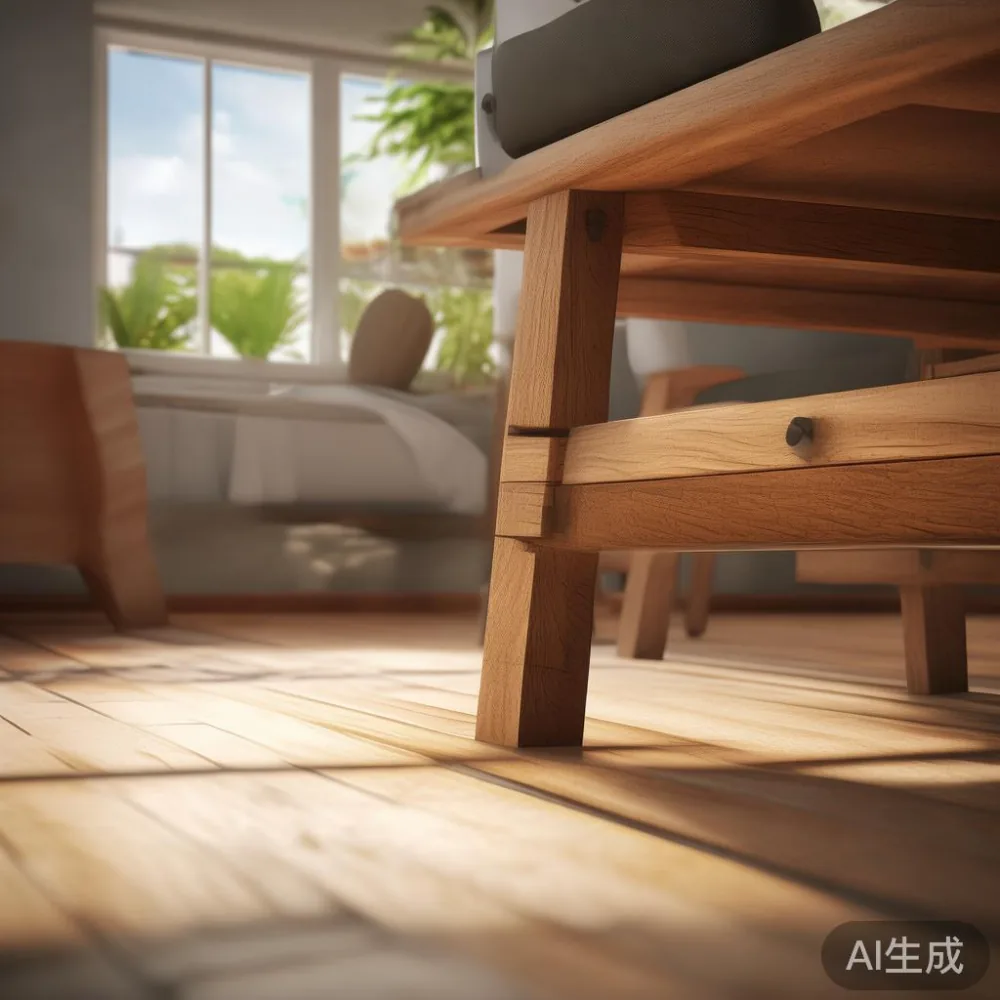
At MIDHILL, our experience since 2008 has taught us that creating furniture for the Southeast Asian market requires more than just selecting the right wood. It demands a complete approach to design and engineering that anticipates the challenges of the environment. For instance, we pay close attention to joinery methods. Instead of using simple butt joints that can easily pull apart as the wood expands, we employ techniques like mortise and tenon or dowel construction. These methods create a stronger, more flexible connection that can accommodate the natural movement of the wood without compromising the structure.
My colleague, who manages our quality control, shared a real-world example just last month. He visited a client in a Tampines HDB flat who had purchased a set of outdoor chairs from another brand. The chairs, made from a common, untreated hardwood, had developed significant gaps in their armrests and the seat slats had started to sag. The wood had expanded so much that the screws holding it together had been forced out, leaving the pieces loose and unstable. This is a direct result of poor material selection and inadequate construction for a humid climate. Our furniture is designed to avoid such issues, prioritising long-term performance over short-term aesthetics.
Practical Care for Your Outdoor Furniture in Singapore
Even the best-crafted outdoor furniture requires proper care to thrive in Singapore. A little preventative maintenance goes a long way in preserving its beauty and extending its life. The most important rule is to ensure your furniture has adequate drainage. If your outdoor sofa or dining set is on a balcony, make sure the surface allows water to run off freely. Prolonged standing water on the surface can lead to mould and mildew growth, which not only looks unsightly but can also degrade the wood fibres over time.
p>Regular cleaning is also important. A simple wipe-down with a soft, damp cloth to remove dust, pollen, and salt residue (if you live near the coast) is recommended. For stubborn stains, a mild soap solution can be used, but it's important to rinse the furniture thoroughly with clean water afterwards and allow it to dry completely in a shaded, well-ventilated area. Avoid using harsh chemical cleaners or high-pressure jets, as these can strip the wood's natural oils and damage its protective finish. By following these simple steps, you can help your furniture maintain its structural integrity and appearance for years to come.Is European Light Luxury Sofa Worth It for a Singaporean Balcony?
The question of style is just as important as the question of durability. Homeowners today are increasingly looking for furniture that reflects a sophisticated aesthetic, even in outdoor spaces. This has led to a growing interest in light luxury styles. The concept of a French light luxury sofa, for example, with its elegant lines, plush cushions, and refined proportions, can be incredibly tempting. However, applying this indoor sensibility to an outdoor environment requires careful consideration. A sofa designed for a Parisian salon may not be suited for the harsh UV rays and torrential downpours of a Singaporean wet season.
p>The key is to find a piece that marries the desired aesthetic with functional, weather-resistant materials. For instance, a French provincial for small living room style can be adapted for a balcony by using a durable, all-weather fabric like Sunbrella® for the cushions and a solid hardwood like teak for the frame. This allows you to achieve the elegant, relaxed look of French provincial without sacrificing durability. The same principle applies to other pieces; you can find a how to style European bed in bedroom approach for a daybed on your patio, or select a best Italian light luxury wardrobe for 2026 style cabinet made from marine-grade materials for storage. The goal is to have your beautiful outdoor furniture, and enjoy it for a long time.Investing Wisely: The Value of Quality Outdoor Furniture
When considering the purchase of outdoor furniture in Singapore, it's easy to be tempted by lower-priced options. A rattan set for SGD 800 might seem like a bargain compared to a teak dining set for SGD 3,500. However, this initial price difference can be deceptive. Lower-quality furniture is often made from softer woods, poorly constructed joints, and materials that degrade quickly in the sun and rain. This means you may need to replace it in as little as 2-3 years, making it a false economy.
p>Investing in a high-quality piece of outdoor furniture is a long-term decision. A well-made teak dining table, for example, can last for 20 years or more with proper care. Its value is not just in its longevity but also in its performance. It won't warp, it won't splinter, and its rich, natural colour will gracefully weather to a distinguished silver-grey patina if left untreated. This is where the value of a 10-year structural warranty and a lifetime refinishing service, offered by makers like MIDHILL, becomes apparent. It’s a guarantee of quality and a promise that the piece is built to last, protecting your investment for decades. The is European light luxury sofa worth it question is answered when you see it survive the seasons.Styling Your Outdoor Space: Beyond the Basics
Once you have selected durable, high-quality furniture, the fun begins: styling your outdoor space. A how to style French provincial sofa in room approach can be translated to a balcony by pairing it with light, airy cushions in linen or cotton blends and adding a small marble table for holding drinks. The cool, smooth surface of the marble provides a beautiful contrast to the warmth of the wood. For larger areas, a solid wood sofa can be arranged to create a comfortable lounge area, perfect for relaxing with family or entertaining guests.
p>Consider the layout of your space. The width of your corridor or lift in an HDB flat might be a tight 80 cm, so any large pieces should be able to work through these spaces during delivery. For those living in condos with limited balcony space, verticality is your friend. Tall planters, wall-mounted shelves, and hanging lights can add visual interest without taking up precious floor area. The right outdoor furniture is the foundation upon which you build your personal oasis, a place to escape the city's pace and connect with nature.Why Your Choice of Outdoor Furniture Matters in the Long Run
The decision you make when buying outdoor furniture is one that will affect your daily life for years to come. It’s about more than just having a place to sit; it’s about creating a comfortable, beautiful, and functional extension of your home. In a humid climate like Singapore's, this choice is even more significant. A poorly made piece can become a source of frustration, constantly requiring repairs or replacement. A well-made piece, on the other hand, becomes a cherished part of your home, a silent companion through countless family gatherings, quiet morning coffees, and balmy evening conversations.
p>When you choose furniture from a brand with a proven track record, like MIDHILL furniture, you are buying into a philosophy of quality and durability. You are choosing a piece that has been thoughtfully designed to withstand the specific environmental challenges of Southeast Asia. It's an investment in peace of mind, knowing that your furniture is backed by a 10-year structural warranty and a lifetime refinishing promise. This assurance allows you to focus on enjoying your space, rather than worrying about its upkeep. After all, your home should be a place of comfort and joy, and that starts with the furniture you choose to fill it with.