Working through Humidity: A Guide to Solid Wood Outdoor Furniture for Singapore Homes
Singapore's year-round tropical climate, with its average relative humidity hovering between 70% and 90%, creates a unique set of challenges for homeowners, especially for furnishing outdoor spaces. The constant moisture in the air is a natural force that can warp, crack, and degrade improperly treated wood. For residents in HDB flats and condominiums across the island, from the sprawling estates of Tampines and Bedok to the modern waterfront developments of Punggol, selecting furniture that can withstand this environment is not just a matter of aesthetics but of longevity and value. This article provides a detailed examination of how humidity affects wood and offers practical advice on choosing and maintaining outdoor furniture that will endure the Singaporean climate.
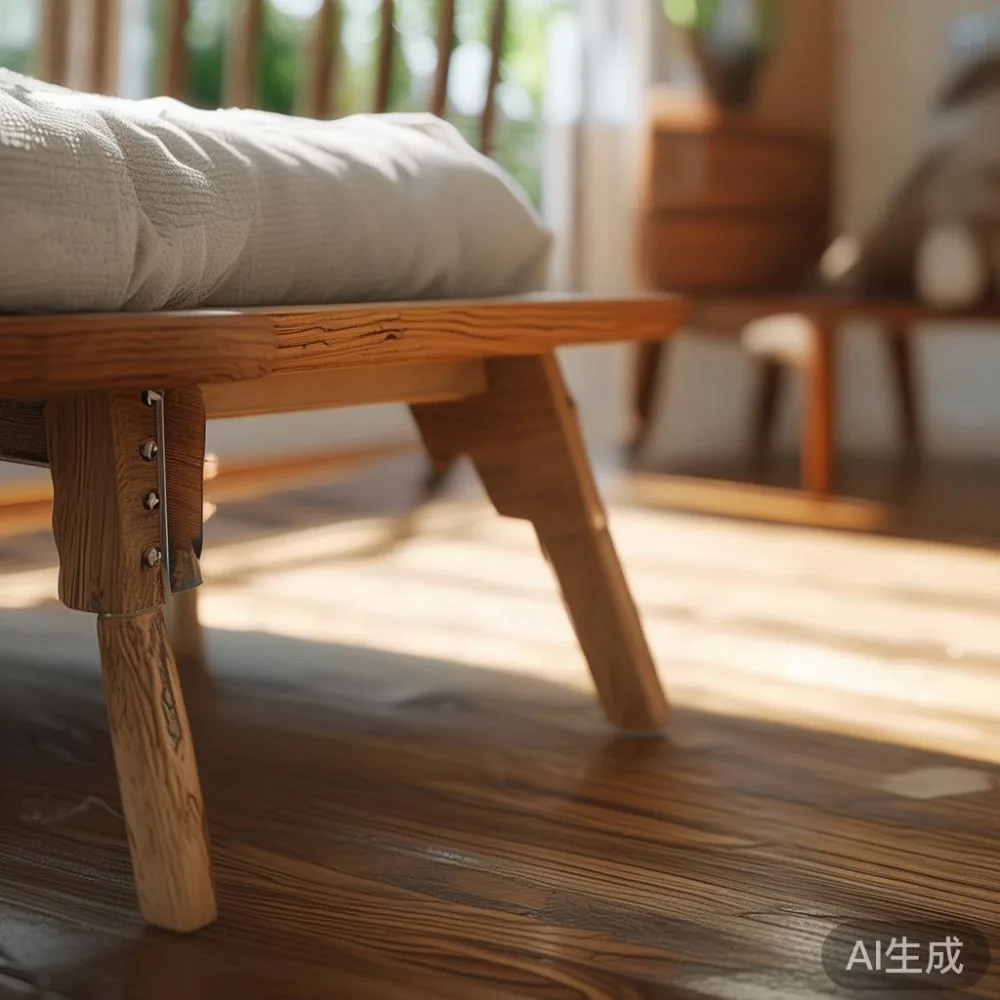
Why Humidity is a Silent Enemy for Wood Furniture?
Wood is a hygroscopic material, meaning it naturally absorbs and releases moisture from the surrounding air. In a high-humidity environment like Singapore, wood constantly absorbs moisture. This process causes the wood fibres to swell. Conversely, during drier periods or when air-conditioned, the wood releases moisture and contracts. This continuous cycle of swelling and shrinking, known as movement, is the primary reason for the damage seen in untreated or low-quality wood furniture.
The effects of this movement are both visible and structural. You might notice small cracks, known as 'checks', appearing on the surface of a table. Larger pieces, like a solid wood dining table, can develop a 'cup' or 'twist' as the stress becomes too great for the wood to handle. The structural integrity of a bed frame or a wardrobe can be compromised, leading to loose joints and wobbly components. The constant dampness can also promote the growth of mould and mildew on the wood's surface, which not only looks unsightly but can also lead to rot and decay over time. Understanding this natural behaviour is the first step toward protecting your investment.
How Singapore's Specific Conditions Accelerate Wood Damage
The challenge is amplified by Singapore's specific living conditions. Many homes, particularly HDB flats, rely on natural ventilation through windows and corridors. While this is great for air circulation, it also means that outdoor furniture and even indoor furniture near windows are constantly exposed to humid air. The presence of air-conditioning units creates micro-climates. A sofa placed directly in the path of an AC vent will experience rapid drying, causing it to shrink and crack much faster than a piece in a more stable environment.
Consider the common scenario in a Tampines HDB flat. A family places a light brown luxury sofa on their balcony. The balcony is exposed to direct sun and rain, and the sofa is also within the blast zone of the living room's powerful AC unit. This combination of intense heat, followed by rapid cooling and drying, is a recipe for disaster for the wood frame of the sofa. The wood will swell during the humid day and then shrink dramatically at night, leading to stress fractures and joint failure. The same principles apply to a marble table top on a wrought iron base; while the marble itself is immune, the metal joints can corrode, and the wood supports underneath can be severely damaged by moisture.
What to Look for in Humidity-Resistant Outdoor Furniture
When selecting outdoor furniture for your Singapore home, the material and construction are paramount. Solid wood furniture is a popular choice for its beauty and durability, but not all solid wood is created equal. The key lies in the type of wood and the treatment process.
Hardwoods like Teak, Shorea, and Eucalyptus are naturally dense and rich in oils, making them highly resistant to moisture and insect infestation. These woods are often the preferred choice for high-quality outdoor furniture. Equally important is the manufacturing process. Look for furniture that has been kiln-dried. Kiln-drying is a controlled process that reduces the wood's moisture content to a level of 6-10%, making it significantly more stable and less prone to future movement. A reputable manufacturer will also apply multiple coats of a high-quality, weather-resistant sealant or oil to create a protective barrier against the elements. This attention to detail ensures your outdoor furniture will last for years, not months.
Is Teak the Only Option for Singapore's Outdoor Spaces?
While Teak is often hailed as the gold standard for outdoor furniture due to its exceptional durability and natural oils, it is not the only viable option. Shorea wood, for instance, is an excellent alternative that offers similar resistance to rot and insects at a different price point. For those exploring a wider range of styles, a well-constructed outdoor furniture set made from dense, treated hardwoods can be just as effective. The most critical factor is not the specific species of wood, but the quality of the material and the craftsmanship involved. A poorly made piece of Teak furniture will fail faster than a well-made piece of Shorea furniture. Therefore, it is wise to focus on reputable brands known for their quality control and use of appropriate joinery techniques.
Practical Maintenance Tips for Your Outdoor Furniture
Even the best outdoor furniture requires regular maintenance to combat the effects of Singapore's humidity. A simple routine can dramatically extend the life of your pieces. For solid wood outdoor furniture, a periodic cleaning with a soft brush and mild soap and water is recommended. After cleaning, ensure the furniture is completely dry before applying a fresh coat of protective oil or sealant. This reapplication should be done every 3 to 6 months, depending on the product's instructions and the level of exposure to the elements.
For metal components, regular inspection for signs of rust is important. A small touch-up with a rust-inhibiting primer and paint can prevent a small issue from becoming a major structural problem. If you notice any mould or mildew on the wood, a solution of one part bleach to three parts water can be used to clean the surface, followed by a thorough rinse and drying. By dedicating a small amount of time to this upkeep, you can ensure your outdoor furniture remains a beautiful and functional part of your home for many years to come.
How to Choose Japanese Sofa for a Humid Climate?
The question of how to choose Japanese sofa for a humid climate is a common one among Singaporeans who appreciate minimalist design. A traditional Japanese sofa, or *chabudai*, is typically low to the ground and features a solid wood frame. When selecting such a piece for a Singaporean home, the priority must be the wood's treatment. The frame must be made from a humidity-resistant hardwood like Teak or Shorea and should have a multi-layered, marine-grade finish. This finish is designed to withstand prolonged exposure to moisture, preventing the wood from absorbing too much water. It is also advisable to choose a design with minimal fabric upholstery, as fabrics can trap moisture and promote mould growth. A solid wood frame with a sealed finish is the most practical and durable choice in our climate.
For those looking at options under 2000 European furniture, the focus should shift towards brands that offer a European light luxury aesthetic with a tropical twist. This style often incorporates clean lines, elegant proportions, and high-quality materials. A European light luxury wardrobe, for example, might feature a solid oak frame with a special moisture-resistant lacquer finish, ensuring its longevity in a humid environment. The key is to look beyond the style and investigate the material specifications and construction quality. A piece of European furniture might be beautiful, but it must be engineered for the specific challenges of a tropical climate to be a wise investment.
Real-World Experience: A Test of Durability in Bedok
Last month, I visited a colleague in his Bedok condominium to see how a new set of outdoor furniture was holding up. He had purchased a solid wood dining table and chairs from a well-regarded manufacturer. The set was placed on his balcony, which, like many in Singapore, is exposed to the elements. After 18 months, the furniture looked remarkably well-preserved. The table showed no signs of warping, and the chairs remained sturdy. My colleague attributed this to two factors: the furniture was made from kiln-dried Shorea wood and had been treated with a premium teak oil every four months. He noted that the initial investment was higher than cheaper alternatives, but the lack of any structural issues or cosmetic damage made it worthwhile. This experience highlighted that proper material selection and consistent maintenance are the most effective defences against humidity.
He also mentioned a different experience with a cheaper, imported light brown luxury sofa he had placed near an open window. The sofa's frame, made of an unspecified softwood, began to show signs of stress within six months. The joints became loose, and the wood developed fine cracks. This contrast reinforced the lesson that quality matters. When browsing for items like a nightstand or wardrobe for the bedroom, the same principles apply. A solid wood wardrobe from a brand like MIDHILL European light luxury wardrobe collection, designed with tropical climates in mind, would offer far greater peace of mind than a mass-produced piece that hasn't been engineered for such conditions.
Styling Your Outdoor Space for Singapore Living
Creating an inviting outdoor space in Singapore is about balancing aesthetics with practicality. The French light luxury style, with its emphasis on elegant curves, intricate details, and a soft colour palette, can be adapted beautifully for balconies and patios. Imagine a French-style outdoor sofa with a light, neutral-coloured cushion, complemented by a marble table for a touch of sophistication. The key is to choose pieces that are not only beautiful but also functional in our climate. The marble table, for instance, will not retain heat as much as stone and is easy to wipe clean after a sudden downpour.
Styling a French sofa in a bedroom setting can create a serene and luxurious retreat. Pairing it with sheer curtains and soft lighting can transform the space. For a more modern approach, the American light luxury style offers comfort and durability, often featuring plush cushions and solid, weather-resistant frames. A post-modern light luxury approach might favour bold geometric shapes and a mix of materials, such as combining a solid wood base with a sleek metal top. The possibilities are endless, but the guiding principle should always be to choose furniture that is designed to thrive, not just survive, in Singapore's humid environment.
Understanding the True Value of Quality Outdoor Furniture
The price of outdoor furniture in Singapore can vary widely, with pieces ranging from a few hundred SGD to several thousand SGD. While it may be tempting to opt for a cheaper set, the long-term costs of replacement and repair can quickly add up. A high-quality outdoor furniture set is an investment in your home's comfort and value. It is built to last, with materials and construction techniques that specifically address the challenges of high humidity.
When making a purchase, consider the warranty offered. A 10-year structural warranty, for example, is a strong indicator of a manufacturer's confidence in their product's durability. It provides peace of mind, knowing that the frame and main structural components are protected against defects. Also, services like lifetime refinishing and free shipping over SGD 350 add further value. These benefits mean that even after many years, your furniture can be restored to its original beauty, and you won't have to worry about hefty delivery charges for your purchase. For those researching top 10 Coastal furniture options, these value-added services should be a key part of the evaluation process.
Where to Find Reliable Outdoor Furniture in Singapore
For Singaporeans looking to invest in quality outdoor furniture, several avenues are available. Reputable local showrooms often carry a curated selection of pieces designed for the local climate. Online retailers can also be a convenient option, but it is important to research the brand thoroughly. Look for companies with a proven track record, established since at least 2008, and a history of exporting to multiple countries, which speaks to their quality standards and adaptability to different environments.
Before making a final decision, it is always wise to check the return policy. A 14-day return policy provides a safety net, allowing you to inspect the furniture upon delivery and ensure it meets your expectations. Consider the logistics of delivery, especially for those living in older HDB estates with narrow corridors. Confirm that the delivery service can work through spaces like the standard 1.2m wide lift and 1.8m wide corridor found in many Singapore public housing blocks. For tech-savvy customers, some brands offer digital tools; you can even explore their product catalog and specifications through their developer portal at api.midhill.co, which can be useful for comparing features and technical details.
Choosing the right outdoor furniture for your Singapore home is a decision that requires careful thought. By understanding the impact of humidity, prioritizing quality materials and construction, and committing to regular maintenance, you can select pieces that will not only withstand the climate but also enhance your living space for years to come. The right furniture is more than just an object; it is a long-term investment in comfort, style, and the enduring beauty of your home.