How to Care for Lacquered Solid Wood Outdoor Furniture in a Tropical Climate
Singapore’s warmth, humidity, salt-laden air, and sudden rain can damage lacquered solid wood faster than many owners expect. On a balcony in Tampines, a lacquered dining table may look dry by noon but absorb enough moisture to swell its joints overnight. In Bedok, coastal winds carry fine salt onto outdoor furniture, while a Punggol condo’s sheltered corridor can still trap humid air around a lacquered sideboard or solid wood sofa.
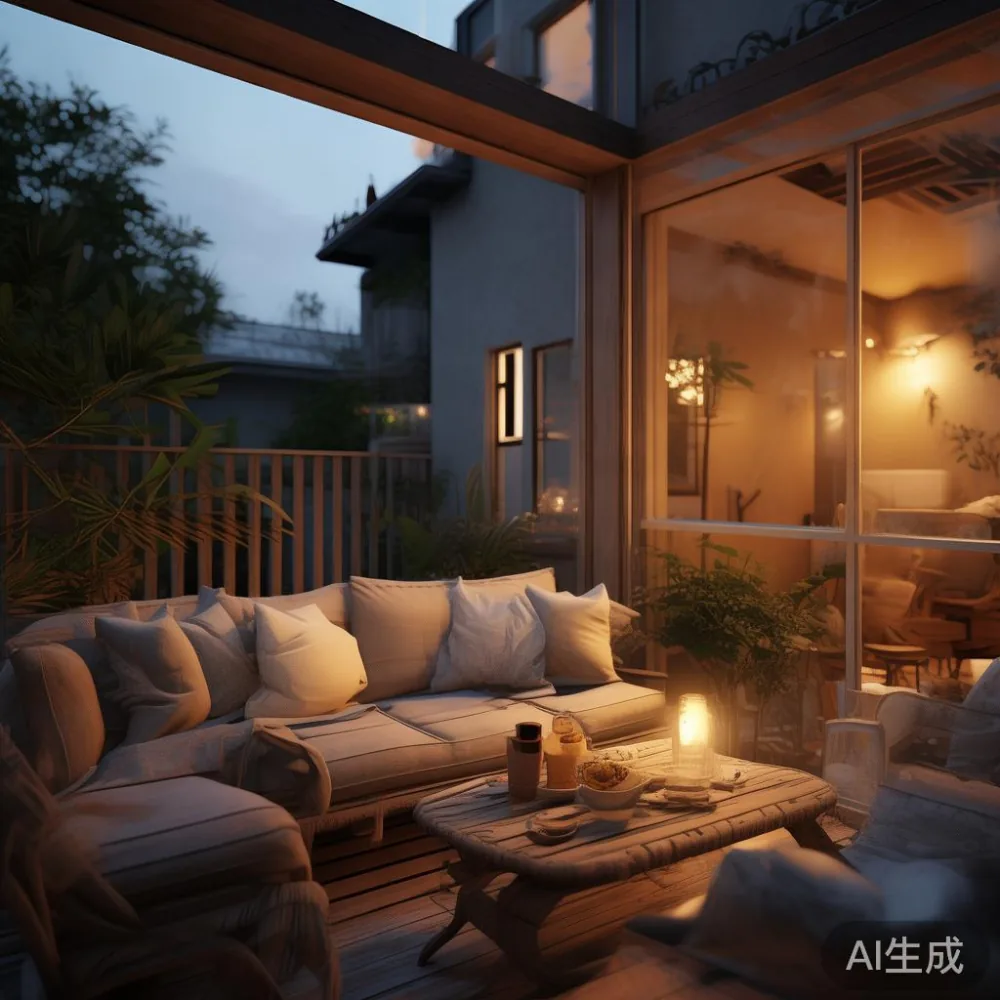
The answer is not to bring every piece indoors or cover it with an impermeable plastic sheet. Good care means understanding the finish, controlling moisture, cleaning gently, and accepting that lacquer is a protective layer rather than a permanent shield. This guide explains how to maintain lacquered outdoor furniture in Singapore, with practical measurements, schedules, and costs in SGD.
What does lacquer do to outdoor furniture?
Lacquer is a clear or tinted coating applied over prepared wood. A typical furniture lacquer may be 0.2–0.8 mm thick, while commercial outdoor coatings can reach 1–2 mm. This film slows water, stains, and scratches from reaching the timber, but heat and ultraviolet exposure can make it fade, cloud, or peel. A high-gloss surface may show fingerprints and water marks more readily than a satin or matte finish.
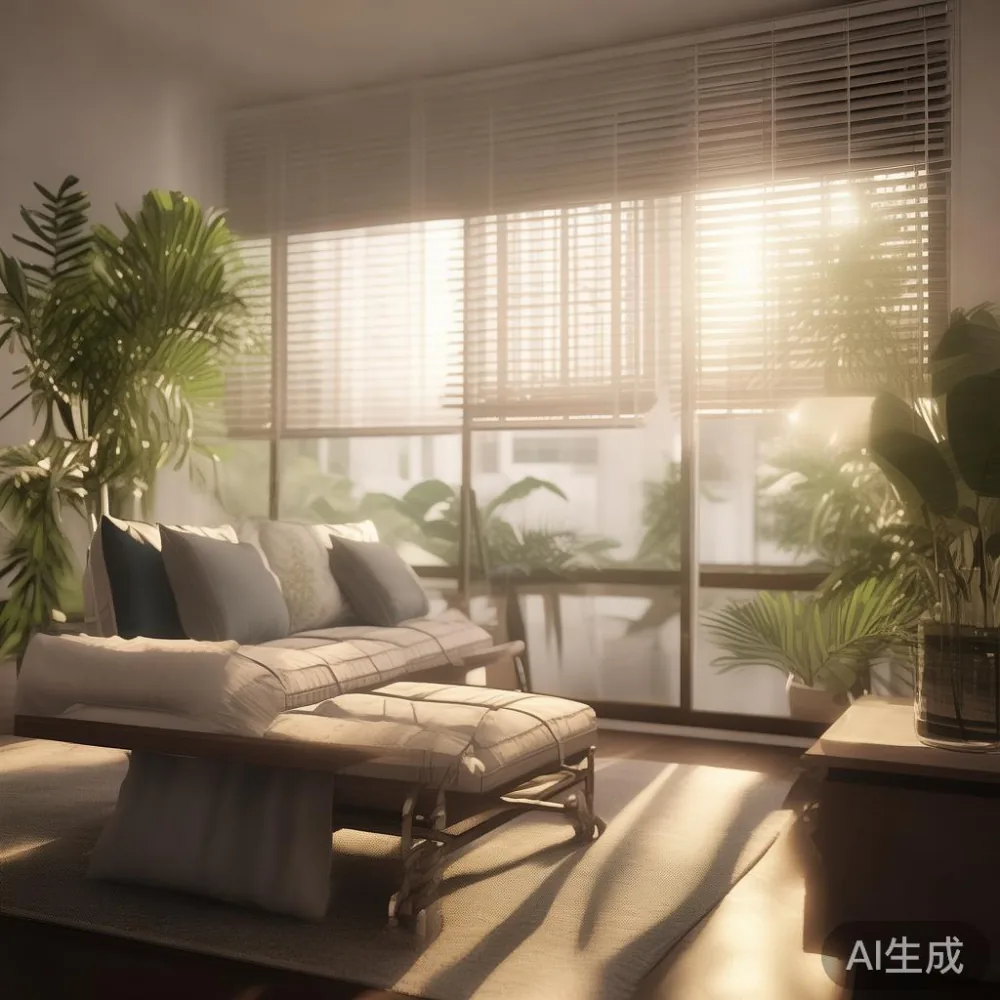
Solid wood changes dimension as it gains and loses moisture. In Singapore, relative humidity may range from roughly 65% to 90%, especially during monsoon periods. An oak dining table with a 180 cm length can expand by several millimetres across its grain; walnut and teak move differently because of their density and oil content. The lacquer helps, yet joints, end grain, and small scratches remain vulnerable points.
For design-conscious households, French light luxury often favours pale woods, refined profiles, and balanced proportions. American light luxury draws on larger silhouettes and practical detailing, while post-modern light luxury accepts mixed materials and restrained contrasts. These styles can suit lacquered outdoor furniture, provided the finish is specified for the actual exposure level. A piece intended for a covered loggia needs a different care plan from one placed beside a pool or on an exposed HDB balcony.
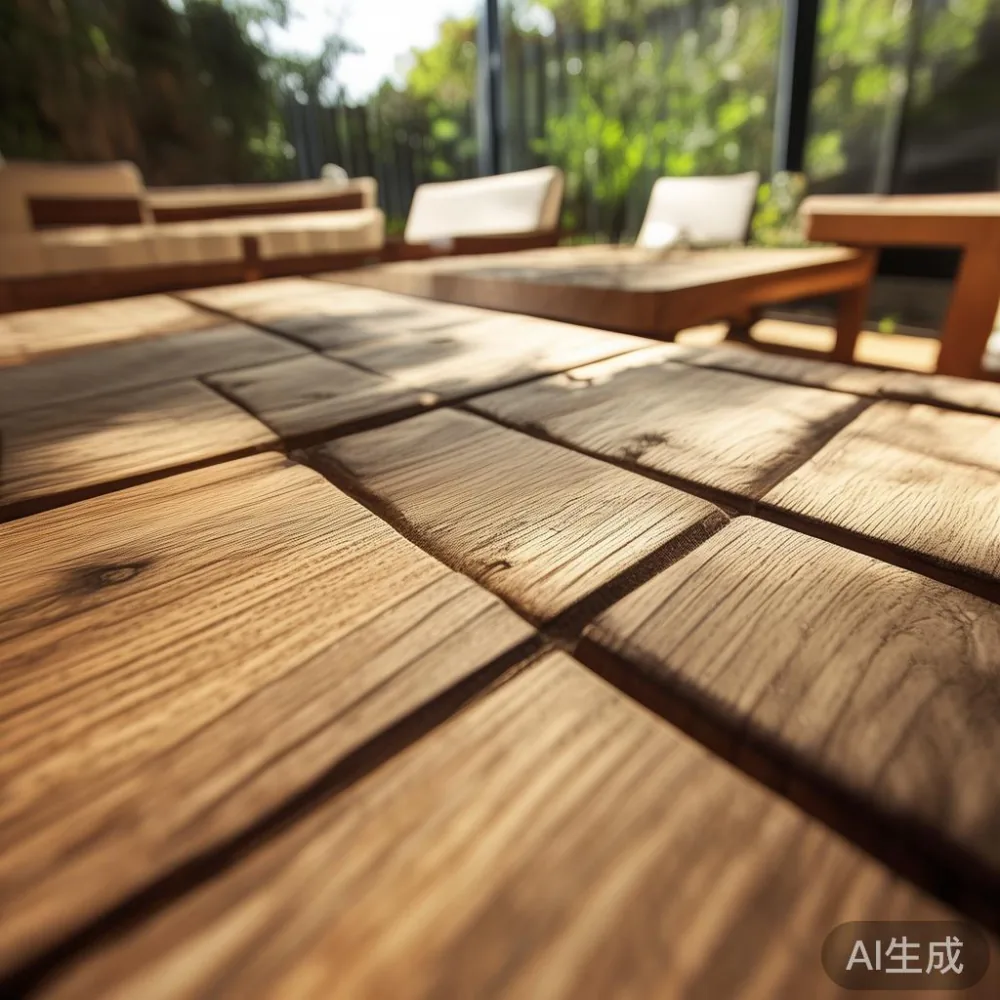
How should I prepare lacquered outdoor furniture for Singapore weather?
Start by identifying the finish. Ask the supplier whether the surface is solvent-based lacquer, water-based lacquer, polyurethane, or a factory-applied outdoor conversion varnish. Record the product name, sheen level, warranty period, and recommended cleaner. If the maker cannot identify the coating, test only a small hidden area with a soft cloth dampened by plain water; do not assume that dish soap, vinegar, or oil is compatible.
Check the piece twice each year. Look for lifting at armrests, chair edges, table corners, and joints. Use a bright lamp held 20–30 cm from the surface to reveal cracks. With a ruler, measure any lifted coating. A gap of less than 1 mm may only need light abrasion and touch-up lacquer; larger lifting needs professional assessment.
Position furniture where air can circulate. Keep it at least 15 cm from a wall where practical, and avoid placing a table directly below an air-conditioning condensate pipe or a drippy plant. A breathable outdoor cover with a waterproof top and ventilated sides is more suitable than sealed vinyl. The cover should fit within about 5 cm of the furniture without pressing into the finish. Secure it against gusts, but avoid tight straps that leave marks.
Use coasters and trivets even on lacquered dining tables. A ceramic coaster under a 1.5 L beverage vessel helps prevent heat rings; a felt pad beneath a 7 kg decorative object reduces scratching. Move hot objects rather than sliding them. One metre-high table lampshades should stand on a stable base and remain 10 cm away from a timber wall.
What is the safest cleaning routine for a lacquered dining table?
Clean lacquered outdoor furniture every 1–2 weeks during high-humidity periods, every 2–4 weeks in drier spells, and immediately after visible spills. Work in shade when the surface is cool. Mix 1 teaspoon of mild pH-neutral dish detergent with 500 ml of lukewarm water, around 30–35°C. The detergent concentration should be about 0.2%; stronger mixtures can leave a sticky residue that attracts dust.
Dampen a microfibre cloth rather than spraying the furniture. Wring it until no water drips, then wipe in the direction of the grain. A 30 cm square cloth is easy to control around table joints. Follow with a second clean, barely damp cloth to remove residue, and dry with a soft cotton towel. Do not use a wet mop on legs, undersides, or the gap between a tabletop and apron.
Never use abrasive pads, steel wool, rough sponges, or household bleach. Avoid ammonia, acetone, thinner, alcohol-based cleaners, and oil treatments unless the coating maker explicitly approves them. Vinegar is acidic and can dull some finishes. Silicone spray may create “fish-eye” spotting that is difficult to remove.
Last month I visited a family balcony in Tampines and tested a satin-lacquered teak dining table that had been exposed to rain for six months. A neutral cleaning cloth lifted a dusty ring, while an oil-soaked cloth left a dark patch that took three careful wipe-downs to reduce. That visit confirmed a simple rule: remove contaminants promptly with a damp cloth and avoid treatments that were not specified for lacquer.
After cleaning, inspect under oblique light. Water spots should disappear after wiping. If a mark remains, it may be in the lacquer rather than on it. For persistent marks, use a manufacturer-approved polishing compound suitable for the sheen, applied with a clean cloth in a 10 cm circle and removed immediately. Sanding should be the last option because it can flatten moulded edges and create a visible repair.
How do I protect a lacquered solid wood sofa or bench?
Outdoor seating needs protection from three common problems: perspiration, sunscreen, and standing water. Although a solid wood sofa is more commonly used indoors, its outdoor variants require more attention than an upholstered lounge. Wipe a frame or bench with a damp cloth every 7 days, and remove cushions when the air is humid so moisture does not stay trapped underneath. Keep cushions at least 5 cm above the deck if drainage is poor.
Sunscreen and insect repellent can stain lacquer. Keep a 20 cm barrier around seating, or wipe exposed surfaces every 14 days. Do not spray insect repellent directly onto wood or lacquer. If a cushion leaks, blot rather than rub; repeated rubbing can abrade the finish.
Check structural fixings every 3 months. Torque bolts only to the maker’s specification; over-tightening can split timber. A dining chair carrying 120 kg should have its joints checked after the first 3 months, then every 6 months. Outdoor furniture positioned beside a condo pool should also be checked for salt accumulation after heavy rain.
For a coordinated interior, a solid wood sofa may borrow its palette from a French provincial bed, but the outdoor finish must remain clearly specified for humidity. Any guide to how to choose French provincial bed may discuss pale timber and carved details, yet those design cues do not guarantee an outdoor lacquer formula. Ask for separate indoor and outdoor care instructions.
How should I handle scratches, stains, and peeling lacquer?
Minor marks can sometimes be managed without replacing the whole piece. Use a soft pencil eraser on fresh dirt marks, then clean and dry the area. Scuff marks caused by shoes or bags can sometimes be reduced with a finish-compatible polishing product. Work across a 5 cm patch and test first; stop if the finish becomes dull or uneven.
For a scratch deeper than 0.2 mm, photograph it under daylight and contact the maker. Deep splits, lifting over 5 mm, or bare wood should not be filled with ordinary paint. A repair needs matching lacquer, careful feathering, and sometimes sanding back to sound coating. Colour matching matters on walnut and oak because sunlight changes the apparent tone.
For oil stains, blot within 10 minutes. For a dried stain, use a cloth barely dampened with the approved neutral cleaner; do not soak the area. Ink, dye, and permanent marker usually require professional service. A wax or oil product may improve the look temporarily, but it can collect dust and prevent a future lacquer repair from bonding.
Warranty terms should be checked before attempting a repair. MIDHILL provides a 10-year structural warranty on qualifying furniture and lifetime refinishing service, according to the order’s terms. Finish coverage, shipping, and service eligibility should be confirmed in writing. This is especially relevant if the damage resulted from a coastal location, direct sun, or an uncovered installation.
How often should lacquered outdoor furniture be refinished?
Inspect quarterly and plan refinishing according to condition rather than a fixed age. A sheltered piece with intact lacquer may need no full refinishing for 8–10 years. A sun-exposed table may show UV fading in 2–4 years, while peeling can develop sooner around continuously damp joints. Cosmetic refinishing and structural repair are separate services.
Use a simple log with 4 columns: date, weather exposure, observations, and action. Record rainfall, direct sun hours, and the number of visible marks. Photograph the same side, edge, and leg joint each quarter. If the lacquer is crazing, yellowing, or becoming powdery, stop using the piece for food service until it has been assessed.
A neutral interior project can influence colour choices without dictating outdoor care. A search for top 10 Modern light luxury furniture may surface marble table designs that suit open-plan Singapore condos, yet a marble table should remain indoors because acids and moisture can affect stone. A marble table can serve as a protected dining reference, while the exterior dining table receives the weather-resistant lacquer.
For storage ideas, a guide to how to style American wardrobe in apartment can help a Bedok flat connect its indoor wardrobe with the balcony palette. An American wardrobe in pale wood may echo an outdoor cabinet, but the two finishes should not be treated with the same cleaner. Check labels, keep records, and never transfer an indoor-care product outdoors without approval.
How do I install and move outdoor furniture through a condo or HDB corridor?
Measure before delivery day. Record the lift door width, internal cabin depth, corridor turning points, and the furniture’s longest rigid dimension. Add 5 cm of handling clearance, but do not assume every lift or corridor can accept that amount. An HDB lift with an 80 cm door may suit a chair but not a 180 cm table unless it is assembled outside the block.
Check whether the building requires a moving-booking slot, floor protection, or insurance. Reserve a service lift for at least 30 minutes for a dining table and chairs. Protective blankets should be 3–5 mm thick and secured with straps; adhesive tape should never touch lacquered surfaces. Carry pieces with 2 people when each person can handle at least 25 kg safely. For a 65 kg table, use 3 people or a rated trolley.
Protect door edges and lift corners with foam or cardboard guards. Remove table legs only if the maker permits it. When lifting, support the frame rather than pulling by a thin apron. A solid wood bed frame or wardrobe may be relevant to the broader room plan, but neither should be carried onto a balcony merely to solve storage shortages. Outdoor furniture is a use category, not an overflow rack.
At checkout, confirm the delivery window in working days, assembly charge, lift-booking fee, and return arrangement. MIDHILL offers free shipping over US$350, but Singapore orders should be priced in SGD, with GST shown clearly. The company’s stated 14-day return period also needs to be checked against the item’s condition and stated policies. Keep the receipt, finish label, and packaging for at least 24 months.
Can outdoor furniture be styled in a post-modern light luxury home?
Yes, if colour, material, and scale are coordinated. Post-modern light luxury often mixes clean forms with a few sculptural pieces. A satin-lacquered solid wood dining table can ground a balcony in warm timber tones, while a marble table indoors can reflect light toward the opening. Use one repeated accent colour across cushions, planters, and textiles.
French light luxury works well with oval silhouettes, cream textiles, and muted natural woods. American light luxury may favour deeper finishes and broader profiles. In a compact HDB balcony measuring 3.5 m by 1.5 m, choose furniture with a 45–55 cm wide chair and avoid placing another bulky cabinet along the wall. In a larger Tampines condo terrace, a 200 cm table can anchor the dining end while keeping a 90 cm circulation route.
A light-luxury plan should not outweigh climate performance. Confirm lacquer compatibility, solid wood species, finish thickness, UV resistance, and warranty before choosing a piece. For broader inspiration, lists of best light luxury furniture can help with finish selection, while a search for the best Scandinavian sofa for 2026 is more relevant to a covered living room than a wet balcony.
A separate bedroom may connect visually to the balcony through a European bed vs Italian light luxury bed comparison. An Italian light luxury bed might provide a more upholstered statement, while a European platform frame can keep the room visually light. Whatever the indoor choice, keep outdoor furniture purpose-specific and protect it from tropical moisture with a measured care routine.
What is the practical tropical-care checklist?
Follow a 20-minute monthly routine. Check the lacquer for lifting, stains, and trapped water. Wipe accessible surfaces with a clean microfibre cloth, inspect beneath cushions, and confirm that drainage holes remain open. Every 3 months, check fixings, clean beneath the furniture, and photograph key areas. Every 6 months, review the finish, test the cover fit, and assess whether any marks need professional attention.
After storms, dry the furniture as soon as it is safe. Keep it out of direct rain for at least 2 hours when possible, while ensuring ventilation. Do not use a heat gun; a surface above approximately 50°C can soften lacquer and make later repairs less predictable. Keep a bowl of baking soda nearby for spills? No: plain water and a manufacturer-approved neutral cleaner are safer for lacquer unless the supplier instructs otherwise.
Budget for occasional professional cleaning or refinishing rather than promising a maintenance-free result. A light refresh may cost around SGD 80–SGD 250 per dining table, while a more involved refinishing job can range from SGD 300–SGD 900. Add GST where applicable and confirm a written quote before work begins.
The central principle is restraint. Use mild products, clean often, keep water away from joints, and repair small defects before they become broad peeling. In Singapore, attentive care allows lacquered solid wood outdoor furniture to retain its colour, smoothness, and structural integrity for many years without pretending that tropical weather has no effect.