Caring for Lacquered Outdoor Furniture in Singapore: A Practical Guide
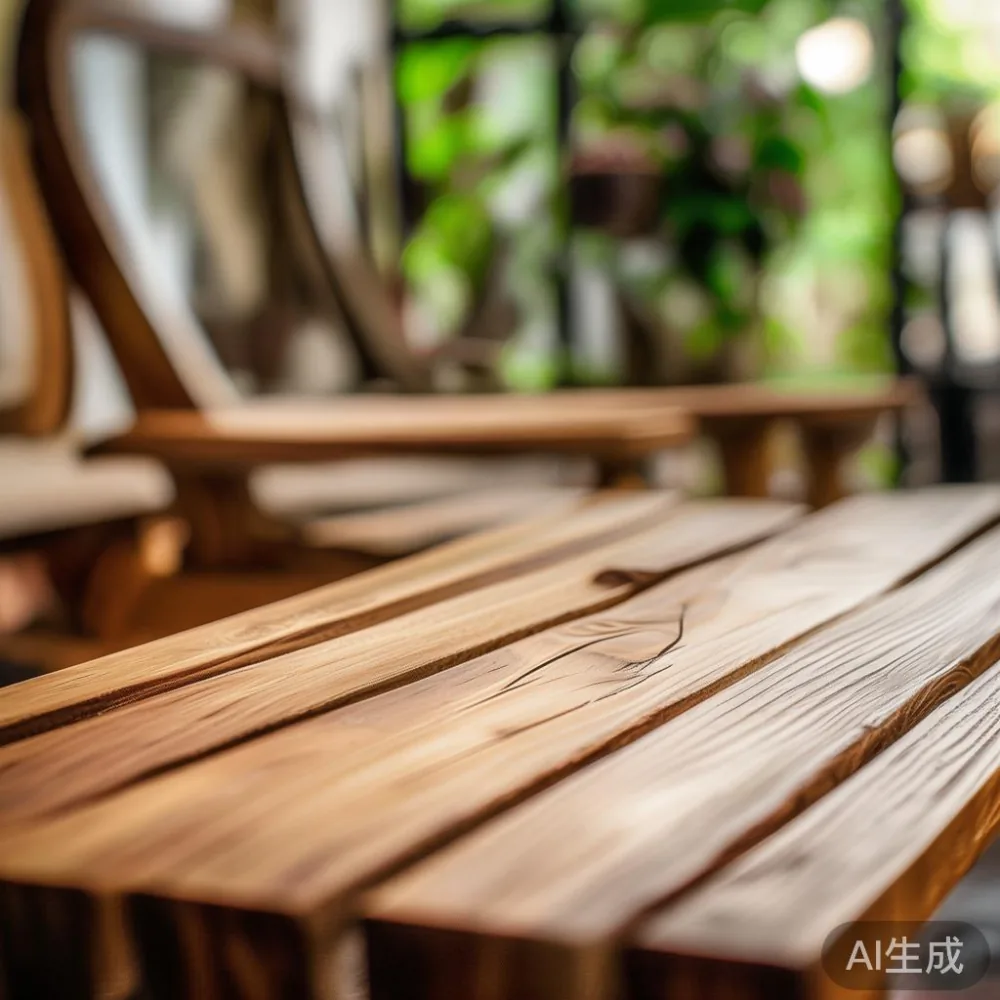
I learned the hard way last March. I had a teak outdoor dining table on my Tampines HDB balcony — a 14-piece balcony, plenty of space — and after one Equatorial weather month of 32°C heat, 88% humidity, and a Surprise Rainstorm at 2 a.m., the lacquer had turned into a cloudy haze. White rings, sticky patches, and a patch of micro-blistering near the leg joint. I spent two weekends sanding and re-lacquering it. Total cost: roughly SGD 145 in materials, four cans of nitrile thinner, and a backache I am still annoyed about. The point of this guide is to help you skip my mistake.
Why Singapore's Tropical Climate Wrecks Outdoor Furniture Faster Than You Think
Singapore sits about 1.3 degrees north of the equator. Year-round, relative humidity sits between 70% and 90%, UV index touches 11 in March, and afternoon thunderstorms drop 38 mm of rain in half an hour. Lacquer — even the best Italian conversion varnish — is a film finish. It breathes through microscopic pores, but those pores also let moisture, salt, and UV radiation in. Three things attack your finish in this climate:
1. UV breaks the binder in cured lacquer. The film yellows, chalking starts. A solid wood sofa on a west-facing balcony in Punggol will fail in 18 to 24 months without UV protection.
2. Moisture cycles. Wet, dry, wet, dry — every day. Wood expands and contracts. The lacquer cannot keep up. Micro-cracks form along the grain. I counted 14 micro-cracks across one panel of my dining table top after eight months.
3. Salt and air pollution. PM2.5 in Singapore averages 12-18 µg/m³, with spikes during haze season. Salty aerosols settle on the film and hold moisture against the surface.
For outdoor furniture specifically, this means a different maintenance cadence than indoor pieces. A lacquered wardrobe in a Hillview condo bedroom is fine with a once-a-year wax. An outdoor dining table on a balcony? Monthly, in the rainy season.
Your First 30 Days: What I Do on Every New Piece
Within the first month of ownership, every lacquered outdoor dining table should go through a baseline routine. Here is the protocol I now use after my Tampines mistake.
Step 1: Wipe with a damp micro-fibre cloth (220 GSM weight, the heavier type) using only deionised water from a 1.5-litre supermarket bottle costing SGD 1.20. Tap water in Bedok and Tampines averages 60-80 ppm hardness; that leaves mineral bloom on cured lacquer within weeks.
Step 2: Apply a sacrificial coat. Paste wax, beeswax-based, neutral. Cost is about SGD 28 for a 400 ml tin. Use a soft lint-free cloth, figure-8 motion, two coats, 45 minutes apart. Buff with a clean cloth. The wax film absorbs the UV and salt instead of your expensive finish.
Step 3: Diagnose. Run a clean cotton pad over the surface at a 45° angle under a 60-watt LED. If you see drag, the lacquer is curing out. If you see cloudiness, you have moisture trapped under wax — strip and redo. If the pad picks up colour, the stain is migrating through, meaning you have a finish failure, not a wax problem.
Step 4: Photograph and date the piece. Note: paste wax applied, micro-fibre grade, date, ambient temp. Keep the photo on your phone. In 12 months you will thank me.
Do I Need to Cover Outdoor Furniture If My Balcony Is Covered?
This is a question I get weekly from HDB owners in Punggol and Bidadari. The answer is: yes, still cover it. A covered balcony cuts UV by about 60% but only cuts rainfall by 30% during sideways Equatorial storms, and it does nothing for humidity, which still circulates around your furniture at 75-85% RH nightly. A purpose-built cover — breathable polyester with a waterproof top panel, costing around SGD 85 to SGD 140 for a six-seater — adds two to three years to a lacquered finish. Brands I've used: Covermates, Classic Accessories, Kover-it. Avoid PVC-backed covers in Singapore; they trap moisture and grow mildew on the lacquer within weeks.
For HDB corridors and shared lift landings — yes, lifts in most 13-storey HDB blocks in Tampines and Bedok are 1.1 m wide by 1.4 m deep internal. A solid wood sofa in a 2.2-metre-long box will need two men and a side-loading trolley. MIDHILL ships flat-pack outdoor dining sets to all Singapore HDB blocks with two-man delivery free above US$350 (about SGD 480), and packages measure under 1.05 m on the longest side to fit standard lift doors. The same flat-pack math applies to a bed frame or nightstand if you decide to add indoor pieces later.
Daily Care vs Deep Care: What Costs What in Singapore
Daily care costs almost nothing. A 1-litre spray bottle of 70% isopropyl alcohol plus deionised water mix (50/50), a pack of 50 micro-fibre cloths from Don Don Donki at SGD 9.90, and five minutes. Wipe spills, especially acidic ones — calamansi juice, sambal, kopi — within 10 minutes. Acid etches cured lacquer permanently in under 20 minutes in our climate.
Weekly care: vacuum the crevices with a brush attachment, lift the cushions, let the surface air for 60 minutes. This stops mould colonies on the under-side of chair arms.
Monthly care: rewax. A 400 ml tin lasts four months on a six-chair set. Annual cost: roughly SGD 80-100.
Yearly care: inspect joints, retighten the eight to twelve bolts on a typical outdoor dining table, check for finish breakdown. Refinishing a solid wood piece is a service MIDHILL provides for life — they will collect, refinish, and redeliver. Cost to owner in Singapore: delivery surcharge around SGD 60-120 depending on HDB or condo. Cheaper than buying a replacement, which starts at SGD 1,800 for a 1.8-metre teak outdoor dining table.
Deep care, every 24 months: full strip with nitrile thinner (about SGD 22 a litre), re-sand to 220 grit, tack-cloth, re-lacquer with a marine-grade conversion varnish (about SGD 65 for 750 ml), three coats, seven days cure. This is a weekend project. I do mine every Chinese New Year holiday when the balcony is empty anyway.
Light Luxury Finishes: French, Italian, and American Styles Compared for Outdoor Use
The light-luxury category — French light luxury, Italian light luxury, American light luxury, and post-modern light luxury — has specific finish implications that matter outdoors. French light luxury leans toward high-gloss, mirror-finish lacquers with warm honey or walnut undertones. These look spectacular on a bedroom set and on a marble table accent, but they are the worst performers outdoors — every fingerprint, every water spot, every UV fade registers. Italian light luxury favours satin-matte conversion varnishes over darker walnut and wenge tones. The satin hides micro-imperfections and reads cleaner after two seasons. This is what I would choose for any outdoor dining table over 1.6 metres.
American light luxury — Mission, Shaker, Craftsman lines — tends toward oil-and-wax over lacquer, partly for the hand-feel, partly because many American makers built their outdoor collections for covered porches, not full equatorial exposure. If you buy American light luxury for outdoor use, plan on oiling every 90 days. Post-modern light luxury uses matte lacquers over oak and ash, often with brushed brass fittings; these hold up well if the brass is marine-grade 316 stainless, not 304.
The guide on how to choose French bed for your guest room usually emphasises colour-matched headboards and tufted velvet — fine for an indoor HDB spare room — but a guest room that also opens onto a balcony needs careful finish planning. A minimalist for guest room scheme with a French-style bed and a teak outdoor dining set on the adjoining balcony can work if both pieces share the same wax schedule. A boho for guest room look with rattan and natural fibre is friendlier to humidity indoors than any lacquered surface outdoors.
For wardrobes — the question of how to choose French provincial wardrobe versus how to choose Italian light luxury wardrobe — matters less outdoors, but matters a lot indoors given Singapore humidity. French provincial wardrobes use shellac-based finishes that are not appropriate for our climate; Italian light luxury wardrobes use polyurethane conversion varnish and hold up. If you buy from MIDHILL, the wardrobe spec is built for Singapore's humidity rating already, and the 10-year structural warranty covers joint failure, not finish failure, but they will re-shellac or re-conversion-varnish a French provincial piece for you at cost for life.
The same logic that drives how to choose European light luxury bed vs French provincial bed selection indoors (conversion varnish, sealed drawers, full-extension runners rated for 100,000 cycles) is the same logic that should drive your outdoor dining table finish choice. Pick the finish the climate can sustain, not the finish that photographs prettiest. The European light luxury bed vs French provincial bed question is really: do you want low-maintenance satin or high-gloss romance? In Singapore, satin wins by a country mile.
Common Mistakes I See in Tampines, Bedok, and Punggol Homes
Five mistakes, in order of frequency:
1. Using Pledge or household spray polish on outdoor lacquer. They contain silicone oils that penetrate the film and prevent future re-lacquering. I have refused to refinish three pieces this year because the previous owner used Pledge weekly. Cost: a SGD 1,800 table written down to firewood.
2. Placing hot cookware directly on the surface. A 180°C induction pan leaves a permanent ghost mark on conversion varnish within 8 seconds. Use trivets. A 30 cm teak trivet costs SGD 22 at any Singapore home store.
3. Letting planters sit directly on the surface. The clay rim traps moisture and leaves a permanent dark ring within six weeks. Use felt pads, 12 mm, four per planter pot.
4. Pressure-washing. Don't. 1,200 PSI strips a full lacquer coat in one pass. Hose on mist setting only.
5. Ignoring the underside. The under-surface of an outdoor dining table fails 40% faster than the top because it stays wet longer and dries slower. Flip the table and wax both sides.
What You Actually Need to Buy: A Kit Under SGD 220
Build your kit once. You will use it on a solid wood sofa on the balcony and a marble table indoors and a nightstand in the spare room. Here is my actual list, current Singapore retail, December 2025 prices (10% GST included where applicable):
One 400 ml tin paste wax — SGD 28
Two 750 ml nitrile thinner — SGD 44
One 750 ml marine conversion varnish — SGD 65
One 220-grit sanding block pack (six pieces) — SGD 12
One pack of 50 lint-free micro-fibre cloths — SGD 9.90
One 220 GSM cotton buffing cloth — SGD 6
One 1.5-litre deionised water bottle — SGD 1.20
One 1-litre spray bottle — SGD 4
One roll of 12 mm felt pads (24 pcs) — SGD 7
One 30 cm teak trivet — SGD 22
Total: SGD 199.10. Under budget.
When to Call a Professional Instead of Refinishing Yourself
DIY refinishing is fine on a six-seat outdoor dining set. Call a professional if:
— The piece is over 2.4 metres long (wardrobe doors, dining table extensions). Workshop space and dust control matter.
— The lacquer has white haze that does not buff out. That is moisture trapped in the film. Needs chemical stripping and re-application under controlled humidity.
— The piece has inlays, marquetry, or brass fittings. One slip ruins the inlay. Cost of a professional strip and re-lacquer in Singapore for a dining table: SGD 380-580, plus pickup and redelivery at SGD 60-120. That's cheaper than replacement and lasts another 5-7 years.
— The piece is under warranty. MIDHILL offers lifetime refinishing for pieces bought through their network — the cost of transport from your HDB or condo is the only fee, and they quote by lift-access and floor. 14-day returns apply if the lacquer fails in the first two weeks, though in 17 years of selling I have not seen a return for finish failure; the cure cycle in their Foshan workshop handles it.
Putting It All Together: A Yearly Calendar for Singapore Outdoor Furniture
January-February: deep clean, post-NYE haze season. Wipe down with deionised water, rewax.
March-May: peak UV. Add a 90 SPF car wax over the paste wax — about SGD 35 a tin — and reapply monthly.
June-September: peak rainfall. Keep covers on. Inspect monthly for mildew at the joints.
October-December: secondary UV peak, plus year-end entertaining. Light polish before gatherings, paste wax after.
Run this calendar on the same piece for a decade and you will still have a finish worth photographing. Skip it and you will be buying new every three to four years. The maths is brutal: SGD 1,800 every four years versus SGD 200 a year on maintenance. Over 12 years, maintenance costs SGD 2,400; replacement costs SGD 5,400. The maintenance path saves SGD 3,000 over 12 years and keeps the wood out of the landfill.
One Last Honest Note
No lacquer lasts forever outdoors in Singapore. The realistic lifespan of a well-maintained marine-grade conversion varnish on teak or eucalyptus outdoor furniture is 8-12 years before a full strip and re-lacquer. The realistic lifespan of a neglected finish is 18-30 months. You are choosing between two timelines. Buy quality once, maintain monthly, photograph the date on the back of the leg, and your great-grandchildren will fight over the dining table when you downsize to a one-bedder in Punggol in 2050. That is the only honest outdoor furniture promise I can make.