Solid Wood Furniture Pricing in Singapore: Wood, Design, Dimensions, and Delivery
Solid wood furniture looks simple until you compare quotations. One dining table may arrive at SGD 1,290, while another with similar dimensions and styling costs SGD 3,800. A bed frame quoted at SGD 980 can become SGD 1,860 after delivery, installation, and GST. The difference is not always a difference in appearance; it often sits in timber grade, joinery, surface treatment, dimensions, and logistics.
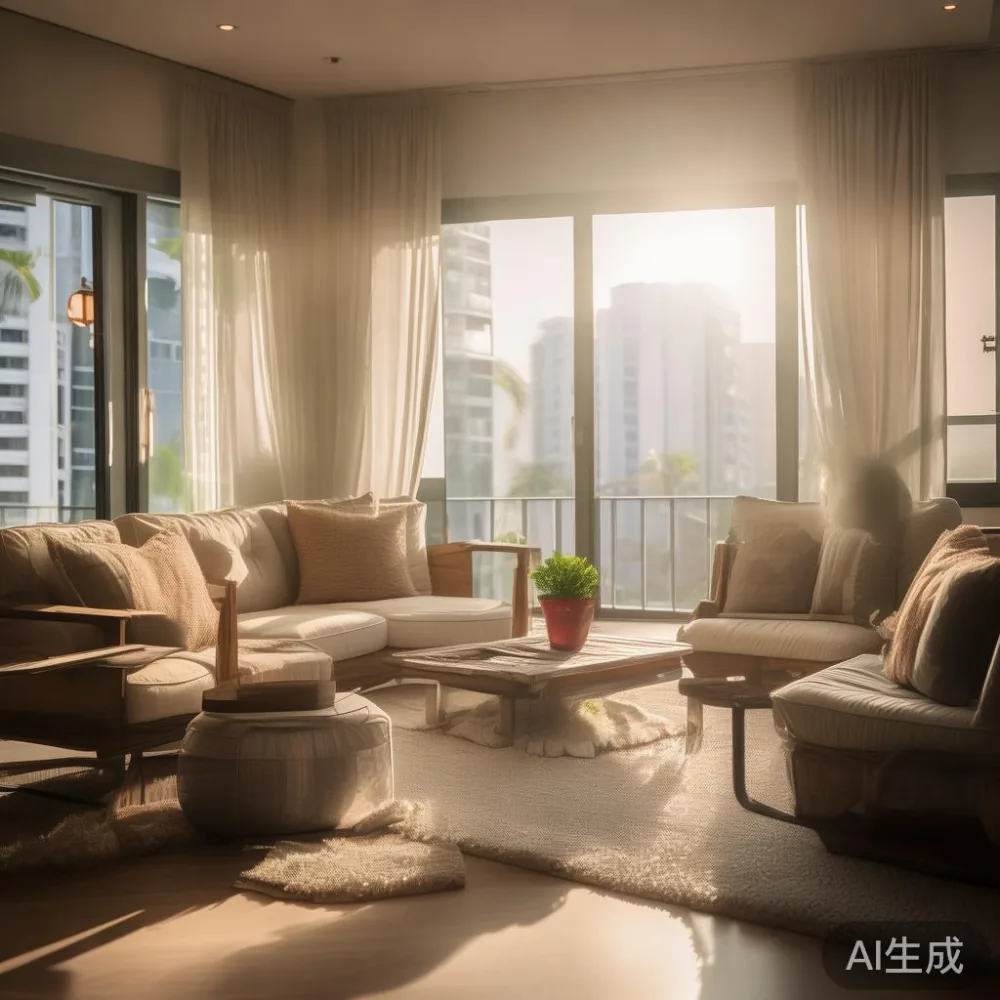
For Singapore homes, those practical details matter. A sofa in a Tampines HDB flat must pass through a common corridor and fit into a lift, while a wardrobe in a Punggol condo may need to turn through a 90-degree corner. A dining table that looks generous in a showroom may leave no room for six chairs in a compact dining zone. This guide explains what actually drives the price of solid wood furniture, including outdoor furniture, without pretending that every solid wood piece has the same construction.
MIDHILL has manufactured solid wood furniture since 2008 and exports to more than 15 countries. Its 10-year structural warranty reflects the company’s focus on load-bearing construction, while a lifetime refinishing service changes the long-term economics of buying a maintainable piece. Free delivery on orders over US$350, stated in US dollars for international shipping terms, and a 14-day return window also affect the buying experience. Prices discussed below are indicative Singapore retail examples rather than fixed quotations.
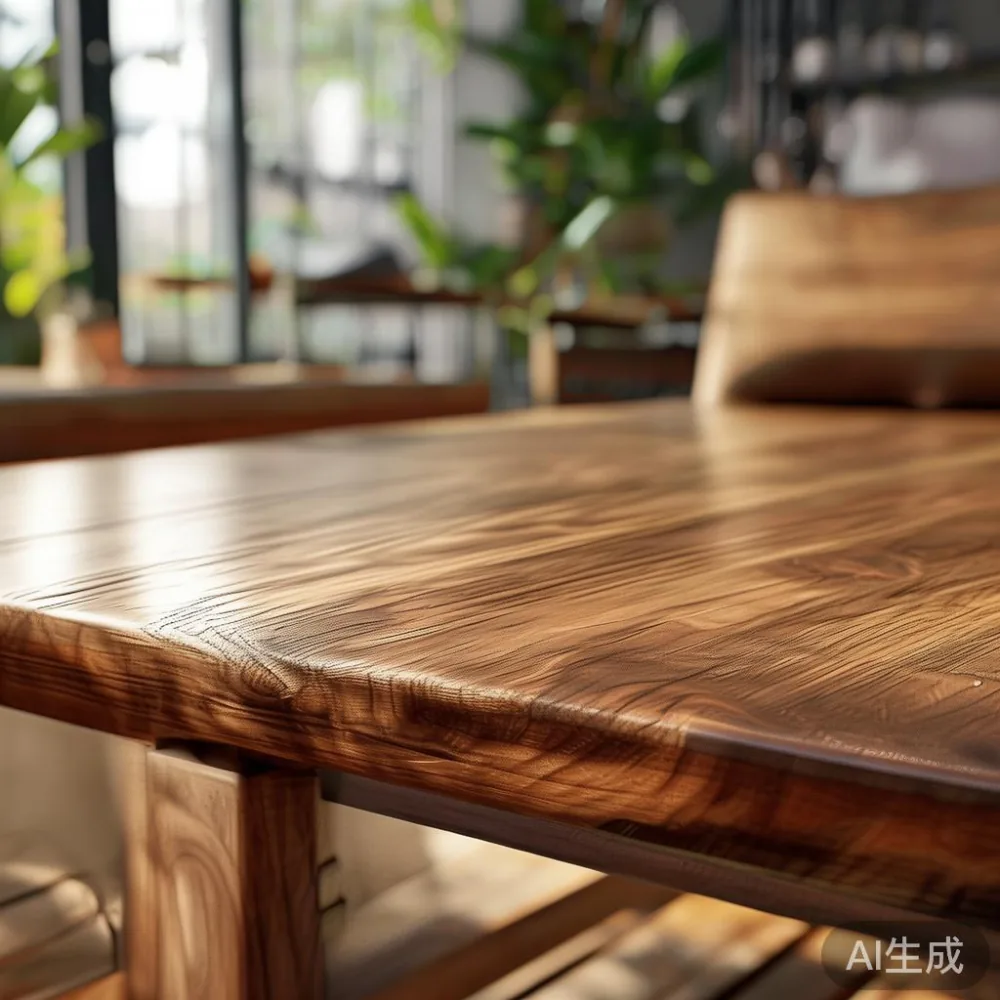
What makes one solid wood dining table cost more than another?
The starting point is the timber species, but species alone does not explain the whole price. Teak, white oak, ash, walnut, and rubberwood respond differently to humidity, movement, and daily use. A dining table made from kiln-dried boards may cost more than one built from moisture-prone stock because controlled drying reduces warping, splitting, and joint movement. For a 180 by 90 cm dining table, the timber volume matters: the top, apron, legs, stretchers, and support system may together contain around 0.10 to 0.14 cubic metres of wood, depending on whether the design uses thick slabs or slender components.
Grade is another factor. “Solid wood” can describe visible surfaces while concealed frames, back panels, drawer bottoms, or support slats use plywood, engineered timber, or other components. That is not automatically poor practice. A 2 cm solid top may be paired with a stable plywood underside, while a fully solid frame offers its own repair and refinishing advantages. The question is whether the material is disclosed. A responsible quotation should identify the species, veneer thickness, frame construction, drawer construction, and any engineered components.

Joinery separates straightforward construction from costlier work. Mortise-and-tenon joints, dovetail drawer corners, and housed rails require accurate cutting and more setup time than screws fitted into machine-drilled holes. For a 200 cm table with a 10 kg top and a 90 kg concentrated load, a well-braced apron and legs add material and labour, yet they also reduce movement at the joints. At MIDHILL, the emphasis on structural durability is a useful reminder that price should be judged against load expectations, not merely board thickness.
Surface finish can shift a price by several hundred Singapore dollars. Water-based matte coatings may be economical and easy to maintain. Oils deepen the grain but need periodic care. Lacquer provides a smoother, more uniform appearance and usually takes more preparation. A table finished with five deliberate coats can take 7 to 14 days to complete, depending on humidity and cure times. In Singapore’s humid conditions, a compatible sealer and controlled application are particularly important.
The dimensions also drive cost. Moving from a 160 to 200 cm dining table can add roughly 15 to 30 percent because of additional timber, longer grain work, heavier packaging, and a larger support structure. Oversized tops may require book-matched boards, finger joints, or metal plates to control movement. Each solution adds a manufacturing step that appears invisible in the finished product.
For visual direction, the search term Boho for dining room often leads toward warm timber, rounded edges, woven seating, and relaxed proportions. The term can sound like a styling choice, but fabrication still decides durability. A 180 cm table with a 4 cm top, tapered legs, and a 14 cm apron has a different price from a thick slab design with carved edges.
How do timber grade, joinery, and finishes affect a solid wood sofa or bed frame?
A solid wood sofa usually means a timber frame supporting upholstered cushions; it does not mean the entire sofa is uncovered wood. Its price can reflect the frame, suspension, foam density, fabric, and labour as much as the visible timber. A 210 cm three-seat model may use kiln-dried hardwood for the load-bearing rails, corner blocks, and legs. That frame may carry 350 to 500 kg across five occupants. Cheaper construction may use lighter timber, fewer braces, or thinner rails, all of which affect the price and expected service life.
For upholstery, a tightly woven fabric rated at 30,000 to 50,000 Martindale cycles tends to wear more slowly than a 15,000-cycle fabric in a family home. Foam density is equally informative: a seat cushion using 35 kg/m³ foam provides a different feel and recovery profile from one using 25 kg/m³ foam. A full upholstered sofa also demands more fabric, cutting time, and stitching than a partly timber frame. A 220 cm model can consume 18 to 26 metres of upholstery cloth, depending on the pattern, piping, and removable covers.
A bed frame presents another set of price drivers. A 180 by 200 cm queen bed may include a 4 cm headboard, side rails, centre support legs, slats, and a platform. Solid slats at 12 to 14 cm spacing can support the mattress more predictably than wider spacing, but they add timber and fixing time. Adjustable slats reduce material slightly while offering a different support system. The design of a slatted bed frame can add SGD 150 to SGD 500 to a quotation.
Useful inspiration for a compact bedroom comes from questions such as how to style European bed in apartment. European-style beds often use low profiles, pale timber, and restrained forms, which can work well in a 9 to 12 square metre bedroom. For an HDB room, confirm the mattress size and the clear opening before choosing. A nominal 180 cm bed frame may measure 186 to 194 cm across, and a wall unit placed too close can make daily access difficult.
The finish matters less on a concealed bed frame than on a visible headboard, but it still affects preparation time. Wire brushing, sanding to 220 grit, filling, sealing, and colouring can add 2 to 4 days to a batch. An American light luxury approach often pairs pale oak or walnut with clean lines and soft upholstery. French light luxury leans towards warmer woods, curved details, and tactile upholstery. Post-modern light luxury may mix materials and geometric forms. These vocabularies describe visual intent, while the price still comes from measurable inputs.
What should I check before paying more for a wardrobe or nightstand?
A wardrobe is charged by the size of its usable interior and the complexity of its moving parts. A 180 cm-wide, 210 cm-high, 60 cm-deep wardrobe offers a substantial hanging zone, but the cost depends on drawer boxes, adjustable shelves, hanging rods, door thickness, and whether doors are hinged, sliding, or on tracks. A frame-and-panel door with solid timber lips can cost more than a flat engineered-board door, while a 2.1 m sliding system adds hardware and overlapping door panels.
Interior hardware can make a visible difference. Soft-close hinges, full-extension runners, and adjustable European-style hanging rods improve daily use, yet they also add hundreds of dollars to the total. A wardrobe with 12 drawers, 6 shelves, 2 hanging zones, and 2 mirror doors may sit around SGD 2,400 to SGD 4,800, depending on timber and external finish. The same footprint in a simpler configuration may cost SGD 1,500 to SGD 2,200. Dimension, not the word “wardrobe,” explains the gap.
Singapore apartment planning makes internal dimensions especially important. A corridor may be 110 to 140 cm wide, and a lift car may offer only 100 to 120 cm of clear depth in an older block. A flat-packed wardrobe can reduce the turning radius, whereas a fully assembled unit may not fit into the lift and could need to be carried up a staircase. The installer may charge more for a 15-minute delivery than for a two-hour assembly. Measure the lift door, cabin, landing, and worst turn, then allow 5 to 10 cm of working clearance.
For shoppers comparing American-style storage, the exact phrase best American wardrobe for 2026 is useful as a starting point, but it should not replace inspection. Check drawer movement, hinge action, shelf spacing, and whether the rear panel is fixed well enough to resist racking. A 2 cm back panel secured at several points can feel more stable than a decorative thin panel.
A nightstand is smaller, but its price can be disproportionate because it uses the same hardwood, hardware, finish, and packaging as larger furniture. A 45 by 40 by 55 cm nightstand with one drawer may cost SGD 280 to SGD 650. A marble table or marble-topped nightstand can exceed SGD 900 because the stone slab, cutouts, edge treatment, and reinforced base add separate costs. Stone also changes the maintenance conversation: it does not need refinishing, but it can stain and chip at vulnerable edges.
How much should delivery, lift access, and GST add in Singapore?
Delivery is often the least transparent part of a furniture quotation. A bed frame may be light enough for two people, while a 200 cm dining table can weigh 65 to 110 kg and need three people, a trolley, and careful unpacking. A normal Singapore curbside delivery might be quoted at SGD 60 to SGD 150, with lift or doorstep service adding another SGD 30 to SGD 80. White-glove placement, unpacking, assembly, and packaging removal can add SGD 120 to SGD 350.
Distance within Singapore is not the only factor. Stair carry, a narrow lift, and restricted parking can change the job. A third-floor HDB flat without a usable service lift may add SGD 80 to SGD 250. A condo delivery may require a booking slot, a loading-bay reservation, or a lift pad. Some buildings impose a 30-minute loading window, so a delayed truck can create access charges.
GST must be shown clearly. For a consumer invoice in Singapore, a 9 percent GST applies to taxable supplies. On an SGD 2,000 item, GST is SGD 180; on an SGD 3,500 item, it is SGD 315. A useful comparison should therefore look like this: a solid wood dining table at SGD 1,920 becomes SGD 2,092.80 with GST, while a marble table at SGD 3,240 becomes SGD 3,531.60. Delivery of SGD 80 adds a further SGD 7.20 in GST where the charge is taxable.
Returns and warranties also have economic value. A 14-day return policy can reduce the risk of choosing an ill-fitting piece, although return freight may apply depending on the seller’s terms. A 10-year structural warranty is meaningful only if the document defines its scope and the company explains the claim process. MIDHILL’s lifetime refinishing service can reduce the cost of future colour changes, but customers should confirm which surfaces are included and what routine care is required.
One practical way to compare quotations is to normalise them. Use the final payable amount, confirm GST, and separate delivery from product price. A SGD 2,600 table with no delivery may cost less than an SGD 2,350 table delivered, assembled, and taken to the correct floor.
What is a realistic price range for different pieces of solid wood furniture?
Indicative Singapore ranges help establish a budget before timber and design are selected. A solid wood bed frame in queen size may range from SGD 850 to SGD 2,200. A solid wood sofa can range from SGD 2,800 to SGD 8,500 when the timber frame, upholstery specification, suspension, and detailing are considered. A dining table may range from SGD 1,200 to SGD 4,200. A wardrobe may range from SGD 1,500 to SGD 5,000, while a nightstand may range from SGD 280 to SGD 750.
These broad figures become more useful with examples. A 160 cm teak dining table with a straightforward apron-and-leg structure may be around SGD 1,490 to SGD 2,090. A 200 cm white oak table with a thicker top, mitred corners, and a hand-applied oil finish may be around SGD 2,900 to SGD 4,200. A light blue luxury sofa with a solid wood frame and performance upholstery may sit between SGD 4,200 and SGD 6,800. The colour can be custom, but the upholstery choice affects cost because unusual dyes have minimum production quantities.
For a smaller apartment, a 120 cm round dining table may fit where a rectangular table feels crowded. At 75 kg, it may still require two-person handling. Round edges can reduce snagging in a corridor and create more elbow room around four chairs. Yet the timber layout may be less efficient, producing a moderate rather than dramatic price increase.
Storage pieces follow the same pattern. A 90 cm oak nightstand with one drawer is often more affordable than a matching chest, but buyers should check whether smaller pieces are made from the same board and finish. A mid-century modern TV console can cost SGD 1,200 to SGD 2,800, with sliding doors, cable management, and solid timber drawers influencing the figure. The design reference is helpful, but the actual construction matters more than the period label.
For guest rooms, American for guest room searches often point towards compact, adaptable furniture. A 120 cm daybed or a narrow bed frame may cost SGD 700 to SGD 1,600. A wardrobe for the same room could add SGD 1,100 to SGD 2,600. Planning the room as a set can reveal the total budget more accurately than treating each item separately.
My hands-on test: why two furniture pieces felt different after 6 months?
Last month, my colleague and I tested 2 sample bedside pieces at our Singapore workspace. Both were sold as solid wood nightstands and had similar 45 by 40 cm dimensions. One used a mortise-and-tenon corner with a 12 mm hardwood drawer bottom; the other used screwed rails and a thinner panel. We placed 12 kg across the top, opened and closed each drawer 500 times, and checked the joints under repeated side pressure.
The heavier construction did not squeak, and the drawer remained aligned after 6 months. The lighter one developed 2 to 3 mm of side movement and a small gap at one joint. The quality difference was visible in weight and feel, but the price difference was only about SGD 170. That experience made the point clearer to me: the premium was paying for denser timber, better joint geometry, and more useful hardware rather than decorative carving.
We also checked the surfaces in a room kept around 28 to 31 degrees Celsius and 70 to 85 percent relative humidity. The oiled sample showed more visible grain variation, while the lacquered sample looked more uniform. Neither was automatically superior. One suited a tactile American light luxury room; the other suited a cleaner French light luxury scheme. Maintenance habits determined which would age more attractively.
How can outdoor furniture fit the same pricing logic?
Outdoor furniture follows the same cost structure, but weather resistance changes the specification. Teak is commonly chosen for its density and natural resistance, while powder-coated aluminium can reduce weight and maintenance. A 180 cm teak dining set may cost SGD 2,800 to SGD 6,500, compared with SGD 1,500 to SGD 3,800 for an aluminium set. The higher teak figure reflects timber grade, joinery, finishing, and the ability to refinish the surface rather than simply replacing it.
Outdoor furniture also pays for drainage, removable cushions, UV-resistant fabrics, and components designed to tolerate rain and humidity. A 200 cm teak sofa may weigh 70 to 95 kg and need a three-person delivery team. A stackable aluminium chair may weigh only 6 to 9 kg, so its lower material cost can be partly offset by repeated handling.
For a balcony or communal deck, ask whether the finish is suitable for full exposure. Retractable awnings and covered outdoor furniture reduce exposure, but salt-laden air near the coast can still affect fasteners and coatings. Stainless fixings, sealed end grain, and removable seat covers can extend service life. These details may add 5 to 15 percent to a set, yet they reduce premature deterioration.
Space is a price-saving tool as well. In a Punggol condo with a 3 by 4 m balcony, a 150 cm dining set, two 65 cm chairs, and a narrow 90 cm console may fit better than a larger sectional. In a Bedok HDB flat, a lift with a 105 cm internal width may determine whether a boxed chair can enter without forcing it through a window or staircase.
What questions should you ask before ordering solid wood furniture?
Start with the material. Ask which parts are solid wood, which are engineered, and whether the back panels and drawer bottoms match the construction. Next, request the final dimensions rather than nominal sizes. A dining table listed at 180 cm may be 182 to 186 cm, and a sofa listed at 220 cm may be 224 cm wide.
Ask how the piece is supported. For a bed frame, request the slat spacing and centre-leg arrangement. For a wardrobe, check hinge and runner brands. For a marble table, ask about the slab thickness, underside support, and edge protection. For outdoor furniture, ask about drainage, removable covers, fastener grade, and the expected care interval.