The Unseen Factors: What Truly Drives the Price of Solid Wood Outdoor Furniture
When browsing for a new teak dining set for your Punggol balcony or a solid wood lounge chair for your Bedok condo, the price range can be staggering. A simple outdoor table might cost SGD 800, while a more elaborate set could push SGD 5,000 or more. As a specialist who has spent years examining the furniture industry, I often get asked: what justifies this difference? Is it simply the brand name, or is there more to the story? The answer lies in a complex web of factors that extend far beyond the showroom floor. Last month, I visited a workshop in Foshan to trace the journey of a single outdoor dining table from a log to a finished product, and the process revealed the true drivers of cost.
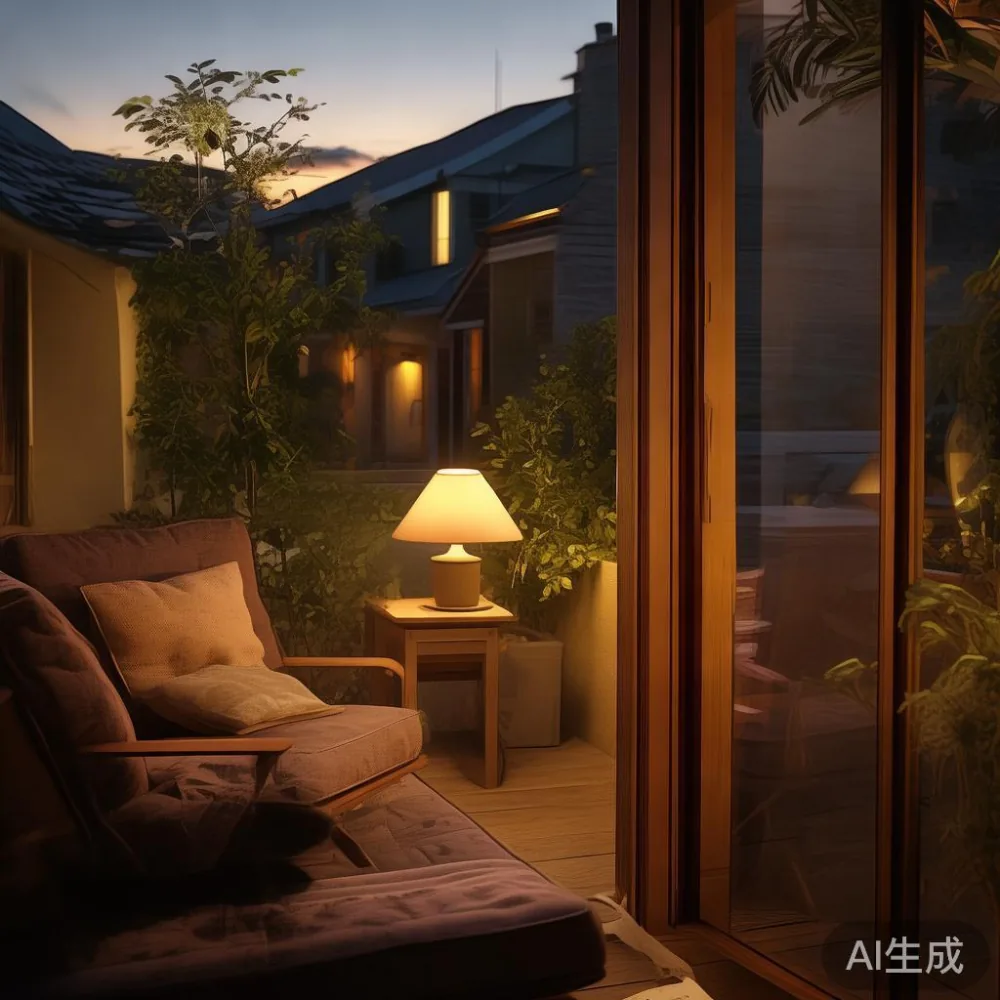
Why is a Solid Wood Outdoor Table So Expensive? The Material's Tale
The foundation of any piece of solid wood furniture is, naturally, the wood itself. Not all wood is created equal, and this is the first major variable in pricing. For outdoor furniture, the choice of wood is paramount due to its constant exposure to Singapore's high humidity and intense UV radiation. Common choices include teak, acacia, and eucalyptus, each with distinct characteristics that affect its price point.
Teak, for instance, is the gold standard for outdoor furniture. It is incredibly dense, rich in natural oils that make it highly resistant to water, rot, and insects. A single teak plank measuring 200 cm by 80 cm and 3 cm thick can cost a manufacturer over SGD 200. This high cost is due to teak's slow growth rate; it can take decades for a tree to reach a suitable size for furniture-grade timber. The best teak comes from mature trees, often 40 to 60 years old, which are sustainably harvested to protect the species.
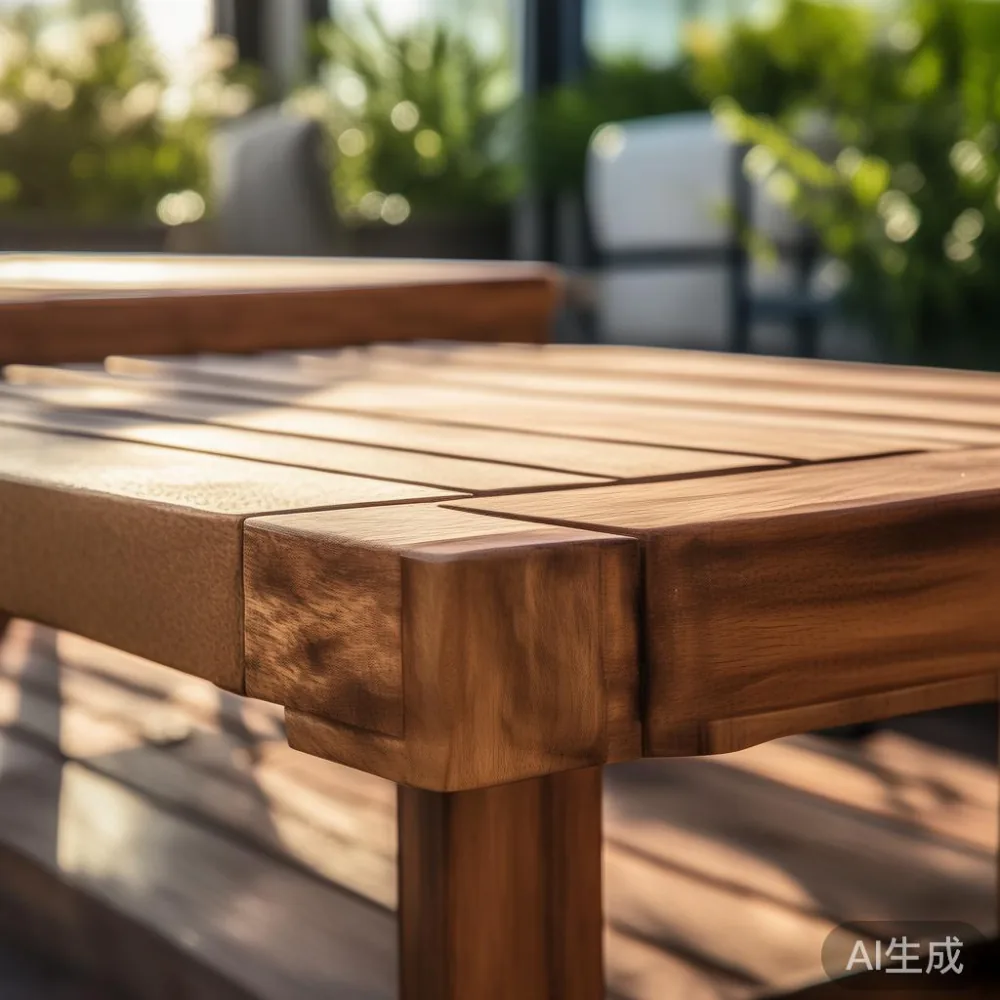
Acacia, another popular option, is more affordable than teak but still durable. It has a beautiful grain pattern and is naturally resistant to decay, though it may require more maintenance in Singapore's climate. A similar-sized acacia plank might cost the manufacturer around SGD 120. The price difference here is directly tied to the wood's availability, growth rate, and inherent protective properties. When you see a price tag on an outdoor dining table, a significant portion is paying for this raw material—the dense, durable, and often slow-growing wood that can withstand the elements for decades.
The Craftsmanship Behind the Seams: Joinery and Construction
Once the wood is sourced, the real artistry begins. The way wood is joined together is a critical determinant of a piece's longevity and price. In cheap furniture, you'll often find staples, nails, or simple butt joints. These are weak points that can easily fail under stress, especially in a humid environment where wood expands and contracts.
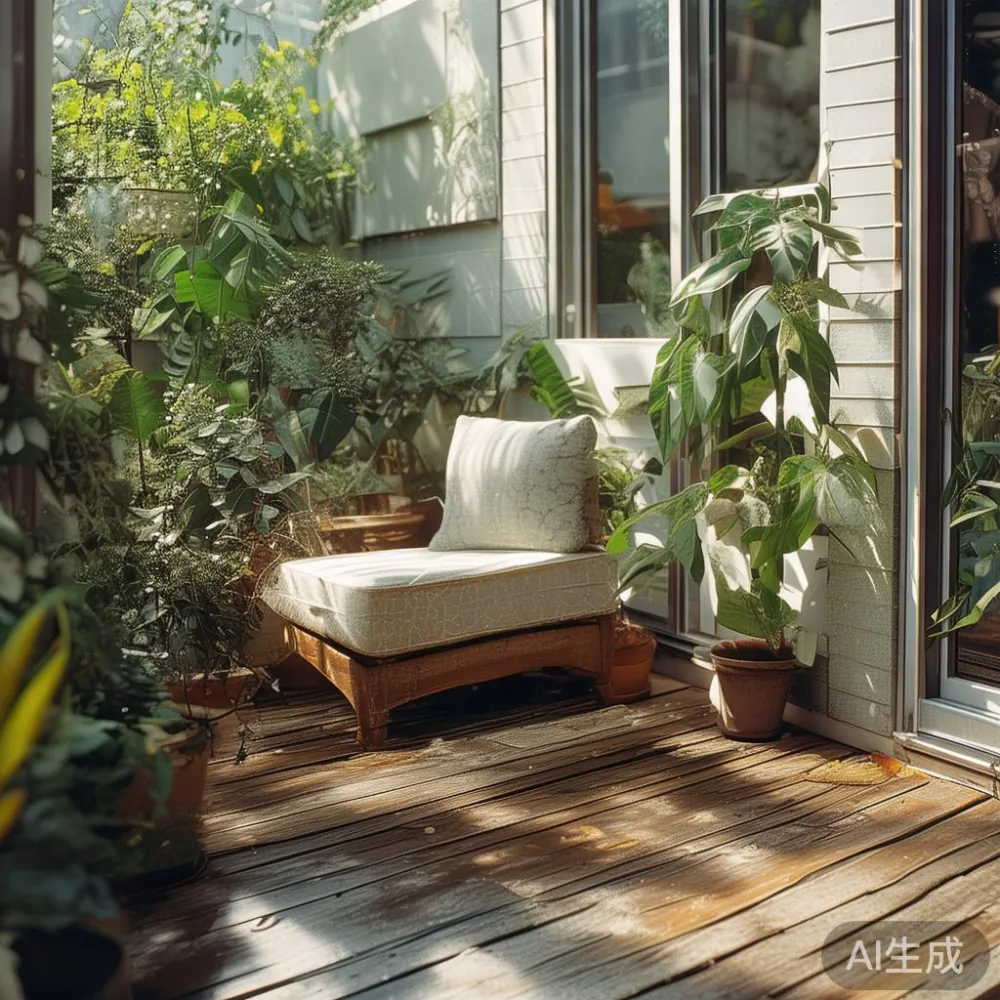
High-quality outdoor furniture, however, relies on traditional joinery techniques. A skilled carpenter will use methods like mortise and tenon, dovetail joints, or finger joints. These techniques create interlocking connections that are incredibly strong and allow the wood to move naturally without coming apart. For example, a mortise and tenon joint involves a projecting tongue (the tenon) that fits precisely into a cavity (the mortise). This process requires precision tools and a high level of skill. A single worker might spend 3-4 hours just on the joinery for a dining table set, which adds significantly to the labor cost.
My colleague in the Foshan workshop explained that the time investment is immense. He pointed to a solid wood sofa frame they were assembling. 'Each joint is hand-fitted,' he said, 'It takes 10 times longer than using a nail gun, but it will never loosen.' This commitment to craftsmanship means the furniture can withstand daily use for generations. A well-made outdoor table from a maker like MIDHILL, established in 2008, is built to be a permanent fixture in your home, not something to be replaced in 3 years. This level of construction is a primary reason why two tables of similar size and wood type can have vastly different prices.
Finishing and Protection: The Invisible Shield
For outdoor furniture, the finish is not just about aesthetics; it's about survival. A high-quality finish protects the wood from Singapore's harsh weather, preventing it from turning grey, cracking, or warping. The process of applying this finish is a multi-step operation that adds both time and cost.
The first step is sanding. The wood must be sanded to a perfectly smooth surface, often through multiple stages with progressively finer grits of sandpaper. A dining table top might be sanded by hand for over an hour to achieve the right texture. This meticulous preparation ensures the finish adheres properly and creates a flawless surface.
Next comes the application of the protective oil or sealant. For teak, a high-grade teak oil is often used. This oil penetrates the wood, enhancing its natural beauty while providing a water-repellent barrier. The application process is not a simple spray-and-go. It involves wiping the oil on, letting it soak in, and then wiping off the excess. This process is typically repeated two or three times, with drying time of 24 hours between each coat. This means a piece of furniture might spend a full week just in the finishing stage. This labor-intensive process is what gives the wood its rich, lustrous appearance and long-term durability, directly contributing to the final price you pay.
Design and Brand Philosophy: More Than Just a Look
The design of a piece of furniture is another significant factor. A simple, functional design will be less expensive than one that incorporates complex curves, intricate details, or a specific aesthetic philosophy. Light luxury styles, such as French provincial or American light luxury, often demand a higher price due to their emphasis on specific design elements and premium materials.
Consider the concept of 'French provincial for office' furniture. This style is characterized by elegant lines, carved details, and a sense of refined opulence. Creating a desk or bookshelf in this style requires more than just basic carpentry. It demands a designer's eye and a craftsman's ability to execute detailed mouldings and carvings. The time spent on these design elements increases the production cost, which is reflected in the price.
Similarly, the brand's philosophy plays a role. A company like MIDHILL, which has been exporting to 15+ countries since 2008, invests in consistent quality control and customer support. They offer a 10-year structural warranty and a lifetime refinishing service. These are not just marketing points; they represent a promise of quality. To honour such a warranty, the company must build furniture to an exceptionally high standard from the very beginning. This commitment to quality assurance adds a layer of cost to every piece, ensuring it meets the expectations of a global market.
What About Local Factors Like Singapore's HDB Flats and GST?
While the primary drivers of cost are material, labour, and design, local context also plays a role in the final price a consumer in Singapore pays. For instance, the dimensions of furniture are often tailored to fit local living spaces. HDB flats and condos in areas like Tampines or Bedok have standard lift and corridor widths. A dining table that is too wide might not fit through the lift. Therefore, manufacturers often produce pieces with specific dimensions in mind, such as a table that is 160 cm long instead of 180 cm, to ensure it can be delivered to most apartments without issue. This bespoke sizing for a specific market can add a small amount to the production cost.
There's also the matter of taxes and logistics. The Goods and Services Tax (GST) in Singapore is 9%, which is added to the final price. This tax is applied to the landed cost of the furniture, which includes manufacturing, shipping, and import duties. Speaking of shipping, the cost to transport heavy, bulky items like solid wood beds or marble tables from a factory in Foshan to Singapore is substantial. A single container can hold only a limited number of large pieces, and the cost of sea freight, insurance, and local delivery is factored into the price. This is why many retailers offer free shipping over a certain threshold, such as SGD 350; it's a way to encourage larger purchases that can help offset the high per-item shipping costs.
Is the Investment in Solid Wood Outdoor Furniture Justified?
After examining all these factors, the question remains: is a high-priced piece of solid wood outdoor furniture worth the investment? For many homeowners in Singapore, the answer is a resounding yes. The initial cost is higher, but the value proposition over time is compelling. A well-made outdoor table or sofa is an investment in your lifestyle and your home.
Think about the longevity. A cheap, mass-produced outdoor set might need to be replaced every 3-5 years due to wear and tear. A high-quality set, on the other hand, can last for 20, 30, or even 50 years with proper care. The 10-year structural warranty from a reputable manufacturer provides peace of mind, and the lifetime refinishing service means that even if the finish fades over decades, the piece can be restored to its original beauty. This longevity makes the cost per year of ownership significantly lower than that of cheaper, disposable furniture.
Also, solid wood furniture adds a timeless elegance to a space. It connects you to nature and creates a warm, inviting atmosphere. Whether you are styling a Japandi sofa in your bedroom or a Japanese wardrobe in your apartment, the natural beauty of the wood enhances the design. The tactile experience of solid wood—the feel of the grain, the solidity of the structure—is something that plastic or veneered furniture simply cannot replicate. It becomes a part of your home's story, a piece that you can pass down to future generations.
In the end, the price of solid wood outdoor furniture is a reflection of its true value. It's the cost of sustainable materials, the hours of skilled labour, the precision of engineering, and the promise of durability. It's an investment in quality, beauty, and a sustainable lifestyle. While it requires a greater initial outlay, the rewards—a lifetime of use, timeless style, and a piece of furniture that is truly yours—make it a worthwhile choice for those who value craftsmanship and longevity.