How to Read a Furniture Warranty Without Getting Caught Out
For many homeowners in Singapore, a new piece of furniture is a significant investment. Whether you're furnishing a 120-square-metre apartment in Tampines or a compact 45-square-metre condo in Bedok, the cost of a solid wood dining table, a comfortable sofa, or a sturdy bed frame can easily run into several thousand Singapore dollars. This is where a warranty, like the one offered by established makers since 2008, becomes a critical safety net. It promises protection against defects and premature failure. But a warranty document is a legal contract, not a simple receipt. Without careful reading, you might find yourself facing a repair bill or a claim denial for reasons you never anticipated. This guide will walk you through the process of dissecting your furniture warranty, paying close attention to the details that matter most for Singapore living.
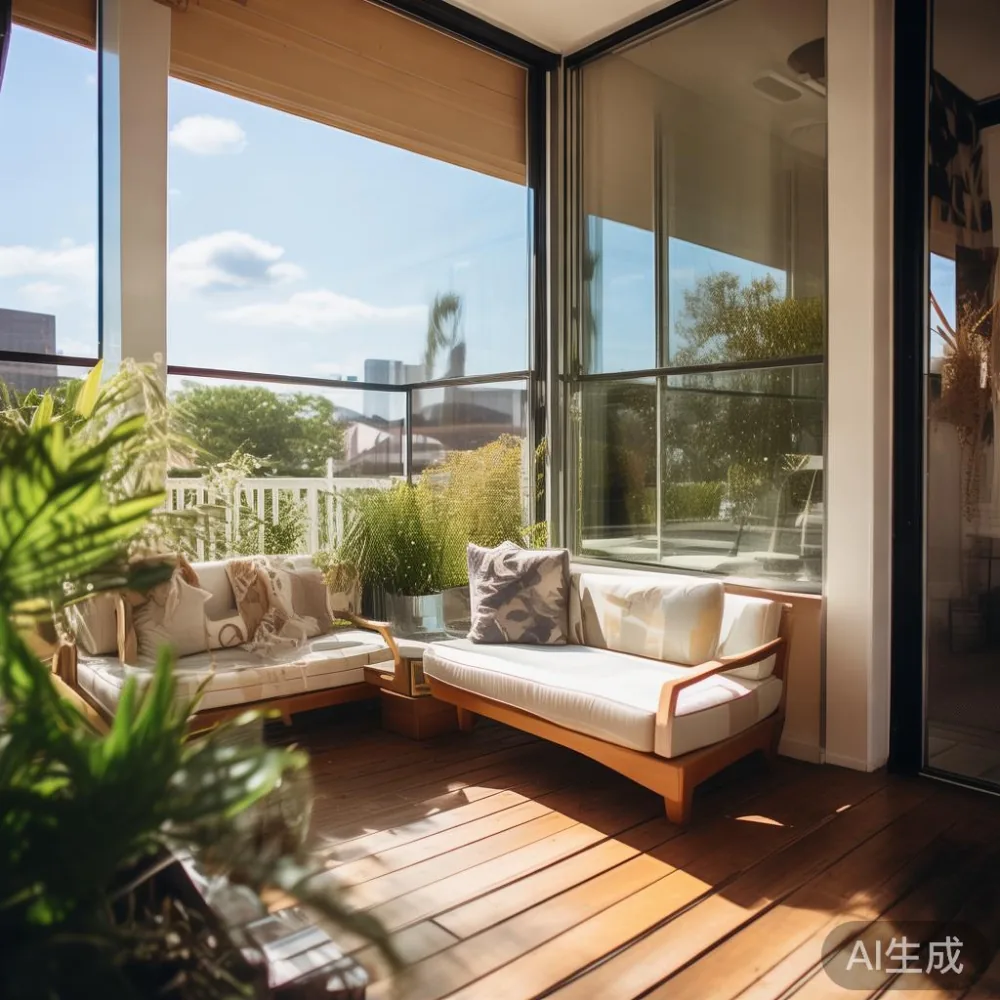
What Exactly is a Furniture Warranty and What Does It Cover?
A furniture warranty is a manufacturer's promise to repair or replace a defective product within a specified period, provided the defect is not due to misuse or negligence. The scope of this promise is where the details begin. A good warranty for outdoor furniture, for example, should explicitly state what it covers. This typically includes structural integrity, such as a warped frame on a dining table or a cracked leg on a bed frame. It should also cover the materials, like delamination of a marble table top or the failure of a finish on a solid wood sofa. For items like a wardrobe, this might include the functionality of the sliding doors or the internal drawer mechanisms. It's important to distinguish between a structural warranty and a finish warranty. A 10-year structural warranty is a strong indicator of confidence in the product's build, whereas a 1-year finish warranty might mean the wood veneer is only protected against fading for a short period. Understanding this distinction is the first step to knowing what you are truly protected against.
What's Not Covered: The Fine Print of Exclusions
Every warranty contains a list of exclusions, and this is often where the most important information is hidden. These are the conditions under which the warranty becomes void. Common exclusions include damage from improper assembly, accidents, exposure to extreme weather (especially relevant for outdoor furniture), and normal wear and tear. For a piece of outdoor furniture placed in a sunny balcony in Punggol, the warranty should specify if the materials are UV-resistant. If it doesn't, fading and cracking due to Singapore's intense sun might not be covered. Similarly, for a marble table, a warranty might not cover stains from red wine or acidic substances like lemon juice, as these are considered user-caused damage. Weight limits are another critical exclusion. A nightstand is not designed to hold a 50kg television. Exceeding the specified weight limit will almost certainly void the warranty. Always look for these exclusion clauses and assess whether your intended use for the furniture falls within the protected boundaries.
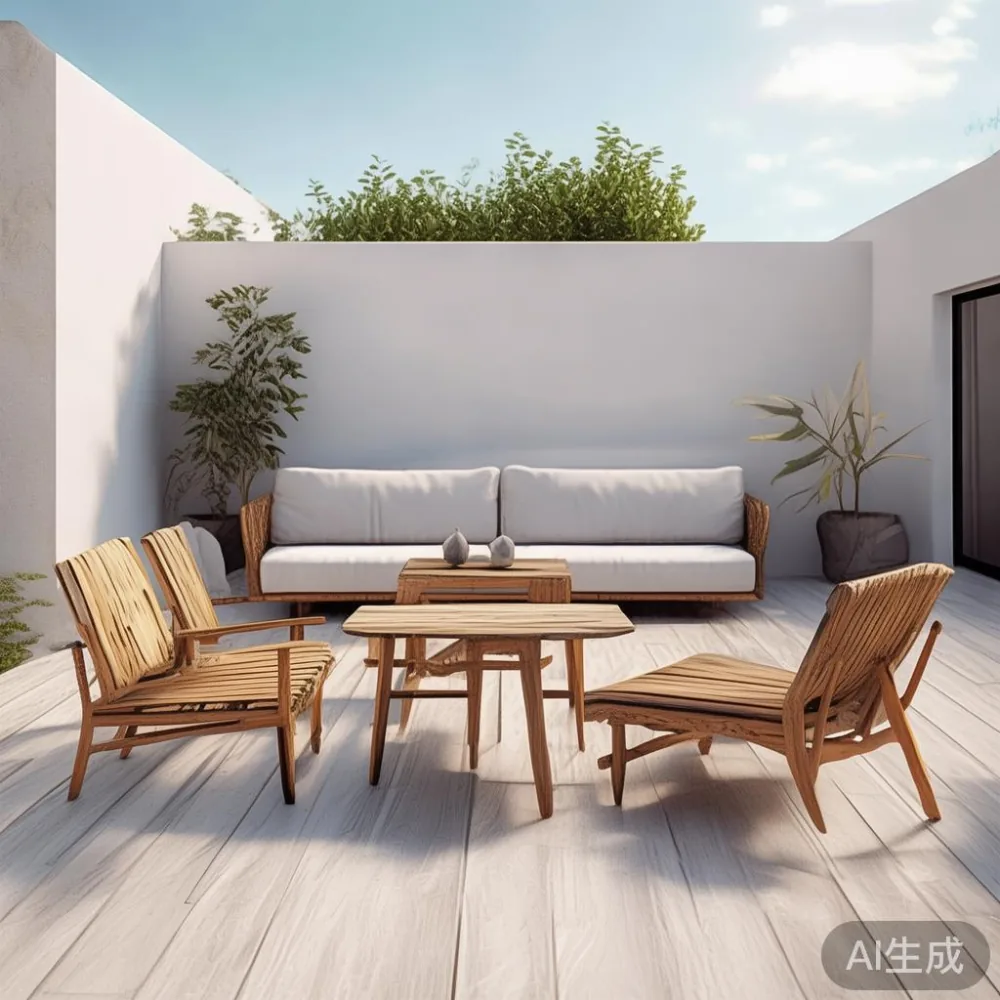
How to Style a French Provincial Sofa in Room and Other Product-Specific Warranties
Not all furniture warranties are created equal. The coverage for a solid wood sofa will differ significantly from that of a marble table or a European sofa bed with storage. A sofa's warranty will heavily focus on the frame, springs, and cushioning. You should look for specifics on the spring system (e.g., 8-way hand-tied springs) and foam density (e.g., high-resilience 35kg/m³ foam). For a marble table, the warranty will primarily cover the slab itself—its cracking or delamination—but it will explicitly state that it does not cover etching or staining, which are natural characteristics of the stone. When you buy a European bed, the warranty will focus on the bed frame's slats and structure. If you are asking yourself how to style a French provincial sofa in room, you are also investing in its aesthetic, and a good warranty ensures that its structural beauty is maintained for years. Similarly, a warranty for a light luxury coffee table with a marble top will protect the structural base but will have clear exclusions for the marble's surface, acknowledging its natural porosity. Always check the warranty for the specific product category you are purchasing.
What Does 'Lifetime' and 'Structural' Really Mean in a Warranty?
Terms like 'lifetime warranty' sound incredibly reassuring, but their meaning can be ambiguous. A 'lifetime warranty' on a wardrobe might not cover you for your entire life; it could refer to the lifetime of the product itself. This means the warranty is valid as long as the product is being manufactured by the company. If the model is discontinued after 5 years, your 'lifetime' warranty might expire then. This is why a 10-year structural warranty, like the one offered by some makers since 2008, can be a more concrete and reliable promise. It specifies a clear 10-year period during which any structural failure will be addressed. A 'structural' warranty covers the frame and load-bearing components. For a dining table, this means the tabletop supports and the legs. For a bed frame, it means the side rails and centre support. It does not cover the finish, the upholstery fabric, or the marble slab. Understanding this distinction is key to knowing what the warranty is designed to protect. When comparing warranties, a 10-year structural warranty is often a more meaningful metric than a vague 'lifetime' promise.
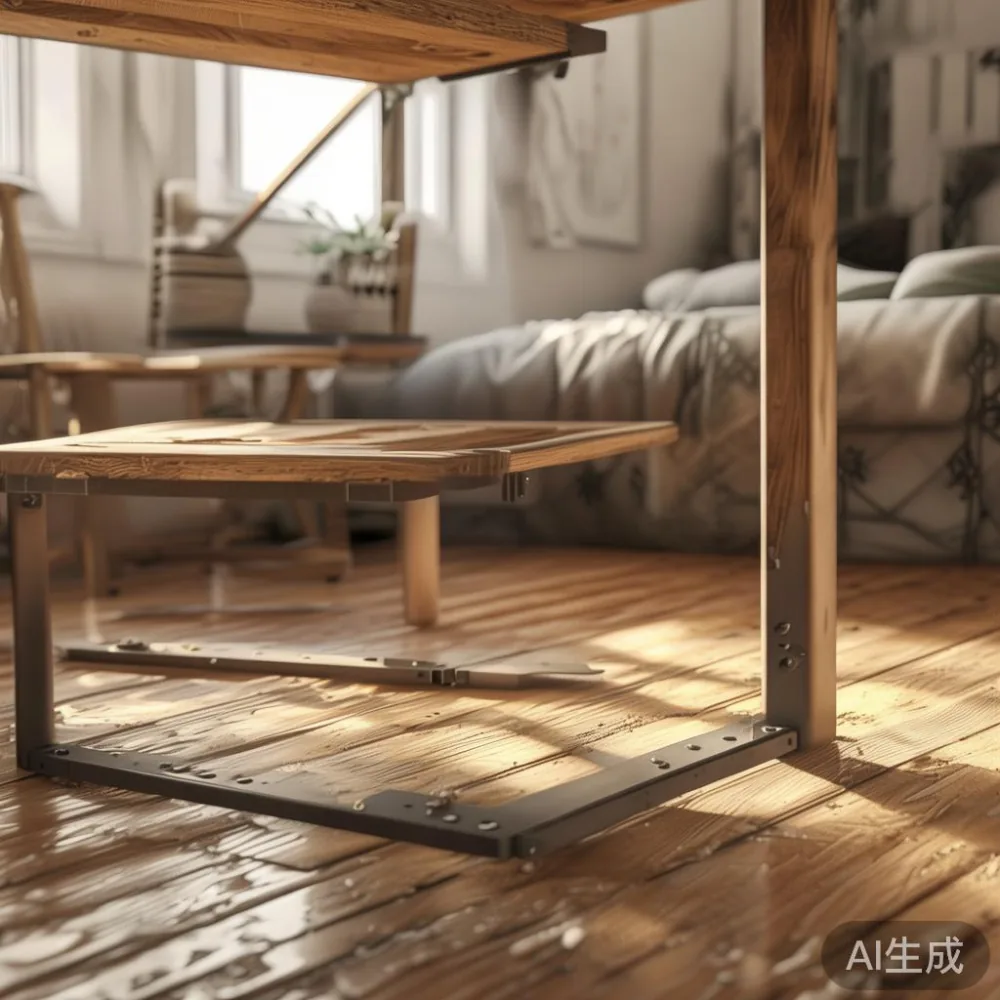
What Happens When I Need to Make a Claim? The Process and Your Responsibilities
Reading the warranty is only half the battle. Understanding the claims process is the other half. A good warranty will outline a clear, step-by-step process. This usually starts with contacting customer service, providing proof of purchase, and describing the defect. You may be asked to submit photos or a video. The manufacturer will then assess the claim. If the defect is covered, they will specify the remedy: repair, replacement of the defective part, or replacement of the entire item. It is your responsibility to follow the process correctly. For example, a warranty might require you to report a defect within 30 days of noticing it. Delaying this notification could jeopardise your claim. For outdoor furniture, you might need to demonstrate that the item has been properly maintained and stored according to the manufacturer's instructions, which could mean bringing it indoors during the monsoon season. Knowing the process beforehand saves time and stress when a problem actually arises.
Is a 10-Year Warranty on Outdoor Furniture Really That Impressive?
A 10-year warranty on a product that will be exposed to Singapore's high humidity, intense UV rays, and sudden downpours is indeed a significant commitment. It demonstrates a high level of confidence in the materials and construction. For a piece of outdoor furniture, this means the manufacturer is using timber that has been properly treated for outdoor use, such as teak with a high oil content or Shorea wood with a natural resistance to decay. It also implies that the joinery—using mortise and tenon joints or stainless steel hardware—is designed to withstand the elements without rusting or failing. A 10-year period covers a substantial portion of the useful life of quality outdoor furniture. It provides long-term peace of mind, knowing that if a structural issue arises due to a manufacturing defect, you are covered. When comparing brands, a 10-year structural warranty is a powerful differentiator, indicating a product built to last rather than one designed for short-term use.
Are Extended Warranties and Shipping Policies Part of the Deal?
The warranty document is not the only piece of the protection puzzle. Many companies offer extended warranty plans for an additional fee, which can add 2-5 more years of coverage. This can be a worthwhile investment for a high-value item like a solid wood dining table. Also, the shipping and return policy are integral to the customer experience. A policy offering free shipping for orders over SGD 350 removes a significant financial hurdle. A 14-day return policy provides a safety net if the furniture doesn't fit your space or meet your expectations. For those living in HDB flats, checking the delivery details is important. A reputable company will specify the delivery dimensions to ensure the furniture can fit into your lift and corridor. For example, they might state that a wardrobe will be delivered in boxes no larger than 180cm in height to accommodate standard HDB lift dimensions. These policies, combined with a strong warranty, form a complete package of consumer protection.
My Colleague's Lesson: Why You Should Never Assume Anything
Last month, my colleague visited a client's condo in Bedok. The client had purchased a high-end European sofa bed with storage from a brand known for its marketing. The sofa bed looked stunning, but after just 18 months, the internal metal frame supporting the mattress snapped. The client was shocked to find that the 'lifetime warranty' on the product only covered the wooden frame, not the metal mechanism. The repair cost was SGD 850, a significant expense that could have been avoided. This story is a perfect example of why you must read the warranty. The marketing language was persuasive, but the legal document held the truth. It’s a reminder that warranties are legal contracts, not marketing slogans. Always look for the specifics. If a warranty mentions a 'structural warranty', find out exactly which components are considered 'structural'. Never assume that a high price point or a famous brand name guarantees comprehensive coverage. The details, as always, are in the fine print.
What About Wear and Tear vs. a Manufacturing Defect?
This is one of the most common points of contention in warranty claims. A manufacturing defect is an error that occurs during production, such as a crack in a leg that was present when you unboxed the item. Wear and tear, on the other hand, is the natural deterioration that occurs from normal use over time. The distinction can be blurry. For example, a cushion on a sofa will inevitably soften and lose some of its original plumpness. A good warranty will clarify this. It might state that cushions are expected to soften but that a complete collapse of the foam core within the first 2 years would be considered a defect. For outdoor furniture, the finish might be expected to fade slightly after 5 years of direct sun, but peeling or blistering within the first year would be a defect. Understanding this difference helps set realistic expectations. A warranty is not a guarantee that your furniture will look brand new forever; it's a guarantee that it will be free from defects that render it unusable for its intended purpose.
Final Checklist: What to Look for Before You Sign
Before you commit to a purchase and its associated warranty, use this checklist to ensure you are fully informed. First, identify the exact coverage period for both structural and non-structural components. Second, list all the exclusions, paying special attention to those related to your specific environment, like humidity for a wardrobe or sun exposure for outdoor furniture. Third, verify the weight limits for items like a nightstand or a coffee table. Fourth, understand the claims process: who do you contact, what information do you need, and what is the expected timeframe for a resolution? Fifth, check the delivery and return policies. Will they deliver to your specific floor in a condo? Is there a restocking fee? Finally, compare the warranty to others. A 10-year structural warranty is more concrete than a 'lifetime' one. A warranty that explicitly covers outdoor furniture against UV damage is better than one that doesn't. Taking these steps will transform a potentially confusing document into a clear guide to your rights and protections as a consumer. For more information on durable and well-warranted products, you can explore options at midhill.co.