Creating Harmony: How to Match Your Outdoor Furniture to a Warm Minimal Interior
In the context of Singapore, where living spaces are often compact and the climate encourages a smooth indoor-outdoor flow, the choice of furniture becomes a statement of refined taste. A warm minimal interior, characterised by clean lines, a neutral palette, and natural textures, offers a serene backdrop. The challenge—and the opportunity—lies in selecting pieces that complement this aesthetic without overwhelming it. This guide explores the principles of creating a cohesive, sophisticated home environment, with a special focus on selecting the right outdoor furniture that bridges the gap between your private sanctuary and the lush Singaporean landscape.
Understanding the Warm Minimalist Aesthetic in Singapore
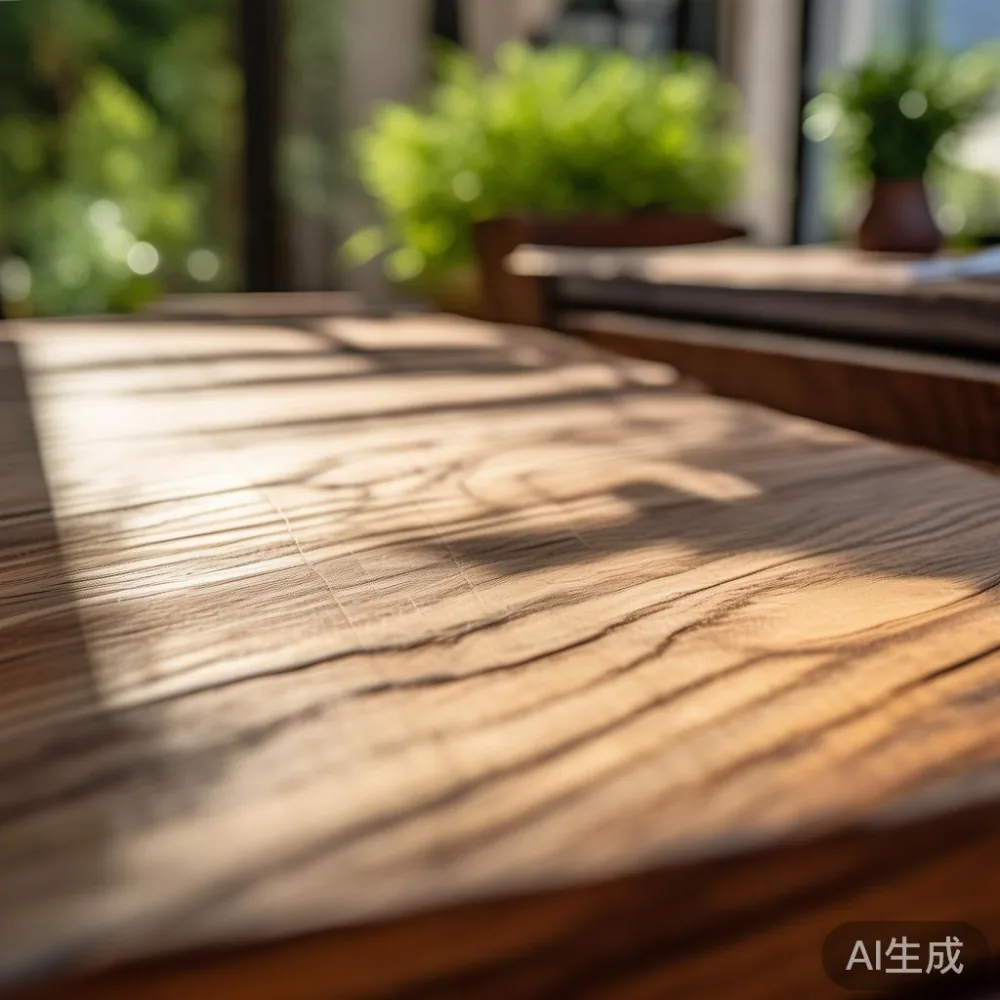
Warm minimalism is not a contradiction but a philosophy. It strips away the non-important, focusing on form and function, but introduces warmth through natural materials, soft textures, and a gentle colour palette. In Singapore, where HDB flats and condominiums in areas like Tampines, Bedok, and Punggol often have standardised layouts, this style maximises space while creating an inviting atmosphere. Think of a solid wood dining table with a smooth, sanded finish, paired with linen-upholstered chairs. The wood grain provides the warmth, the clean lines offer the minimalism. The goal is to create a feeling of calm and order, a personal retreat from the city's pace. This approach respects the spatial constraints of a typical Singaporean apartment, where a living room might measure 4.5m by 4.5m, making every piece count.
Why Outdoor Furniture is the Unsung Hero of Your Interior
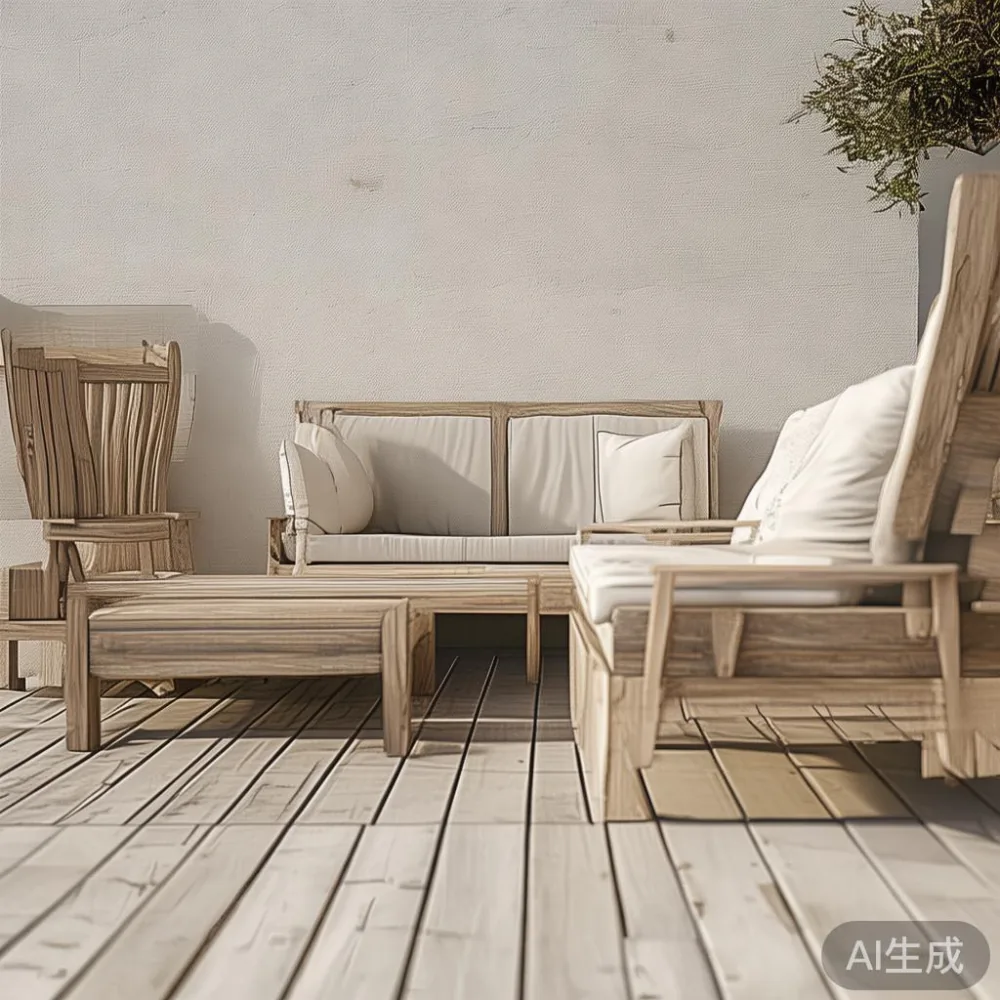
For many Singapore homeowners, the balcony or terrace is an extension of the living room. It's a space for morning coffee, evening relaxation, and hosting small gatherings. The outdoor furniture you choose is therefore not just for utility; it's a design statement that can either enhance or disrupt your interior's harmony. A set of outdoor furniture that features the same natural wood tones as your indoor dining table creates a visual flow, making your home feel larger and more connected. Imagine a balcony overlooking the Bedok reservoir, furnished with a teak dining set that echoes the wood in your living area. The transition is effortless, creating a unified, tranquil environment. This is the power of thoughtful selection: your outdoor space becomes a natural continuation of your minimalist sanctuary.
What is the difference between light luxury and traditional furniture styles?
The distinction lies in philosophy and form. Traditional furniture, often ornate and heavy, is designed to be the focal point of a room, making bold statements. Light luxury, on the other hand, is understated and refined. It’s about creating an atmosphere of quiet sophistication rather than overt opulence. For instance, a traditional French provincial bed might feature heavy, carved wood and rich upholstery, demanding attention. In contrast, a light luxury bed focuses on clean lines, superior craftsmanship, and the natural beauty of the material itself, such as solid oak or walnut. This subtlety makes it a perfect fit for a warm minimalist interior, where the goal is to create a calming, uncluttered space. The furniture supports the room's mood rather than dominating it, allowing other elements like natural light and texture to shine.
Material and Texture: The Foundation of Warmth
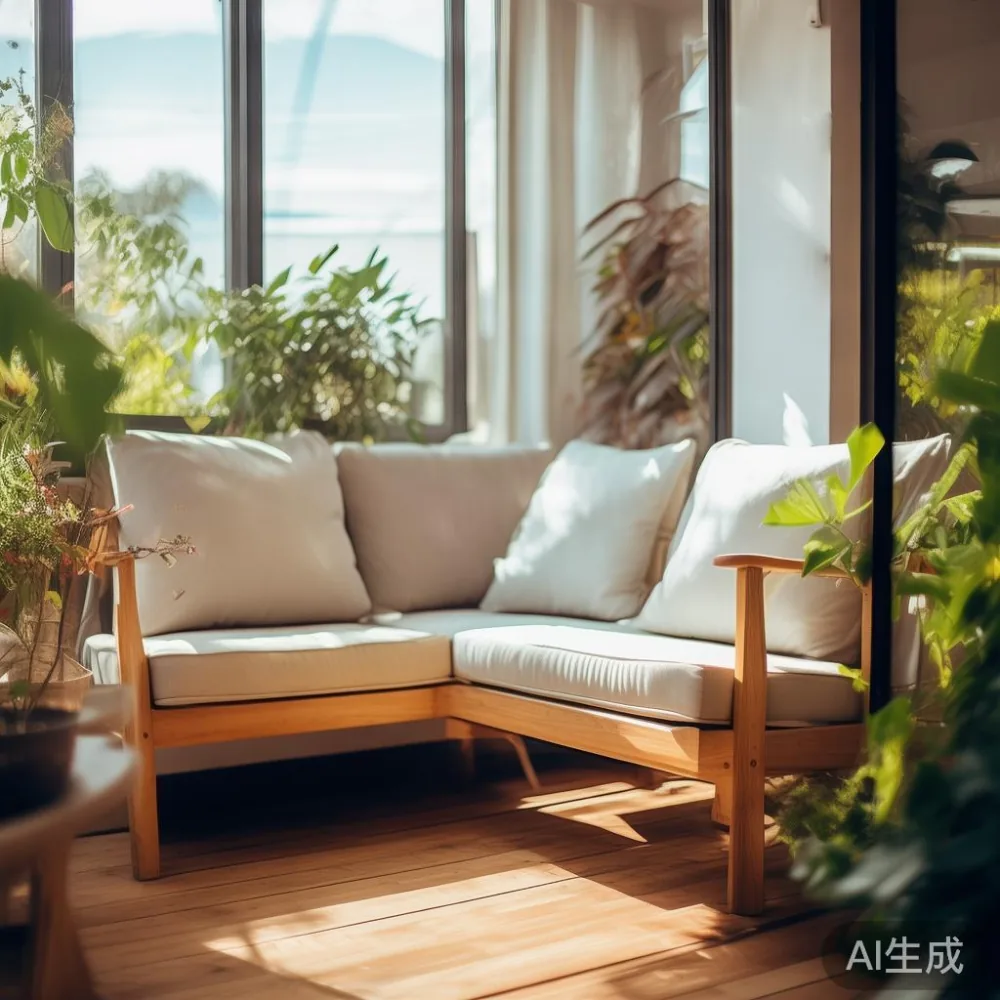
The soul of a warm minimalist interior is its materiality. To achieve the look, you must prioritise natural, tactile materials. Solid wood is the cornerstone. A solid wood sofa, for example, with its visible grain and smooth, cool surface, adds an organic, grounding element. The choice of wood is important; teak and acacia, popular for their durability and rich, warm hues, are excellent for both indoor and outdoor use, allowing you to echo materials between spaces. Texture is equally important. Linen, cotton, and wool for upholstery add softness and depth. A marble table, with its cool, veined surface, can introduce a touch of sophisticated contrast when paired with warm wood. The key is to mix textures thoughtfully: a rough-hewn side table next to a smooth marble top, a chunky knit throw over a clean-lined sofa. This layering creates visual interest and a welcoming, tactile quality that pure minimalism can sometimes lack.
Colour Palettes: Speaking the Language of Warmth
A minimalist palette is typically neutral, but warmth is introduced through careful colour selection. The base should be a range of whites, off-whites, and greiges. These colours act as a clean canvas. The warmth comes from the earthy tones: soft sand, warm greys, deep browns, and olive greens. When selecting outdoor furniture, consider how its colour will interact with your interior. A set of outdoor chairs in a muted olive green will complement a living room with sage green accents. A grey concrete-effect outdoor table can echo the tones of a concrete pendant light indoors. The palette should feel cohesive, as if chosen from the same swatch card. Avoid jarring colours or overly bright tones, as they can disrupt the serene, calming effect you are aiming for. The impression should be one of harmony, where colours blend smoothly from one room to the next, and from inside to out.
Practical Considerations for Singaporean Living Spaces
Style must always meet practicality, especially in Singapore. When choosing furniture, consider the physical dimensions of your space. Standard HDB lift widths are around 110cm by 110cm, and corridor widths are approximately 120cm. A wardrobe that is 60cm deep will fit comfortably, but a 70cm model might make working through tight spaces difficult. Always measure your doorways and hallways before purchasing. Delivery is another factor. A reputable company will offer clear timelines; for example, a solid wood bed frame might take 14-21 days for delivery after order confirmation. Pricing is also a reality. A well-made solid wood sofa can cost from SGD 3,500 upwards, while a marble dining table might start from SGD 2,800. Remember to factor in Singapore's 9% GST on all purchases. Investing in quality pieces that fit your space and lifestyle is a far better strategy than buying something that is too large or impractical, no matter how beautiful it looks in a showroom.
Real-World Application: A Tampines Condo Transformation
Last month, I visited a client’s 120-square-meter condo in Tampines. The challenge was to furnish a combined living and dining area that opened onto a small balcony. The client wanted a warm minimalist feel that felt both spacious and intimate. We started with the largest piece: a solid wood dining table measuring 180cm by 90cm, with a live edge that added organic warmth. We paired it with six upholstered chairs in a soft, oatmeal linen. For the living area, we selected a low-slung, L-shaped sofa with a light grey bouclé fabric. The key was the outdoor furniture. On the balcony, we placed a smaller, 140cm round outdoor dining table made from the same teak as the indoor table. We added two comfortable outdoor armchairs with waterproof grey cushions. This created a visual link between the spaces. The client later told me that the smooth flow made their home feel significantly larger and more peaceful, a proof of how thoughtful furniture choices can transform a living environment.
How to Style Your Outdoor Furniture to Match Your Interior
Styling your outdoor furniture to match your interior is about creating a dialogue between the two spaces. The first step is material consistency. If your indoor dining table is solid acacia, choose an outdoor dining set in the same or a complementary wood. This creates an immediate visual connection. The second step is colour coordination. Use the same or similar cushion fabrics indoors and out. If your living room sofa has charcoal grey cushions, use the same grey for your outdoor sofa or chairs. The third step is accessory layering. Use similar decorative elements in both spaces. A ceramic vase with a matte finish on your indoor console table can have a counterpart on your outdoor side table. A woven rug on your living room floor can find a parallel in a durable outdoor rug on your balcony. These small details tie the spaces together, creating a unified, sophisticated whole that feels intentional and complete.
Conclusion: A Cohesive Home for Modern Living
Matching your outdoor furniture to a warm minimalist interior is an exercise in thoughtful design. It’s about creating a home that is not just beautiful, but also harmonious and liveable. By focusing on natural materials, a cohesive colour palette, and practical considerations for your space, you can achieve a look that is both serene and sophisticated. The result is a home that feels like a true sanctuary, a place where the boundaries between inside and outside blur, and where every piece of furniture contributes to a sense of calm and order. This approach respects the unique demands of Singaporean living while embracing a global aesthetic of understated elegance. It’s a philosophy that values quality over quantity and harmony over clutter, creating a living environment that is as comforting as it is stylish.