The Art of Lacquer Care: Preserving Your Outdoor Furniture in Singapore's Tropical Climate
Living in Singapore, with its year-round humidity, intense sun, and sudden downpours, presents a unique challenge for maintaining the pristine beauty of lacquered surfaces. For owners of high-quality outdoor furniture, the finish is not merely for aesthetics; it is a shield protecting the solid wood beneath. A fine lacquer, applied with precision, can improves a simple dining table into a statement piece, turning a balcony in Tampines or a patio in Punggol into a personal sanctuary. However, the same elements that make our city vibrant can, over time, dull, crack, or peel that protective layer. Understanding the specific environmental factors at play and adopting a consistent, gentle care routine is the key to ensuring your furniture remains as stunning as the day it arrived. This guide will walk you through the process, from daily habits to seasonal deep cleans, tailored specifically for the Singaporean context.
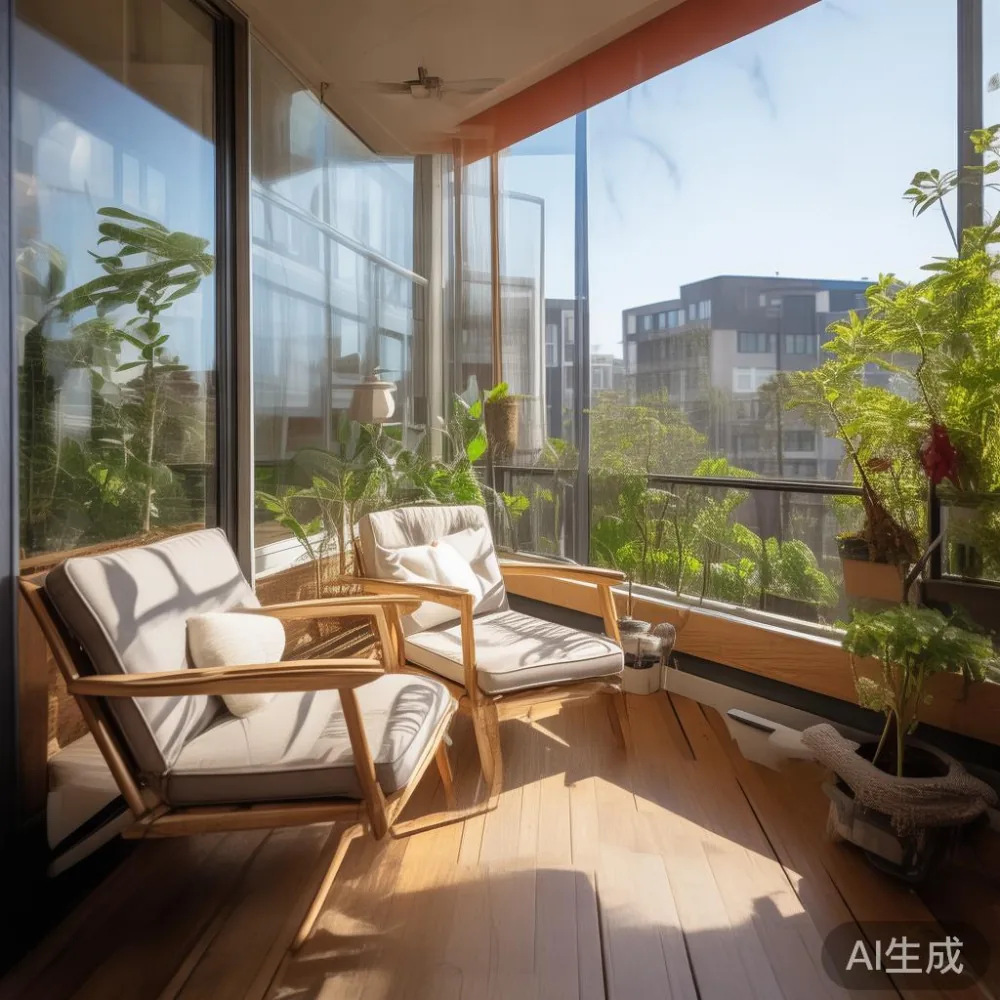
Understanding Your Lacquered Outdoor Surface
Before we discuss care, it's important to understand what we're working with. A lacquer is a clear, hard, protective finish applied over the wood. For outdoor furniture, this lacquer is typically a high-gloss or satin polyurethane or a marine-grade varnish, chosen for its durability and resistance to UV rays and moisture. This finish creates a non-porous barrier, preventing water, oils, and dirt from penetrating the wood. The quality of this application is paramount. A professional, multi-coat application, like those used by established makers, provides a depth and resilience that inferior finishes cannot match. When you run your hand over a well-lacquered surface, you should feel a smooth, glass-like texture. Any roughness or stickiness indicates the finish may be compromised and in need of attention.
Why Singapore's Climate Poses a Unique Challenge
Singapore's tropical climate is defined by three primary stressors for lacquered wood: UV radiation, high humidity, and thermal shock. The average annual sunshine in Singapore is around 1,800 hours, with UV Index readings frequently hitting the 'extreme' category between 10 am and 4 pm. This constant, intense sunlight is the primary cause of lacquer degradation, leading to a process called photo-oxidation where the polymers in the finish break down, resulting in yellowing, chalking, and loss of gloss. Coupled with this is the average relative humidity, which hovers between 80% and 90%. This moisture-laden air can seep into microscopic imperfections in the lacquer, causing the wood beneath to swell and contract. This movement puts stress on the rigid finish, leading to cracking. Finally, the phenomenon of thermal shock, where a surface heats up to 50°C in the sun and then is cooled by an afternoon rain shower dropping the temperature by 15°C in minutes, causes the finish to expand and contract rapidly, accelerating its aging process. A piece of outdoor furniture left unprotected on a balcony in Bedok will face a more severe test than one kept under a covered veranda.
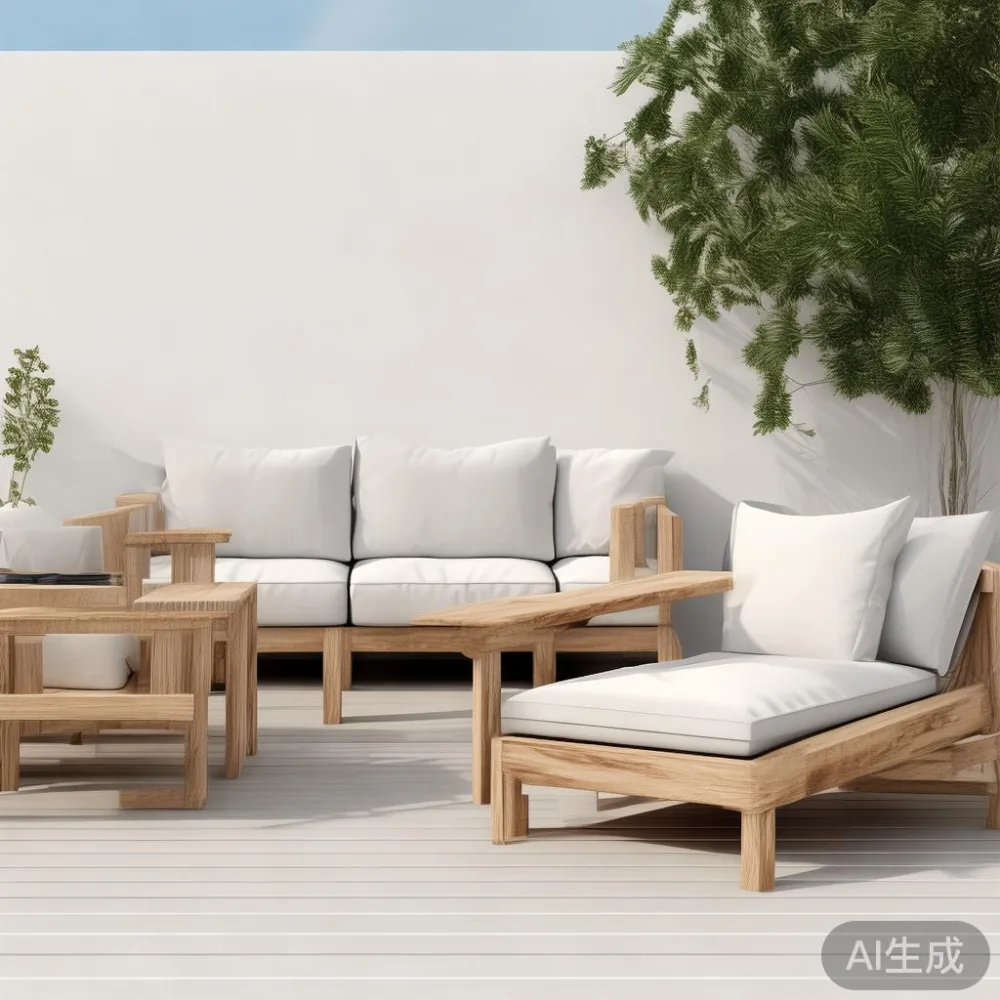
How Do You Remove Stubborn Stains from a Lacquered Outdoor Table Without Damaging the Finish?
Accidents happen. A dropped glass of bubble tea, an errant drop of durian pulp, or a spilled glass of red wine can leave a mark on your prized outdoor dining table. The key to removing a stain is to act quickly and gently. For water-based or organic stains, begin by blotting the area immediately with a clean, soft, lint-free cloth. Do not rub, as this can push the stain deeper into the wood grain or abrade the finish. If the stain persists, create a mild cleaning solution by mixing 5 ml of a pH-neutral dish soap with 1 litre of warm water. Dampen a cloth with this solution, wring it out thoroughly until it is almost dry, and gently wipe the stained area in a circular motion. Follow this immediately with a second cloth dampened with clean water to remove any soap residue, which can leave a film if not properly rinsed. For more stubborn stains like oil or grease, sprinkle a small amount of baking soda onto a damp cloth and gently buff the area. The mild abrasive properties of baking soda can help lift the oil without scratching the lacquer. Avoid harsh chemical solvents like acetone or bleach, as they will strip the finish permanently. If a stain has penetrated the lacquer, it may require professional refinishing, a service covered by the lifetime refinishing warranties offered by many reputable manufacturers.
Seasonal Care Routine for Maximum Protection
Consistency is the cornerstone of lacquer care. A simple routine, adapted to Singapore's two main seasons, can dramatically extend the life of your furniture's finish. During the Northeast Monsoon season, roughly from November to March, expect heavier rainfall. It is important to wipe down your outdoor furniture after every significant rain shower, especially on horizontal surfaces like tabletops. Use a dry microfiber cloth to remove standing water. This prevents water spots and stops moisture from lingering against the wood. During the Southwest Monsoon, from June to September, the focus shifts to sun protection. The UV index is highest during these months. If possible, position your outdoor furniture in a spot that receives morning sun but is shaded in the intense afternoon hours. Alternatively, invest in a high-quality, breathable furniture cover made from a material like Sunbrella®. A cover for a standard 180cm outdoor dining table can cost between SGD 150 and SGD 250, but it is a worthwhile investment. Every two weeks, perform a light dusting with a soft cloth. Once a month, give your furniture a more thorough clean using the mild soap solution mentioned earlier, followed by a wipe-down with a damp cloth and a final buff with a dry one. This simple monthly routine takes less than 30 minutes but keeps your furniture looking its best year-round.
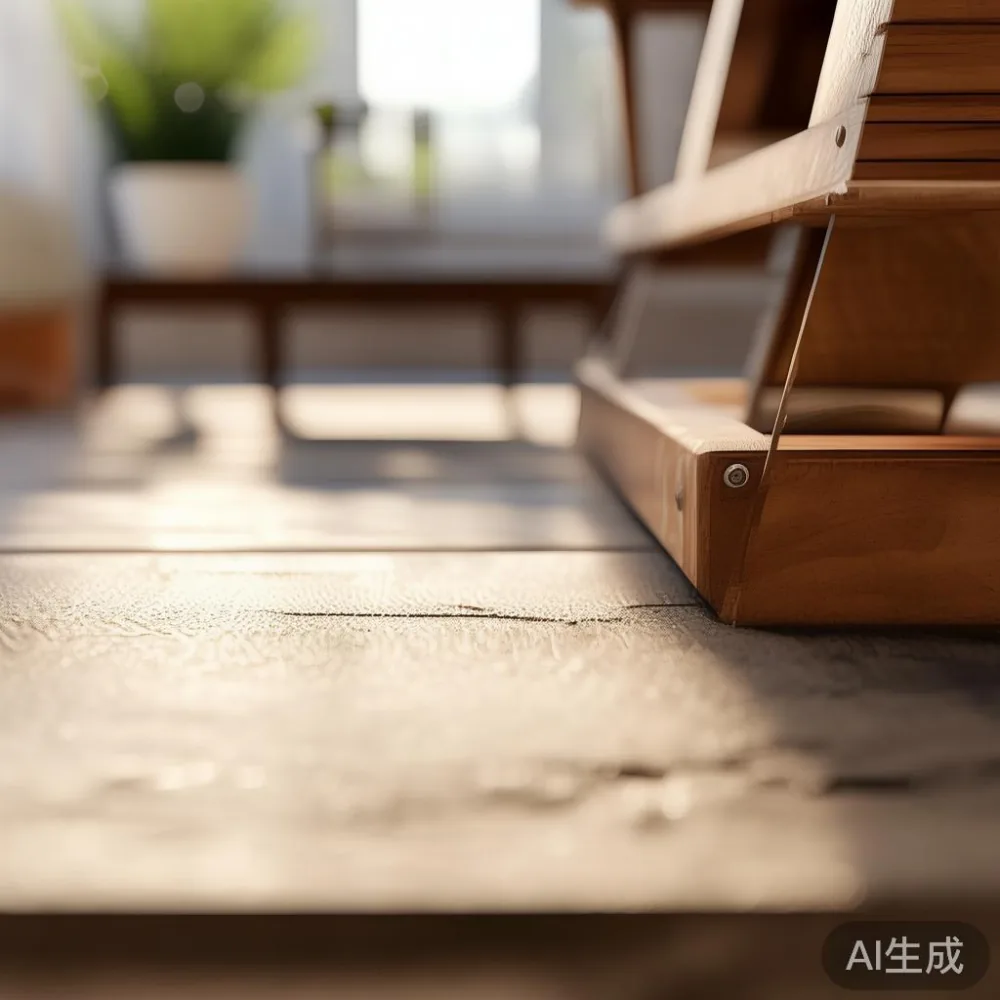
Long-Term Preservation: When to Refinish and When to Replace
Even with the best care, a lacquered finish will eventually show signs of wear. Over 5 to 7 years, you might notice the high-gloss finish has dulled to a satin sheen, or fine, hairline cracks have appeared in the corners of a chair arm or table leg. This is normal wear and tear, not a failure of the furniture itself. This is where the quality of the product truly shines. A manufacturer established in 2008, with a decade of experience, understands the science of wood movement and finish application. They often provide a 10-year structural warranty and a lifetime refinishing service. Refinishing involves stripping the old, tired lacquer and applying a new, multi-coat finish, effectively restoring the piece to its original condition. This process is far more sustainable and cost-effective than replacing the entire item. For instance, refinishing a solid wood outdoor dining table might cost a fraction of the price of a new one, which can easily exceed SGD 3,000 for a high-quality piece. When considering a new purchase, think long-term. A well-made piece of outdoor furniture is an investment in your living space. The experience of my colleague last month was a perfect example; he purchased a European light outdoor sofa for his new Punggol condo three years ago. Despite daily use and exposure, the finish remains flawless, a proof of the quality of the materials and craftsmanship. He mentioned that for his upcoming bedroom renovation, he is now considering how to style a European light luxury wardrobe in bedroom, inspired by the durability he witnessed.
Choosing the Right Furniture for the Climate
Prevention is always better than cure. When selecting outdoor furniture for your HDB flat or condominium, consider the specific type of wood and finish used. Teak, for example, is naturally rich in oils that make it highly resistant to rot and insects, and it weathers beautifully to a silver-grey patina if left untreated. However, if you prefer to maintain its original golden hue, a high-quality oil finish or a marine varnish is necessary. For a lighter, more contemporary look, consider solid wood like Acacia or Eucalyptus, which are also dense and durable. The finish is just as important as the wood. Ask the supplier about the specific lacquer used. A good outdoor furniture manufacturer will use a UV-inhibited, flexible finish designed to withstand thermal cycling. When browsing for options, you might come across terms like 'European light luxury with storage' or 'European light luxury sideboard'. These styles often feature clean lines and minimalist forms, but the underlying construction and finish quality are what will determine their longevity in our climate. For those looking for multifunctional pieces, an 'european sofa bed with storage' can be a smart choice for smaller spaces like those in Bedok or Tampines, combining seating, sleeping, and storage in one elegant package. Ultimately, investing in a reputable brand, one that offers a 10-year structural warranty and free shipping over SGD 350, provides peace of mind. You know that if a problem arises, there is a support system in place to resolve it, ensuring your beautiful outdoor furniture remains a source of joy for decades to come.