How Humidity in Southeast Asia Affects Wood Furniture
Singapore’s warm, humid climate can change solid wood furniture more quickly than many buyers expect. In an HDB flat in Tampines, a dining table near a west-facing window may experience noticeable daily moisture shifts; in a Bedok condo with a sheltered balcony, the risk may come from slow-moving indoor humidity instead. The wood still looks familiar, but its dimensions, joints and surface finish respond to the moisture in the air. Understanding that process helps you specify suitable outdoor furniture, protect indoor pieces and make better decisions about delivery, placement and maintenance.
The numbers matter. Singapore’s relative humidity commonly ranges from about 65% to 85% through the year, with monsoon periods and afternoon showers adding dampness. Exterior surfaces can reach 80% RH or more, while air-conditioned rooms may fall to 45% to 60% RH. This movement affects every wood product, including a solid wood sofa, bed frame, dining table, wardrobe and nightstand. Even a marble table needs careful handling because its stone, frame and fittings can react differently as moisture enters the room.
Light-luxury design is not about ignoring the climate. French light luxury works well when pale woods, gentle profiles and restrained finishes are paired with controlled indoor humidity. Post-modern light luxury can use clean lines and durable hardware, but the material still needs sensible protection. For compact Singapore homes, the phrase Italian light luxury for small living room can describe a carefully proportioned composition rather than oversized furniture. The goal is graceful appearance that remains practical after 5 years, not 5 months.
What does humidity do to solid wood furniture?
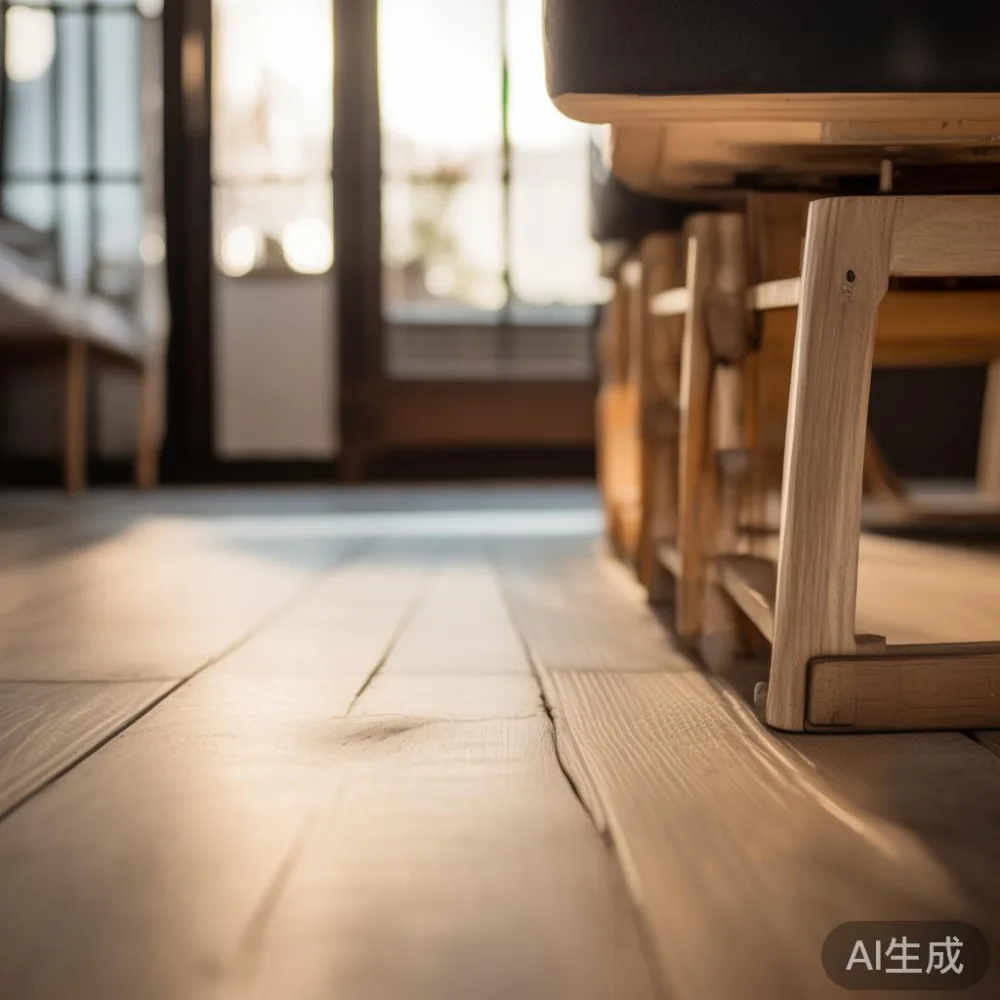
Wood is hygroscopic: it absorbs water vapour when the air is humid and releases it when the air dries. In practical terms, a 180 cm dining table may expand by roughly 1 to 3 mm across its width during severe seasonal changes, while a 200 cm solid wood bed frame could move around 1 to 2 mm in length. These are small measurements, but repeated movement can loosen drawer runners, affect telescopic hinges and create minute gaps at joints. A solid wood sofa with a kiln-dried frame may move less, yet its cushions, upholstery and back panels still need stable room conditions.
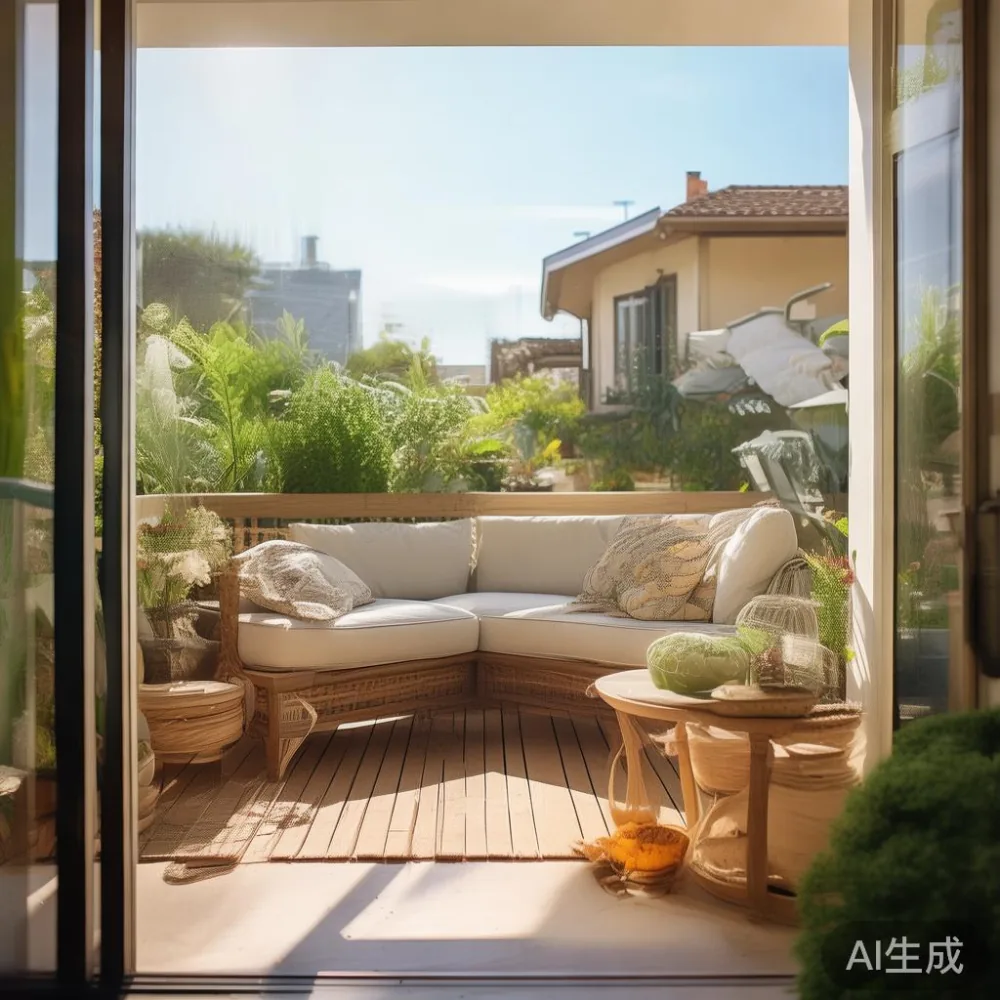
For outdoor furniture, rain and humidity are separate issues. A covered terrace may receive direct rain, condensation and wet leaves, even when the balcony is only 6 m deep. Relative humidity above 70% increases the chance of mould on fabric and mildew in joints. The wood may darken, swell or develop fine surface checking when wet and then dry quickly under fans or air-conditioning. A piece rated for covered outdoor use should be specified separately from a product intended to remain fully exposed outdoors.
Seasoning helps, but it is not a permanent shield. Well-dried timber responds more slowly and often more evenly, which is why kiln records, moisture readings and finish specifications matter. Ask for a target wood moisture content around 8% to 12% for ordinary conditioned interiors. For outdoor furniture, a manufacturer should also explain its coating system, drainage design and expected maintenance interval, usually every 12 to 24 months depending on exposure.
One warning sign is movement that exceeds about 3 mm in a large panel during a year. Another is a recurring gap of more than 2 mm at a door or drawer. Persistent musty odours, soft patches, flaking finish or black spotting around screw holes suggest moisture intrusion and should be inspected rather than simply wiped clean.
Should solid wood furniture be kept away from air-conditioning vents?
A 2 to 3 metre buffer from a direct air-conditioning vent reduces rapid moisture loss. Air conditioners can lower relative humidity to 40% or less in a closed room, especially during the first 15 to 30 minutes after a door is opened. A bed frame placed immediately beside the return grille may experience repeated expansion and contraction as the room alternates between 45% and 75% RH.
Conversely, avoid placing indoor wood against a cold wall that is repeatedly exposed to condensation. This occurs in some HDB flats along exterior corridors, in older Bedok units and in ground-floor areas with less airflow. Use a 5 cm gap behind freestanding furniture where possible, and keep 10 cm between the back of a wardrobe and a moisture-prone wall. For fitted storage, the installer should check the wall, floor and access panels rather than assume every opening is perfectly square.
Small Singapore rooms make spacing difficult, so environmental control is useful. A calibrated hygrometer costs about SGD 25 to SGD 60 and allows a household to keep indoor relative humidity near 45% to 65%. Dehumidifiers in frequently damp rooms can maintain 50% to 60% RH. Run them for 12 to 16 hours a day during wet spells and empty the tank every 2 to 3 days. Portable models commonly remove 10 to 20 litres per day, although actual output depends on room size and the inlet temperature.
How should outdoor furniture cope with Singapore rain?
Outdoor furniture works best when exposure is planned in detail. A condominium balcony in Punggol might have a 3.5 m width, while a typical HDB corridor offers only 90 to 120 cm of clear passage. Delivery measurements should therefore be checked before a large table or cabinet leaves the warehouse. Record the lift door, lift car and corridor widths, then compare them with the packed dimensions. Allow at least 5 cm of clearance on each side when manoeuvring through a 90 cm corridor; a 82 cm dining table may fit, but a 100 cm model may not without careful turning.
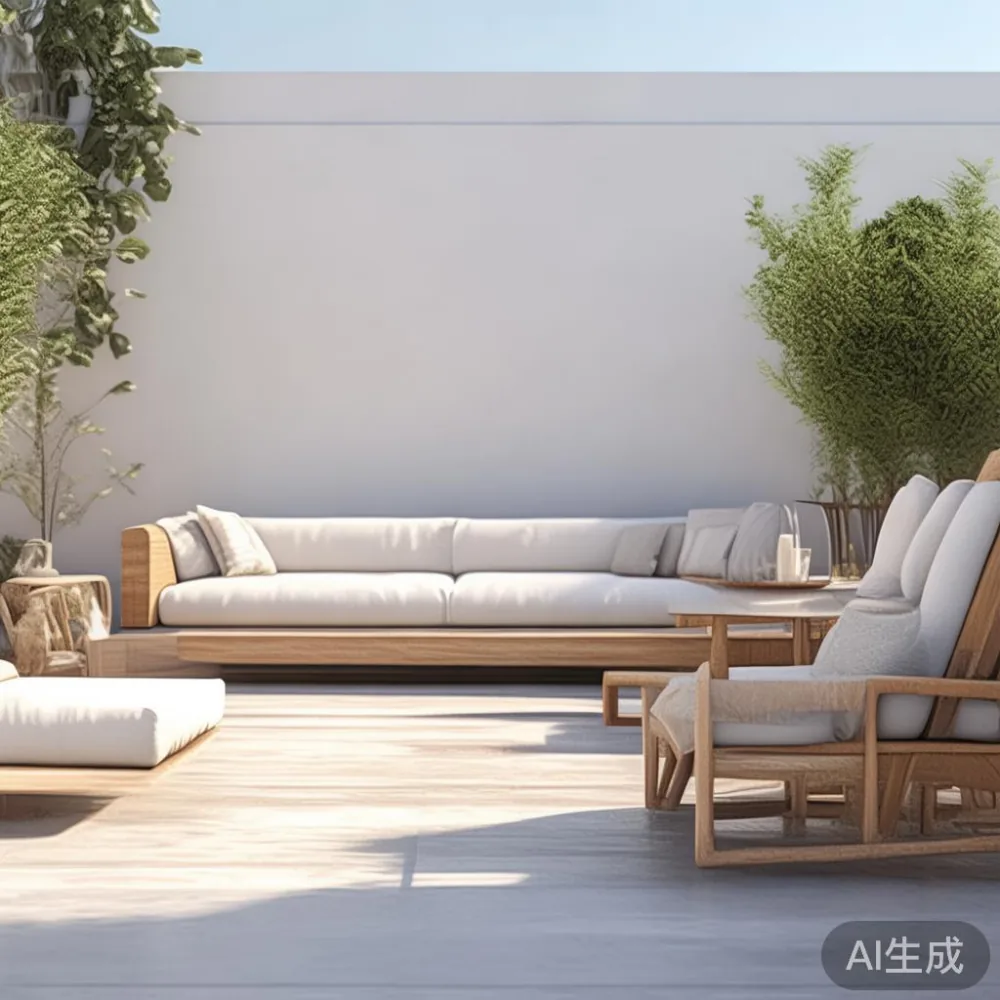
Choose furniture with a finish designed for the actual location. Fully covered outdoor furniture generally tolerates occasional splash better than furniture standing in direct rain. A powder-coated metal frame should have a minimum coating thickness of about 80 microns, and solid timber should have end-grain sealed, drainage holes and removable plugs. Quick-dry teak and other suitable hardwoods can perform well outdoors, but no timber or finish makes constant wetness harmless.
Use a cover with a water-repellent top layer, yet allow ventilation underneath. A cover touching wet cushions can trap moisture and encourage mould. Raise furniture feet by 3 to 5 cm above tiles where water often collects, and keep the piece at least 20 cm from a balcony wall if condensation is visible. After heavy rain, wipe the surface and let it air-dry for 2 to 4 hours before closing a cover. During monsoon periods, check drainage paths every 2 weeks because leaves can redirect water toward a leg joint.
The same outdoor furniture may look refined in a condo setting, but it should not be treated like a floating indoor dining table. A table that regularly dries under strong afternoon sun can shrink faster than one kept in shade. Moveable pieces make climate control easier: place them under the covered section during a 30-minute downpour, then return them when the floor is dry. Use a stable mat rather than a rug that holds water against the legs.
How do you prevent humidity damage inside a Singapore home?
Start with the room, not the wax. Keep indoor relative humidity between 45% and 65%, and place a hygrometer near the centre of the living or dining area for at least 7 days before making adjustments. Avoid using outdoor furniture as an indoor surface unless its care instructions explicitly allow that use. Outdoor-grade finishes may tolerate splash, but an outdoor dining table can still transfer heat, moisture and residues to an indoor floor.
For indoor dining tables, coasters should have a felt or cork underside and measure at least 2 cm beyond the base of a glass or cup. Wipe spills within 10 minutes. Use a lightly damp cloth followed by a dry cloth, rather than saturating the timber. Re-oil or renew the protective finish every 12 months in a humid room, or every 18 to 24 months in a well-controlled one. Two thin coats are generally preferable to one heavy coat because trapped moisture can interfere with adhesion.
Bed frames need airflow around the headboard and underneath the base. Leave 8 to 10 cm behind a nightstand if possible and avoid pushing it tightly against a wall that may feel cold or damp. For wardrobes, maintain 2 to 3 cm of rear clearance where the design permits, especially in an ensuite dressing area. Long hanging rails should run front to back when space is narrow; this reduces the load on a side-mounted mechanism and makes inspection easier.
Upholstery requires another kind of attention. Vacuum a solid wood sofa every 2 weeks and clean the cushions monthly. If the frame is solid wood but the seat cushions contain foam, remove them after 8 to 12 hours of high humidity to dry separately. Keep indoor furniture at least 60 cm from an open window during very wet weather if wind-driven rain is likely.
How do you style a Japanese wardrobe in an apartment?
For a compact bedroom, the question of how to style a Japanese wardrobe in an apartment is largely a question of proportion, ventilation and visual calm. Sliding fronts reduce the space needed for a hinged door to swing, while a 180 cm high unit can suit a ceiling of 240 cm to 255 cm with adequate installation clearance. Choose a pale finish and simple rails so the storage remains visually light. Add 5 to 8 cm above the carcass for adjustable hardware, subject to the manufacturer’s installation instructions.
Humidity control remains important inside a closed wardrobe. Leave the top or side ventilation panels unobstructed, and avoid storing damp clothes or linen. Cedar blocks and charcoal pouches may absorb odours in a confined space, but they should not be treated as substitutes for moisture management. Check the back of the unit every 3 months for condensation, particularly if it stands near an ensuite or an exterior wall.
Light-luxury references can guide the finish without making the room feel overfilled. French light luxury suits warm ash, light oak or pale walnut, but maintain a restrained palette of 2 or 3 colours. Italian light luxury often combines proportion, fine detailing and a polished surface, which works if the hardware and door clearances are properly engineered. In a 9 to 12 m² HDB bedroom, a slim 150 to 180 cm wardrobe and a 40 cm nightstand can create a composed arrangement without crowding the 70 cm walkway.
The exact phrase American for small living room is awkward in normal English, but as a search description it can point toward American-style proportions adapted to a compact apartment. That often means a visually substantial sofa in a controlled footprint rather than a loose collection of large pieces. Measure doorways and lift access before ordering: an 84 cm wide sofa may fit a 90 cm corridor only if the packaging is rigid and the route has no sharp turns.
What delivery and warranty details should a Singapore buyer check?
Delivery is part of the furniture’s moisture story. A solid wood piece should arrive dry enough for the receiving environment, not merely protected by plastic during transport. Ask the seller how the item was stored and whether its moisture content was checked before dispatch. For Singapore deliveries, confirm the expected lead time in days, the vehicle type and whether stair carry is included. A 2-person delivery team is sensible for a dining table over 80 kg, while a wardrobe over 100 kg may need 3 people or a specialist lift service.
MIDHILL states that it has operated since 2008 and exports to more than 15 countries. Its 10-year structural warranty provides useful context, although structural coverage and finish or moisture damage may be separate conditions. Ask for the written warranty terms, especially the definition of an indoor versus covered outdoor installation. A warranty is meaningful only if the supplier explains exclusions, claim evidence and repair arrangements clearly.
MIDHILL also offers lifetime refinishing, 14-day returns and free shipping above US$350. Singapore prices should be quoted in SGD, with GST and the final payable amount shown clearly. If the equivalent threshold is around SGD 450, confirm the actual local threshold rather than assuming a currency conversion. Delivery to Singapore may take 7 to 14 days after production, but made-to-order pieces can take 30 to 60 days. Large routed items may require an additional 3 to 7 days for scheduling.
Read the care guide before accepting delivery. Photograph the timber, finish, joints and packaging on arrival, and record any movement or marks within 24 hours. Keep the receipt and inspection images for at least 12 months. If a defect appears, stop using the affected fitting and contact the supplier within 7 days rather than applying oil or adhesive over the problem.
How can light-luxury furniture remain practical in humid Southeast Asian conditions?
Good design accepts that Singapore is humid rather than treating climate control as an afterthought. A 200 cm dining table, a 180 cm bed frame and a 120 cm sofa can all fit local rooms if their proportions, finishes and delivery routes are checked. A marble table may suit an air-conditioned living room, yet its porous stone and wooden support should stay away from splash zones. A nightstand with closed storage can protect small items, while an open solid wood shelf should not sit beside a damp balcony door.
Design references should be adapted with restraint. A search for 2026 Mid-century modern furniture may lead to tapered legs, clean silhouettes and warm timber, all of which can work in a HDB flat when the room is kept uncluttered. A search for best Nordic sofa for 2026 can identify a light visual profile, though “best” should be judged by frame construction, cushion recovery, fabric cleaning and actual dimensions, not a marketing label alone. Similarly, the phrase best Post-modern bed for 2026 is most useful when it encourages comparisons of slat spacing, centre support, noise control and humidity-resistant finishes.
One first-person test brought the issue into focus. Last month, I visited a colleague’s 4-room HDB flat in Tampines with a newly installed dining table. The room measured about 18 m², and the table measured 180 by 90 cm. A hygrometer beside it read 78% RH during a late-afternoon shower, while the opposite side of the room read 61% after the air conditioner had run for 45 minutes. The table had been fitted with 2 mm adjustable cups under its feet. Over 14 days, the panel edges shifted by about 1 mm, and the finish remained stable.
The practical lesson was not to fight the climate with excessive oiling. My colleague cleaned the surface with a damp cloth, kept 30 cm from the balcony door, and used a small dehumidifier for 12 hours on humid days. The table did not feel dry to the touch, yet no musty smell or joint movement developed. By contrast, a small nightstand previously placed against the cold outer wall had developed a 1 to 2 mm gap at one drawer corner, which closed after the unit was moved 8 cm away and the room was ventilated for 1 week.
For a MIDHILL bed, the same checks apply before assembly. Confirm that the frame is acclimatised, keep 5 cm from a wall where the manufacturer allows it, and avoid abrupt changes between a 45% RH bedroom and an 85% RH laundry balcony. Inspect fixing points after the first 7 days and again after 30 days, as normal settling can make small adjustments necessary.
Humidity does not make solid wood furniture unusable in Singapore. It does make placement and care more precise. Measure the route, know the room’s humidity range, choose finishes for the exposure, and maintain 45% to 65% RH indoors where possible. Outdoor furniture should be protected from standing water, given time to dry and checked every 2 months during wet weather. With those habits, light-luxury pieces can retain their shape, finish and daily usefulness for many years.