How Southeast Asian Humidity Affects Solid Wood Outdoor Furniture
Singapore’s equatorial climate can change the dimensions, finish and appearance of solid wood furniture faster than many owners expect. Relative humidity commonly ranges from about 70% to 90% through much of the year, while sudden afternoon showers can raise surface moisture quickly. Outdoor furniture placed on HDB balconies, condo decks or beside a window therefore needs a material that can tolerate repeated movement without splitting or developing a rough, cloudy finish.
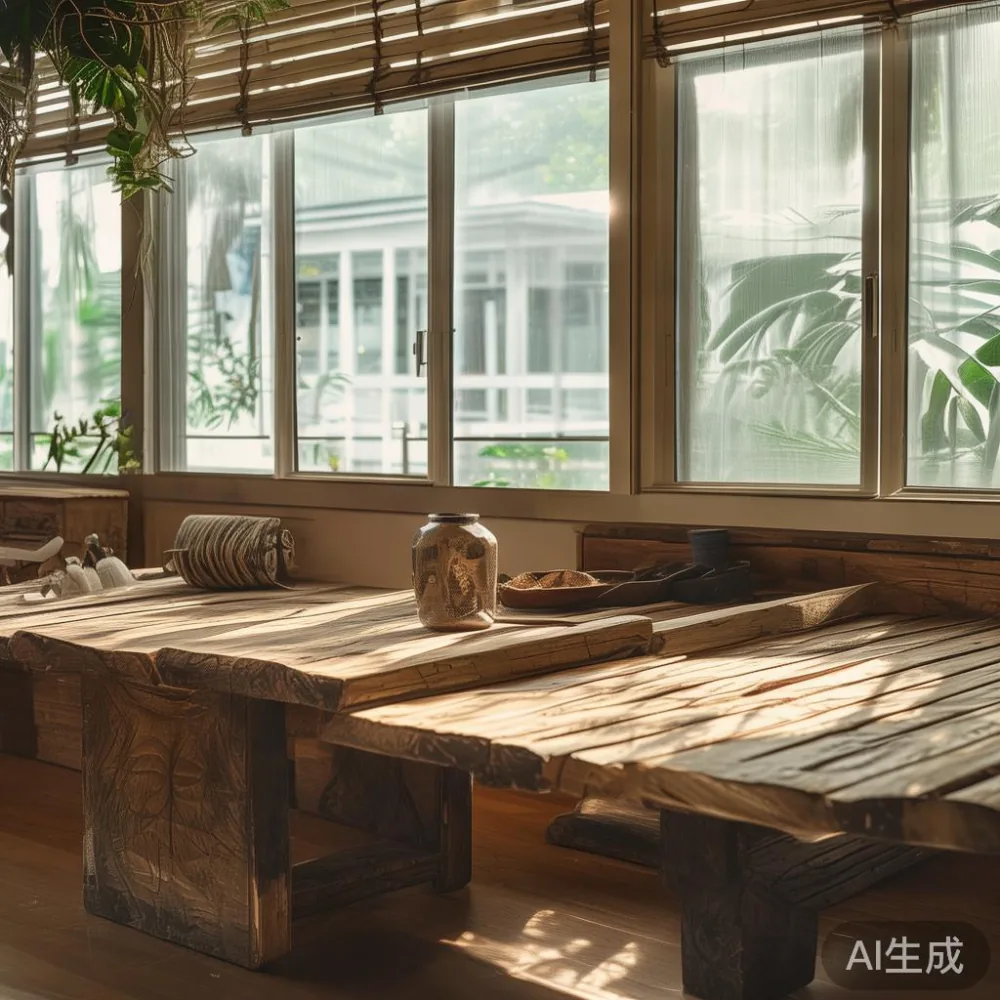
At MIDHILL, we treat this seasonal movement as part of the furniture’s normal life cycle. Solid wood may expand by roughly 1% to 3% across its grain when moisture changes, which is why good construction, suitable timber, protective finishes and realistic care instructions matter as much as appearance. The same discipline applies when designing a solid wood sofa, bed frame or dining table for an air-conditioned interior connected to a humid balcony.
Why does humidity affect solid wood outdoor furniture?
Wood is hygroscopic: it absorbs moisture from the surrounding air and releases it when the air becomes drier. In Singapore, a cabinet near an open window may experience a different environment from a sheltered corridor. A shaded balcony at 28°C and 80% relative humidity may also behave differently from an exposed deck at 31°C during a rain shower.
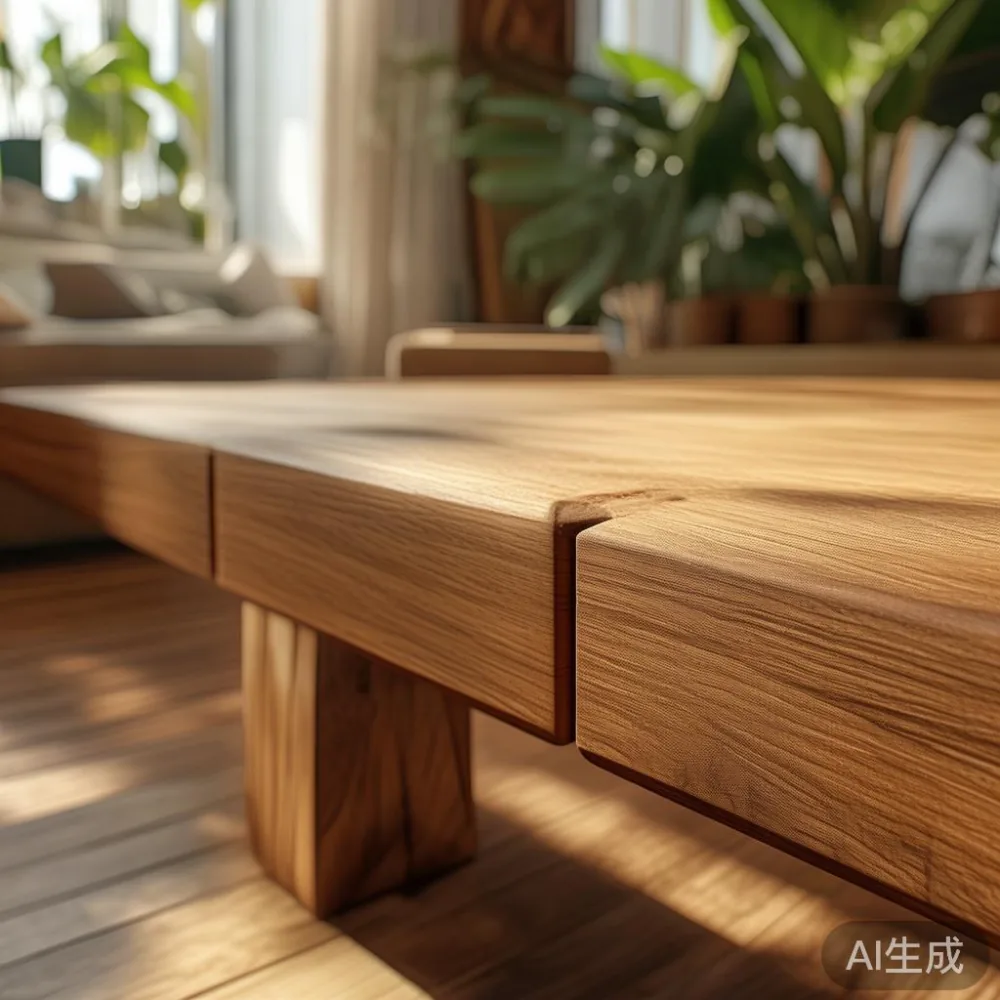
That changing moisture level produces dimensional stress. A 180 cm dining table may gain several millimetres in width, while a 120 cm wardrobe panel can bow slightly along its length. The movement is usually manageable, but poor joinery, an overly restrictive finish or direct water exposure can turn minor movement into warping, mould staining or joint failure.
Outdoors, ultraviolet light creates a separate issue. In Singapore, strong sun can fade a honey-oak finish, while alternating sun and rain can make some surfaces crack faster. A good outdoor furniture design needs water-resistant joints, stable outdoor-grade hardware and a finish that can be renewed rather than a permanent coating that peels away.
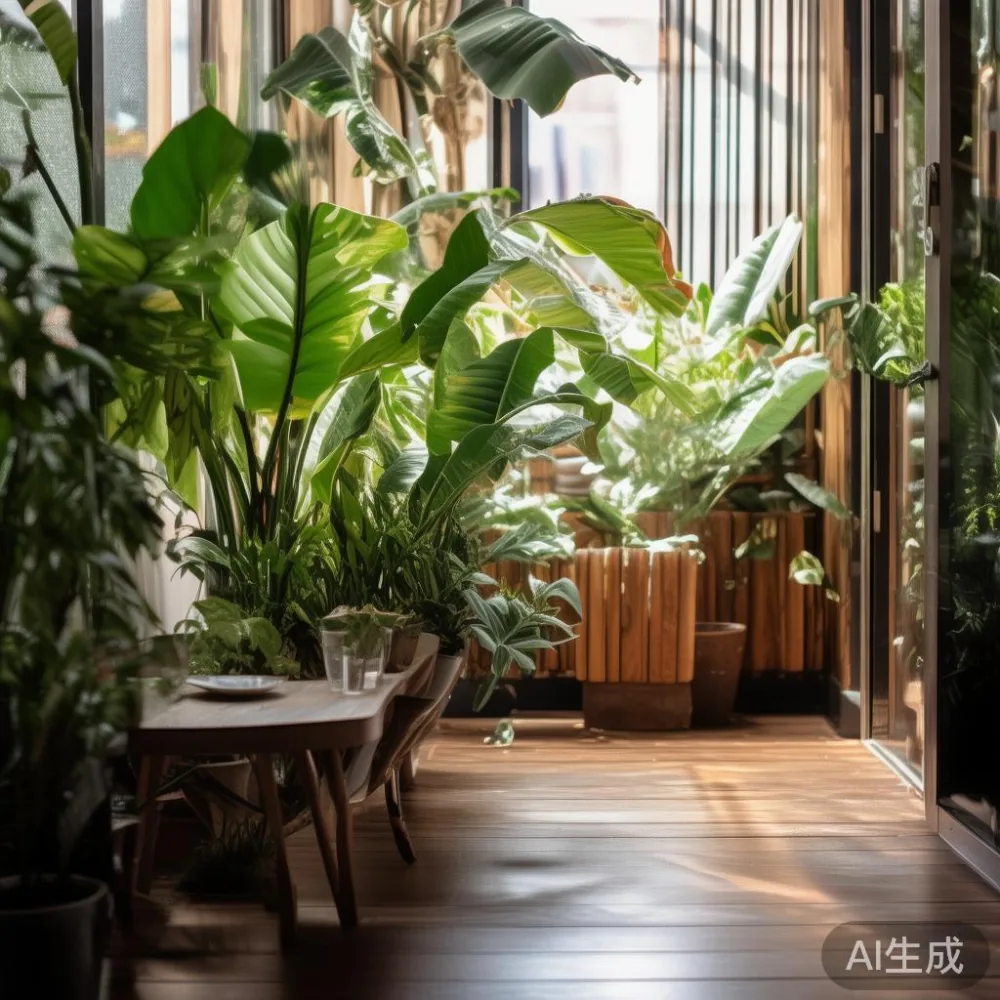
How much humidity is normal in Singapore?
Singapore’s monthly average relative humidity is generally around 75% to 85%, with days above 90% common during the wetter periods. Air-conditioned homes may remain closer to 50% to 65%, but the transition can be abrupt: a sofa placed 30 cm from a frequently opened sliding door may see frequent 20-percentage-point changes over a day.
Local conditions vary by area. Tampines HDB flats often have compact corridors and shared lift lobbies, while Bedok apartments may have larger balconies exposed to sea air. Punggol homes can be close to open green spaces, where dampness lingers after heavy rain. Similar differences appear in private condos, where pool decks and sheltered entertainment areas can have very different airflow and drainage.
A practical target is to keep furniture away from persistent dampness and direct contact with wet leaves. Leave at least 5 cm beneath movable outdoor pieces, use 2 to 3 cm of adjustable feet where uneven flooring is an issue, and avoid placing a nightstand or small marble table against an uninsulated external wall.
Which solid wood suits Singapore’s humid conditions?
Teak is a practical choice for outdoor furniture because its natural oils help resist moisture and insects. It can remain stable when exposed to seasonal humidity, although it still needs sensible maintenance. Acacia and iroko are useful alternatives, but their moisture resistance and movement depend on processing, finish and construction. Pine and many softer timbers can work under a sheltered roof, yet they are less forgiving of standing water.
Species alone does not determine performance. Look for kiln-dried timber, well-seasoned boards and components joined to accommodate seasonal movement. Solid wood sofa frames should use solid corner joints; a dining table should have a stable stretcher system rather than relying on end panels alone; and a wardrobe should include ventilation clearances, especially in a compact bedroom.
For indoor pieces, white oak and ash offer a refined profile suited to French light luxury or American light luxury interiors. A marble table can pair well with wood, but the stone should be sealed and kept clear of acidic drinks. The same timber-care approach used for outdoor furniture can protect a solid wood bed frame in a bedroom with morning condensation or air-conditioning.
How should outdoor furniture be positioned around HDB flats and condos?
Many HDB living rooms are about 30 to 60 square metres, so balcony furniture must be compact without feeling crowded. A 120 cm outdoor dining table suits a narrow veranda better than a 200 cm model, leaving roughly 60 cm for circulation behind each seated person. A 140 cm outdoor bench can serve a compact family area, and a 90 cm side table can sit beside a chair without blocking the balcony door.
Measure before delivery, not after. HDB lift cars and common corridors may restrict the largest dimension of a boxed dining table, and a 90 cm doorway may not provide enough turning space for a long wardrobe package. A sofa delivered in separate components is easier to move through a 90 cm corridor than a fully assembled 210 cm model.
MIDHILL should be given the building block, floor, lift dimensions and access route before dispatch. For Singapore orders, this prevents avoidable redeliveries and allows a safer delivery plan. GST-inclusive pricing and local delivery timing should be confirmed clearly; production may require 30 to 60 days, followed by approximately 3 to 7 delivery days once the piece is ready.
What is the right finish for humid outdoor spaces?
For teak and other suitable outdoor timbers, penetrating oil leaves the wood able to breathe as humidity changes. Two thin coats are usually better than one heavy coat because the second coat can seal moisture unevenly. Re-oiling every 6 to 12 months is sensible for exposed furniture, while sheltered pieces may need attention only once per year.
Film-forming finishes can provide useful colour control, but they need careful preparation and maintenance. If a polyurethane coating begins to peel in a sunny, humid setting, water may reach the timber more easily. Test any new product on a concealed 10 cm square, and never apply an indoor lacquer to an outdoor surface without checking the manufacturer’s instructions.
Use a breathable cover rather than wrapping furniture in plastic for weeks. A cover that traps condensation can do more harm than ordinary rain. Position the piece under a roof or canopy with at least 30 cm of air movement around it, and wipe surfaces after use. During the wettest weeks, keeping outdoor furniture beneath shelter can reduce moisture cycling considerably.
How can humidity damage other solid wood pieces indoors?
Humidity does not stop at the balcony threshold. A wooden bed frame near a bedroom window can lose moisture during an air-conditioned afternoon and absorb it again at night. This repeated movement may loosen a drawer runner, create a faint gap in a headboard or make doors feel tight in September.
For a Modern light luxury bed, allow ventilation around the headboard and avoid direct contact with an air-conditioning vent. Wardrobes should sit 3 to 5 cm from external walls where practical, and their internal partitions should be designed to move with the timber. A nightstand should not be pushed tightly into a corner where airflow is poor.
Designers comparing designer European light luxury furniture should ask how joinery responds to tropical humidity, not only whether the finish matches a mood board. Is European light luxury wardrobe worth it in a Singapore bedroom? The answer depends on joinery, veneer or solid timber specification, hardware, ventilation and after-sales care. A high purchase price cannot compensate for panels that were built for a dry climate.
What should buyers check before ordering wood furniture?
Ask for the timber species, board construction, finish type, expected movement and maintenance schedule. Confirm whether the piece is intended for covered or exposed outdoor use. For a wardrobe, check drawer and door clearances; for a dining table, look at the leg and apron connections; for a bed frame, inspect the centre support and slat spacing.
Good delivery terms are equally important. MIDHILL provides a 10-year structural warranty, lifetime refinishing, free shipping for orders above US$350 and a 14-day return period. Because the brand ships to more than 15 countries, buyers should also confirm local GST, delivery surcharges, assembly requirements and the treatment of a damaged parcel before paying.
Style searches can be misleading. A list of the top 10 Coastal furniture pieces may include solid timber, rattan, resin and metal under one broad label, yet their humidity performance differs greatly. Likewise, the best French provincial sofa for 2026 should be judged on frame stability and finish durability as well as its curved arms and upholstered appearance.
How can light-luxury styling work with tropical humidity?
Light-luxury furniture works well in Southeast Asia when materials are used honestly. Pale oak brings a French light luxury character, walnut adds warmth, and restrained post-modern light luxury lines keep a compact HDB flat from feeling overfilled. A solid wood sofa in oatmeal linen, a dining table in natural teak and a marble table with a narrow profile can create an airy room without excessive visual weight.
For a guest room, Mid-century modern for guest room styling can be especially practical. A 120 cm solid wood bed frame, one compact nightstand and a slim 70 cm wardrobe can fit a 35 to 50 square metre room while preserving a 60 cm walking route. Check that the bed’s slats are spaced closely enough to support the mattress and that the bedside pieces remain stable on a slightly uneven floor.
What is a realistic care routine in Singapore?
Inspect outdoor furniture every 3 months, looking for lifted coatings, trapped water, rust on connectors and softened timber ends. Wipe the surfaces with a soft cloth after rain. Keep at least 30 cm of clearance from walls where air can circulate, and use adjustable pads to prevent standing water beneath legs.
Re-oil exposed furniture every 6 to 12 months, following the product instructions. Indoors, dust the top and underside of a dining table at least once a month and check tight joints twice a year. Avoid steam cleaning, domestic bleach and direct placement of wet vases or plants on a nightstand or marble table.
Air conditioning is a useful tool, not a permanent cure. Running a dehumidifier or keeping the room around 50% to 60% relative humidity can slow moisture movement, but furniture should still be arranged with ventilation. A calibrated meter costing about SGD 25 to SGD 60 can help owners notice condensation or seasonal changes.
How do you choose furniture that can live with Singapore’s humidity?
Choose stable outdoor-grade timber, credible joinery, a maintainable finish and an installation plan that suits the actual HDB or condo route. Expect solid wood to move, and regard that movement as a sign of natural material rather than a defect. Protect the piece from standing water, refresh the finish on schedule and give it room to breathe.
For a considered interior, pair solid wood furniture with restrained forms and practical materials. A teak dining table on a sheltered balcony, a solid wood sofa in an air-conditioned living room and a well-built wardrobe in a bedroom can share a coherent light-luxury language without ignoring Singapore’s climate.