Matching Furniture for a Warm Minimalist Interior in Singapore
In Singapore's dense urban landscape, where HDB corridors in Tampines are often just 1.2 metres wide and condo living rooms in Punggol can be compact, creating a home that feels both open and inviting is a unique challenge. The warm minimalist aesthetic—characterised by clean lines, a neutral palette, and natural textures—offers a perfect solution. It's a style that embraces simplicity without sacrificing comfort, allowing your personality to shine through carefully chosen pieces. For many homeowners in Bedok or elsewhere, the goal is to achieve a sense of calm and space, even within the 60-square-metre confines of a typical flat. This guide will walk you through the principles of this style, offering practical advice on material selection, colour theory, and spatial planning to help you curate a home that feels both sophisticated and genuinely lived-in.
What Defines a Warm Minimalist Interior?
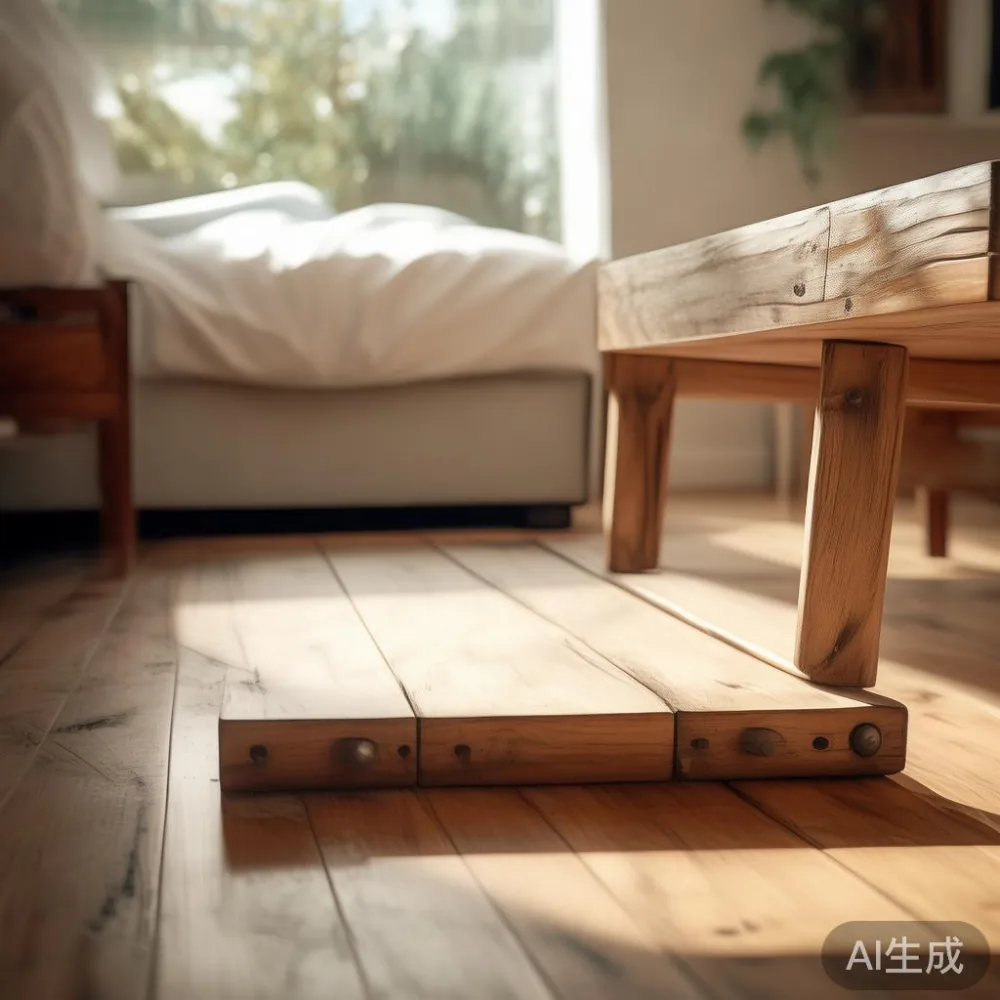
At its core, warm minimalism is a departure from the stark, clinical minimalism of the past. It retains the fundamental principles of minimalism—a focus on function, a lack of clutter, and an emphasis on architectural lines—but introduces elements that add warmth and texture. Think of it as a Scandinavian interior softened by the organic forms of Japanese design, or the clean geometry of American light luxury infused with the earthy tones of nature. The key is balance. You're not filling every corner with objects; you're selecting a few, high-quality pieces that serve a purpose and evoke a feeling.
This style is particularly well-suited for Singapore's climate and lifestyle. The natural materials breathe better than synthetic alternatives, and the uncluttered aesthetic provides a much-needed visual respite from the city's constant energy. It’s about creating a sanctuary. The furniture itself is often the hero, with simple silhouettes and honest materials taking centre stage. This approach aligns perfectly with the philosophy of brands like MIDHILL, which focus on the inherent beauty of solid wood craftsmanship.
Can Natural Materials Really Create a Minimalist Look?
Absolutely. In fact, natural materials are the cornerstone of achieving warmth in a minimalist space. The misconception is that minimalism requires cold, industrial materials like polished concrete and steel. While these can be used, they often lack the inviting quality that makes a house a home. Natural materials bring in texture, variation, and a sense of history that manufactured materials simply cannot replicate.
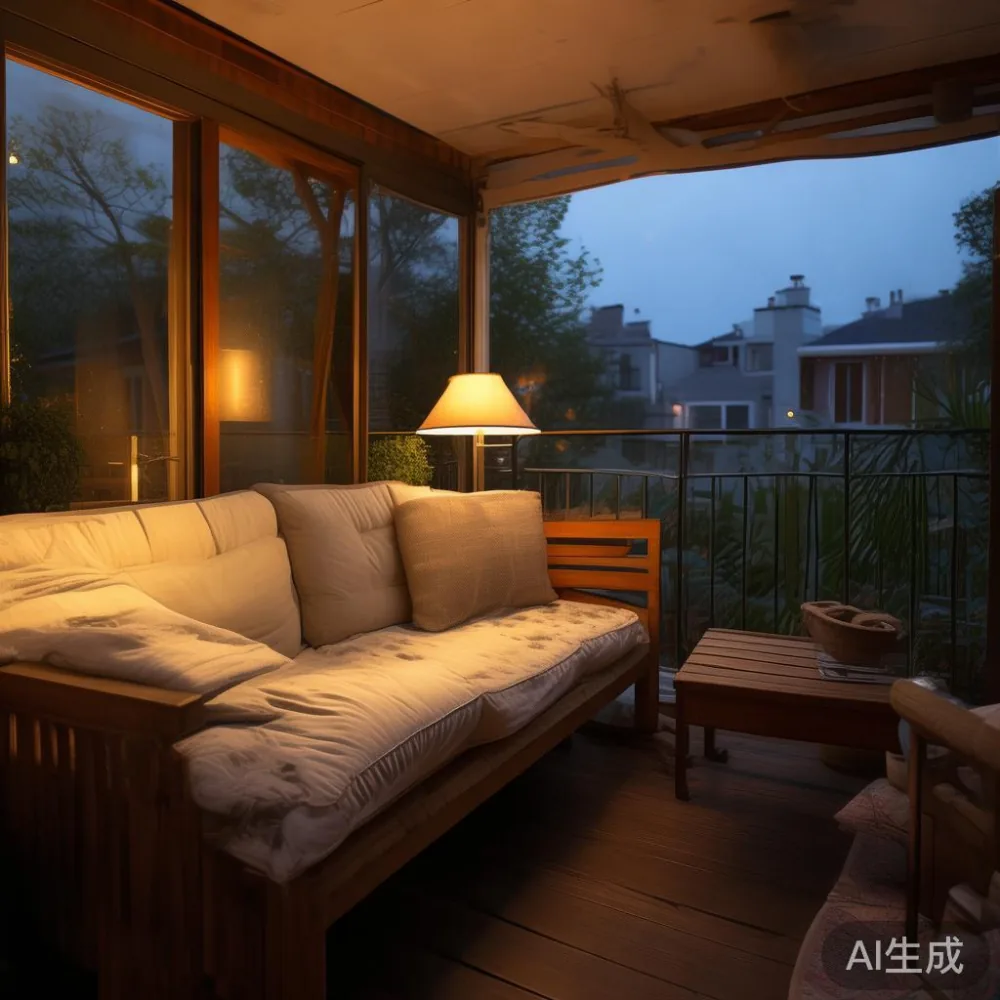
For a living room, a solid wood sofa with a low, wide profile in a light oak finish can be the anchor. Its natural grain and subtle imperfections add character without overwhelming the space. Pair this with a marble table for a dining area. The cool, veined surface of the marble provides a beautiful contrast to the warmth of the wood, creating a balanced and sophisticated composition. The key is to choose materials with a consistent, calm colour palette. Light woods, off-white marble, and linen or cotton upholstery work together to create a serene environment. Even outdoor furniture, when designed with a minimalist sensibility, can complement this aesthetic. A teak outdoor furniture set on a balcony can extend the indoor-outdoor flow, using the same natural wood tones to blur the boundaries between your private sanctuary and the city beyond.
How to Choose the Right Colour Palette for Warm Minimalism
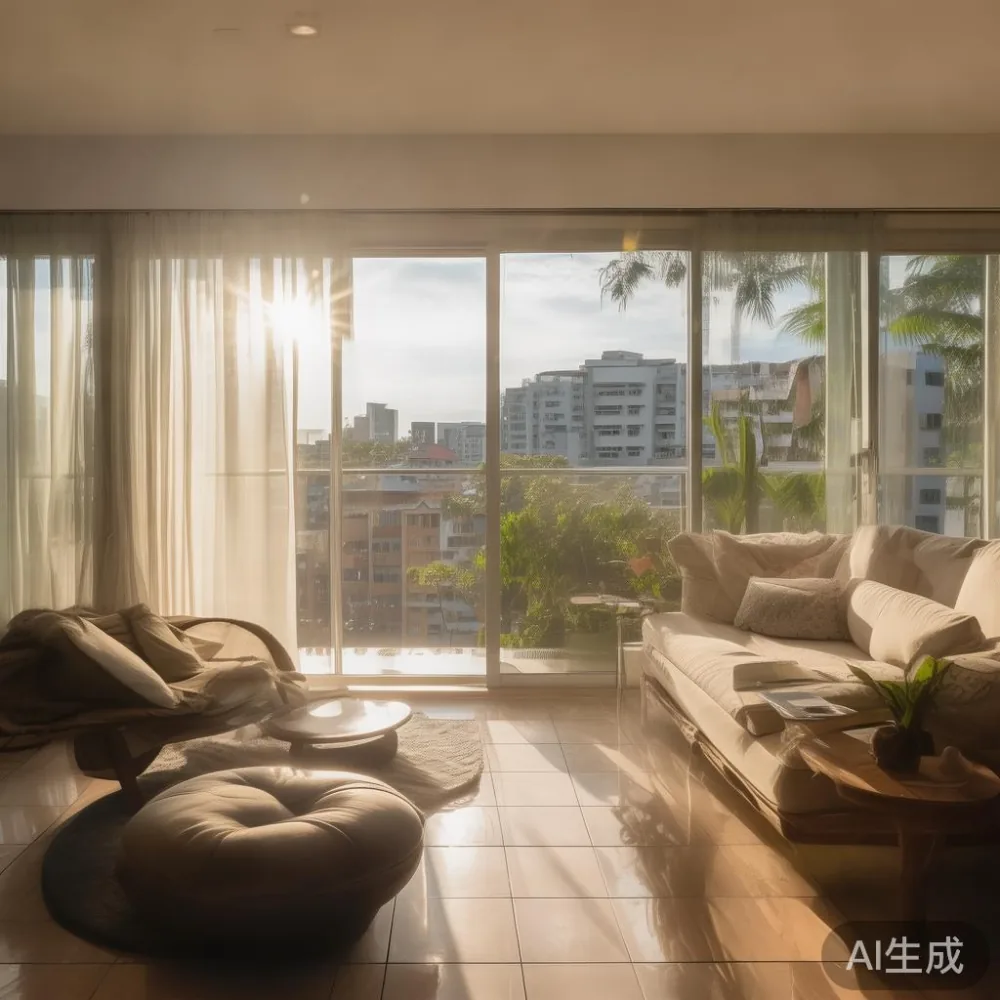
The colour palette for a warm minimalist interior is intentionally restrained. The foundation is typically a series of neutral tones, from soft greys and warm beiges to creamy off-whites. These colours act as a canvas, allowing the textures and forms of your furniture to stand out. The rule of thumb is to use a 60-30-10 split: 60% for the dominant wall and large furniture pieces, 30% for secondary elements like an accent wall or a sofa, and 10% for smaller accents like pillows, art, or a single piece of statement furniture.
Introducing warmth comes through the strategic use of earthy tones. Think terracotta, soft sage green, or a deep charcoal. These colours should be used sparingly. For instance, a charcoal-coloured solid wood bed frame can become a dramatic focal point in a bedroom, while sage green linen cushions on a light luxury sofa can add a pop of colour without disrupting the calm. The goal is to create depth and interest without adding visual clutter. Remember, lighting is also a colour source. The warm, ambient light from a floor lamp can completely change the feel of a room, making the colours of your furniture appear richer and more inviting.
How to Style a Japandi Wardrobe in Bedroom?
The bedroom is a personal retreat, and the wardrobe is a significant piece of furniture that can either dominate the space or blend smoothly into the background. Styling a Japandi wardrobe—which perfectly embodies the warm minimalist ethos—in your bedroom requires a focus on clean lines and natural materials. A Japandi wardrobe typically features simple, geometric forms, often with a two-tone design: light wood for the doors and a darker wood or matte finish for the frame.
The key to integrating it is to ensure it complements the other elements in the room. If you have a solid wood bed frame in a light oak, choose a wardrobe with a similar or complementary wood tone. Keep the hardware minimal—flat, recessed handles or simple pulls in a matte black or brushed brass finish. Inside the wardrobe, maintain the minimalist principle by using matching wooden hangers and drawer dividers to keep contents organised and out of sight. This approach not only looks beautiful but also respects the principles of the style. When selecting such a piece, consider its dimensions carefully. A standard wardrobe might be 60cm deep, 180cm wide, and 220cm tall, but ensure it fits comfortably within your bedroom layout, allowing for easy movement around the 1.2-metre wide corridor typical of Singapore HDBs.
What About Furniture Scale and Proportions?
In Singapore's smaller homes, getting the scale and proportion of furniture right is critical to avoiding a cramped or cluttered look. The golden rule is to choose furniture that is appropriately sized for the room. A large, overstuffed sofa will overwhelm a small living room, just as a tiny, delicate side table will look lost in a spacious condo.
For a small living room, opt for furniture with visible legs. A sofa raised on slender legs creates an illusion of space by allowing you to see more of the floor. A coffee table with a slim profile, perhaps a marble table with hairpin legs, maintains a sense of openness. Modular furniture is also an excellent choice for smaller spaces, as it can be configured to fit the room and reconfigured as needs change. For storage, consider built-in solutions or multi-functional pieces. A bed frame with integrated drawers provides storage without taking up additional floor space. The principle is to be intentional with every piece. Every item should have a purpose and a place, contributing to the harmony of the space rather than detracting from it.
Lighting and Accessories: The Final Touches
Lighting and accessories are what truly bring a warm minimalist interior to life. They are the details that add personality and warmth without violating the 'less is more' principle. Lighting should be layered. Start with a central, ambient light source like a flush-mounted ceiling light. Then, add task lighting, such as a reading lamp on a nightstand or a pendant light over a dining area. Finally, incorporate accent lighting, like a floor lamp in a corner or LED strips under a shelf, to create pools of warm light and add depth.
Accessories should be curated, not collected. Choose a few items that have personal significance or visual interest. A single, large piece of abstract art on a wall can be more impactful than a gallery of small frames. A ceramic vase with an organic form or a hand-woven throw can add a touch of texture. The key is to give each piece room to breathe. Avoid the temptation to cover every surface. Empty space is a positive element in minimalist design, allowing the eye to rest and appreciate the beauty of the furniture and architecture itself. Remember, the goal is to create a feeling of calm and curated simplicity, not a sterile showcase.
Is Investing in Quality Furniture Worth It for Singapore's Humid Climate?
Given Singapore's high humidity levels, investing in high-quality, well-made furniture is not just a matter of aesthetics but of practicality. Cheap, mass-produced furniture is often made with materials that are not suited for a tropical climate. They can warp, crack, or develop mould over time, leading to a costly and frustrating replacement cycle.
When selecting a solid wood sofa or dining table, it's important to consider the type of wood. Teak and solid oak are excellent choices as they are naturally more resistant to moisture and humidity. A reputable manufacturer will use proper joinery techniques and high-quality finishes that protect the wood. For instance, a colleague of mine recently visited a furniture workshop and saw how a 10-year structural warranty is backed by meticulous construction, using mortise and tenon joints that are far more durable than simple screw or glue assembly. This attention to detail ensures that your furniture will last for decades, not just years. The same applies to smaller pieces like a nightstand or a wardrobe. A well-made piece will not only look better but will also withstand the test of time and Singapore's climate, proving that quality is a smart, long-term investment for your home.
Where to Find Furniture That Embodies This Style?
Curating a warm minimalist home requires sourcing furniture that aligns with its principles. This often means looking beyond mass-market retailers and seeking out brands and artisans that value craftsmanship and design. The ideal pieces are those that are timeless in their appeal, focusing on quality materials and clean forms rather than fleeting trends.
For those interested in exploring options, a good starting point is to look for collections that feature the exact phrase 'top 10 Modern light luxury furniture' in their product descriptions or marketing materials, as this can point towards curated selections that balance contemporary design with a sense of opulence and comfort. When shopping online, you might find resources like api.midhill.co helpful for exploring product specifications and details. The key is to look for transparency in materials and construction. Ask about the wood source, the type of finish used, and the warranty offered. A brand that offers a lifetime refinishing service, for example, shows a deep confidence in the quality of its products. This level of assurance is invaluable, ensuring that your investment is protected for years to come. Whether you're furnishing a new apartment in Tampines or a condo in Punggol, taking the time to find the right pieces will make all the difference in creating a home you love.