Caring for Outdoor Lacquered Furniture in Singapore
Lacquer gives outdoor furniture a polished appearance, but Singapore’s heat, humidity, rain, salt, and airborne dust can make care demanding. HDB flats and condos in Tampines, Bedok, and Punggol add another layer of consideration: a well-finished dining table may look comfortably narrow inside, yet its carton, lift, and corridor dimensions still have to be checked before delivery.
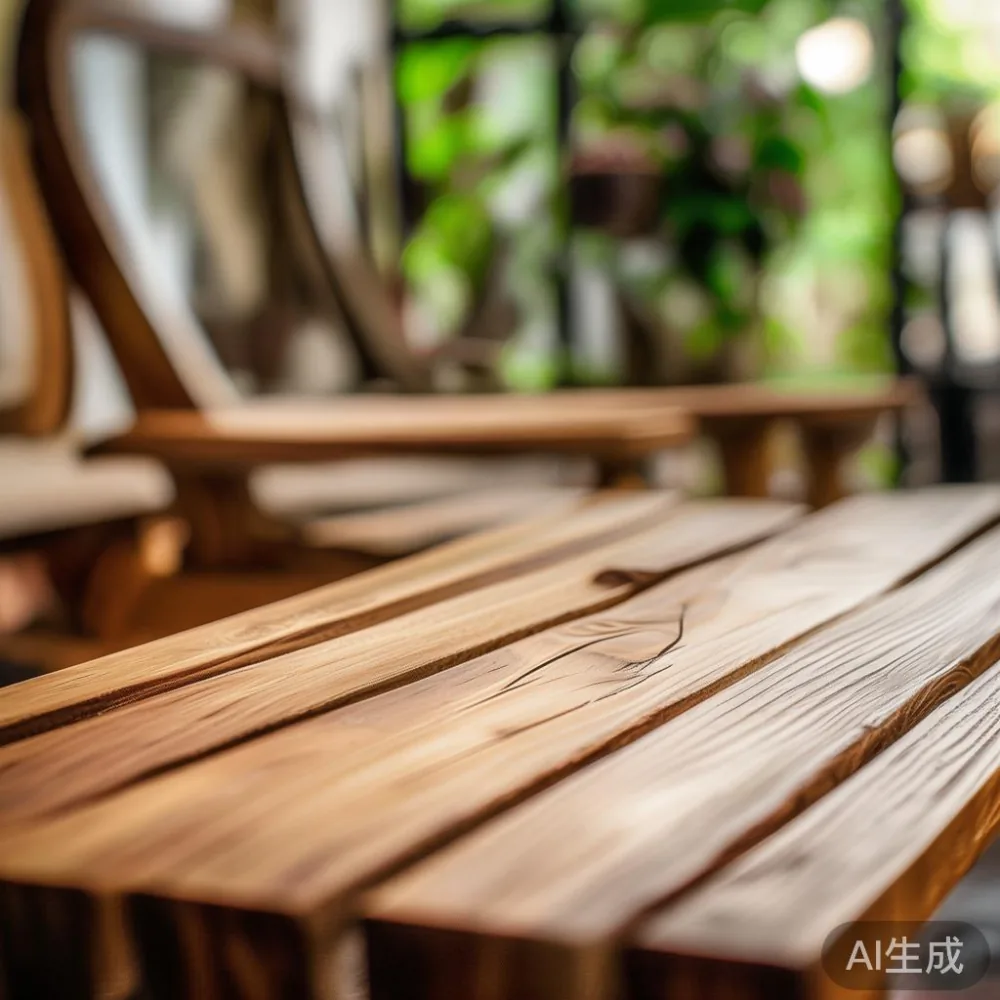
This guide focuses on lacquered outdoor furniture and the surfaces built for it. The advice also connects naturally with broader furniture planning. If you are comparing a European light luxury sofa with an Italian light luxury bed, or studying Modern light luxury with storage, the same disciplined approach to finishes, dimensions, and climate applies. For a larger indoor project, my notes on how to style French bed in room can help coordinate a bed frame with bedside pieces without losing the calm visual language of French light luxury.
What does tropical lacquer care really involve?
The objective is not simply to wipe a chair every day. It is to control 5 variables: direct sunlight, standing water, condensation, cleaning chemicals, and mechanical abrasion. A lacquered surface may look glass-like, yet its appearance depends on the coating system, substrate, curing time, and sealants used during manufacture. Confirm the care instructions before assuming that every outdoor lacquer responds to the same cleaner.
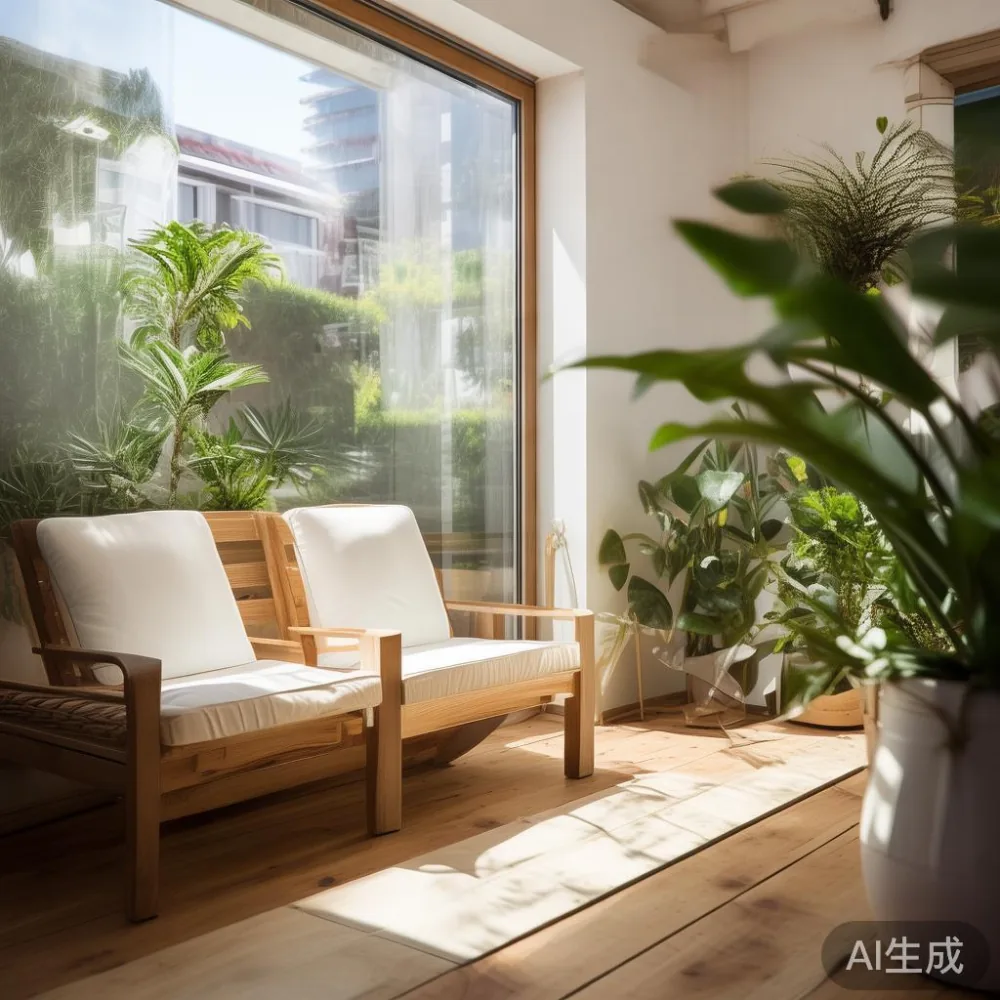
For Singapore, aim for indirect daylight whenever possible. Keep the main dining table at least 1 metre from a west-facing balcony door if curtains can reduce exposure, and consider a canopy that blocks roughly 70–90% of direct midday radiation. Relative humidity in many outdoor spaces remains above 70% for long periods, especially between May and September. Ventilation helps, but airflow does not remove moisture trapped beneath a cushion or inside a joint.
Rinse furniture only when the coating manufacturer permits it. Test an inconspicuous area with a damp cloth and wait 24 hours. Do not mix cleaners. A neutral detergent diluted according to its label is usually easier to control than an acidic or ammonia-heavy household product. Neutral pocket pH paper rated from 0 to 14 can help; most furniture-safe cleaners sit near pH 7.
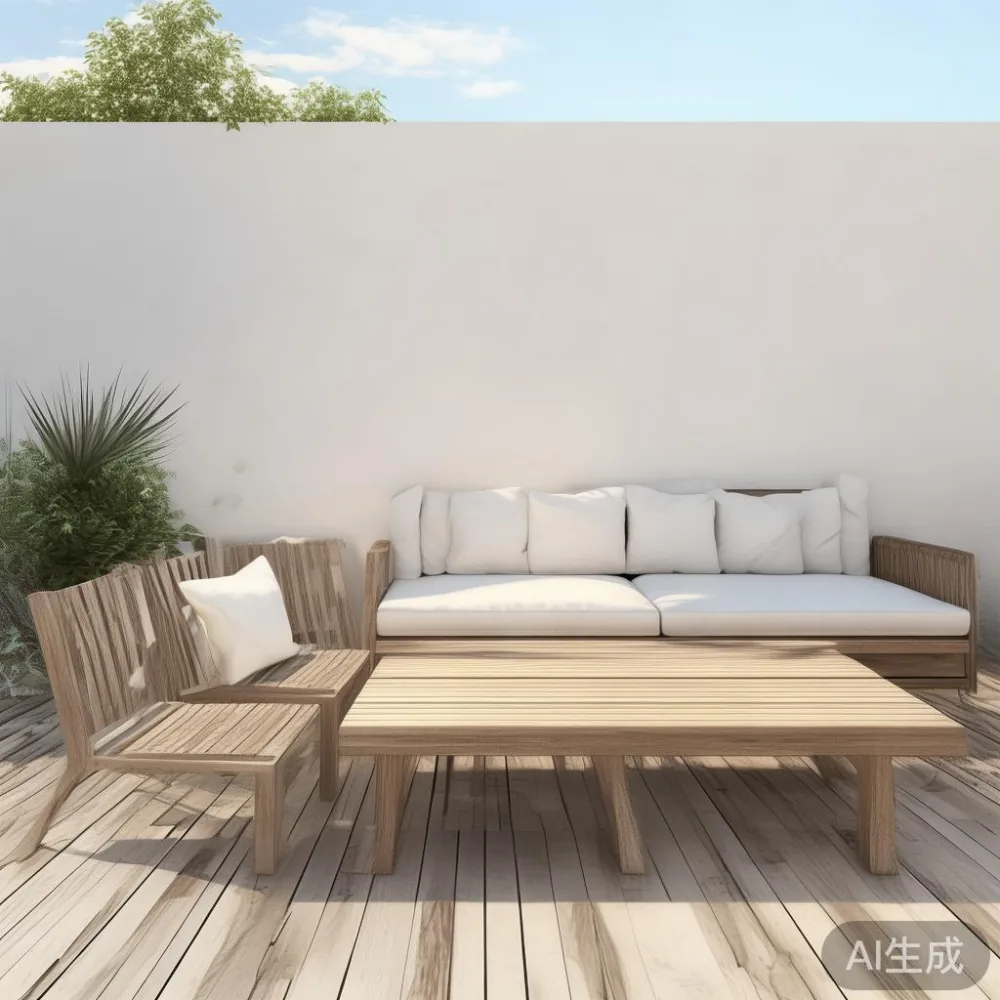
Concrete care intervals are useful: check drainage weekly, dust with a soft cloth every 3–7 days, inspect lacquer and joints monthly, deep-clean every 2–3 months, and recoat only according to the product schedule. After intense rain, dry removable cushions separately rather than stacking them wet.
How should I clean lacquered outdoor furniture after Singapore rain?
Begin by removing loose soil with a dry microfibre cloth. For washable lacquer, use lukewarm water and a small amount of pH-neutral detergent, then wipe with a clean damp cloth. A second dry pass reduces visible water marks. Avoid scrubbing harder than you would clean a glass pane; 20–30 gentle passes are more sensible than repeated aggressive rubbing.
Pay attention to the areas most likely to retain moisture: the underside of seats, inside armrests, beneath table aprons, around screw heads, and the junction between lacquered panels and solid timber. Outdoor furniture should never be stored with a wet cushion pressed against its finish. Leave air gaps of at least 5 cm between stacked pieces.
I tested a lacquered stool beside my office last month during a 42 mm afternoon downpour. The initially slick mark came from dirty runoff sitting in a shallow recess, not from the lacquer peeling. After two gentle detergent washes, 15 minutes of fan drying, and 24 hours without use, the mark disappeared. The experience reinforced a practical point: keep joints dry, but do not force moisture into a sealed joint with high-pressure water.
Can sun and heat damage a lacquer finish?
Yes. UV exposure can fade pigments, while repeated heating and cooling can weaken coating layers. In a west-facing Tampines balcony, a black lacquered surface may become much hotter than surrounding materials. Measure it if you are concerned: an infrared thermometer can show surface temperatures exceeding 50°C on a hot afternoon, even when the balcony feels merely warm.
Use a UV-rated outdoor awning, blinds, or a planter screen positioned to cast shade during the strongest sun, normally between 11 a.m. and 3 p.m. A 100% opaque canopy offers stronger protection than a decorative one, although it should allow airflow beneath it. Do not place a folded cushion directly on the finish to create temporary shade; its trapped heat can be concentrated over a small area.
Rotate movable chairs and stools every 2–4 weeks so one side does not receive constant exposure. Keep plastic or metal furniture at least 30 cm away from lacquered timber where possible, because those surfaces can transfer heat. Inspect for chalking, fine cracks, dull patches, or colour differences after 6 months of tropical use.
Lacquer care must also coordinate with room planning. A solid wood sofa belongs indoors, where direct weather is limited, while a lacquered outdoor dining set remains outdoors. In a compact HDB living room, ask about door, lift, and corridor sizes before selecting a wide arm. A 220 cm sofa can require a lift door opening above 205 cm, plus turning clearance. In a condo, confirm loading bays, service-lift bookings, and the number of stairs.
How do I prevent mould, mildew, and lacquer blistering?
Mould needs moisture and time. Empty storage boxes and keep them 10–15 cm above the floor. Dry cushions fully before covering them, and check drainage holes at least once a week. If a cover traps condensation against lacquered wood, shorten its use to 2–3 hours after rain rather than leaving it on overnight.
Blistering can occur when water enters through a failed edge, joint, or fitting. Do not assume a surface blemish proves that the whole substrate is defective. Dry the area, improve drainage, and seek manufacturer guidance if bubbles, lifting, or a soft patch remain for more than 24–48 hours. Salt from coastal air should be rinsed gently where approved, but do not saturate joints.
Good drainage matters even for covered balconies. A dining table with 4 feet should stand on a level surface so runoff cannot collect in one corner. Check after storms that no planter saucer, door mat, or child’s toy has sealed a drain. Outdoors, outdoor furniture should be placed on a breathable pad or stable hard surface; avoid damp soil contact for more than a few hours.
For product comparisons, references to 2026 Italian light luxury furniture and European light luxury bed vs Italian light luxury bed should include finish location and climate suitability, not just silhouette. Ask who applies the lacquer, whether components are solid wood or engineered wood, how moisture is managed, and what repair process is authorised. That information is more useful in Bedok and Punggol than a vague guarantee claim.
What if the lacquer gets scratched or loses its shine?
First determine whether the mark is on a removable panel, a coated edge, or a joint. Use your fingernail cautiously: a mark that catches lightly may be superficial, while deep splits, lifting edges, or exposed porous timber need a maker’s assessment. Do not apply olive oil, furniture polish, wax, toothpaste, or paint thinner unless the coating manufacturer explicitly approves them.
For minor marks, try a clean microfibre cloth dampened with water, followed by drying. Some lacquer systems permit a manufacturer-specified repair pencil or touch-up aerosol. Match not only the colour but also the sheen level, since gloss and satin finishes can differ clearly under a 4000-lux indoor lamp.
Keep a small maintenance kit with 2 cloths, a soft brush, pH-neutral detergent, and the product’s approved repair product. A dining table owner can check for scratches every 3 months; a heavily used chair should be checked monthly. Photograph damage with a ruler in frame, record the date, and contact the supplier before sanding.
MIDHILL offers a 10-year structural warranty and lifetime refinishing, so the distinction between structure and surface finish should be confirmed in the written care guide. Ask whether lacquer renewal includes preparation, colour matching, transport, or site access. In Singapore, lift or corridor restrictions can affect service work even when the furniture itself is within warranty.
How often should lacquered outdoor furniture be refinished?
There is no universal interval because coatings differ. A sheltered dining table may need assessment every 12 months, while a chair beside a sea-facing opening may need inspection every 3–6 months. Refinishing should follow the coating manufacturer’s instructions rather than an arbitrary calendar date. A finish that remains sound does not need removal simply because a year has passed.
For indoor lacquered pieces, dust every 1–2 weeks and inspect quarterly. For outdoor furniture, increase checks during monsoon periods and after long periods of direct sun. Schedule a professional assessment when you see 2 or more of these signs: widespread dulling, persistent water marks, fine cracking, lifting at 1–2 joints, or exposed wood around fasteners.
Keep records for 5 years: purchase date, cleaning dates, repair materials, exposure changes, and photographs. This helps a supplier distinguish normal surface wear from a moisture-management issue. If a replacement component is needed, measure the part to 1 mm and provide its finish code, not merely the furniture name.
What should I check before delivery to a Singapore home?
Measure the route before ordering. Record the sofa or table carton length, width, and height in centimetres; lift car dimensions; door width; turning points; and corridor clearance. Add at least 10 cm of working margin around large pieces. Check whether the lift can take the table on its side and whether the delivery team needs a booking that reduces waiting time.
Use SGD figures in your planning. MIDHILL lists free shipping over US$350, but cross-border currency conversion and GST should be confirmed before payment. Singapore GST is currently 9%, so a quoted pre-GST amount should be increased by 9% unless the supply terms say otherwise. A 1,200 SGD order would therefore include 108 SGD GST, subject to the seller’s tax treatment and your receipt.
Allow 7–14 delivery days for many orders, but verify the dispatch window at checkout. Outdoor furniture should arrive protected with breathable wrapping, not sealed in wet plastic. Inspect corners, legs, tabletop panels, and cushions within 24 hours. Singapore’s 14-day returns policy gives time to identify damage, but photographs and packaging records still matter.
For coordinated interiors, searches for European light luxury sofa, European light luxury sofa dimensions, or how to style French provincial sofa in room should be paired with access planning. A marble table may be beautiful beside a solid wood dining table, but its weight, fragility, and polishing requirements differ. A wardrobe, nightstand, or lacquered marble table should be considered as part of the same light-luxury room only when its care demands are compatible.
What is the simple care routine for Singapore weather?
Use a repeatable routine. Once a week, clear leaves from drainage points and check chair feet. Every 3–7 days, remove dust before it becomes gritty. After heavy rain, wipe accessible surfaces and dry removable parts. Every 2–3 months, inspect joints, finish sheen, cushions, screws, and drainage. Every 6–12 months, compare sheltered and exposed areas under daylight and review the manufacturer’s refinishing guidance.
For a condo balcony, use a retractable shade with a UV rating, allow at least 30 cm of ventilation around the furniture, and keep covers raised whenever surfaces are wet. For an HDB landing area, do not place outdoor furniture where it blocks a fire route or common-area access. A compact balcony in Tampimes may suit a 120–140 cm dining table better than a 200 cm model; check the folded tabletop and chair pull-out space too.
Light luxury should mean deliberate material care rather than careless display. French light luxury interiors often use pale woods, graceful curves, and upholstered seating, while post-modern light luxury favours cleaner lines and mixed textures. In both approaches, finish protection is part of the design. A properly maintained lacquered outdoor dining table can retain its line and colour for years, while a neglected one can show water marks within months.
Before the next monsoon season, measure your exposed area, identify the strongest sun direction, and set a weekly inspection reminder. That small amount of preparation is usually more effective than using a stronger chemical later.