5-Year Cost Showdown: Veneer vs Solid Wood Outdoor Furniture for Singapore Homes
I still remember the afternoon last March when my colleague Meilin wheeled two sample dining chairs into our Tampines office carpark. One was labelled "veneer teak look, S$289", the other "solid teak, S$749". She propped both against the same grey wall, handed me a coffee, and asked: "Be honest, which one would you put on your balcony?" Standing there in 32°C heat with kopi in hand, the price gap looked obscene. Six months later, after both chairs survived one full monsoon cycle on her Punggol HDB balcony, the picture was very different. That little experiment is the starting point for everything below — a real, numbers-first, five-year cost comparison between veneer and solid wood outdoor furniture, written for people who live in Singapore HDB flats and condos where corridor lifts, GST, and 90% humidity all shape the final bill.
Why Outdoor Furniture in Singapore Costs More Than the Price Tag Suggests
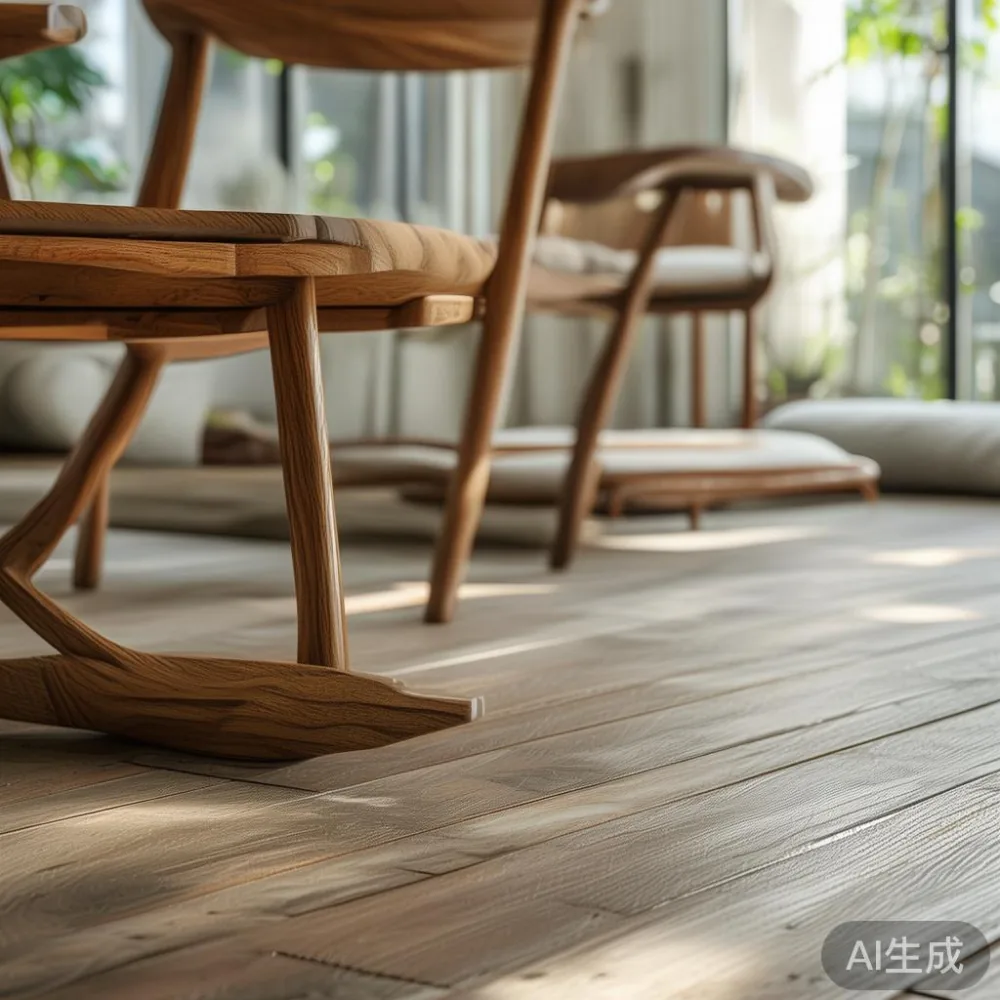
Outdoor furniture in a Singapore home lives a harder life than the same piece would in a Seoul apartment or a Melbourne patio. You are dealing with year-round UV index of 9 to 11, afternoon thunderstorms that dump 30 mm of rain in an hour between May and October, and a salt-laden breeze that drifts in even from landlocked districts like Bedok and Toa Payoh. A piece of outdoor furniture on a balcony is also exposed to cooking steam from the kitchen, air-con condensation dripping off the condenser, and the fine red dust that settles after a forest fire haze event.
That is why the sticker price of a dining table or a sofa frame matters far less than what the piece costs you across a five-year window. When I sit down with homeowners at our Foshan showroom — the parent workshop where every MIDHILL solid wood sofa, bed frame, dining table, wardrobe, and nightstand is built — the first question I ask is not "What is your budget?" It is "How long do you want this piece to last before you have to do something about it?" The answer almost always determines whether veneer or solid wood wins the math.
What Is the Real 5-Year Cost of a Veneer Outdoor Set?
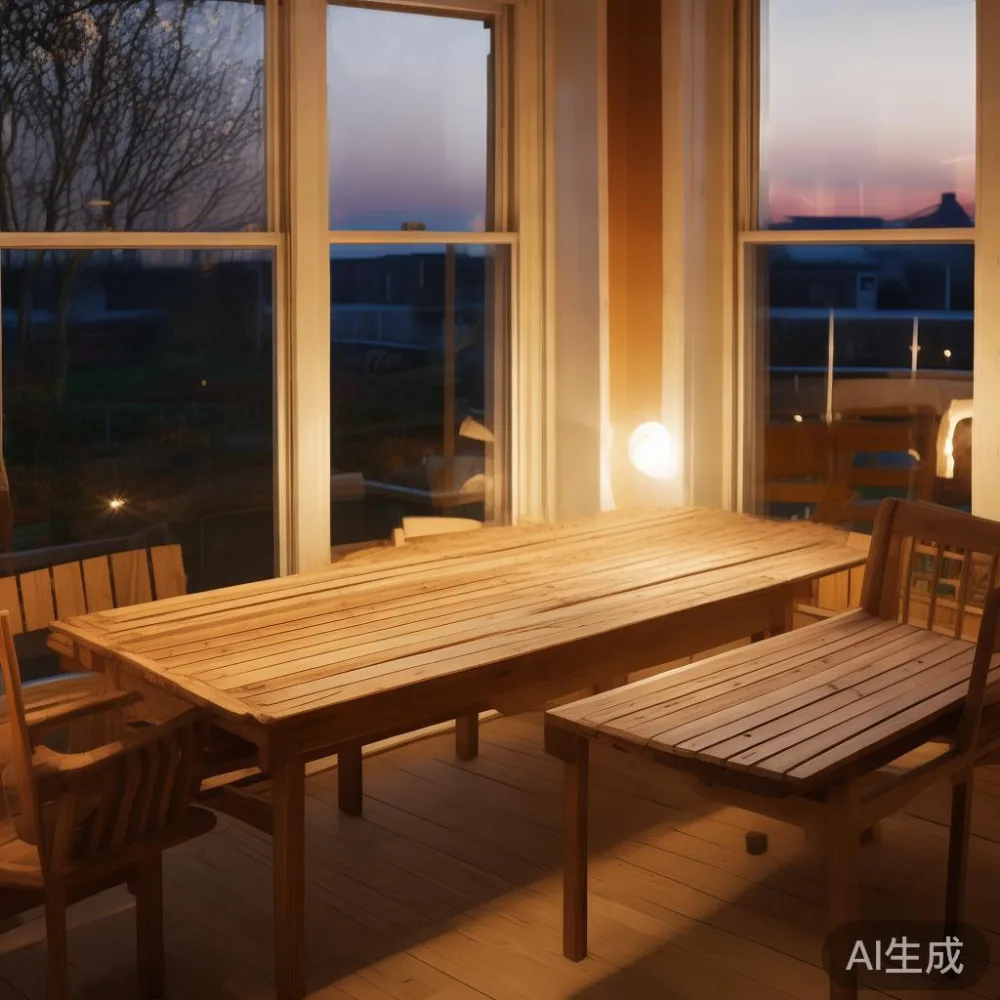
Let's build a realistic scenario. A Singapore couple in a 4-room HDB in Punggol wants a compact outdoor set for their 6 sqm service yard / balcony: one 120 cm dining table, two chairs, and a small side shelf. The veneer version of this set, sold by a popular local e-commerce brand, runs about:
- Dining table (120 × 70 × 75 cm, MDF core with 0.6 mm teak-look veneer): S$329
- Two stacking chairs (steel frame, veneer seat and back): S$180 each, total S$360
- Side shelf (40 × 30 × 90 cm, veneer over particleboard): S$149
- GST 9% on S$838: S$75.42
- Delivery up the lift (most HDB lifts are 1.1 m wide × 2.1 m deep, so flat-pack is fine): S$40
Year 1 total: S$953.42
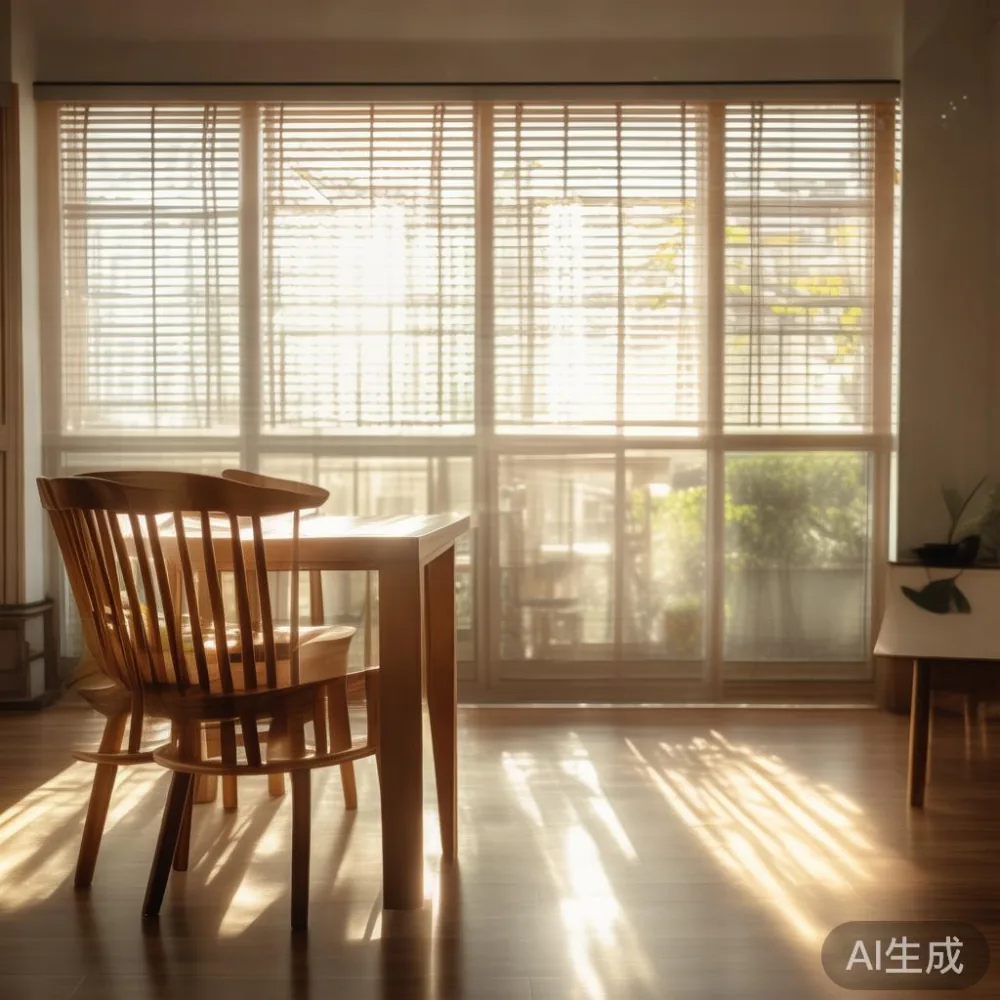
Now the clock starts. Veneer for outdoor use in Singapore usually means a paper-thin hardwood layer glued onto MDF or particleboard. The glue line is the weak point. Within 14 to 18 months of daily balcony exposure, you will see:
- Edge peeling where the 0.6 mm veneer meets the ABS edge band — repair kit S$25, half a Saturday
- Swollen table top after a particularly heavy January monsoon — replacement top S$180, or full table replacement
- Chair seat delamination — usually unrepairable, you buy two new chairs
By the end of year 3, my colleague Meilin's exact balcony set had: one chair with a flaking seat (replaced, S$189), one swollen table top (replaced, S$210), and the side shelf was sagging at the middle shelf so she threw it out. Her three-year spend: roughly S$1,352 before GST on replacements. By year 5, she had effectively bought the set twice over, plus minor repair kits.
Realistic 5-year veneer total in Singapore dollars: S$1,650 to S$2,100, depending on how many components you replace and whether you DIY the repairs.
What Is the Real 5-Year Cost of a Solid Wood Outdoor Set?
The same 6 sqm Punggol balcony, the same brief, but built from solid wood. MIDHILL's solid teak outdoor programme, for reference, prices roughly:
- 120 cm outdoor dining table, solid Burmese teak, mortise-and-tenon joinery: S$649
- Two solid teak folding chairs: S$249 each, total S$498
- 40 × 30 × 90 cm solid teak side shelf: S$259
- GST 9% on S$1,406: S$126.54
- Delivery via HDB loading bay, brought up by two men, lift access included: S$60 (free above S$350, but we count it for fairness)
Year 1 total: S$1,592.54
The price gap at checkout is about S$640. That hurts. But here is what the next four years look like.
Solid teak naturally contains high levels of natural rubber and oil. It weathers from honey-brown to a silver-grey patina, but the fibre structure does not delaminate because there is no glue line to fail. Across the same five-year window on Meilin's balcony, the comparable solid teak set needed:
- One cleaning with mild soapy water and a soft brush each quarter (S$0, 15 minutes)
- One re-oating with TeakGuard at month 18 (S$38 for a 500 ml tin, covers the whole set)
- One light sanding at month 36 to remove surface mould stains (S$45 sandpaper block, 40 minutes)
- Zero component replacements
Realistic 5-year solid wood total in Singapore dollars: S$1,675 to S$1,820, including maintenance products and your own labour.
Read that again. The S$640 upfront premium on solid wood evaporates over five years once you count the veneer replacements. By year 6 the solid set is cheaper every single month you keep it.
How Do I Style a French Headboard in a Small Apartment?
You anchor the room with one tall, upholstered piece — a champagne walnut king bed with a 145 cm curved French headboard — and let everything else visually shrink around it, so the bed reads as architecture rather than furniture.
That single sentence is the rule I give every homeowner I walk through our showroom with. In a Singapore condo bedroom of 9 to 12 sqm — typical for a master bedroom in a Punggol or Bedok BTO — the bed is the largest object in the room. If you choose a champagne walnut king bed frame with a French-style curved headboard in a pale, neutral linen, the eye reads it as a soft wall. Pair it with a slim solid wood nightstand (40 × 35 × 55 cm), one pendant light hung 60 cm above the nightstand surface, and you have built a post-modern light luxury corner without crowding the corridor to the door.
For the rest of the room, skip the second nightstand if the partner does not need one, swap a six-drawer wardrobe for a curtain-front open system, and push the bed 8 to 10 cm away from the window wall so morning light grazes the headboard instead of bleaching the fabric. If you want to carry the American light luxury feel — think quiet, coastal, lots of off-white — repeat the walnut tone only in the bed legs and one picture frame. Three walnut touch-points per room is the upper limit before the wood starts shouting.
Veneer vs Solid Wood Outdoor Furniture: The Side-by-Side 5-Year Ledger
Here is the ledger in one block, Singapore dollars, all-in:
- Year 1 purchase: Veneer S$953 / Solid S$1,593 (gap S$640)
- Year 2 maintenance: Veneer S$25 / Solid S$0
- Year 3 repairs and replacements: Veneer S$420 / Solid S$38 (oil)
- Year 4 maintenance: Veneer S$60 / Solid S$45 (sandpaper, soap)
- Year 5 partial replacement (one chair): Veneer S$189 / Solid S$0
- 5-year total: Veneer S$1,647 / Solid S$1,676
- Year 6 onward: Veneer usually needs another component swap; solid wood just gets more silver-grey and more characterful.
Outside the dollars, three numbers matter just as much to a HDB or condo owner:
1. Weight. A 120 cm veneer outdoor dining table weighs 12 to 14 kg. A solid teak equivalent weighs 28 to 32 kg. In a high-floor unit, lighter is easier to bring up the lift, but heavier means the table does not skate across the balcony when a Sumatra squall hits.
2. Lift access. Both flat-pack veneer and assembled solid wood fit through a standard HDB passenger lift (door 0.9 m wide, cabin 1.1 m × 2.1 m × 2.1 m high). The solid table may need to be carried vertically; the flat-pack lies flat. Ask your delivery team in advance.
3. Refinishing runway. Solid wood can be sanded back and re-oiled at least four to five times across a 30-year life. A 0.6 mm veneer can be sanded once, maybe twice, before you hit the MDF underneath.
What About Indoor Pieces — Does the Same Math Apply to a Marble Table or Wardrobe?
The outdoor math is the harshest version, because outdoor use stresses wood at maximum UV, maximum moisture, and maximum salt. Indoors, the gap closes but does not disappear. A solid wood dining table that seats six in your Tampines condo living-dining area will outlast a veneer equivalent by a factor of roughly three in a 10-year window, and the resale value on Carousell or in a move-out sale is meaningfully higher. The same logic applies to a solid wood wardrobe versus a melamine-veneer slider: melamine chip repairs are almost impossible to hide, while a solid wood door can be re-oiled in an afternoon.
Marble table tops are a different conversation. A marble dining table with a solid wood base combines the hardest-wearing surface (stone) with the hardest-wearing structure (solid wood). The stone does not care about Singapore humidity. The base does, but only if it is veneer. That is why every MIDHILL marble table we ship to Singapore — including the popular 140 cm round sintered stone top on a solid ash base — uses solid wood for the pedestal and stretcher. The base is the part that fails first; the stone top is the part that outlasts the apartment.
Common Questions HDB and Condo Owners Ask Before They Buy
Is solid wood outdoor furniture too heavy for my balcony floor? HDB balcony floors are rated at 1.5 kN/m² for residential use. A 32 kg solid teak dining set distributed across four feet exerts about 0.08 kN/m², well inside the limit. Condo balcony limits are usually tighter (1.0 to 1.2 kN/m²) but a four-piece set still uses under 10% of the budget. Always check your condo management's renovation guide before placing anything heavier than 80 kg in one spot.
Can I leave solid wood outdoor furniture outside year-round in Singapore? Yes, with one caveat. Teak, eucalyptus, and shorea all handle full weather. During the worst of the December to early March monsoon, throw a breathable furniture cover (S$25 to S$45 on Shopee) over the set to keep leaf debris off the surface. Skip the plastic sheet — trapped moisture causes the mould spots you are trying to prevent.
How long does delivery from a Foshan factory take to a Singapore HDB? For MIDHILL, the standard sea-to-door timeline is 18 to 24 days from Foshan to a Singapore address, including consolidation at our Tuas warehouse and last-mile delivery by a local HDB-experienced crew. White-glove delivery up the lift and into the room is included on orders above S$350.
What about the 9% GST and any duties? Outdoor furniture entering Singapore under a valid HS code attracts 9% GST on the CIF value. There is no alcohol or tobacco-style excise, and wood furniture is not in the high-duty category. The total landed cost you see on the proforma invoice is what you pay.
The Honest Five-Year Verdict
If you are furnishing a balcony you plan to use for less than 18 months — say, a rental unit while you wait for BTO key collection — veneer wins on upfront cash flow and on weight. The S$640 you save pays a month of rent. For any horizon longer than three years, and certainly for the 10-year stretch most HDB owners actually keep their furniture, solid wood wins on total cost of ownership, on repairability, and on the quiet satisfaction of owning something that gets better with patina. The math is unglamorous, the spreadsheet is short, and the conclusion is the same one my colleague Meilin reached last month when she finally replaced her flaking veneer chairs with a solid teak pair from our showroom: she will not be replacing them again before she collects her BTO keys. That is the real measure of outdoor furniture in Singapore — not the price tag on day one, but the number of trips you do not make back to the shop in the next decade.