Sofa Buying Guide: Check Before Sitting in Singapore
Most sofas are sold for one convincing reason: you should be able to sit on them. Yet a surprisingly large number of outdoor furniture sofas look perfectly usable in a catalogue and become difficult to live with after they enter a Singapore home. The cushions may be too high, the armrests may block the door, the fabric may trap rain, or the frame may not suit the dimensions of an HDB lift and corridor. “Can I sit on it?” is therefore the wrong first question for anyone buying a sofa whose main purpose is occasional seating, guest accommodation, or display beside a balcony or patio.
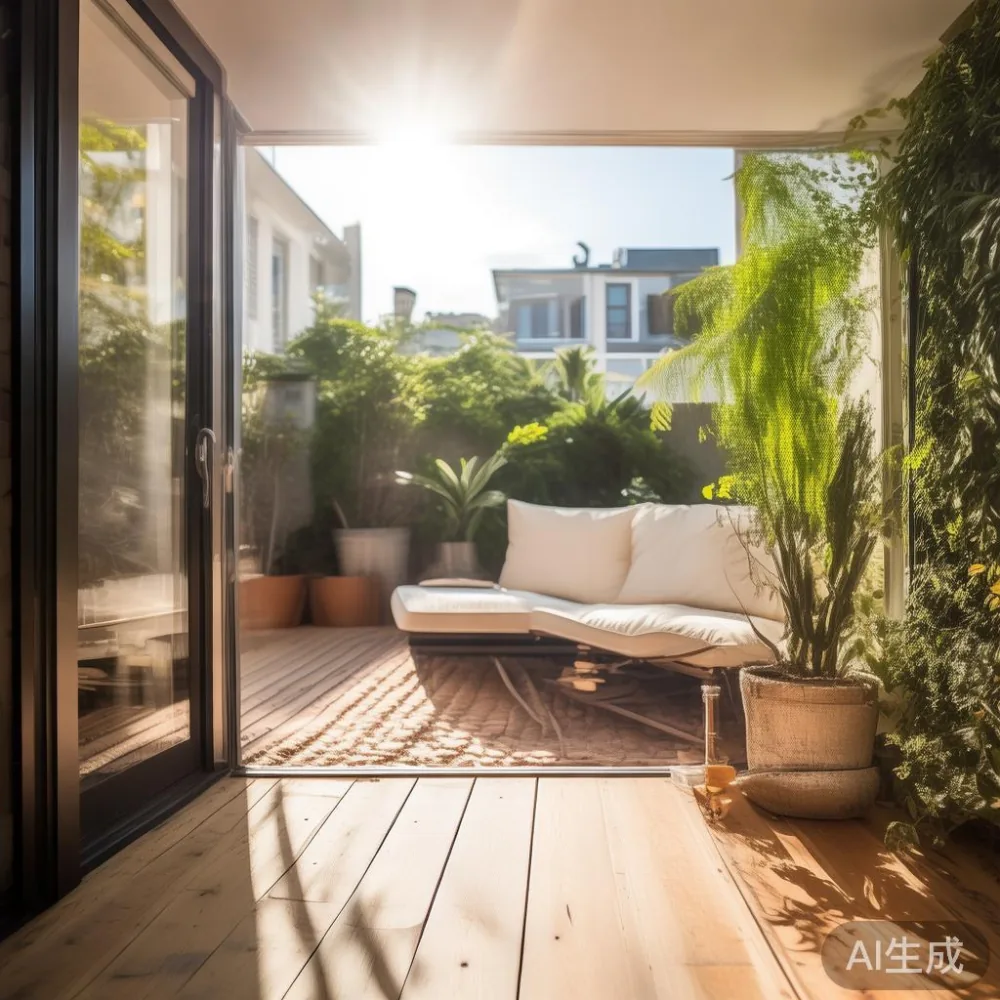
This guide examines how to judge a sofa you cannot comfortably use as a regular seat while still meeting the appearance, comfort, and durability expectations of a well-made piece. I also consider the practical differences between indoor and outdoor furniture, the measurements that matter in Tampines, Bedok, and Punggol flats, and the questions to ask before committing to a large order.
The phrase best Mid-century modern furniture often appears in design searches, but style labels cannot tell you whether a sofa will fit through your lift or withstand Singapore humidity. Likewise, a photograph of a European light luxury coffee table says little about the stability of the sofa placed near it. Measurements, materials, and access routes matter more than adjectives.
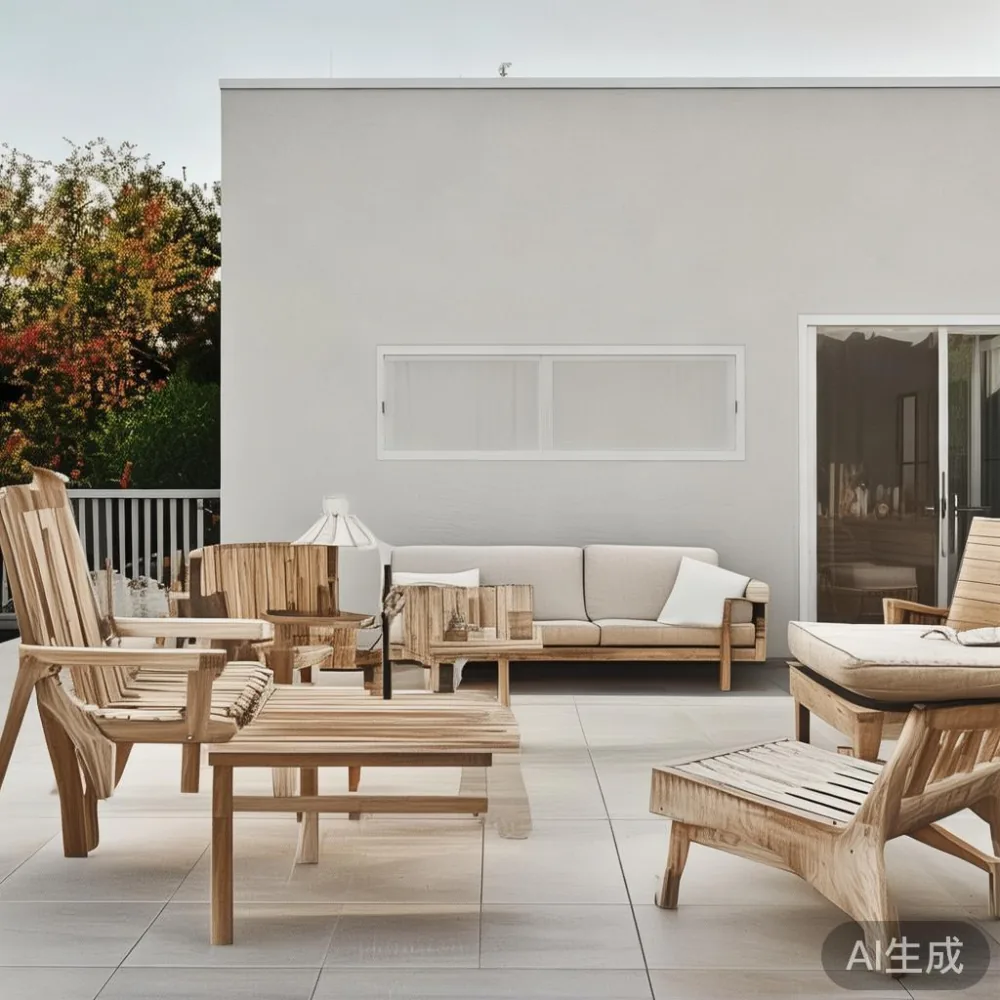
What kind of sofa is meant for occasional use rather than everyday sitting?
<A sofa you cannot sit on may function as a decorative bench, a hallway perch, a window seat, or a temporary guest bed. That is not a defect if the design and dimensions support the intended use. A narrow lobby sofa with a firm, 43 cm seat height, for example, may be suitable for putting on shoes, while a 39 cm model can be easier to rise from for older visitors. A deeper 58 cm seat gives more visual space but can be difficult to leave because the front edge sits farther away.
Begin by writing down how the sofa will be used. If it is mainly for guests, check the seat height against the people who will use it. If it is for a balcony, assess whether the cushions will dry after a sudden shower. If it serves as a display piece under a wall-mounted television, the comfort may matter less than the silhouette and the width available for passing.
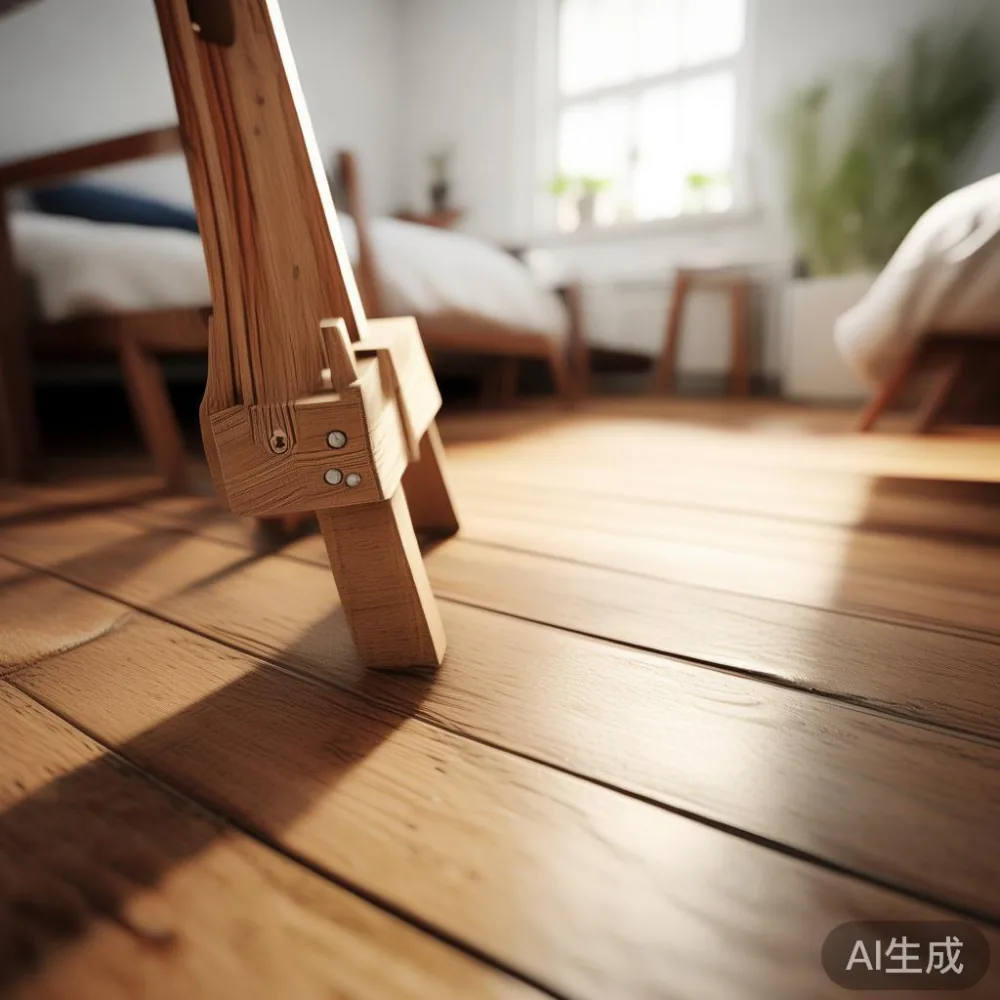
Outdoor furniture has different requirements from an indoor upholstered sofa. The frame should tolerate humidity, the finish should resist fading, and loose cushions should not absorb water overnight. Quick-dry foam, treated fabrics, slatted bases, and rust-resistant hardware are useful signals. A solid wood sofa can be appropriate for a covered veranda if every exposed component is properly sealed and the feet allow ventilation. An indoor sofa with untreated timber, cotton filling, and a low plinth should not be moved outside merely because it looks attractive.
Also distinguish between a genuine outdoor sofa and standard indoor furniture sold near a balcony. Ask for the frame material, cushion core, fabric treatment, warranty exclusions, and cleaning instructions. The answer should be specific. “Outdoor suitable” without details is not enough.
Will the sofa fit through your HDB lift, corridor, and doorway?
<Before discussing fabric, determine the largest dimensions of the packaging and the sofa itself. A typical HDB lift door may provide roughly 80–90 cm of clear width, although older blocks, service landings, and recessed doors can be tighter. Common corridors measure about 120–150 cm wide, with right-angle turns that reduce the effective manoeuvring space. Measure the door leaf, the distance from the lift lobby to the unit entrance, and the narrowest point along the route.
Record the sofa’s width, depth, height, diagonal length, and packaged weight. A 180 cm sofa may need to enter diagonally, but a rigid 38 cm deep frame may prevent it from turning into the corridor. A knock-down design can help if legs detach, although assembly tools and the strength of the connectors must be checked. If the sofa cannot be turned through the route, delivery staff should not be expected to force it; an unsuccessful delivery can still result in fees.
For a condo, ask the building manager about delivery hours, reserved loading areas, parking distances, and the use of service lifts. The lift may be 210 cm deep and 110 cm wide, but the sofa may still need to cross a 90 cm fire door. Measure the actual opening rather than relying on the lift specification posted online.
Weight deserves equal attention. A 55–75 kg solid wood frame is substantial for one person to carry upstairs, whereas a lightweight aluminium and synthetic-rattan frame may weigh only 18–25 kg. Know who must move it: delivery crew, building staff, or the resident. The handover should include packaging removal, assembly, placement, and confirmation that the route was feasible.
Are the seat height, depth, and armrests comfortable for real bodies?
<Even a decorative sofa should be comfortable for its stated purpose. The useful range for an occasional seat is often 42–46 cm from floor to cushion top. Below 40 cm, getting up can be awkward; above 48 cm, the feet may not feel securely supported. A 50–56 cm depth can work for a compact seat, while a 60 cm depth usually suits longer sitting.
Armrests should not be so wide that they create a visual obstacle without providing support. A 12–18 cm armrest width is practical on a compact sofa. If the arms rise 18–24 cm above the seat, they can support a short rest, but they may also obstruct access. Loose back cushions can make the sofa look generous while reducing usable seat depth. Test them in place, not in a showroom where the arrangement has been adjusted to appear fuller.
My colleague last month visited a covered terrace showroom and sat on a sculptural outdoor sofa that looked ideal in photographs. The usable seat was only 34 cm deep, while a decorative timber arm projected 19 cm into the legroom. It looked striking but was frustrating for a 178 cm adult. This experience demonstrated why dimensions must be compared with the people expected to use the piece, rather than judged by appearance alone.
Upholstery should feel supportive rather than merely soft. A quick-dry foam cushion may initially feel firmer than a traditional indoor fill. That is often desirable for outdoor furniture because it resists collapsing and recovers after rain. Check that the seat is not split into tiny sections, especially if the sofa doubles as a guest seat. A continuous 120–140 cm cushion can accommodate two people more comfortably than two 50 cm pads.
What materials are suitable for Singapore’s humidity and wet weather?
Singapore’s high humidity and frequent rainfall make material selection more than a decorative decision. Solid wood used for a sofa frame should be kiln-dried and finished on all faces. Ask whether the panels are finger-jointed, whether the finish is water-based, and whether exposed underside surfaces are sealed. A solid wood sofa placed in a fully open balcony should carry a different warranty from one used in a sheltered porch.
Outdoor cushions may use solution-dyed acrylic or treated polyester rather than ordinary cotton. These fabrics resist UV fading and can be wiped clean, but seams and piping still need protection. Check the cushion cover’s removal and washing instructions. A wipe-clean label is helpful; a machine-washable cover needs space in the washing machine, usually at least 40 cm wide, and must be completely dry before replacement.
Metal hardware should be powder-coated or anodised. Stainless steel used outdoors should have a suitable grade, but the presence of “stainless” alone does not eliminate salt and pollutant staining near the coast. Solid wood components should stand 8–12 cm above the floor or sit on ventilated feet. Avoid placing them directly against a wet wall.
Design vocabulary can help establish a coherent home. French light luxury often uses pale woods, gentle curves, tailored upholstery, and restrained metal details. Post-modern light luxury may pair a traditional silhouette with cleaner geometry. However, the exterior finish must remain compatible with outdoor furniture, not just photographed in a dry studio. The same disciplined attention can be seen when comparing a European light luxury wardrobe with a MIDHILL French provincial wardrobe, where the finish, joinery, and proportions matter more than the style label.
How should I compare a solid wood sofa with metal or synthetic alternatives?
A solid wood sofa offers warmth, repairability, and a substantial appearance, but it usually weighs more and needs careful sealing in an outdoor setting. A metal frame with all-weather rope or synthetic wicker can be lighter, narrower in profile, and easier to move between a corridor and balcony. If the sofa is meant to be occasional seating, the visual mass of timber may actually be unnecessary.
Compare total weight rather than material names. A 65 kg timber frame with removable cushions may be difficult for two people to manoeuvre around a bend. A 25 kg aluminium frame may fit the same route and need only 2 people. Ask whether the sofa can be disassembled into pieces below 25 kg, how many tools are required, and whether repeated assembly damages the connections.
Joinery is a useful quality indicator. Mortise-and-tenon joints, dowelled corners, and screwed structural members can be more serviceable than concealed particleboard fittings. The underside should be inspected for warped panels, unfinished edges, and exposed fasteners. For mixed-material pieces, check whether wood and metal expand at different rates and whether the fixing points include washers to prevent local staining.
Design references should not dictate safety. A search for how to style French provincial bed in bedroom may produce elegant cream upholstery and carved timber details, but those materials require a dry environment. Similarly, research comparing Japanese sofa vs Japandi sofa can clarify seat geometry, but neither category automatically provides weather resistance. The correct answer depends on the location and exposure.
What questions should I ask the seller before paying?
<Ask for a written specification sheet with at least 10 dimensions: width, depth, height, seat height, seat depth, arm height, arm width, back height, leg clearance, and packaged dimensions. Include the frame material, cushion foam density or construction, fabric composition, finish type, maximum load, assembly requirements, warranty period, and return conditions. The maximum load should be expressed in kilograms rather than “family friendly.”
Confirm whether the warranty covers frame failure, joint loosening, cushion collapse, finish peeling, and fabric fading in the stated environment. Outdoor furniture exposed to rain may carry separate exclusions from a covered product. Ask how claims are assessed and whether photographs or an inspection are required.
For a Singapore purchase, confirm the displayed price in SGD and whether GST is included. Singapore’s standard GST is 9%. Clarify the delivery lead time in working days, the location surcharge, and the treatment of failed delivery when access is blocked. If the seller offers a 14-day return period, verify whether used or assembled outdoor furniture is returnable and whether the original packaging must be retained.
MIDHILL was established in 2008 and exports to more than 15 countries. Its 10-year structural warranty and lifetime refinishing policy provide useful points of comparison, although buyers should still confirm that the particular sofa and its outdoor application are covered. A lifetime refinishing offer is meaningful only if the service terms define which surfaces can be refinished and who pays delivery or return freight.
Also check stock before discussing the final design. A made-to-order piece may take 30–60 days, while an in-stock model can be dispatched within 5–10 working days. Free delivery thresholds should be stated in SGD without ambiguity, and a threshold of US$350 should not be assumed to apply automatically to local Singapore orders.
How do I judge quality when I cannot sit comfortably?
<Look at the sofa from 2 metres away and then from 30 cm away. At distance, judge proportion, symmetry, and how it relates to the terrace or living room. Up close, examine the finish, cushion piping, seams, fasteners, underside panels, and even spacing around the frame. Run a hand along the grain and press the corners gently. Visible consistency suggests controlled production, although a visual check alone cannot establish durability.
Sit on the front edge for 30 seconds, if permitted, without expecting the cushion to accommodate a full sitting posture. This can reveal unstable legs or flexing. Check whether the sofa rocks by placing a firm hand on each front rail. All four feet should contact the floor; a small floor slope can be corrected with levelling pads. If the product is too high to use as a seat, it should be marketed as a bench or occasional perch rather than implying everyday comfort.
For styling, place the sofa against a solid wall with 5–8 cm of ventilation behind it if it has timber components. Add one side table, such as a European light luxury coffee table, but maintain 40–45 cm of clear circulation where people pass. A bed frame, dining table, wardrobe, or nightstand nearby should not force the sofa into a narrow gap. The room should remain functional even when the sofa is not intended for prolonged use.
Finally, review the complete order before payment. Confirm the model, dimensions, material, finish, colour, cushion treatment, delivery date, access plan, assembly charges, GST treatment, return window, and structural coverage in the written quotation. Take photographs of the delivered sofa, including the underside and packaging labels. Those records are useful if a joint loosens, a finish arrives inconsistent with the sample, or a cushion changes shape.
A sofa you cannot sit on can still be a successful purchase when its role is clear, its proportions suit the space, and its materials match the exposure it will face. The decisive checks are measurable: 43 cm seat height, 52 cm seat depth, an 80 cm lift-door opening, a 65 kg frame weight, 9% GST, a 30-day lead time, and a 10-year structural warranty. Begin with those facts rather than with style terminology, and outdoor furniture can gain both visual presence and practical value without pretending to serve a purpose it cannot fulfil.