Outdoor Furniture: What's Behind the Price of Solid Wood?
Solid wood furniture prices are not determined by a label alone. The species, dimensions, joinery, finish, hardware and delivery conditions all affect the final invoice. For Singapore buyers, those details also need to work with compact HDB flats and condos in Tampines, Bedok and Punggol, where lift openings, corridor turns, staircases and GST can influence the real cost of ownership.
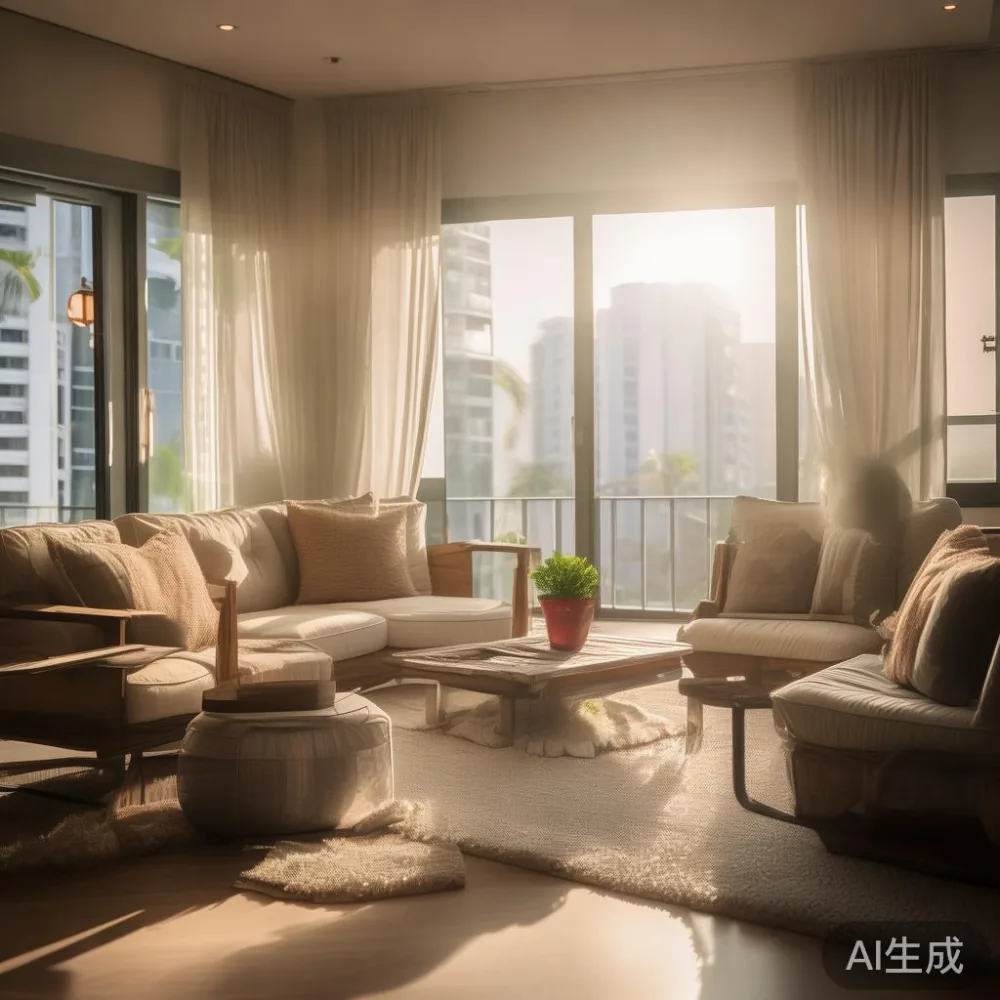
Outdoor furniture adds another layer: resistance to humidity, ultraviolet exposure, rain and daily use. A low-priced piece may use less suitable timber, thinner components or simpler protective finishes. A higher-priced piece may include more stable wood, reinforced joints and a longer outdoor service life. Here is a practical look at what actually moves the price, without confusing design language with construction quality.
Is timber species the biggest price driver?
Often, yes, but “solid wood” is only the starting point. Oak, ash, beech, walnut, teak and other species differ in availability, grain, hardness, movement and processing demands. A 180 cm dining table made from well-selected oak may cost SGD 1,850, while a similar walnut dining table may reach SGD 2,750. The walnut is not automatically better; its price reflects supply, yield, colour consistency and the labour required to select matching boards.
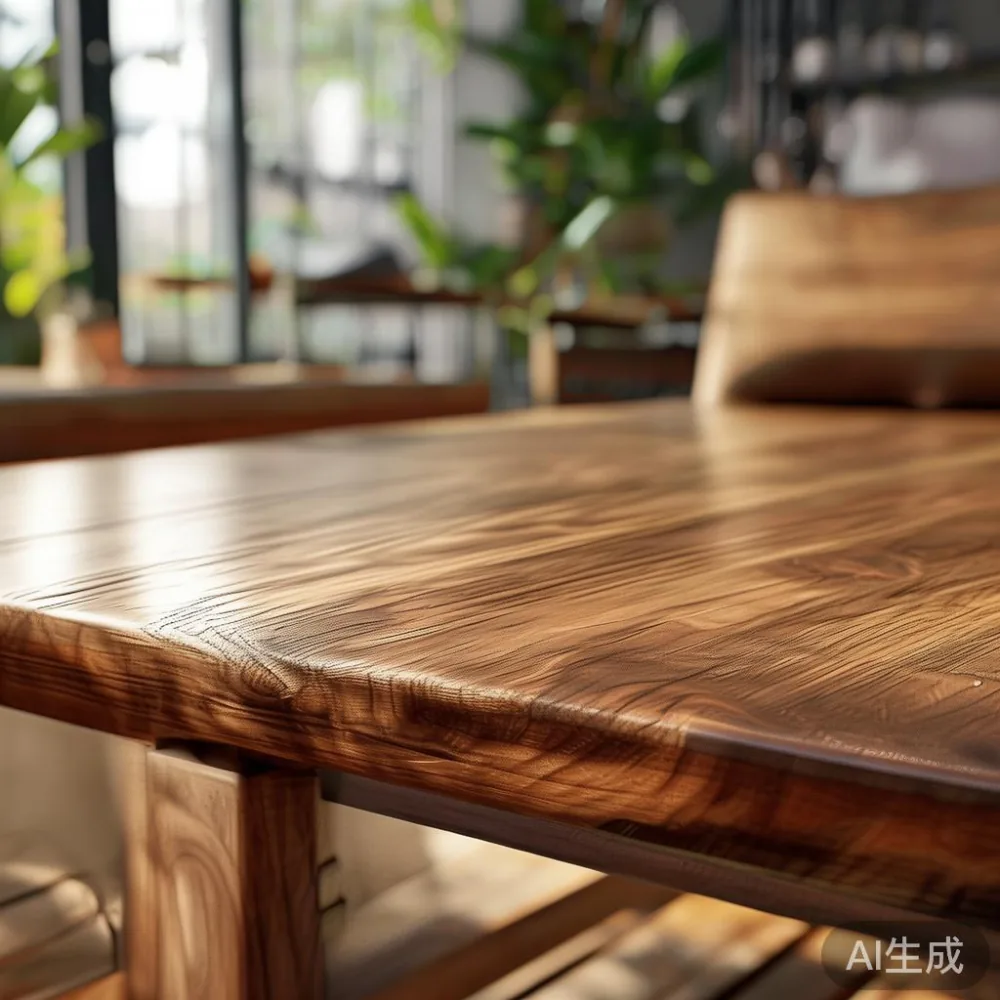
Teak occupies a different market because of its outdoor suitability and scarcity of good material. A 160 cm teak outdoor dining table may be quoted at SGD 1,480, while a 200 cm version with a thicker top may cost SGD 2,180. Buyer-grade teak can contain colour variation, whereas furniture-grade timber is selected for figure and defects. Solid wood furniture made with mixed boards may be priced lower, but exposed edges and joints should still show intentional construction rather than accidental mismatches.
Engineered wood is another consideration. A wardrobe using veneer-backed panels may be priced at SGD 980, while a comparable solid wood wardrobe using 18–20 mm components may cost SGD 1,620. The lower price can make sense for dry interiors, but the customer should know exactly where solid timber ends and panels begin. MIDHILL’s position is based on solid wood construction rather than hiding material differences behind a vague category name.
What do dimensions and timber thickness change?
Dimensions affect both material and labour. A dining table that is 160 × 90 cm and 72 cm high uses less timber than one measuring 220 × 100 cm and 76 cm high. Thickness also changes stability: a 30 mm top may weigh roughly 45–70 kg depending on its species and dimensions, whereas a 20 mm top may weigh about 30–50 kg. Shipping, handling and installation become more demanding as weight rises.
Local access deserves attention before a large order arrives. A new HDB lift may have a door width of 90 cm and a car depth of 140 cm, although older blocks and upgraded lifts vary. A corridor turn around 120 cm can make a long dining table difficult to manoeuvre even if it fits inside the lift. A 210 cm solid wood bed frame may need to be split into sections and assembled in the bedroom. The delivery fee may be modest, but extra labour, stair carry or hoisting should be agreed in advance.
Weight is not a reliable measure of quality. A poorly designed nightstand may use thick, heavy panels; a well-proportioned 45 × 40 × 50 cm unit may use thinner timber with stronger joints. Look for fasteners, corner blocks, grain direction and supported load paths rather than judging by mass alone.
How much do joinery and construction affect cost?
Joinery controls how long a piece remains stable under daily movement. Mortise-and-tenon joints, dowelled corners, dovetails and well-fitted screws each require different levels of accuracy. In a solid wood sofa frame, for example, a manufacturer may use hardwood rails, corner blocks and adjustable feet. Those parts are concealed, yet they determine whether the frame resists sagging after five years of use.
For a bed frame, the headboard, side rails, centre supports and slat spacing all matter. A queen bed may use 14–18 slats, with each support no more than about 35–40 cm apart, depending on the mattress. Fewer supports may reduce cost but can create a noticeable dip. A 10-year structural warranty can be useful only if the warranty scope, exclusions and original purchaser are clearly documented.
Drawers reveal labour more clearly than large flat panels. A solid wood wardrobe may include drawers with dovetail corners, solid bottoms and full-extension runners. The drawer fronts may carry a shaped edge, while the carcass remains straight and functional. A marble table presents a different issue: the stone slab, support structure, load distribution and fixing method must work together. A 120 cm marble table might cost SGD 1,650, while a matching outdoor furniture arrangement with coordinated chairs might cost SGD 2,290.
Why do finishes create such large price differences?
Finishing protects the wood and changes the final appearance. Outdoor furniture typically requires coatings that slow moisture uptake and withstand sunlight, but no finish should be described as maintenance-free. A teak table may use an oil-based treatment that needs refreshing every 12–18 months, depending on exposure. A dining table with a harder lacquer may offer easier daily wiping but can show scratches differently from natural oil.
Staining adds colour-matching and coverage steps. A smoked finish may make cheaper wood look richer, but the price should reflect the sanding, sealing and quality control rather than colour alone. Some suppliers include refinishing services, while others sell replacement care kits. MIDHILL offers lifetime refinishing, which can reduce the long-term cost of a well-made bed frame, dining table or wardrobe because worn surfaces can be renewed instead of discarded.
Finish quality should be tested on hidden areas and edges. Check for trapped moisture, blocked grain, inconsistent sheen and visible overspray. Also ask whether hardware is included. Outdoor pieces may use stainless-steel or coated fasteners to resist corrosion. Indoor pieces may use softer metal for concealed parts, where moisture exposure is limited.
Does design style really change the price?
Style influences labour and component choices, but a fashionable name should not be used as a substitute for a materials schedule. French light luxury often uses rounded profiles, pale upholstery, slender tapered legs and carefully controlled symmetry. A solid wood sofa with those features may cost SGD 2,980, compared with SGD 2,150 for a simpler straight-edged model. The difference may come from curved components, padding specifications, matching grain and more involved assembly.
American light luxury commonly combines generous proportions, natural timber and substantial-looking frames. A 220 cm solid wood bed frame in this style might cost SGD 1,780, while a post-modern light luxury dining table with mixed shapes and visible joinery might cost SGD 2,090. Designers and fabricators may charge more for complex geometry because templates, jigs and hand fitting take longer.
Searching for for sale Italian light luxury furniture can produce an unhelpful assumption that country of branding sets the price. In practical terms, origin labels do not reveal timber species, panel content or warranty coverage. A written specification is more useful than a country name. It should state board species, thickness, dimensions, drawer construction, finish type and expected lead time.
Compact Singapore homes also reward good proportion. A Coastal for small living room project might use a 150 cm solid wood sofa rather than a 210 cm one, leaving 60 cm or more beside it for circulation. A dining table measuring 140 × 80 cm can seat four people and fit more easily through an 85–90 cm doorway than a 180 cm model. Smaller does not always mean cheaper, but it can improve the usable value of a flat.
How do outdoor materials handle Singapore weather?
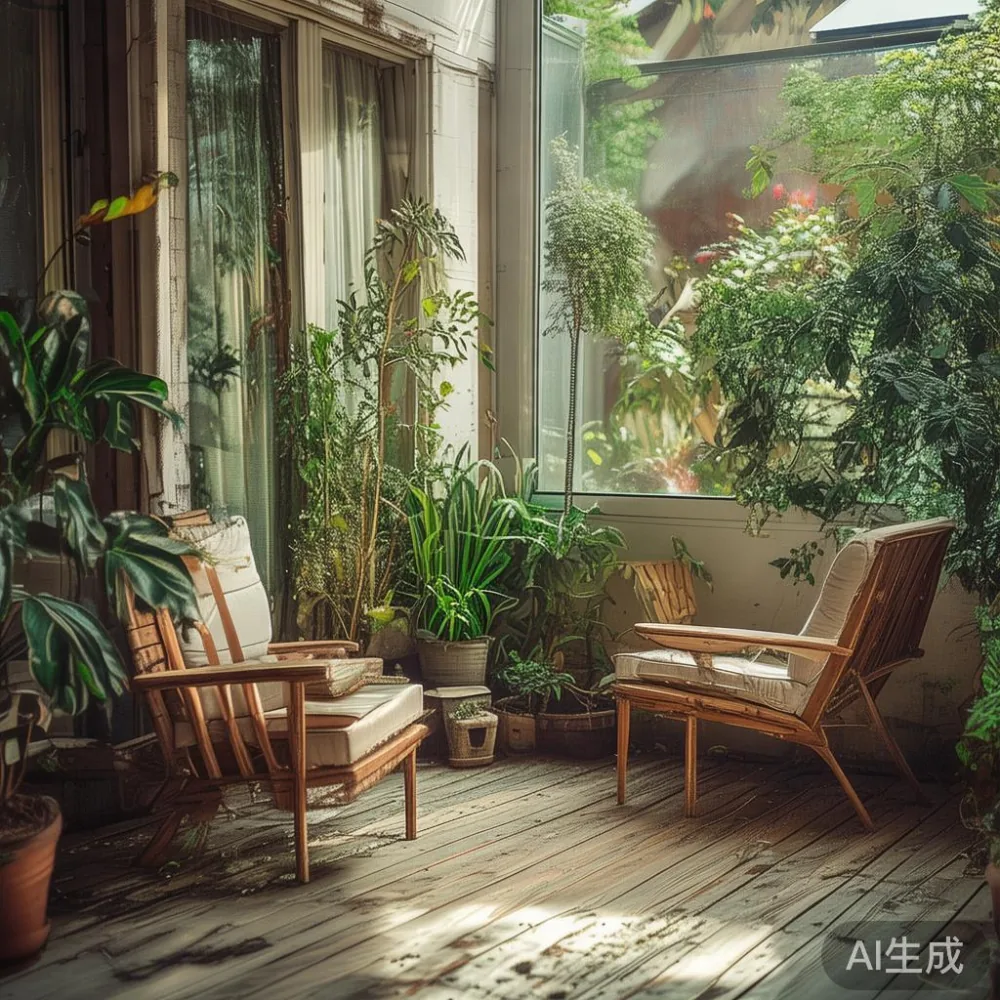
Singapore’s climate is demanding. Outdoor furniture may face 80–90% relative humidity, midday ultraviolet exposure and frequent rain, even when it is placed on a condo balcony. Teak is commonly selected because it handles seasonal moisture better than many interior timbers, but the species alone does not guarantee longevity. Drainage, spacing from walls, cleaning and timely refinishing all influence performance.
Metal and synthetic components may lower price, yet their finishes and connections still need scrutiny. A powder-coated chair may be lighter than a solid timber chair, which matters when moving pieces between a balcony and flat. A 45 kg solid wood outdoor chair is stable but awkward beside an HDB corridor. A 12 kg aluminium-framed chair may be easier to manage and may offer comparable use in a sheltered balcony if its coating remains intact.
Fabric choice requires the same care. Outdoor cushions should be removable, washable and supported by mesh or perforated panels so water does not remain trapped. An 18 cm seat cushion may feel generous initially but can dry slowly. A thinner 10 cm cushion may dry faster if the weave and fill are suitable. Always follow the care instructions, and avoid assuming that a solution-treated fabric makes the frame waterproof.
What should appear in a transparent furniture quotation?
A useful quotation should show more than one total. Ask for timber species, solid-wood component coverage, dimensions, thickness, finish, hardware, assembly, delivery and GST. For example, a SGD 1,260 dining table before GST becomes SGD 1,386 when 9% GST applies. A wardrobe at SGD 1,900 becomes SGD 2,071. These rounded figures help with household budgeting while making the tax treatment explicit.
Lead time should be stated in days or weeks. Custom pieces may require 35–50 days, while stocked models may be dispatched within 7–14 days. Delivery to an address outside Singapore’s main island may take another 3–7 days. Lift access should be confirmed: provide the lift door width, internal height, corridor width and turning dimensions. A supplier that ignores these facts risks a delivery that begins smoothly and ends at the staircase.
Policies also belong in the comparison. A 14-day return period offers time to inspect the dining table, bed frame or outdoor furniture under normal household conditions, subject to stated exclusions. A 10-year structural warranty suggests long-term support, but buyers should check whether moving, altering or commercial use affects coverage. Free shipping above US$350 is useful for export orders, although it should not be confused with guaranteed free delivery to every Singapore address.
Look for clear care instructions and realistic expectations. Solid wood moves with humidity, so small surface changes are normal. A dining table may need waxing or oiling every 12 months, while a busy restaurant entrance may need inspection every 3 months. Properly maintained outdoor furniture can remain serviceable for 15–20 years, but no responsible maker should promise that every outdoor piece will be trouble-free for that entire period.
How can Singapore buyers compare value without comparing only price?
Compare the specification and the aftercare. List the main dimensions, confirm whether every visible and structural part is solid wood, inspect sample joints, and compare the warranty with the expected use. For a solid wood sofa, test seat support and frame movement; for a wardrobe, open the drawers repeatedly; for a bed frame, check slat spacing and centre support. For outdoor furniture, inspect welds, coating continuity, drainage and the condition of removable cushions.
Measure the room before selecting the largest possible design. In a Tampies HDB living room with a 3.2 m usable wall, a 210 cm sofa plus 45 cm side clearance on both sides may crowd the space. A 170–180 cm sofa can preserve a more comfortable 70 cm passage. The same principle applies to dining areas: allow at least 75–90 cm behind each seated person where possible.
For mixed-material rooms, a Mid-century modern dressing table may use solid timber with a restrained drawer layout, while a marble table can provide contrast in the same compact home. Planning a Rustic for guest room means choosing a solid-looking bed frame or nightstand without filling the room with oversized furniture. If the brief includes how to style Japandi sofa in apartment layouts, reduce visual clutter, align low seating with pale timber and keep pathways clear. Guidance on how to style Japanese sofa in room arrangements should similarly focus on proportion, textile balance and daily comfort.
The final price is a bundle of material, time, precision, finish and service. A less expensive piece can be suitable when those elements are honestly matched to the job. A higher price is easier to justify when the timber, construction and warranty remain verifiable after delivery. That is the more useful basis for judging solid wood furniture—and for deciding whether outdoor furniture will remain comfortable, stable and visually compatible with a Singapore home for years rather than months.