Singapore Solid Wood Furniture Pricing Guide
Solid wood furniture looks simple until you compare two dining tables, two bed frames, or two wardrobes at similar dimensions. One appears inexpensive; the other costs several times more. The visible surface may look almost identical, yet the price difference can reflect wood species, moisture control, joinery, hardware, finishing, packaging, and warranty—not merely appearance.
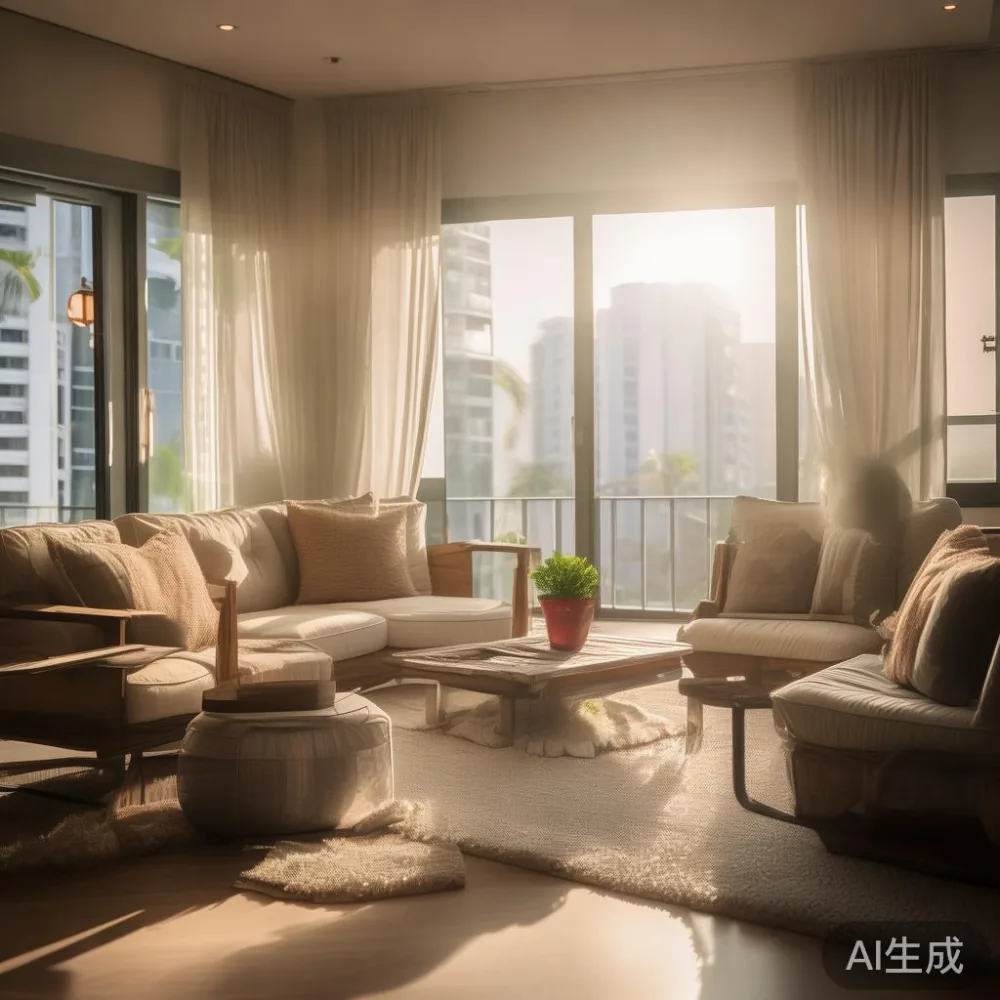
For Singapore households, those differences matter because HDB flats and condos impose practical limits. A Tampines lift may accept a compact package but not a full-length wardrobe door. A Bedok corridor may offer 105 cm of clearance while the household prefers a 90 cm route. A Punggol balcony may receive strong afternoon sun and humidity, making outdoor furniture specifications especially important. GST, delivery, and installation must also sit inside the real budget.
This guide explains what actually drives solid wood furniture pricing, using Singapore dimensions and costs. It also considers the language of French light luxury, American light luxury, and post-modern light luxury without confusing style with material quality.
What determines the price of solid wood furniture?
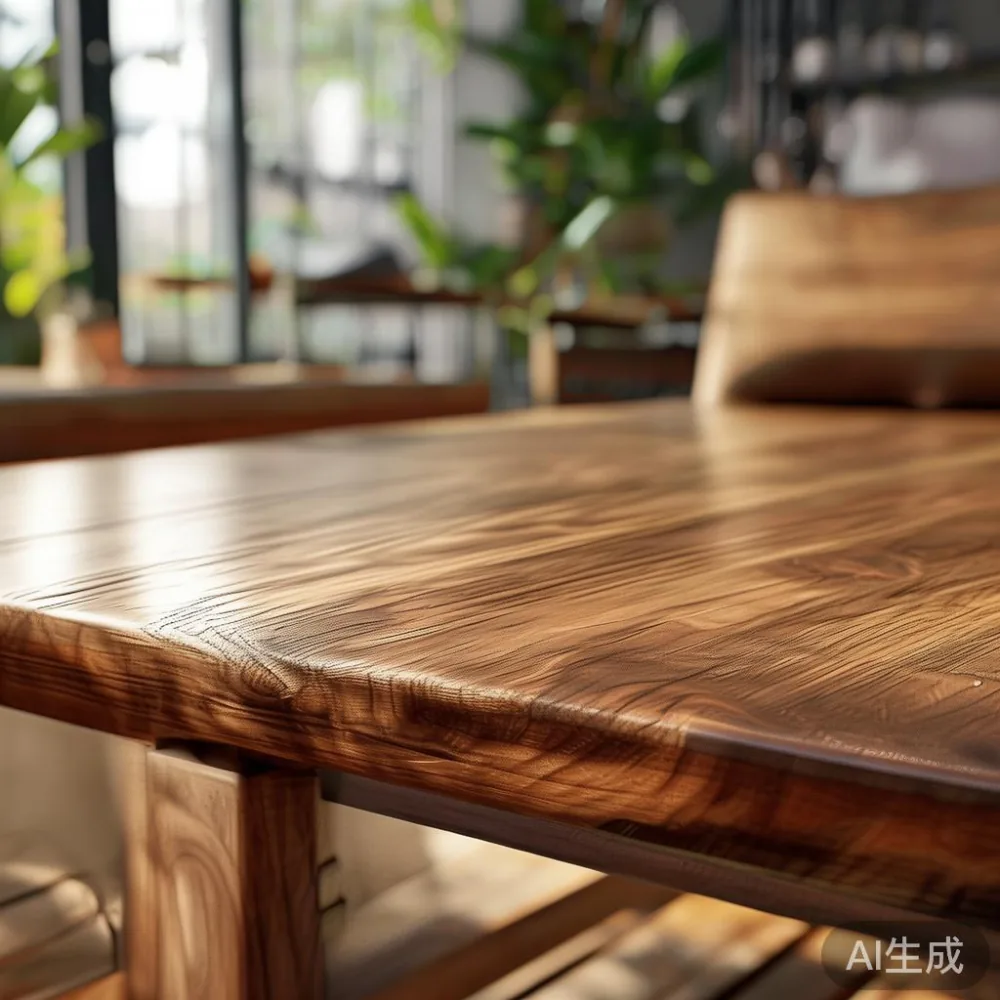
The starting point is usually the timber species and grade. Solid oak, solid ash, solid beech, teak, and rubberwood have different raw-material costs, working properties, and market availability. Grade also affects price because a board with fewer knots, tighter grain, and consistent colour requires more selective cutting. “Solid wood” describes the construction, but it does not automatically mean one species or one grade.
Thickness changes the bill because it changes the timber volume. Compare a dining table top made from 20 mm boards with one made from 30 mm boards: the latter needs about 50% more wood for the top before accounting for waste. A 180 cm table with a 20 mm top may use roughly 0.065 cubic metres of solid timber, while a 30 mm version may use around 0.097 cubic metres before machining losses.

Joinery is another price driver. Mortise-and-tenon joints, dowels, and solid-wood joinery demand more cutting and fitting than concealed particleboard or MDF alternatives. Dovetail drawers, shaped aprons, tapered legs, and hand-sanded edges add labour. CNC machining can repeat a profile accurately, while hand finishing can soften edges and improve the surface, but each method carries a different cost.
The dimensions must also be realistic. A bed frame marketed as “queen” should normally measure about 152 cm by 191 cm in Singapore, with the listed external dimensions confirmed. A wardrobe may need 180 cm of height but only 55 cm of depth for a compact bedroom. These measurements determine material, labour, and whether the item can pass through the lift.
How much do moisture, warping, and Singapore humidity affect price?
Moisture control is a major price driver in solid wood furniture. Wood naturally expands and contracts as humidity changes. A dining table, bed frame, wardrobe, or nightstand should be stabilised for the destination climate rather than made at an arbitrary moisture level. For Singapore interiors, furniture suppliers commonly target approximately 8% to 12% wood moisture content, depending on the species and intended environment.
Outdoor furniture adds another layer. A balcony in Tampines may face sun, rain, and wind; a sheltered loggia in Bedok may collect humidity without direct rainfall. Teak is often selected for outdoor use because it is durable and dimensionally stable, while coated ash or other suitable hardwoods may cost less but require more protection. Dense hardwood can also be heavier and more expensive to ship.
One first-person check made the difference clear. Last month, I visited a supplier and weighed two apparent dining table tops of similar size. One weighed 46 kg; the other weighed 61 kg. The heavier top used thicker boards, had tighter grain selection, and required more careful machining. The price was not simply a brand markup; the additional timber, precision, and handling explained much of the difference.
Quality control adds cost because a factory must inspect moisture, grain, joints, surface finish, and carton strength before dispatch. In a humid market, that discipline is worth comparing carefully. Ask whether kiln drying, wood acclimatisation, and outdoor-use sealants are included. A 10-year structural warranty can indicate confidence in the frame and joinery, but it should not be mistaken for a promise that timber will never move.
Do drawer slides, hinges, and hardware explain a higher solid wood wardrobe price?
Yes. Hardware is one of the clearest price differences between two otherwise similar products. A wardrobe with soft-close hinges, full-extension drawer runners, adjustable shelf supports, and reinforced hanging rails may cost materially more than one with basic hardware. The hardware must match the load. A solid wood wardrobe may hold heavier garments than an MDF cabinet, so stronger rails and correctly spaced supports become important.
For an apartment, drawer projection deserves attention. A nightstand with 40 cm-deep drawers can pull out through a 90 cm corridor, but two opposing drawers may collide if the cabinet is only 45 cm wide. Full-extension runners also require side clearance. The same point applies to a solid wood sofa: seat depth, arm width, and frame construction affect comfort and floor area, while the price may reflect hardwood rails, suspension, and upholstered components rather than “solid wood” alone.
Hardware should be described precisely. Look for the slide type, extension length, hinge function, load rating, and warranty. “Premium hardware” is less useful than “soft-close hinges with 3 mm adjustment” or “45 cm full-extension ball-bearing runners”. Those details let a buyer compare products on function instead of vague claims.
Marble is a separate material decision. A marble table may look polished and substantial, but its price depends on slab thickness, origin, pattern, edge treatment, reinforcement, and weight. A 120 cm round marble table with a 20 mm top can weigh 80–120 kg, depending on density and cut. That creates both a delivery issue and a furniture-design issue: the base must support the stone safely.
Why do finishes and surface treatments change the price?
Finish is not just a decorative layer. It protects the wood, affects colour, changes sheen, and influences maintenance. Water-based polyurethane, oil, wax, and hardwax oil each have different application processes. A 5-coat painted finish on a solid wood bed frame may require sanding, sealing, colour work, and multiple cure periods. A natural-oiled bed frame may use less film-forming material but need periodic care.
Outdoor furniture faces harsher conditions. UV exposure, standing water, salt deposits, and temperature changes can break down unsuitable coatings. A supplier may use an outdoor-rated penetrating oil, a film-forming coating, or a combination. Ask for the expected maintenance interval, permitted cleaning method, and recoating schedule. For example, a teak dining set may need cleaning every 3–6 months and a protective treatment every 6–12 months, depending on exposure.
Colour matching can also cost more. A dining table made from 3 or 4 boards may be selected so the grain runs continuously across the surface. That reduces waste and creates visual continuity, but restricts board selection. A nightstand with book-matched doors requires careful pairing and matching. A wardrobe with 6 matching panels needs enough suitable stock to avoid clashes in tone.
American light luxury often combines warm timber, restrained profiles, and tactile textiles. French light luxury may bring more ornament, curved edges, or decorative marquetry. Post-modern light luxury may use simpler geometry with an unexpected material contrast. None of these labels guarantees better construction; they are positioning cues, not a grading system.
Is delivery, GST, and access included in the quoted price?
The final Singapore bill can differ from the online product price. GST is 9% in Singapore, so a SGD 2,200 item becomes SGD 2,398 before delivery or installation. A supplier such as MIDHILL furniture may offer free shipping above US$350, but an international threshold does not automatically remove Singapore lift-access constraints, assembly, or GST effects.
Ask for an all-in landed quotation. A useful breakdown should state the product price, GST, delivery charge, lift handling, assembly, and any stair or corridor surcharge. For a local purchase in Singapore, delivery might add SGD 60–180 for a dining table, while a wardrobe delivered to a high floor without a service lift could add SGD 100–350 if extra handling is required.
Measure before ordering. Record the lift door width and height, the lift car dimensions, turning space, corridor width, and the actual doorway. Common HDB or condo lift doors are about 90 cm wide, although larger service lifts may allow 105–120 cm. A wardrobe 58 cm deep can pass through an 80 cm opening, but its carton, diagonal clearance, and route still matter. A 180 cm dining table can arrive in 3 sections rather than 1. Confirm the number of packages, total carton weight, and assembly time.
Delivery days should also be clear. A typical in-stock Singapore order may arrive in 5–10 working days, while a made-to-order piece may take 6–10 weeks. Solid wood furniture for an outdoor balcony may require specialised finishes or assembly that extends the schedule. The return window, warranty scope, and finish-care obligations should appear in the quotation, not remain hidden in a general policy.
How can you compare solid wood prices without comparing misleading products?
Compare the same dimensions, timber, construction, finish, and hardware. A SGD 1,280 dining table and a SGD 2,480 dining table are not meaningful alternatives if one is 140 cm wide with MDF and the other is 180 cm solid oak with solid-wood stretchers. Build a specification sheet with at least 10 lines: species, grade, dimensions, board thickness, joinery, finish, slide type, hinge type, total weight, warranty, delivery, and return period.
Weight can reveal some hidden differences, though it is not the only quality test. A 35 kg bed frame, 48 kg wardrobe, 32 kg dining table, and 18 kg nightstand each require different handling. A very heavy piece may use more timber, but it may also use inefficient construction or unnecessary metal. Ask for sectional design where needed: a 3-piece bed frame may weigh 58 kg but can be moved into a lift by 2 people in about 15 minutes.
Watch for substituted terms. “Engineered wood” does not mean solid wood. “Solid-wood frame” may describe only the main structure while shelves, backs, or drawer boxes use MDF. “Teak finish” may refer to a surface treatment rather than teak timber. Clear photographs of the underside, drawer interior, corner joint, and care label can prevent expensive surprises.
Style matters too, but it should sit after physical performance. A European light luxury sofa vs Italian light luxury sofa comparison often focuses on silhouette, upholstery, detailing, and brand context rather than timber. A solid wood sofa may combine a hardwood frame with fabric cushions, spring suspension, and foam. For a light luxury sofa vs Japandi sofa comparison, the frame and comfort can be similar while the profile, palette, and visual language differ.
What should you ask before spending SGD 1,000 or more on solid wood furniture?
Ask who supplies the timber, whether drying and acclimatisation are documented, and whether solid wood is used throughout the specified components. Request the finish formula or coating type, care intervals, and repair options. A lifetime refinishing service can be valuable, but confirm whether it applies to the purchased product, which surfaces qualify, and whether the customer pays transport or workshop charges.
Also check the small details. A dining table needs levelers suitable for uneven floors, properly spaced screws, and a stable apron-to-leg connection. A wardrobe needs anti-tip fittings, adjustable feet, and wall anchoring instructions. A nightstand needs cable clearance if it charges devices. An outdoor furniture set needs drainage between components, removable cushions, and fasteners that resist corrosion.
Design planning can prevent overspending. If you are considering how to style French wardrobe in apartment, measure the bedroom, wardrobe opening, and bedside clearance before choosing a large statement piece. For narrow HDB rooms, a 45–55 cm-deep wardrobe can provide 90–120 cm of hanging space per metre, depending on rail arrangement.
Budget comparisons can be misleading if they mix quality and price alone. Searching for cheap French provincial furniture may expose lower-cost pieces, but “provincial” describes a decorative style rather than wood grade or joinery. Similarly, Mid-century modern for office can guide the shape and finish of a desk, while its value still depends on stability, drawer strength, and surface durability.
How do you know if a higher price is justified?
A higher price is justified when it buys identifiable performance: better-selected timber, more accurate joinery, stronger hardware, controlled finishing, better packaging, and clearer after-sales support. It is not justified by a vague style label, a decorative veneer that imitates expensive grain, or a “solid wood” badge that covers only part of the carcass.
For Singapore conditions, local context matters more than showroom drama. The piece should suit the room’s measurements, humidity level, sunlight exposure, lift route, and cleaning routine. A wardrobe must open without hitting the bed. A dining table should have at least 90 cm around its occupied edges for chairs. A nightstand should sit within 50 cm of the bed edge for convenient reach. Outdoor furniture should be sized for the balcony rather than the catalogue photograph.
MIDHILL was established in 2008 and exports to more than 15 countries. Its 10-year structural warranty, lifetime refinishing, and 14-day return policy can reduce uncertainty, but buyers should still compare specifications and access requirements. A product with a clear warranty can be a safer choice than a lower-priced alternative with vague timber and finish claims.
The fairest way to read a solid wood furniture price is to separate the material from the making, the making from the delivery, and the style from the structure. Timber species, thickness, moisture treatment, joinery, hardware, finish, and logistics explain most differences. Once those factors are visible, the final SGD amount becomes easier to judge—and easier to maintain for the years you live with the piece.