The Art of Space: Choosing the Right Outdoor Furniture for Your Singapore HDB Living Room
Singapore's Housing and Development Board (HDB) flats are a study in efficient living. Every square centimetre is planned, from the 3-metre-wide corridors in Tampines to the compact layouts of newer developments in Punggol. This makes furnishing a living room a unique challenge—one of balancing style, comfort, and spatial awareness. For residents accustomed to working through narrow lift lobbies and maximising every corner, choosing furniture that fits without feeling cramped is a priority. The good news is that with careful planning, you can create a living space that is both functional and beautiful, even when working within the standard dimensions of an HDB living room.
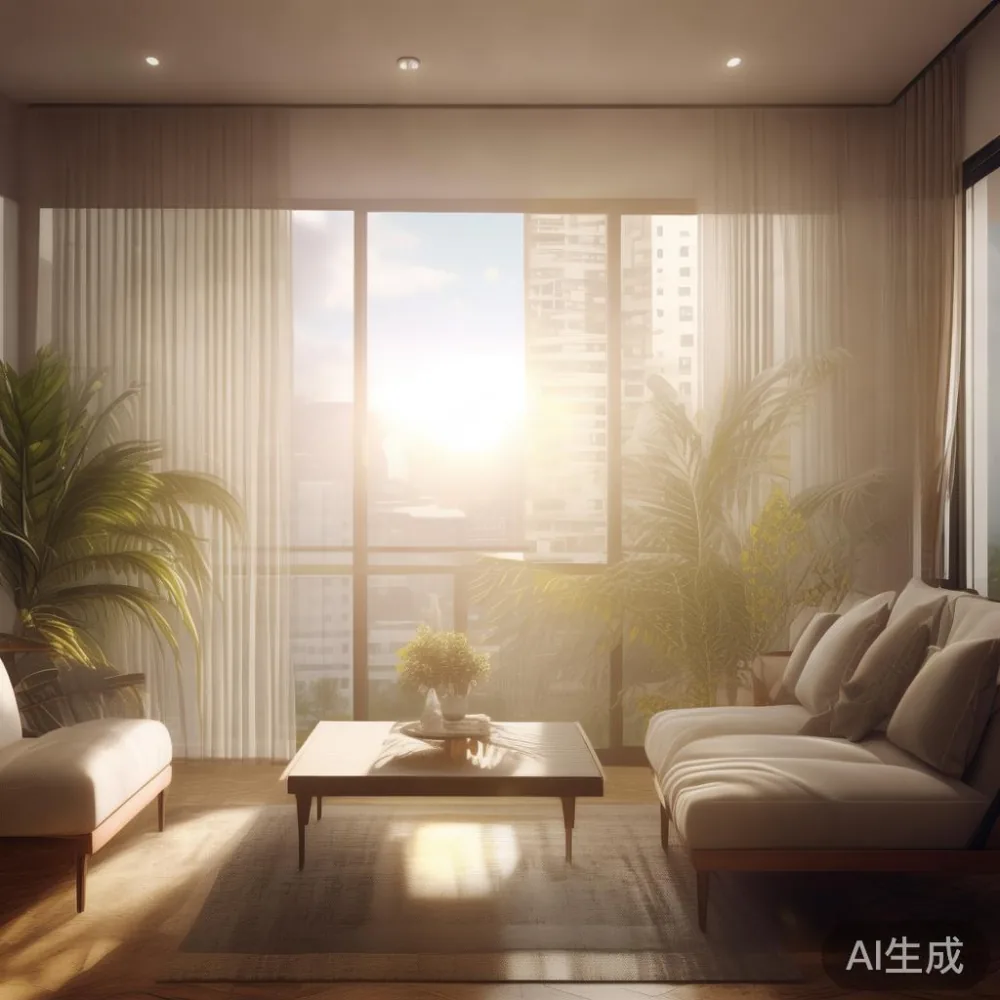
Understanding Your HDB Living Room Layout
A typical HDB living room in a 4-room or 5-room flat measures approximately 4.8 metres by 4.2 metres, giving you a primary floor area of about 20 square metres. This space often serves multiple purposes: it's a family gathering area, an entertainment hub, and sometimes a dining zone. The first step in choosing furniture is to measure this area accurately. Use a measuring tape to record the length and width of the room, and don't forget to account for permanent fixtures like the main door, which swings inward, and windows that might block furniture placement.
The flow of traffic is another critical consideration. In a Singaporean home, the corridor leading from the living room to the bedrooms and kitchen must remain clear. A standard corridor width is about 1.2 metres. You should aim to leave a clear path of at least 80 centimetres to allow two people to pass comfortably without squeezing. This means placing your sofa or other large pieces of furniture against a wall, rather than floating them in the middle of the room, which can obstruct movement and make the space feel smaller.
My colleague, who lives in a Bedok flat, recently had to rearrange his living room after buying a new solid wood sofa. He initially placed it perpendicular to the TV wall, thinking it would create a more intimate seating arrangement. However, he quickly found that it blocked the main walkway to his kitchen and made the room feel cluttered. After moving the sofa against the wall, he freed up nearly 1.5 metres of floor space, making the entire area feel significantly more open and functional. This simple repositioning highlighted how much impact furniture placement has on perceived space.
What Size Sofa Fits a Singapore Living Room?
The sofa is often the largest and most dominant piece of furniture in a living room, making its size a key decision. For a standard HDB living room, a 3-seater sofa is the most common and practical choice. A typical 3-seater sofa measures around 180 to 210 centimetres in length and 85 to 95 centimetres in depth. This provides ample seating for a family of four without overwhelming the room. If your living room is on the larger side, or if you frequently host guests, a 3-seater with a chaise lounge can be a good option, adding extra seating and a relaxed, lounge-like feel.
When considering a sofa, also think about its height and armrests. A lower-profile sofa, around 75-80 centimetres in height, can help maintain sight lines and make the ceiling feel higher. In contrast, a very tall, overstuffed sofa can visually dominate the room. The choice of sofa style also ties into the broader aesthetic. For instance, the clean lines and minimalist form of a European sofa vs Mid-century modern sofa can make a smaller room feel more spacious and uncluttered. The key is to find a balance that offers comfort without sacrificing floor space.
For those with a more specific design vision, understanding how to style Japanese sofa in apartment settings can be very helpful. A Japanese-inspired sofa, often low to the ground and featuring clean, simple forms, can be an excellent choice for compact living rooms. Its unobtrusive design creates an illusion of more space while adding a touch of serene, understated elegance. This approach aligns perfectly with the light-luxury philosophy, where quality and design take precedence over sheer size.
How to Choose the Right Coffee and Side Tables
Once your sofa is placed, the next logical step is to select the coffee table. The size and shape of your coffee table should be in direct proportion to your sofa. A good rule of thumb is to choose a coffee table that is about two-thirds the length of your sofa. For a 180 cm sofa, a 120 cm coffee table would be a proportional fit. The height should also be comfortable; a standard coffee table is around 45-50 cm high, allowing for easy access from a seated position.
Shape is equally important. A rectangular coffee table works well in most living rooms, but if you have a very compact space, a round or oval table can be a better choice. It eliminates sharp corners, making the room feel softer and safer, especially for homes with young children. A round table with a diameter of 90-100 cm provides a useful surface for drinks and remotes without taking up an excessive amount of floor space.
For side tables, the principle is similar. They should be tall enough to be easily reachable from the sofa, typically around 55-60 cm high. A narrow side table, about 40-50 cm wide, is ideal for tight spaces next to a sofa arm. If your living room layout allows, consider nesting tables. These smaller tables can be pushed together when needed and tucked away when not in use, offering flexibility without permanent commitment. This is a practical solution for Singaporean homes where adaptability is key.
Is a TV Console Necessary, and What Size Should It Be?
The placement of the television and its console is a central feature of most Singaporean living rooms. A well-chosen TV console can provide important storage for media equipment while contributing to the room's design. The size of the console should be determined by the size of your television and the wall space available. A common mistake is buying a console that is too small for the TV, which can look unbalanced, or too large, which can dominate the room.
A practical guideline is to ensure the console is at least 20-30 cm wider than the TV itself. This provides a balanced look and offers space for decorative items like plants or photo frames. The height of the console is also important; it should be at eye level when seated on the sofa to create a comfortable viewing experience. Typically, this means the console's surface should be around 50-60 cm from the floor.
The design of the TV console can also enhance the light-luxury feel of your home. A Modern light luxury TV console made from solid wood with elegant, clean lines can serve as a statement piece. For example, a console with a marble top or inlays adds a touch of sophistication and durability. It’s not just a functional piece; it’s an element of the room's design that ties everything together, offering both storage and style.
Creating a Dining Area Within the Living Room
In many HDB flats, especially those without a separate dining room, the living room doubles as a dining area. Integrating a dining table into this shared space requires careful planning to ensure it doesn't feel like an afterthought. The most common solution is to use a drop-leaf or extendable dining table. These tables can be kept small for everyday use and expanded to accommodate guests for special occasions.
A standard dining table for a family of four might measure around 140 cm by 80 cm when closed. This size fits comfortably against a wall or in a corner, leaving ample walking space. When extended, it can grow to 180-200 cm, seating 6-8 people. The key is to ensure that even when extended, there is still at least 80 cm of clearance around the table for chairs to be pulled out and people to move around.
The style of the dining table should complement the living room's aesthetic. For a cohesive look, consider a Modern light luxury for dining room approach. A solid wood dining table with a sleek, minimalist design can bridge the gap between the living and dining areas, creating a unified and elegant space. This approach ensures that the dining furniture feels like an intentional part of the living room's design, rather than a separate, mismatched element.
Storage Solutions That Don't Compromise on Style
In a space-constrained HDB flat, storage is non-negotiable. However, bulky wardrobes and cabinets can quickly eat up precious floor space. The solution is to think vertically and choose storage furniture that is both functional and aesthetically pleasing. A tall, narrow cabinet or a bookcase can provide significant storage without taking up much floor area.
For the living room, a credenza or a console with shelves or drawers can store items like books, remote controls, and board games, keeping the space tidy. If you need more extensive storage, consider a custom-built unit that spans an entire wall. This can be designed to fit perfectly into your room's dimensions and can incorporate elements like closed cabinets for clutter and open shelves for display.
Even smaller items like a nightstand can contribute to the storage strategy. While typically used in the bedroom, a stylish nightstand next to a reading chair can serve as a small side table with a drawer for storing magazines or other items. This demonstrates how versatile furniture can be when you think creatively about its use in your home.
Maintaining a Light-Luxury Aesthetic on a Budget
Achieving a light-luxury look in your HDB living room doesn't have to mean spending a fortune. The key is to focus on quality materials and timeless design rather than trendy, fast-furniture pieces. Investing in a few, well-made items like a solid wood sofa or a marble table can make a significant impact on the room's feel.
For example, instead of a plastic or laminate coffee table, a solid wood or marble-top version adds a sense of quality and permanence. Similarly, choosing a sofa with high-quality fabric or genuine leather upholstery will not only look better but will also last longer. This approach aligns with the light-luxury philosophy, where the focus is on craftsmanship and enduring style rather than conspicuous consumption.
When shopping, it's also worth considering the total cost of ownership. This includes delivery fees, which for many local brands can range from SGD 50 to SGD 150, and potential GST. However, some brands offer free shipping over a certain purchase amount, which can be a significant saving. For instance, a purchase of a solid wood dining table for SGD 1,800 might qualify for free shipping, saving you SGD 100 or more. It’s a detail that adds up when you are furnishing an entire home.
What About Outdoor Furniture for a Singaporean Home?
While the focus is on the indoor living room, many Singaporean homes also feature a balcony or a small outdoor area, which can be considered an extension of the living space. Choosing the right outdoor furniture for this area is just as important as selecting indoor pieces. The high humidity and occasional rain in Singapore mean that outdoor furniture must be durable and weather-resistant.
For a balcony, a compact set consisting of a small table and two or four chairs is ideal. A marble table is an excellent choice for outdoor use as it is resistant to heat and easy to clean. Pair it with comfortable, all-weather chairs made from materials like teak, rattan, or powder-coated metal. These materials can withstand the elements and require minimal maintenance, making them perfect for the Singaporean climate.
When selecting outdoor furniture, think about how it will complement your indoor style. A cohesive look can be achieved by choosing pieces with a similar design language. For example, if your living room features a French light luxury style with elegant curves and soft fabrics, you might opt for outdoor furniture with a similar aesthetic but made from more solid materials. This creates a smooth transition from your indoor living space to your outdoor retreat.