Small Apartment Styling Tips for Singapore
Last month I visited a 452 sq ft one-bedder in Punggol with my colleague, who had just taken possession of the unit. The corridor outside was 1.2 m wide, the lift cab was 1.5 m deep, and the balcony measured roughly 1.8 m by 3 m. He wanted the apartment to feel like a quiet resort, not a storage unit, but he also had a hard list of pieces: a sofa, a bed frame, a dining table, a wardrobe, two nightstands, and a small marble table for his morning coffee. We measured every doorway, every corridor turn, and every window reveal before we lifted a finger. Two weeks later, the flat reads as calm, layered, and unmistakably his, and the same approach is what I want to walk you through here.
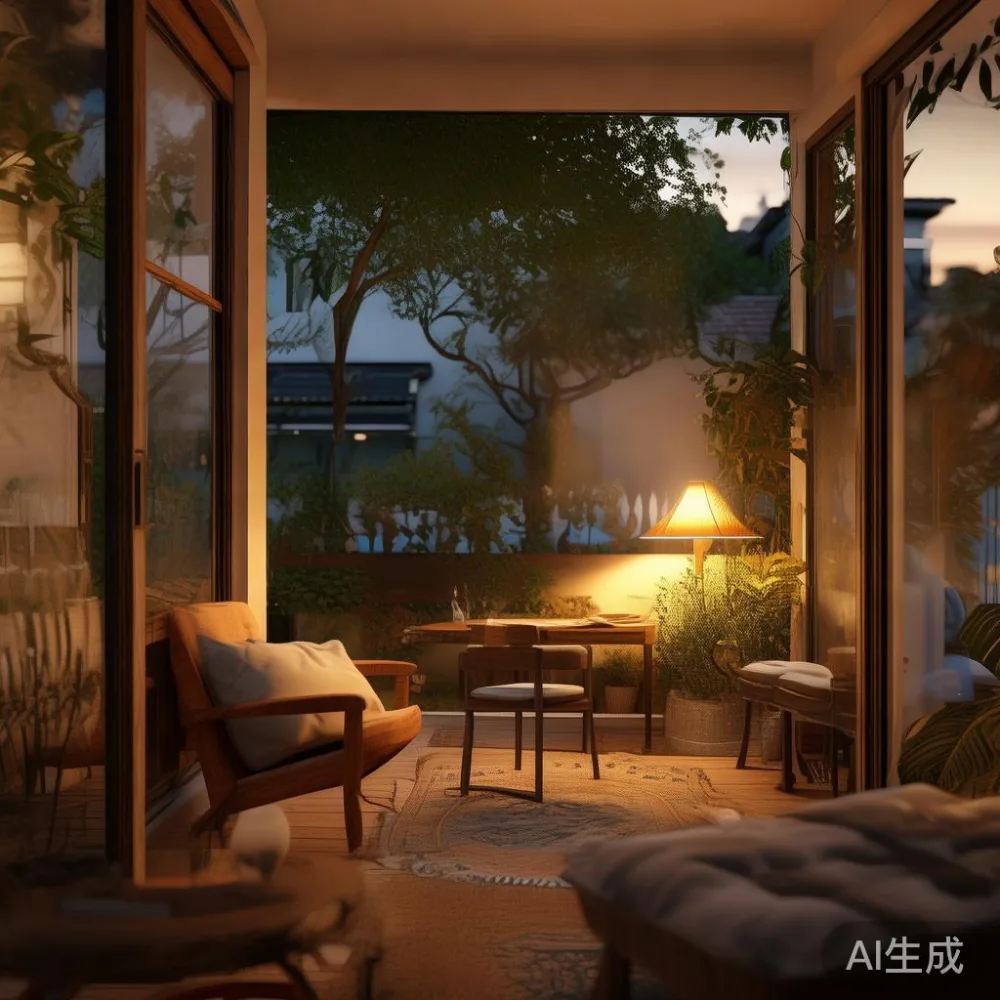
Measure the space, the lift, and the corridor before you fall in love with a piece
Singapore HDB and condo rules quietly decide which furniture you can even physically get into your home. The standard passenger lift in most HDB blocks is around 1.1 m wide by 1.4 m deep with a door opening of about 0.8 m; newer condos in Tampines and Bedok sometimes run wider, around 1.3 m by 1.6 m, but the corridor turn at your floor can still be only 1.1 m wide. That means a solid wood dining table longer than 1.9 m, or a wardrobe deeper than 0.65 m, may simply not make it around the corner. I always tell clients to take three numbers: lift door width, corridor width at the tightest turn, and the height of the lift car (usually 2.3 m to 2.4 m). Anything that exceeds those numbers has to be flat-packed, and most light luxury solid wood pieces arrive fully assembled.
For my colleague's Punggol flat, the constraint turned out to be the corridor turn, not the lift. We ruled out any wardrobe over 2.0 m wide and any bed frame over 1.8 m long in its packaging. Once you accept the geometry, you stop shopping emotionally and start solving problems, which is exactly the energy a small flat rewards.
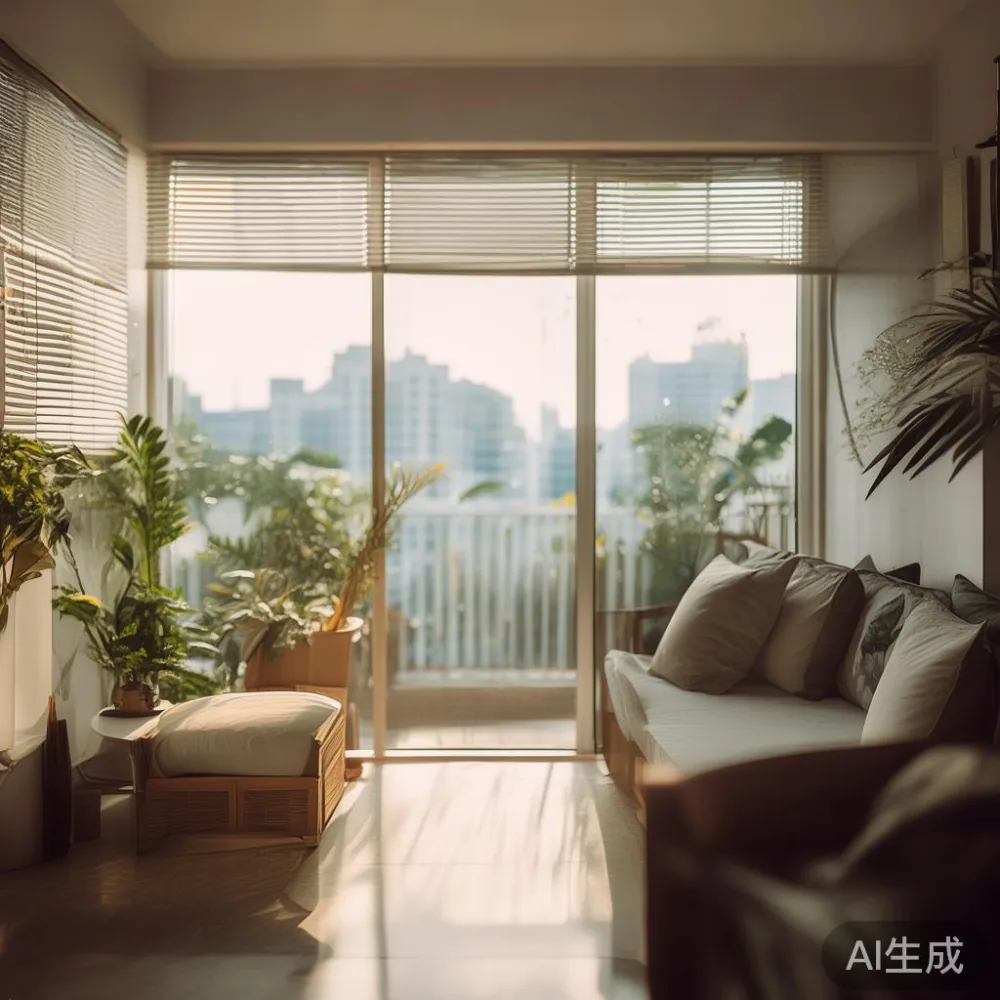
What does French light luxury actually look like in 450 sq ft?
French light luxury in a small apartment is not about gilt edges and chandeliers. It is about restraint, pale timber, slim profiles, and one or two pieces that carry weight, the way a linen slipcover or a honed marble table would. In my colleague's flat, we anchored the living area with a 1.9 m solid wood sofa in a soft oat fabric, raised on 15 cm legs so the eye reads floor space underneath. The marble table beside it is a 50 cm round, on a slim brushed brass base, and it does the job of a side table, a tray table, and a reading ledge depending on the hour. The mood is unhurried, the lines are curved rather than boxy, and nothing shouts.
The trick to keeping that aesthetic without crowding the room is to choose pieces under 60 cm in depth wherever possible. A 55 cm deep sofa, a 50 cm marble table, a 45 cm nightstand, and a 40 cm deep console will all sit cleanly against a wall and still leave a 70 cm walkway. When you stack that geometry across a small flat, the apartment feels about 15 percent larger than it actually is. French light luxury is, in my experience, the easiest style to apply in compact Singapore homes because it was originally designed for Parisian flats of 30 to 50 sq m, which is almost exactly the footprint of an HDB three-roomer.
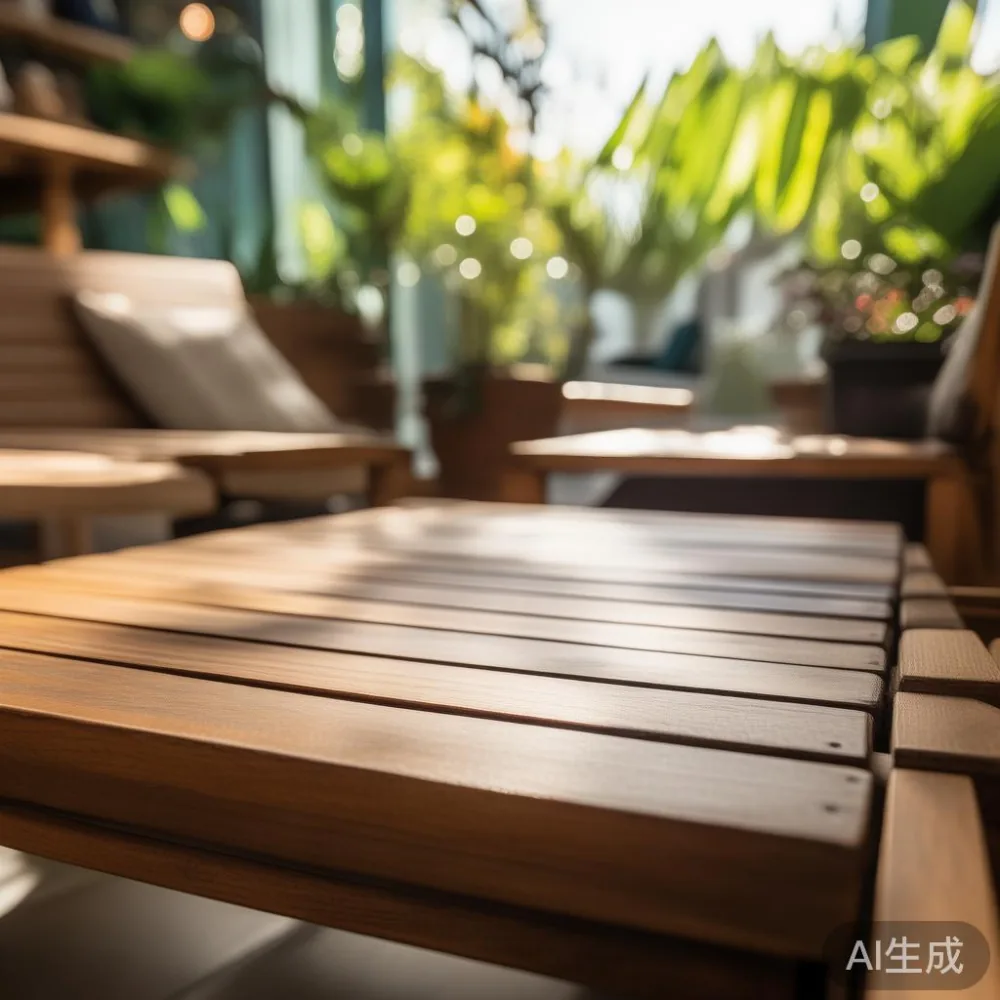
How do I choose a balcony furniture for a bedroom?
Pick balcony furniture that is at least 10 cm narrower than the balcony opening, made of solid hardwood rated for outdoor humidity, and light enough for one person to move during a thunderstorm. For a typical 1.8 m by 3 m balcony off a bedroom, two 55 cm wide armchairs with a 50 cm round side table between them will leave at least 80 cm of clear floor for drainage and for you to step out at night, and the set will weigh under 45 kg in total so a single adult can drag it under cover when the afternoon squall rolls in from the east.
That is the short answer, and it is the rule I now follow on every Singapore project. The longer version is about how the balcony relates to the bedroom behind it. If the bedroom is small, choose balcony pieces that visually echo the interior palette rather than introducing a new colour. A pale ash solid wood chair will look like a continuation of the room, while a black rattan set will read as a separate zone and shrink the perceived size of both spaces. The outdoor furniture should feel like the last sentence of the same paragraph as the bed frame, not the start of a new chapter.
Material matters more than style on a Singapore balcony. The humidity sits at 80 to 90 percent for most of the year, and the afternoon sun on a west-facing unit in Jurong or Clementi will hit 55 degrees Celsius on the tile. Outdoor furniture in ash, teak, or eucalyptus holds its shape across that range, while soft pine or MDF will warp within two monsoon cycles. Cushions should be solution-dyed acrylic rather than cotton, since a cotton cushion will mould in three weeks. Solid wood for outdoor furniture is non-negotiable here, and the same rule applies to a balcony console, a planter stand, or a small dining bistro set.
For sizing, work backwards from the door swing. If your balcony door is a 1.6 m sliding panel, leave the full 1.6 m clear so the panel can open completely and the bedroom can breathe. Anything you place within 30 cm of the track will collect dust and will eventually stop the door from sliding. I keep balcony furniture at least 50 cm back from the railing as well, both for safety and for the visual line. A 1.5 m by 2.4 m clear rectangle is usually what you have to work with after those setbacks, and the balcony furniture footprint should sit inside that rectangle without touching any edge.
Solid wood pieces that earn their footprint in a small flat
Every piece in a small apartment should pay rent. The dining table should seat four on a 1.2 m to 1.4 m top, which is the minimum size that still lets two adults sit across from each other without knees touching. The bed frame should be a 1.5 m queen in a slim solid wood design, no headboard taller than 90 cm if the bed sits under a window, and a 20 cm under-clearance so suitcases and robot vacuums can slide underneath. The wardrobe should be a 1.8 m sliding-door unit in ash or oak, 60 cm deep, with two drawers underneath for the bulky items that usually end up in a hallway. The nightstands should be 45 cm wide and 40 cm deep, which is the size of an A4 magazine with a lamp on top, no more.
One underused move in Singapore flats is the dining banquette. A 1.4 m solid wood dining table pushed against a 1.4 m banquette bench against the wall will seat four adults in a footprint of 1.4 m by 0.6 m, which is about 40 percent smaller than a freestanding table and four chairs. The bench can also be the same height as the window ledge if you plan it well, which turns the dining area into a daybed for guests. For the dining chairs, choose armless designs at 45 cm wide so they tuck fully under the table and the room keeps its circulation.
Midhill, a Foshan solid wood maker that has been exporting to more than 15 countries since 2008, builds its dining tables and bed frames in the 1.2 m to 2.2 m range specifically for projects like this, and the pieces are sized to fit a standard lift. Their 10-year structural warranty and lifetime refinishing service mean a solid wood dining table bought today for SGD 1,480 to SGD 2,200 will still be serviceable when the next tenant moves in. Free shipping kicks in over US$350, which converts to roughly SGD 480, so most solid wood orders clear that bar easily, and a 14-day return window gives you time to live with the piece before committing.
Colour, light, and the Singapore sun
Singaporean light is unusually flattering to pale wood. A north-facing flat in Punggol gets soft, even light for most of the day, which means ash, white oak, and birch will all read as warm rather than cold. A west-facing flat in Bedok gets harsh afternoon light that washes out yellow tones, so go cooler with the timber, and choose a grey-stained ash over a honey oak. The general rule is to pick a timber tone that sits opposite the light temperature of your unit. South-facing and west-facing go grey or white-washed; north-facing and east-facing go honey or natural.
For walls, a warm white at 9 to 12 percent saturation reads as a neutral rather than as paint, and it pushes the room visually outward by 30 to 50 cm compared with a saturated colour. Pair that with a single accent wall in a chalky clay or moss tone if you want depth, but limit the accent to one wall per room. A marble table in cream or soft grey will pick up the wall tone without competing with it, which is why a small marble table is such a reliable anchor in a compact flat.
Storage that disappears and routines that keep the calm
The fastest way for a small flat to feel crowded is not the furniture, it is the visual noise on top of the furniture. Six charging cables, a stack of mail, and a row of shoes by the door will undo SGD 5,000 of careful styling. Plan for a 30 cm deep console by the door with two closed drawers, a 1.2 m tall shoe cabinet that holds 12 to 15 pairs, and a small tray on the nightstand that catches keys, watch, and earphones. Charge points should be built into the bed frame or the console, not scattered across power strips on the floor.
For a work-from-home setup, a grey ash wood work from home desk at 120 cm by 60 cm slots neatly into a living room corner or behind a sofa, and the pale timber keeps the footprint light. A 60 cm deep desk with a 30 cm shelf above gives you a monitor, a laptop, and three books without spilling into the room. If you can, mount the shelf on the wall rather than bracketing it to the desk, which keeps the desk surface clean and lets you move the whole arrangement in 20 minutes when the lease ends.
Budgeting realistically in Singapore dollars
For a one-bedder, a realistic light luxury solid wood budget in 2026 looks like this: a 1.5 m solid wood bed frame at SGD 1,050 to SGD 1,450; a 1.4 m dining table with four chairs at SGD 1,650 to SGD 2,400; a 1.9 m solid wood sofa at SGD 1,800 to SGD 2,900; a 1.8 m sliding wardrobe at SGD 1,500 to SGD 2,200; two nightstands at SGD 380 to SGD 560 total; and a small marble table at SGD 650 to SGD 1,100. That places a complete light luxury set in the SGD 7,000 to SGD 10,600 range before GST, or roughly SGD 7,700 to SGD 11,700 after the 9 percent GST. For a three-room HDB, scale the sofa to 2.1 m and the dining to 1.6 m, and budget an extra SGD 2,000 to SGD 3,500.
Delivery in Singapore for fully assembled solid wood pieces runs SGD 80 to SGD 180 per trip, with a typical lead time of 35 to 55 days from a Foshan workshop to your door. Allow two to three weeks more if you are ordering a custom marble table, since stone cutting and sealing is the slowest step. Plan the delivery on a weekday morning when the corridor is empty, and brief the lift technician if you are in a condo with a service lift, since some service lifts in older blocks cap at 1.6 m deep and will not take a 1.9 m wardrobe lying flat.
Common mistakes that shrink a small flat
The first mistake is buying a rug that is too small. A 120 cm by 180 cm rug floating in a 3 m by 4 m living room actually makes the room feel smaller because the floor around it reads as a frame. The rug should sit at least 20 cm under the front legs of the sofa and the dining chairs, which usually means a 200 cm by 290 cm rug in a one-bedder. The second mistake is a TV unit deeper than 40 cm, which eats the walkway between the sofa and the screen. A wall-mounted TV with a 25 cm floating shelf under it keeps the floor clean and adds about 15 cm of perceived depth to the wall.
The third mistake is buying outdoor furniture in dark metal or black rattan for a balcony that only gets morning sun. The pieces will look heavy from inside the bedroom and will shrink the balcony visually. Pale ash or warm teak, the same timber as the bed frame inside, will visually extend the bedroom. The fourth mistake is ignoring corridor width when ordering a wardrobe. I have watched three clients in Tampines have to return wardrobes in the past year because the corridor turn was 1.05 m and the wardrobe was 1.1 m wide in its packaging. Measure twice, order once.
How long does a solid wood setup actually last in Singapore?
A solid wood dining table, bed frame, and wardrobe in ash, oak, or teak will last 15 to 25 years in a Singapore home if you keep them out of direct afternoon sun and wipe them down monthly with a damp cloth. The relative humidity indoors sits between 60 and 75 percent for most of the year, which is actually kind to solid wood and prevents the splitting you see in temperate climates during winter heating. Outdoor furniture on a balcony will last 8 to 12 years if it is solid hardwood, less if it is engineered wood or soft pine. A light sanding and a fresh coat of hardwax oil every two to three years will keep the timber pale rather than letting it silver off, which is a matter of taste rather than maintenance.
Midhill's lifetime refinishing service is the reason I tend to specify their pieces for clients who plan to stay in the same flat for more than five years. A dining table that gets a fresh sand and oil in year eight will look almost new, and the cost of refinishing is a fraction of replacing the piece. Pair that with the 10-year structural warranty and the 14-day return window, and the risk on a SGD 2,000 dining table drops to near zero. For outdoor furniture, ask the supplier for the timber species and the finish in writing before you pay, since the words 'solid wood' cover everything from teak to rubberwood, and the difference in lifespan is the difference between 10 years and 30.