Small Apartment Styling in Singapore Without the Crowded Look
Last month I visited a 68 sqm three-room flat in Tampines with my colleague, who had just signed the HDB key collection letter. She wanted a European calm — think French light luxury without the clutter — but she was stuck on a problem that almost every Singaporean couple faces: how do you style a small apartment without making it feel crowded? Her corridors were the standard 1.2 m wide, the lift from the service lobby measured only 1.4 m deep, and she had S$8,500 to spend across the living room, dining nook, and master bedroom. We spent an afternoon measuring doorways (her bedroom door was 80 cm, the bathroom 70 cm) and sketching a layout on her dining table. What follows is the playbook we built, with the concrete numbers that matter in Singapore HDBs and condos.
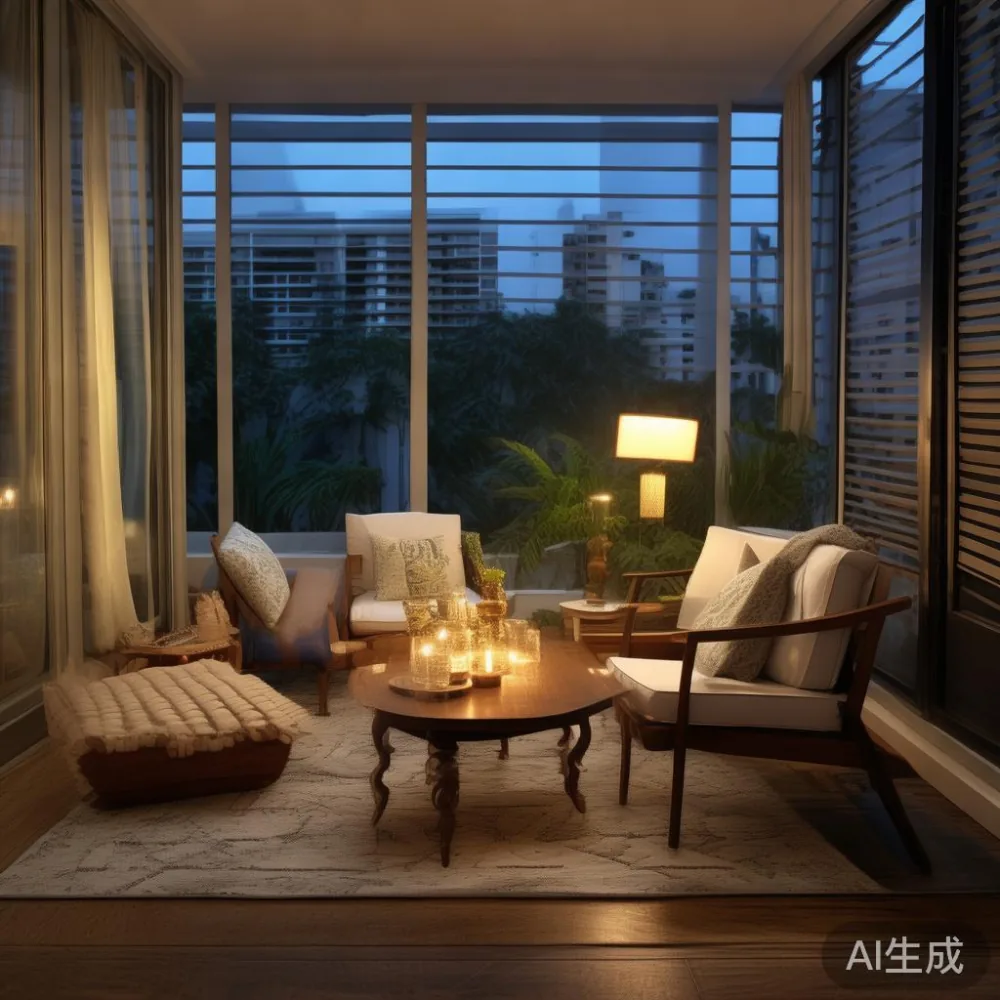
Why Singapore Small Apartments Feel Smaller Than They Are
Three numbers quietly ruin most small-apartment layouts in Singapore. The first is ceiling height — most HDB flats sit between 2.4 m and 2.6 m floor-to-ceiling, while new launches at Punggol and Bedok sometimes reach 2.8 m. The second is the corridor width between your front door and the living room: anything under 1.1 m forces a side-load refrigerator, a single-seat sofa, and a wardrobe that has to be assembled in the room rather than carried in whole. The third is the lift depth. A standard passenger lift in a 1990s-era Block 642 measures roughly 1.4 m deep by 1.1 m wide, which means a solid wood dining table longer than 1.4 m has to come flat-pack or be hoisted through a service window — and a service window usually costs S$120 to S$280 per piece, depending on the floor.
These constraints explain why so many small apartments in Tampines and Punggol end up looking crowded even when the floor area is generous. The fix is rarely "buy less." It is "buy pieces that read light, weigh heavy in quality, and arrive through your actual lift."
How do I choose a scandinavian furniture for a condo?
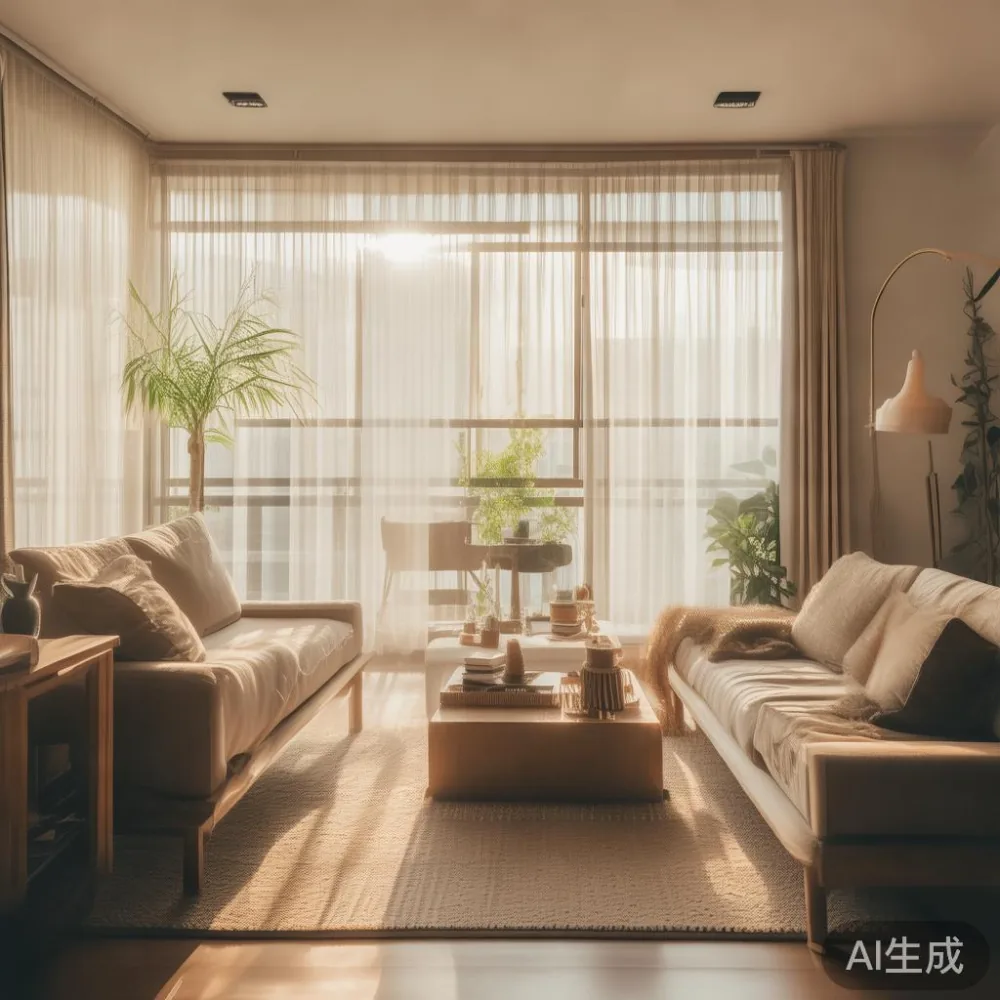
Pick pieces under 32 kg per item that disassemble into sections no heavier than 18 kg, so they fit a 1.1 m wide lift car and an 80 cm bedroom doorway — and prioritize solid oak, ash, or rubberwood over engineered cores for the load-bearing joints. Scandinavian furniture works in Singapore condos because it does three things at once: it stays pale, so the room reads larger under your downlights; it keeps lines low, so the 2.4 m ceiling feels taller; and it usually ships in flat-pack sections, which solves the lift problem entirely. When I helped my Tampines friend choose her pieces, this rule saved her roughly S$450 in potential service-lift fees on her bed frame and dining table alone.
For seating, look for a solid wood sofa frame in white oak or ash at 1.8 m to 2.1 m length, 88 cm to 92 cm depth, and seat height of 42 cm to 45 cm — that depth range lets a 180 cm tall adult cross their legs without the cushion pushing them forward. For dining, a four-seater at 120 cm by 70 cm seats four adults comfortably in a 2.4 m by 2.7 m nook. These are the same proportions you see in American light luxury catalogs, just trimmed for tighter floor plans.
The Living Room: One Anchor, Two Supports, Zero Clutter
A small apartment needs one anchor piece per zone. In the living room, that anchor is almost always the sofa, and the two supports are a coffee table and a single accent chair — not two chairs, not a console, not a bookshelf. My colleague's living room measured 3.2 m by 3.6 m. We placed a 2.0 m three-seater sofa against the 3.6 m wall, a 110 cm by 60 cm marble table 35 cm in front of it (coffee table height 38 cm is the sweet spot for that sofa seat height of 43 cm), and skipped the side tables entirely. The total furniture footprint came to 2.2 sqm, leaving 9.3 sqm of clear floor, which is what makes the room feel open.
The marble table is worth pausing on. Solid marble is heavy — a 110 cm by 60 cm top weighs 28 kg to 34 kg — but it photographs like a French light luxury piece and resists the humidity swings that warp engineered wood in Singapore. Ask your maker for a marble table with an MDF or plywood sub-top beneath the stone; the stone alone cracks in transit, and the sub-top absorbs the flex from your lift's uneven floor. Budget S$680 to S$1,150 for a 110 cm by 60 cm marble table with a solid ash base, delivered flat-pack.
If you want an outdoor extension — and in Singapore, a 6 sqm balcony counts as an outdoor room nine months of the year — keep the outdoor furniture in the same wood species as your indoor sofa frame so the eye reads one apartment. A two-seater outdoor bench in solid teak at 140 cm by 60 cm runs S$520 to S$780 and disappears visually against a HDB corridor view. The trick is to repeat the wood tone, not the form.
The Bedroom: A Bed Frame That Does Double Duty
Master bedrooms in Singapore three-room flats are usually 3.0 m by 3.4 m, and the wardrobe eats one full wall. We measured my colleague's wardrobe wall at 2.95 m, which is exactly the width of a two-door sliding wardrobe at 2.9 m with a 5 cm install tolerance. The bed frame went on the opposite wall, sized at a queen 152 cm by 188 cm, leaving 55 cm of walking space on each side. Any narrower and you are bumping your shin every time you make the bed.
A queen solid wood bed frame in oak or rubberwood weighs 38 kg to 52 kg fully assembled, which is too heavy for one person and too long for a 1.4 m lift car. Order it in three sections — headboard, side rails plus slats, footboard — each under 22 kg. MIDHILL ships this way as a default on their bed frames, which is why a 52 kg queen frame arrived at my colleague's 12th-floor flat in two cartons carried by one delivery helper, no service lift required. Their 10-year structural warranty covers the joinery, and lifetime refinishing means a scratch from a搬家 mover (the Chinese term Singapore movers use) can be sanded out in their workshop rather than replaced.
For the bedside, skip the matched pair of nightstands and pick one. A single 45 cm by 40 cm nightstand with two drawers costs S$220 to S$340 in solid rubberwood and reads more curated than a symmetrical set. Add a wall-mounted reading lamp above it and the missing second nightstand becomes invisible.
The Dining Nook: Four Seats, One Table, One Trick
A four-seater dining table at 120 cm by 70 cm seats four adults comfortably and weighs 22 kg to 28 kg in solid rubberwood, which is light enough for one person to carry into a lift alone. We placed it against the wall of my colleague's dining nook, then added a 160 cm bench on one side instead of two chairs. The bench seats three adults at 50 cm per person and slides completely under the table when not in use, freeing 0.6 sqm of floor in a 5 sqm nook.
The chairs matter. Black rubberwood dining chairs at 45 cm seat height match a 75 cm table top, which is the standard dining height. Black rubberwood is dense — about 640 kg per cubic meter — so a single chair weighs 4.2 kg to 4.8 kg, light enough for one helper to carry four at once up a HDB stairwell if the lift fails. The black finish hides the scuffs that Singapore's humidity and daily use will leave, and the grain pattern reads more expensive than painted MDF. Budget S$95 to S$140 per chair for solid rubberwood, and order four so the family can grow into them.
For the wardrobe opposite the dining nook, a 1.8 m three-door sliding wardrobe in solid rubberwood at 60 cm depth holds two adults' seasonal wardrobes and weighs 78 kg to 92 kg across two cartons. Make sure the depth is 60 cm, not 55 cm — the extra 5 cm is the difference between hanging a 110 cm dress flat and crushing the hem.
Outdoor Furniture That Doesn't Read as an Afterthought
Balconies in Punggol and Bedok condos run 5 sqm to 12 sqm, and treating them as outdoor furniture zones doubles your usable space in Singapore's climate. The mistake I see most often is buying outdoor furniture in a different wood tone from the indoor pieces, which makes the apartment feel like two unrelated rooms. Keep the species consistent — solid teak outdoors, solid teak indoors, or solid acacia both sides — and the apartment reads as one continuous space even with the balcony doors open.
A 140 cm by 70 cm outdoor dining table seats four and weighs 18 kg to 24 kg in solid acacia, light enough for two people to fold and store against the wall during a HDB corridor inspection. Pair it with two folding outdoor chairs at S$85 to S$130 each and one planter bench at 120 cm for S$260 to S$380, and your balcony becomes a second dining room at a total of roughly S$1,150. MIDHILL's outdoor furniture line ships in the same flat-pack format as their indoor pieces, so the same lift rules apply — under 1.4 m longest carton, under 25 kg per box, no service lift fees.
How Much Should a Small Apartment Setup Cost in Singapore in 2026?
Here is the actual budget my colleague in Tampines landed on, after we measured everything and priced each piece from one maker to keep the wood tone consistent:
- 2.0 m three-seater solid wood sofa frame with cushions: S$1,450 to S$2,100
- 110 cm by 60 cm marble table with ash base: S$820
- 120 cm by 70 cm rubberwood dining table: S$540
- Four black rubberwood dining chairs at S$115 each: S$460
- 160 cm rubberwood dining bench: S$280
- Queen 152 cm by 188 cm solid wood bed frame: S$780
- One 45 cm by 40 cm nightstand: S$240
- 1.8 m three-door sliding wardrobe: S$1,320
- 140 cm by 70 cm outdoor dining table: S$620
- Two folding outdoor chairs at S$110 each: S$220
Total: S$6,730, including GST at 9% and free delivery above their free shipping threshold. Shipping from a Foshan maker to a Singapore HDB door typically runs 18 to 28 days by sea, plus 5 to 7 days for HDB delivery scheduling, so order at least five weeks before you need the pieces assembled. The 14-day return window covers you if a piece arrives with visible transit damage, and a 10-year structural warranty covers the joints if anything loosens in the first decade.
Three Rules That Keep the Apartment Calm
Rule one: never buy a piece wider than your narrowest door or longer than your lift car. Measure the doorway, measure the lift, then shop. Rule two: keep the wood species consistent across the living room, bedroom, and outdoor furniture so the apartment reads as one space, even when the balcony doors are folded back. Rule three: one anchor piece per zone, two supports maximum, zero extras. My colleague's Tampines flat now has seven anchor pieces (sofa, bed frame, wardrobe, dining table, marble table, nightstand, outdoor table) and feels larger than her friend's identical floor plan two blocks away, which has twenty-three pieces and feels like a showroom.
The apartment is not a furniture catalog. It is a sequence of rooms that should breathe. Measure twice, order once, and keep the wood tone the same across indoor and outdoor pieces — that is the entire job.