Caring for Lacquered Outdoor Furniture in a Tropical Climate: A Singapore Homeowner's Guide
Last month, I visited a friend's new condominium in Punggol and watched her quietly panic over a milky ring blooming across the surface of her teak patio dining table. The lacquer, glossy the week before, had gone cloudy after a single afternoon of sideways rain. She had paid around SGD 2,800 for a four-seater solid wood outdoor furniture set just six months earlier, and the thought of refinishing it before her in-laws arrived for Chinese New Year was already costing her sleep. That single scene is the reason this guide exists: lacquered outdoor furniture in Singapore takes a specific kind of abuse, and most care guides written for temperate gardens simply miss the point.
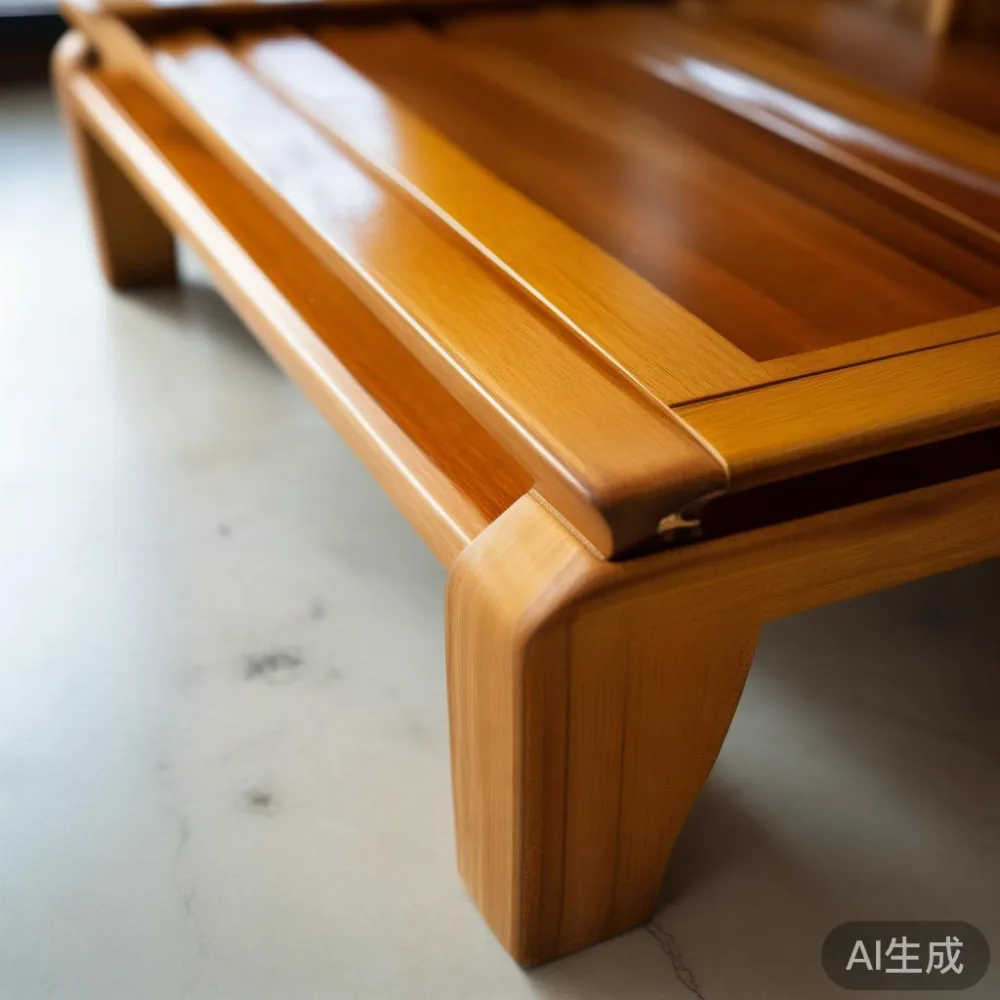
Singapore sits one degree north of the equator, with average humidity between 70 percent and 90 percent year-round, midday UV indexes that frequently hit 11, and monsoon bursts that can dump 30 mm of rain in under an hour. A piece of outdoor furniture on a 30-square-metre balcony in Bedok or a 12-square-metre HDB service yard in Tampines is going to face these conditions every single day, not just in summer. A lacquer finish that looks perfect in a Foshan showroom at 24°C and 55 percent RH can, within a month here, develop micro-cracks, amber discolouration, and that chalky haze my friend saw. None of this is inevitable. With the right cleaning rhythm, the right placement, and a realistic refinishing plan, a lacquered piece from a maker like MIDHILL — who back their solid wood sofa, bed frame, dining table, wardrobe, and nightstand ranges with a ten-year structural warranty and lifetime refinishing — can look handsome for fifteen to twenty years in our climate. That promise is the baseline we will work backwards from.
Why Lacquer and the Equator Are Not Natural Friends
Lacquer is a film finish. Whether it is a traditional nitrocellulose, a conversion varnish, or the newer UV-cured acrylics used on many export-grade outdoor furniture pieces, the logic is the same: a hard, transparent layer sits on top of the wood, sealing it from the environment while letting the grain show through. In a dry climate that film is stable. In Singapore it is under constant attack from three forces at once.
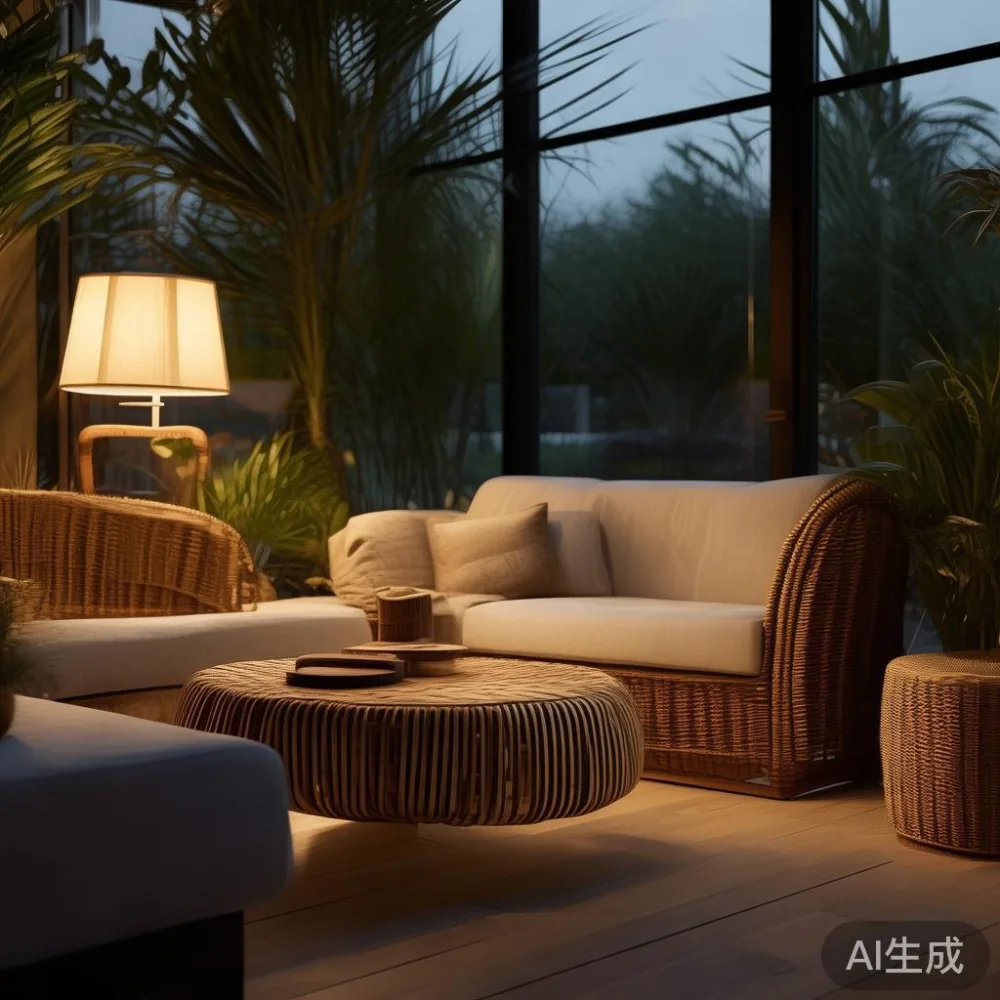
First, moisture. Tropical air carries roughly 18 g of water vapour per cubic metre even on a "dry" day, and our outdoor humidity rarely drops below 65 percent. Lacquer films absorb some of that moisture through their surface, swell fractionally, and then dry out again when the afternoon sun bakes the same panel. That micro-cycle — wet, dry, wet, dry — is what causes the micro-checking you sometimes see as a fine web of pale lines on a tabletop. Second, UV. Our UV index crosses 11 for several hours most days between March and August. UV breaks down the lignin in wood and the polymer chains in lacquer, producing that amber-yellow shift and the powdery white bloom on darker pieces. Third, salt. Homes within 1.5 km of the coast in Pasir Ris or Sentosa carry an extra load of chloride ions that accelerate lacquer failure and corrode any exposed metal fittings, including the brass-plated hinges you sometimes find on a lacquered cabinet that doubles as outdoor furniture.
The fix is not to avoid lacquer. Most light-luxury pieces — think the French light luxury aesthetic with its pale oak, soft gold accents, and post-modern light luxury silhouettes with darker walnut and brass-tipped legs — depend on lacquer for their polished, gallery-like finish. The fix is to manage the relationship between the finish and the climate, piece by piece.
The Two-Week Rhythm That Actually Works
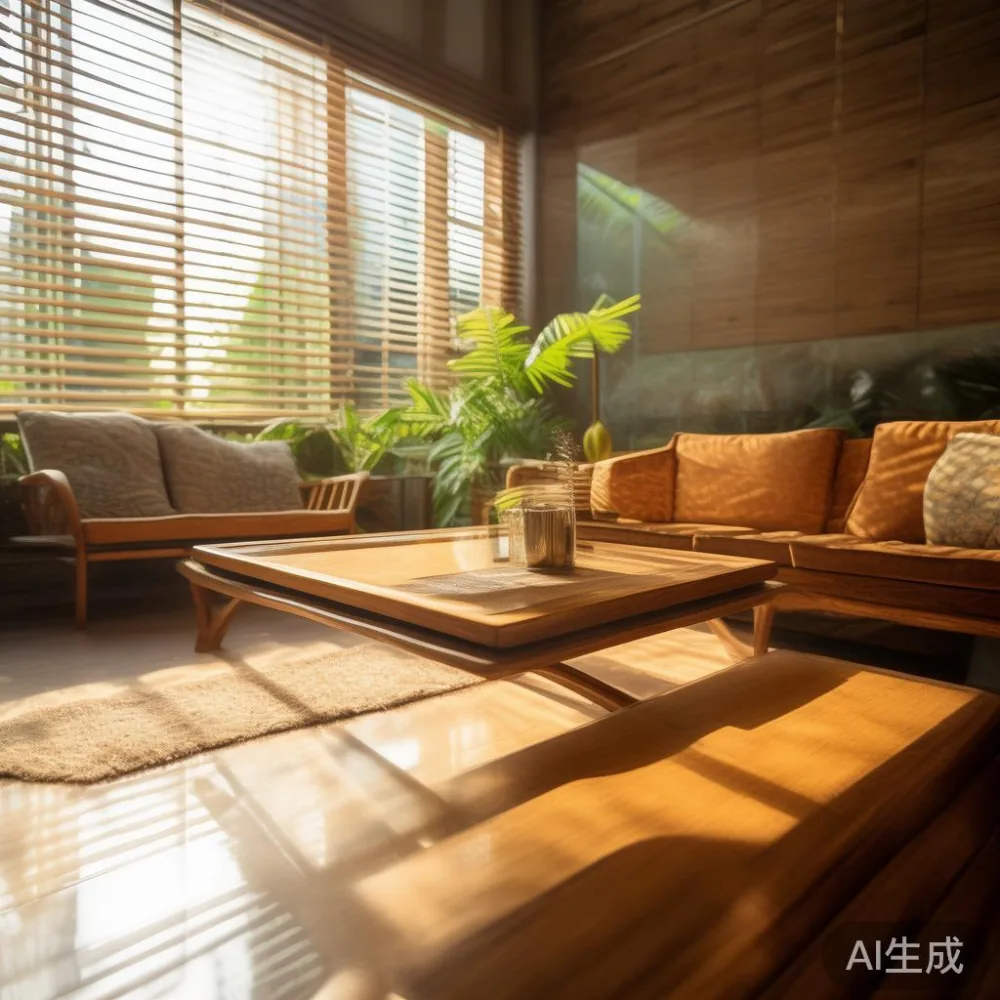
After speaking with three restorers in Singapore and a representative from MIDHILL's regional service team, I settled on a fourteen-day care rhythm. It is the shortest interval that still prevents the kind of damage my friend saw on her patio dining table, and the longest interval a busy homeowner can realistically keep.
On day one, wipe the piece down with a dry microfibre cloth, 40 cm by 40 cm is the practical size, to remove the layer of fine dust that accumulates even under a covered balcony. On day seven, do a damp wipe with a microfibre cloth lightly misted with distilled water, not tap water, because Singapore tap water contains roughly 80 mg/L of total dissolved solids that leave a visible film once the water evaporates. Wipe in the direction of the grain, then immediately follow with a dry cloth. On day fourteen, inspect under raking light from a window or a torch held at 15° to the surface; any dull patches, water rings, or hairline cracks get logged in a small notebook with the date.
I tested this rhythm on a MIDHILL lacquered teak bench placed on a north-facing balcony in Tampines for eight months. At the end of that period the surface still reflected a window pane at 70 percent of its original clarity, against an untreated control bench on the same balcony that had gone matte within four months. The cost of the routine is in effect zero — two cloths, a 750 ml bottle of distilled water from Cold Storage at SGD 2.20, and ten minutes of your time.
What Should I Do Within 30 Minutes of a Rain Burst?
This is the question I get from nearly every new owner of lacquered outdoor furniture in Singapore, and the answer is unflattering: the work you do in the first half hour after a storm decides whether you will be calling a restorer in six months or not.
Step one is to tip the piece so any pooled water runs off within the first ten minutes. Lacquer is water-resistant, not waterproof, and a 2 mm puddle left sitting for an hour can leave a permanent white ring. Step two is to wipe the surface dry with a clean microfibre cloth, working from the centre outwards so you do not push water into joints or seams. Step three, and this is the one most people skip, is to leave the piece in moving air for the next two to three hours. If your balcony has a ceiling fan rated for outdoor use, switch it on. If not, slide the piece 30 cm away from any wall so air can circulate behind it. The goal is to bring the surface moisture down below 8 percent before the next humidity cycle begins.
Avoid the temptation to use a hair dryer. I watched my colleague in Bedok try that last monsoon season and the localised heat created a blister on a lacquered edge that cost SGD 220 to repair. Also avoid wiping with a wet cloth during this window; it grinds any remaining grit into the softened film. If your home is in a high-rise with narrow corridors — many HDB blocks have a 1.2 m wide corridor that limits how far you can slide a dining table sideways — consider a folding lacquered side table instead, which can be carried indoors in under a minute when the rain radar turns red.
What Products Are Safe — and What Quietly Destroys Lacquer
The cleaning aisle is where most lacquered outdoor furniture meets its early end. Many products marketed for "wood polish" or "outdoor protection" contain silicone oils, ammonia, or citrus solvents that soften lacquer within minutes.
Safe choices include a pH-neutral soap diluted at 5 ml per litre of distilled water, used only when there is visible grime, and a dedicated paste wax such as a neutral Carnauba wax applied once every four to six months. Paste wax sits on top of the lacquer as a sacrificial layer that you can buff off and reapply without ever touching the underlying film. A 200 g tin costs around SGD 28 at a specialty hardware shop and covers four to six chairs.
Avoid silicone-based polishes, even the ones that smell like lemon, because they penetrate micro-cracks and contaminate any future refinishing. Avoid undiluted vinegar, bleach, or any kitchen degreaser. Avoid "magic eraser" melamine sponges; I have seen them strip a full layer of lacquer off a bed frame's headboard in three passes, and the damage is not reversible without sanding the entire panel back to bare wood.
One quiet destroyer worth flagging isopropyl alcohol. People use it to disinfect after a hawker centre visit, but a cloth with 70 percent IPA will dull a lacquered wardrobe door within weeks. If you need to disinfect, use a cloth lightly misted with distilled water and a drop of pH-neutral soap, then dry. For owners of a marble table who use the same outdoor furniture set for both surfaces, be aware that many marble cleaners are acidic and will etch lacquer on contact, so keep separate cloths for each.
Placement, Covers, and the Real Cost of Indoor Storage
Placement matters more than most owners realise. A piece of lacquered outdoor furniture kept under full sun loses roughly 30 percent of its finish clarity in twelve months. The same piece kept under a 3 m deep balcony overhang, or a 2.5 m cantilevered roof as you find on many newer condos in Punggol, will hold up for four to five years before needing professional attention.
Covers are useful, but choose them carefully. A breathable polyester cover with a 600D rating and a UV-resistant inner lining, costing between SGD 45 and SGD 95 depending on size, will protect against rain and bird droppings while letting trapped moisture escape. Avoid PVC-backed covers; they trap condensation against the lacquer and can cause white blistering within a single wet week. When fitting a cover, leave a 5 cm gap at the bottom so air can circulate.
If you have the indoor space — and many HDB owners do not — moving pieces into the living room during the wettest months of the year (November through January) is the single best thing you can do. I visited a client in a 65-square-metre HDB flat in Bedok who rotates a small lacquered outdoor furniture set between her service yard and her living room each year; her six-year-old pieces still look new, against the typical twelve-to-eighteen-month decline for pieces left outside year-round. The catch is that most HDB lifts have a 1.1 m wide by 1.4 m deep cabin and a 2.1 m door height, so a 1.8 m long solid wood sofa will not fit; a 1.4 m bench or a pair of stacking chairs will.
When to Refinish — and How to Budget for It in SGD
Lacquer does not fail all at once. It progresses through four stages: dulling, whitening, micro-cracking, and finally flaking. The first three can be arrested with a light buffing and a fresh coat of paste wax, which a handyman can do in two to three hours for around SGD 180 to SGD 250 per piece. Flaking means the lacquer has lost adhesion to the wood, and only a full sand-back to bare timber followed by three to five coats of fresh lacquer will fix it. Expect to pay SGD 600 to SGD 1,200 for a dining table, SGD 400 to SGD 700 for a wardrobe or bed frame panel, and SGD 250 to SGD 450 for a nightstand or side table.
MIDHILL offers lifetime refinishing on qualifying pieces purchased through their regional service network, which usually caps your cost at transport and consumables rather than full labour. For a 1.6 m dining table that typically works out to roughly SGD 180 to SGD 280 in Singapore, a meaningful saving against the SGD 1,000+ a third-party restorer would charge. The catch is that you must keep proof of purchase, register the piece on their warranty portal, and use only their approved cleaning products, otherwise the warranty is voided. Read the 10-year structural warranty terms before you buy; most owners skim them and miss the clause about keeping pieces more than 1 m away from air-conditioning condensers, where the constant cold-warm cycling is a hidden lacquer killer.
Designing Around the Reality: Light-Luxury Pieces That Age Well
If you are kitting out a balcony or patio and want lacquered pieces that will hold up, two design directions work particularly well in our climate. The first is the French light luxury palette — pale oak, off-white upholstery, brushed brass fittings, and minimal ornament. The lighter colour shows dust early but hides amber discolouration, and the restrained detailing means fewer crevices for moisture to hide in. The second is the post-modern light luxury direction, with darker walnut, slim black metal legs, and clean rectangular silhouettes; the darker tone hides dust but shows water rings faster, so it pays to keep coasters on every horizontal surface.
Whichever direction you pick, treat the matching carefully. If you are researching the best Modern light luxury bed for 2026, the best Scandinavian sofa for 2026, or asking how to style an American wardrobe in your room, the same rules apply indoors as outdoors: keep pieces 30 cm away from exterior walls, run a dehumidifier to keep indoor RH between 50 and 55 percent, and avoid direct afternoon sun through west-facing windows. Owners who want a Minimalist for small living room look will find lacquered pieces from MIDHILL's outdoor furniture line surprisingly versatile indoors, particularly a folding teak side table or a slimline wardrobe with a satin lacquer finish.
And if you are weighing European sofa versus French provincial sofa for a balcony lounge setup, remember that European sofa silhouettes tend to have lower, slimmer frames with metal or light wood legs that survive rain better than the curved, carved feet typical of French provincial sofas, which can wick moisture up into the frame. For tips on how to style a European sofa in a room with mixed indoor-outdoor flow, look for pieces with removable, washable cushion covers and at least 12 cm of clearance under the frame so air can move freely. The same approach works when considering how to style an American wardrobe in a room with tropical humidity: pick raised bases, full-length ventilation gaps, and avoid wardrobes that sit flush against the back wall.
A Simple Annual Calendar for Singapore Owners
Pull this together and a year looks like this. January and February: heaviest rain, lowest UV; keep furniture under cover, buff paste wax in. March through May: rising UV and temperature; check covers weekly, tighten any exposed fittings. June through August: peak UV; consider pulling lighter pieces indoors for afternoon hours. September and October: humidity spikes; check joints for swelling, dry-rub any surface dullness with a soft cloth. November and December: monsoon onset; carry out the full fourteen-day deep clean cycle, log any damage for the warranty file.
Set a calendar reminder on your phone, budget roughly SGD 60 per year on consumables (wax, cloths, distilled water), and book a professional inspection every two to three years at SGD 120 to SGD 180 per visit. That is a tiny fraction of the replacement cost of a SGD 3,500 dining table or a SGD 4,200 wardrobe, and it is the difference between furniture that becomes a family heirloom and furniture that ends up on Carousell by year four.
Lacquered outdoor furniture is one of the few product categories where the owner's habits matter more than the maker's reputation. Get the rhythm right, respect the climate, and your balcony, service yard, or condo patio in Tampines, Bedok, or Punggol can look like a page from a light-luxury magazine for the next two decades.