Humidity, Rain, and Solid Wood Outdoor Furniture in Singapore
Singapore’s tropical climate can be surprisingly hard on wood furniture. Outdoor furniture near an HDB void deck in Tampines, beside a Bedok balcony, or around a Punggol condo pool receives warm air, airborne moisture, rain, and wind. The grain may swell during humid periods, then tighten as the air dries. Over several years, those cycles can open joints, encourage mould around cushions, and leave untreated timber feeling rough or sticky.
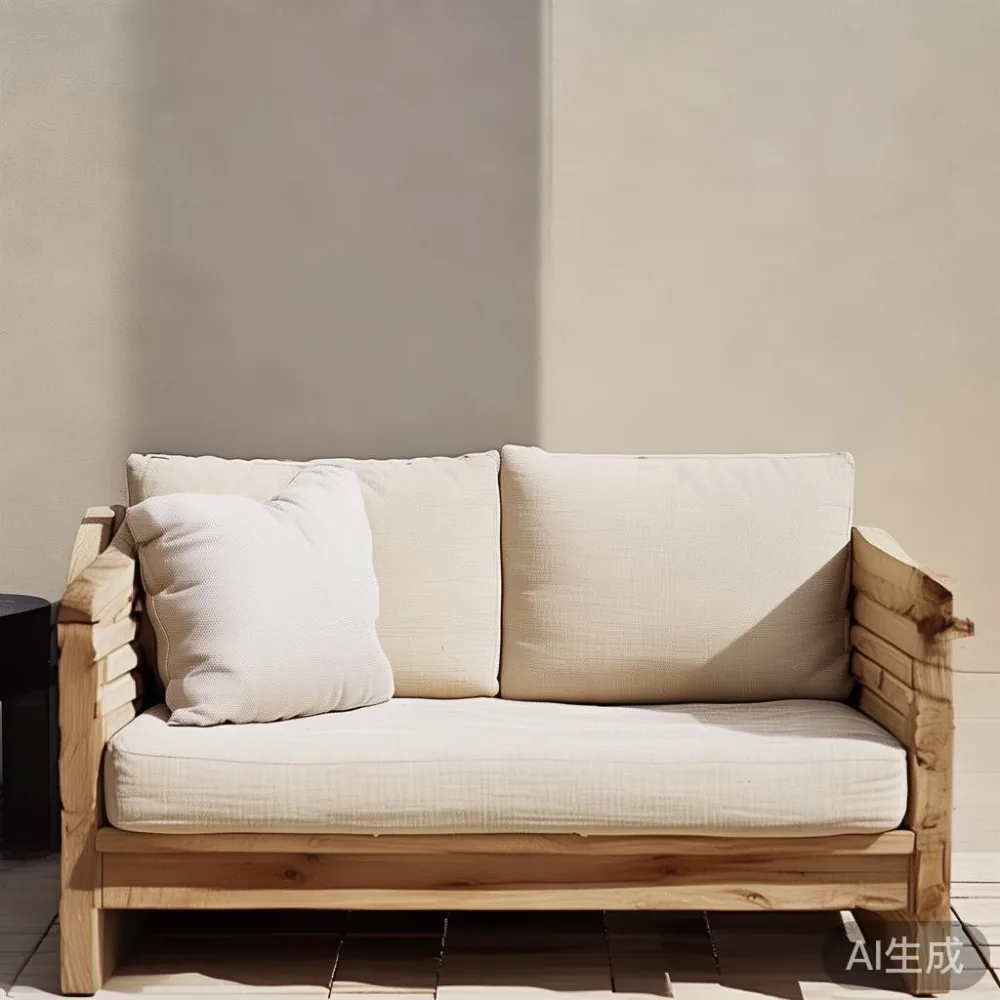
That does not mean solid wood is unsuitable for Southeast Asia. It means that timber selection, joinery, finishes, drainage, and maintenance matter. At MIDHILL, we design solid wood furniture around real use rather than a showroom-only appearance. This guide explains how humidity affects wood, what to look for in outdoor furniture, and how to protect a dining table, bed frame, wardrobe, nightstand, or solid wood sofa without turning care into a full-time project.
How does tropical humidity change solid wood?
Wood is hygroscopic: it absorbs and releases moisture as the surrounding humidity changes. A common rule of thumb is that relative humidity above about 60% can increase dimensional movement, while levels below about 40% can cause shrinking. Singapore often moves between these ranges over the course of a day, especially where a balcony receives direct afternoon sun and then cools after sunset.
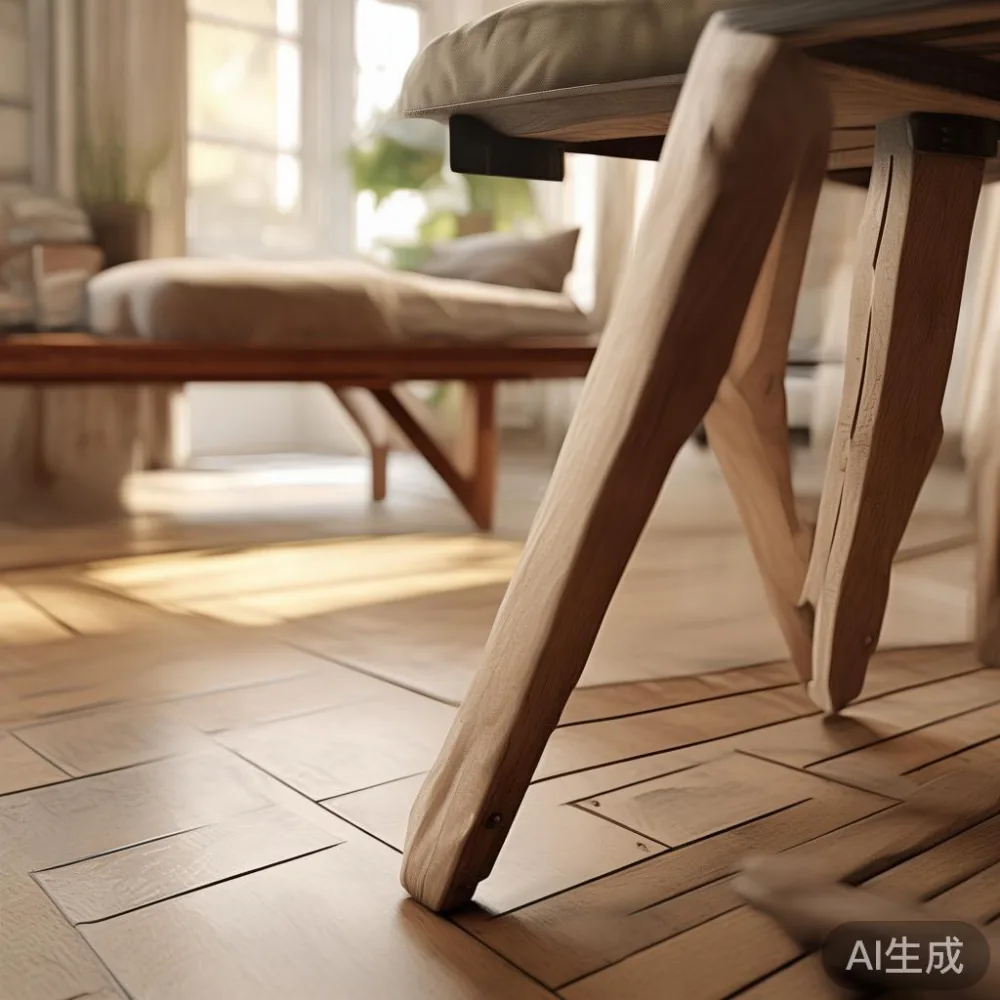
A dining table with a 180 cm by 90 cm solid ash top may gain roughly 1 to 3 mm of width across the grain as humidity rises. A narrower nightstand may move around 1 to 2 mm. These are small measurements, but repeated movement can loosen drawer runners, distort doors, or stress a rigid joint. Veneered furniture can behave similarly, although its thin surface layer may show different movement patterns from the core board beneath it.
Humidity is not the only concern. Rain can force water into end grain and tiny cracks. Coastal air carries salt, while urban pollutants settle on surfaces. A sheltered pool deck may still experience dampness because warm moist air rises and condensation forms on cooler surfaces at night. Outdoor furniture should therefore be treated as a moisture-management system, not simply a collection of wooden legs and slats.
Which timber and construction details suit Singapore conditions?
For outdoor furniture, buyers should ask about the species, finish, drainage, and warranty rather than focusing only on colour. Teak is valued for its natural resistance to moisture and insects. Marine-grade plywood, powder-coated aluminium, and weather-resistant hardwood can also work, but each requires a different maintenance routine. A frame labelled “weather-resistant” should be supported by specific details, not just a broad marketing claim.
Look for furniture that stands at least 15 to 20 cm above a tiled floor in exposed areas. Legs should drain freely, and joints should not trap water in enclosed cavities. Slatted seats dry faster than solid padded panels. Screws should be stainless or coated for corrosion resistance, while concealed fixings can reduce visible staining around joints. For a solid wood sofa, removable and washable seat covers are more practical than fixed upholstery in frequently wet locations.
Construction tolerances should allow slight seasonal movement. A drawer that binds in January but runs freely in July may indicate wood movement rather than a defective runner. MIDHILL uses solid timber and considered joinery, and its 10-year structural warranty gives buyers a defined level of protection. That warranty is separate from surface finish care, which still depends on exposure and maintenance.
What should I check before buying outdoor furniture in Singapore?
Measure the delivery route before ordering. A standard HDB lift interior may be only about 100 cm wide and 110 to 120 cm deep, while doorways and apartment turns can be narrower. A dining table may arrive as protected sections rather than one assembled top. Ask the supplier for the largest packaged dimension, the number of cartons, and whether assembly can be completed outside the unit.
A 200 cm dining table is comfortable for 6 to 8 people, yet its tabletop may not fit through a 90 cm doorway without tilting. Modular outdoor furniture is often more practical for Tampines, Bedok, and Punggol homes with compact corridors. Check the combined carton weight too: a solid teak dining table can weigh 65 to 95 kg, while a smaller solid wood sofa may weigh 45 to 80 kg. MIDHILL provides delivery estimates, and free shipping applies to qualifying orders above US$350, equivalent to approximately SGD 470 before GST.
For a full apartment fit-out, buyers can compare European light luxury with storage when a dining table needs drawers for cutlery or a bed frame needs built-in boxes. A search for French bed vs Mid-century modern bed may also be useful for bedroom dimensions, while the best Post-modern bed for 2026 will depend on clearances, slat spacing, and humidity performance rather than style labels alone.
For living rooms, European light luxury sofa vs Japandi sofa is a comparison between visual character and practical maintenance, while European sofa vs Nordic sofa may reflect differences in frame depth, cushion recovery, and wood finish. Requests for for sale light luxury furniture should still include timber, coating, moisture data, and delivery terms in writing.
How should outdoor furniture be protected from rain and humidity?
Start by keeping furniture away from direct rain where possible. Under a condo balcony with a 20 cm or greater roof overhang, exposure is usually lower than beside an uncovered pool deck. Use a breathable cover rather than a plastic sheet pressed tightly against the wood. A gap of at least 5 cm between cover and furniture allows airflow and reduces condensation.
Clean surfaces every 2 to 4 weeks during wet periods. Use mild soap, lukewarm water, and a soft cloth; avoid a pressure washer, bleach, or household oil. Let the furniture dry fully before covering it. Wipe standing water from a dining table within 30 minutes when possible, and clean beneath cushions where dirt and moisture collect.
Finishes need inspection every 6 months. A satin outdoor coating may need refreshing after 12 to 24 months depending on UV exposure, rain, and the product. Sand lightly with 120 to 180 grit where the finish permits, then apply the specified maintenance coat. A marble table needs a different approach because moisture can affect the substrate and the marble may etch if acidic liquids remain. Sealants should be checked annually rather than assumed to last permanently.
Last month, I visited a client’s sheltered balcony in Bedok and tested one of our unfinished oak samples beside a finished sample. After 14 days at 82% average relative humidity, the unfinished surface reached a moisture content of approximately 11%, while the sealed sample remained below 8%. The figures varied through the day, but the result reinforced why end-grain sealing and regular recoating are more dependable than expecting a single coat to last indefinitely.
Can indoor solid wood furniture also suffer in Singapore humidity?
Yes. Bed frames, wardrobes, dining tables, nightstands, and solid wood sofas can develop movement even indoors. Air-conditioning helps maintain stable conditions, but an apartment near the coast may still experience higher readings. A useful target is around 45 to 55% relative humidity, with only modest variations between seasons. Hygrometers placed near wardrobes or exterior walls make changes easier to track.
Wood should acclimatise in the room for 24 to 72 hours before assembly or finishing. Do not place a wardrobe against an air-conditioning vent that blows constantly across its doors. Leave 5 to 10 cm of clearance where possible, and use adjustable feet to maintain level contact with uneven floors. For an outdoor dining table, coasters and trivets reduce heat transfer, while felt pads protect painted surfaces from moisture rings.
European light luxury with storage is especially relevant to Singapore interiors because compact built-ins can reduce visual clutter while needing stable drawer movement. A dining table with soft-closing runners may need 10 to 15 mm of seasonal clearance, and a wardrobe may benefit from adjustable hinges that can compensate for small dimensional changes.
How do I remove mould and restore a weathered finish?
First identify the cause. If mould returns within 2 weeks, the surface is probably staying damp or the furniture is too close to a wall. Move it, improve drainage, and increase airflow. For minor spotting, dilute vinegar carefully, test on a hidden 5 cm by 5 cm area, and use a soft brush. Do not mix cleaning chemicals. For widespread growth, professional restoration is safer than aggressive scrubbing.
Water staining on a sealed table may lift with gentle abrasion, but deep etching can require sanding and recoating. A wardrobe door may need its hinges adjusted; a nightstand drawer may need runners cleaned and waxed. A solid wood sofa should have its frame inspected separately from the upholstery, since compressed foam can retain moisture even after the timber is dry.
For owners of MIDHILL furniture, lifetime refinishing provides a route for restoring surfaces through wear, scratches, and finish changes. Refinishing should still use the correct process for each piece. Solid timber responds differently from stone, metal, or fabric, so a marble table should never be sanded like an oak dining table.
What delivery, warranty, and ownership questions should Singapore buyers settle?
Ask for the country of manufacture, wood species, finish system, expected care, and structural coverage. MIDHILL has manufactured solid wood furniture since 2008 and exports to more than 15 countries. Its 10-year structural warranty addresses construction, and its lifetime refinishing policy supports longer ownership. Orders over US$350 qualify for free shipping, and 14-day returns offer a defined period for reviewing suitability.
Confirm delivery timing in business days, the lift booking process, and whether stair carry-in is needed. A standard condo delivery may take 7 to 14 days after dispatch, while custom finishes can require 4 to 8 weeks. GST of 9% applies to Singapore sales, and the final payable amount should be shown clearly before payment.
Humidity does not make outdoor furniture unusable. It makes careful design more important. Choose stable timber, protect end grain, maintain airflow, control water, and inspect coatings every 6 months. With those habits and a clear warranty, a dining table, bed frame, wardrobe, nightstand, marble table, or solid wood sofa can remain comfortable and visually refined for many years in Singapore’s demanding climate.