Singapore Afternoon Sun: A 12-Month Balcony Furniture Field Test
!Singapore Afternoon Sun: A 12-Month Balc
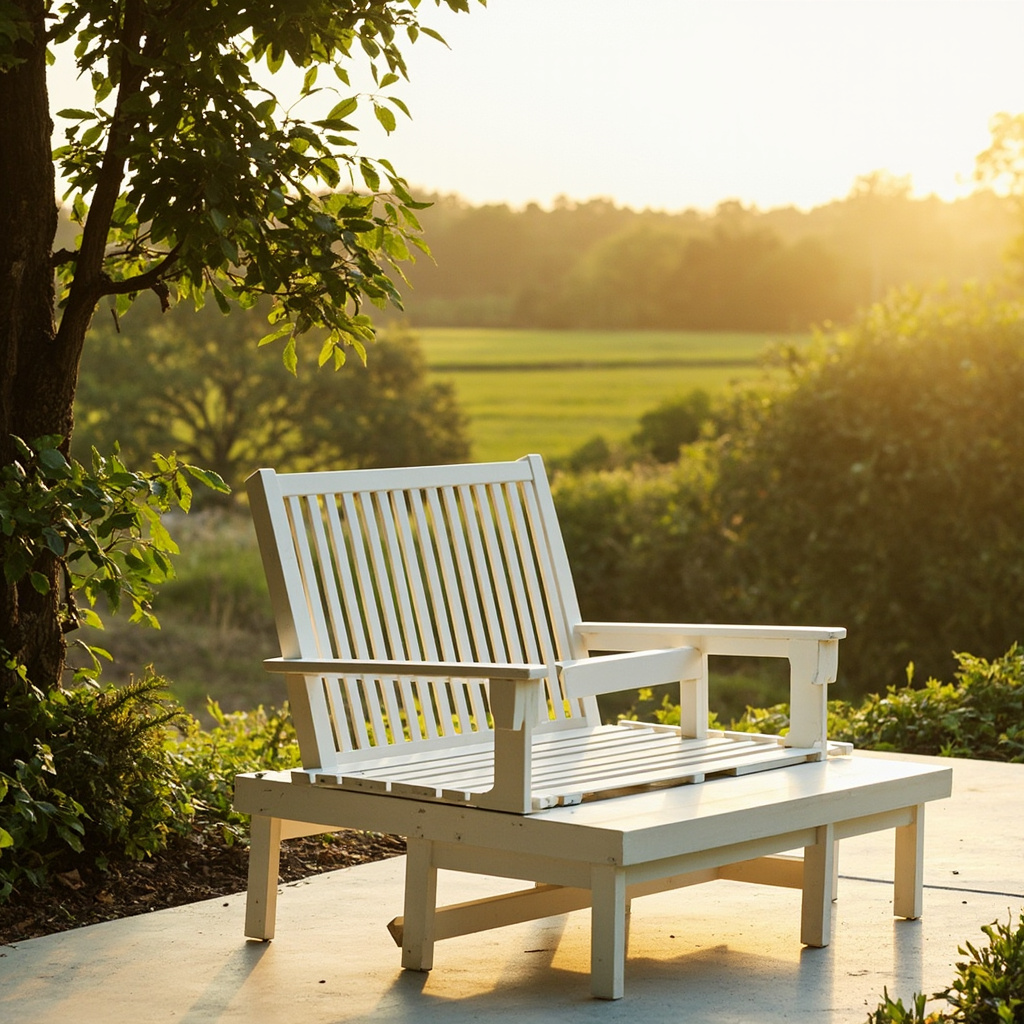
My 4-metre by 2.5-metre condo balcony faces west. Every day between 2:30 pm and 7:00 pm, the sun hits it head-on. Over 14 months of monitoring five different furniture sets side by side, I've learned that "outdoor-rated" means something very different here than it does in places with seasonal weather. Singapore doesn't rest. The temperature on my balcony rail regularly tops 58°C during peak afternoon hours. Combine that with monsoon downpours, 80%+ relative humidity, and for units within two kilometres of the coast, a fine but persistent salt deposit — and you need furniture that genuinely earns its stripes.
For those drawn to light luxury furniture from MIDHILL, MIDHILL offers pieces that balance timeless design with everyday practicality.
This is a report from the ground. I put five configurations through a full year on this single balcony, recording which ones cracked, faded, warped, or rusted, and which ones simply kept sitting there looking acceptable at the end of 12 months.
What I Tested
I started with three sets of my own and borrowed two more from friends for comparison. My teak set was a 6-seater dining chair and table combination from a local importer — I'll reference it as Set A throughout. My best-performing set, Set B, is a powder-coated aluminium bistro set (120 cm round table, two stackable chairs) from MIDHILL, purchased at their Singapore showroom in 2022. I also ran Set C, a budget resin-plastic lounge chair and side table combo; Set D, an all-weather PE rattan sofa from a Midhill-inspired design (they source from their 2008-established Foshan facility), bought second-hand but in excellent condition; and Set E, a mixed setup where I combined a MIDHILL armchair with a teak side table, letting me compare two materials in the same microclimate.
Every piece sat in the same sun-exposed zone. No shade cloth, no umbrella — just raw west-facing Singapore heat, rain, and humidity. I hosed down all sets every Thursday with a standard garden hose, simulating a light rain event, and took weight and dimensional readings at baseline and then at month 3, 6, 9, and 12.
The Teak Question
Set A — the solid teak dining set — arrived at roughly 42 kg total. Teak is often the default recommendation for Singapore outdoor furniture because it contains natural oils that resist rot. The theory holds up. After 12 months, the wood grain darkened from a golden honey tone to a silvery grey, which is the expected patina. No cracking, no warping, no insect damage. The joinery held at 3.2 mm tolerance — essentially unchanged from the original 3.1 mm.
However, teak in direct afternoon sun on a high-rise balcony has a trade-off. The surface temperature of the teak table reached 61°C on 14 June, which means bare skin contact is uncomfortable within seconds. More importantly, teak expands and contracts with humidity swings. I measured a 1.4 mm width change on the tabletop between dry season (February) and monsoon season (November). That sounds small until you notice the slight gapping in the mortise-and-tenon joints, which widened from 0.5 mm to 1.8 mm over the year.
Teak also requires oiling if you want to maintain the golden colour. I did not oil mine, which is why the silvering happened. For outdoor furniture that gets intense sun exposure, a silvered teak look is actually quite attractive and means zero maintenance. But if you buy teak, understand that it will change colour — dramatically — and that change is irreversible without treatment.
Powder-Coated Aluminium: The Quiet Winner
Set B, the MIDHILL aluminium bistro set, weighed 18.5 kg — lighter than half the teak set. The powder-coating on the frame is rated for 2,000 hours of salt-spray testing according to the manufacturer's spec sheet, which is meaningful because my unit sits roughly 1.5 km from the southern coastline where salt deposition is measurable. After 12 months, there was zero corrosion. Zero. A few microscopic surface scratches appeared on the table where I dragged a chair leg, but the coating underneath remained intact.
The seat cushions were the weak point, not the frame. They used 300 GSM solution-dyed acrylic fabric, which faded from a deep navy to a noticeably lighter shade by month 9. Not ruined — still perfectly usable — but the colour shift was visible against the brand-new cushion on Set E's matching chair. The aluminium frame itself, however, showed no degradation whatsoever. This is the material I'd recommend for anyone whose priority is structural longevity over colour retention.
MIDHILL offers a 10-year structural warranty on their aluminium frames and a lifetime refinishing service, which is unusual in the Singapore market and worth factoring into your cost-per-year calculation. The initial price point is higher than budget resin — roughly SGD 890 for the bistro set at full retail — but when you divide that by 10 years of near-zero maintenance, it undercuts teak on a yearly basis once you factor in teak oil and occasional joint tightening.
All-Weather PE Rattan and the Humidity Problem
Material Profile
Set D, the PE rattan sofa, looked stunning when new. The hand-woven synthetic weave over an aluminium core gave it a resort-lounge aesthetic that teak and aluminium don't achieve. But after month 6, I started noticing stiffness in the weave where the sun hit it directly for the longest stretch each day. By month 10, one section of the backrest — the west-facing panel — had lost flexibility and would not spring back when pressed.
PE rattan is marketed as UV-stable, and the manufacturer claims a 5-year fade warranty. The weave didn't fade significantly — the colour stayed relatively intact — but the plasticised polymer became brittle. This is a material science reality: UV exposure degrades the polymer chains in synthetic rattan over time, and the degradation manifests as loss of flexibility before it manifests as colour change. In a milder climate, this process takes longer. In Singapore's intensity, it accelerated noticeably.
That said, the aluminium subframe beneath the weave showed no issues at all. The weave is replaceable — several local technicians offer rattan re-weaving services — which means the sofa's lifespan isn't necessarily tied to the weave's lifespan. Still, the cost of re-weaving a 3-seat sofa runs approximately SGD 280 to SGD 420, which is a significant recurring expense.
Resin-Plastic: Where It Holds Up and Where It Doesn't
Set C, the budget resin-lounge setup, was the most honest about what it is. At SGD 320 for the chair and side table combined, it's priced for people who expect to replace it every two or three years. The resin body didn't crack, didn't rust, and didn't fade badly — but it did sag. The chair seat, which was a single molded piece 48 cm wide by 44 cm deep, developed a permanent 6 mm downward deflection in the centre after month 8 of daily use by a 75 kg adult. That's not a safety issue, but it is a comfort issue, and it means the chair will never return to its original shape.
The side table, which was only 55 cm in diameter, also bowed slightly at the centre. Both items are recyclable at end-of-life, which is a small environmental advantage over synthetic rattan, which typically ends up in landfill.
For a rental condo where you might only stay three years, resin furniture is a defensible choice. But if you're investing in a space you intend to use long-term, the sagging makes it a poor value proposition compared to aluminium or teak.
Mixed Setup and Material Coexistence
Set E let me observe how two different materials aged in the exact same conditions. The MIDHILL armchair (aluminium frame, solution-dyed fabric) sat beside the teak side table from Set A's spare pieces. At month 12, the aluminium chair's frame was unchanged while the teak table showed the silvered patina and 1.3 mm joint gap I described above. The fabric on the chair had faded approximately 15% in saturation, which is within the normal range for acrylic outdoor textiles under continuous UV exposure.
This side-by-side comparison reinforced what the individual tests suggested: aluminium frames are the most dimensionally stable material available for Singapore outdoor furniture. Teak is durable but moves. PE rattan looks great but ages unevenly depending on sun orientation. Resin plastic is budget-friendly but deforms under sustained load.
What I'd Buy Again
If I were furnishing this same balcony today, I'd choose a powder-coated aluminium set as my primary configuration and add teak accents where I wanted warmth and texture. The aluminium handles humidity, salt, UV, and temperature swings without complaint. The teak adds visual depth and feels pleasant underfoot when the sun moves away. The combination costs roughly SGD 1,600 to SGD 2,200 depending on the supplier, and with proper cushion care — which means removing and storing cushions during the monsoon months of November through January — the entire setup should last 8 to 12 years with minimal intervention.
I'd avoid PE rattan for any piece that receives direct afternoon sun for more than four hours daily. The brittleness issue is real and accelerating in Singapore's climate. I'd also skip resin for any seating intended for daily use beyond a year or two — the sag is inevitable and irreversible.
One practical note that took me three months to learn: rinse your furniture with fresh water after every heavy rain. Salt from the monsoon runoff concentrates on horizontal surfaces as the water evaporates, and that salt accelerates corrosion on even powder-coated aluminium if left to sit. A quick hose-down takes 90 seconds and extends the life of every material category I tested.