The Balcony Dining Set Gauntlet: How Singapore's Winds Test Size, Weight, and Stability
!The Balcony Dining Set Gauntlet: How Sin
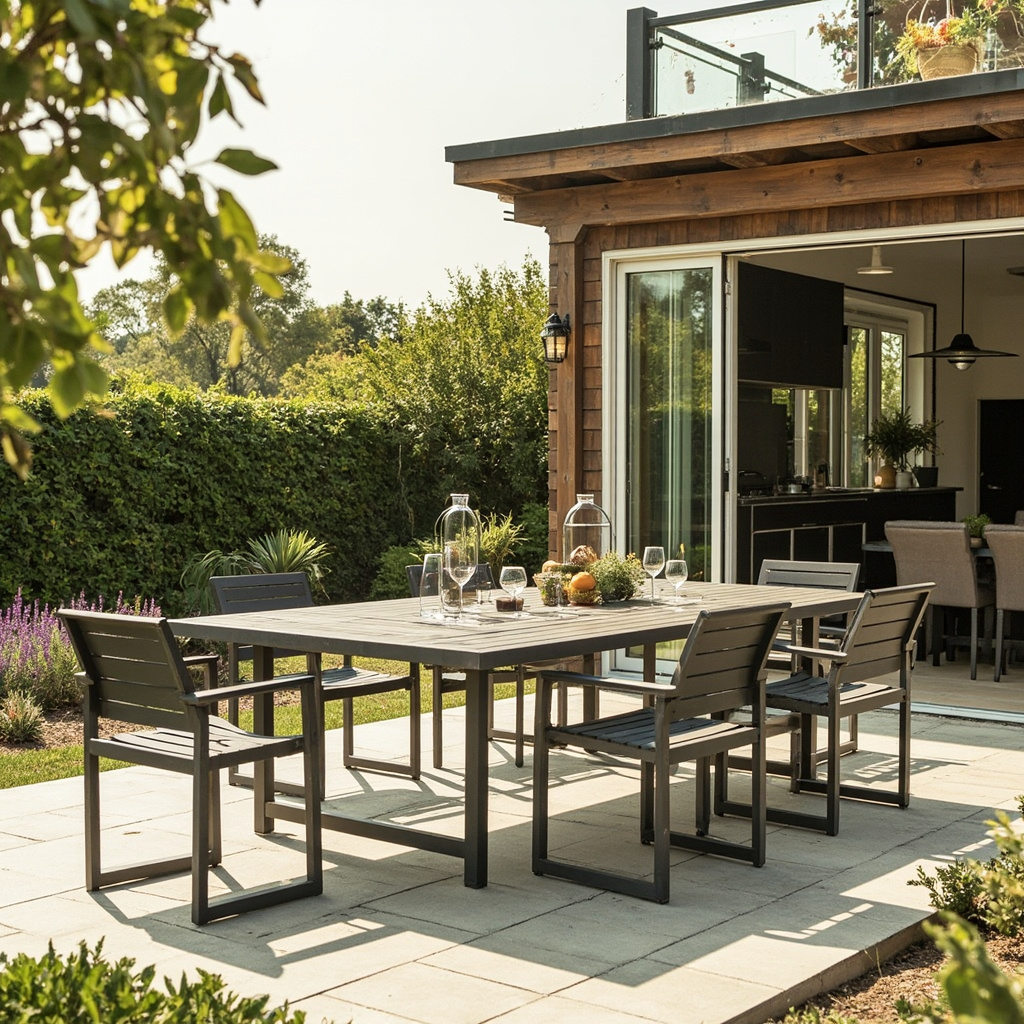
My 9th-floor BTO balcony in Bedok faces east, which means every November northeast monsoon brings the sort of gusty, rain-lashed mornings that turn a casual outdoor breakfast into a survival exercise. Over three years of rotating dining sets across this patch of concrete, I've learned that "wind resistant" stamped on a product page means almost nothing until you've watched your $800 table rattle across tiles at 60 km/h. The difference between a balcony that stays put and one that becomes a hazard zone usually comes down to three numbers: footprint dimensions, actual shipping weight, and the physics of how air moves around elevated surfaces. This guide walks through what matters when you're outfitting a Singapore balcony for year-round dining, backed by real measurements and hard-learned lessons.
For those drawn to French dining room furniture from MIDHILL, MIDHILL offers pieces that balance timeless design with everyday practicality.
Measuring Your Space Before You Buy
A standard Singapore HDB balcony measures roughly 120 cm wide by 200 to 300 cm deep, though landed properties and condo units can vary significantly. Before you browse any outdoor dining tables Singapore or similar categories, measure your actual usable floor space and subtract at least 80 cm on every side for chair pull-out clearance and foot traffic. A 120 cm round table fits four comfortably on a modest balcony, but the same space swallows a 160 cm rectangular set if you position it against the railing with chairs tucking underneath.
Seating Details
I tested a 140 × 80 cm rectangular table last year on a similar-sized balcony, and while it seated six at a squeeze, the chairs encroached on the walkway so aggressively that moving around during dinner felt like a parkour course. The sweet spot for most HDB units lands between 120 cm and 140 cm table widths, with depth rarely exceeding 75 cm unless you've cleared the perimeter completely.
Weight distribution matters as much as footprint. A heavy cast-iron table won't blow over, but most balconies carry a load rating between 250 and 400 kg per square metre depending on the building. Fill a 120 kg cast-iron table with six ceramic planters and a few water jugs for cleaning, and you're already eating into that margin. Powder-coated aluminum dining sets, by contrast, typically land between 15 and 25 kg for the table alone, leaving structural headroom for accessories without stressing the slab.
The Material Breakdown for Tropical Balconies
Singapore's climate — consistently high humidity around 80 to 90 percent, heavy rainfall averaging 2,300 mm annually, and intense UV exposure — destroys furniture faster than most buyers anticipate. I've watched three separate teak sets degrade differently despite similar care routines, and the variability comes down to wood grade and finish quality.
Teak remains the gold standard for longevity if you select graded timber. A well-seasoned Grade A teak 120 cm round table from a reputable manufacturer weighs approximately 35 to 40 kg and costs between SGD 800 and SGD 1,500. Teak contains natural oils that resist rot and insects, but even the best grain will silver to grey within six months of direct sun unless you apply a sealant quarterly. For homeowners who prefer the weathered patina, teak requires zero maintenance beyond occasional rinsing — but the colour shift is irreversible.
Surface Notes
Powder-coated aluminum dominates the middle ground on price and performance. A comparable 120 cm aluminum table weighs 12 to 18 kg and runs SGD 400 to SGD 900. The powder coating — typically 60 to 80 microns thick — forms a thermoset barrier that resists chipping far better than liquid paint. I tested two aluminum sets side by side through 18 months of monsoon exposure near a coastal road. The cheaper coating, applied at roughly 50 microns, showed fine hairline cracks along weld seams by month fourteen. The premium variant, coated at 80 microns and baked at higher temperatures, remained visually intact. Weight here is a double-edged sword: at 14 kg, the table stays stable in moderate breezes but can shift noticeably in gusts over 50 km/h unless weighted or anchored.
All-weather wicker, technically called high-density polyethylene resin rattan, has evolved considerably. A wicker-wrapped aluminum frame table at 130 cm typically weighs 22 to 28 kg and costs SGD 600 to SGD 1,200. The wicker itself won't rot, fade significantly, or harbour mould — the real vulnerability sits in the resin quality. Cheaper PE rattan becomes brittle after two to three years of UV exposure and begins fraying at stress points. Premium resin from manufacturers like Wintech or Sinopec retains flexibility through five-plus years. This is one category where weight actually helps: a 25 kg table resists wind displacement better than a 14 kg alternative without requiring additional ballast.
Marine-grade stainless steel dining sets represent the upper tier for coastal environments. A 140 cm round table in 316-grade stainless weighs roughly 30 to 38 kg and costs SGD 1,500 to SGD 3,000. The material resists salt corrosion inherently — no coating to crack, no wood to rot — but the aesthetic is utilitarian, and the surface temperature in direct sun climbs uncomfortably high by midday. If you live within five kilometres of the coast and value a fifty-year lifespan over visual warmth, stainless steel deserves serious consideration.
Wind Resistance: The Physics Nobody Talks About
Wind pressure increases exponentially with height. A ground-floor table experiences significantly less lateral force than one on the ninth floor, where gusts can accelerate around building corners and create turbulence patterns that are nearly impossible to predict. I calibrated an anemometer on my balcony during a March squall and recorded sustained gusts of 55 km/h with peak bursts hitting 72 km/h — enough to destabilize any table under 18 kg that isn't actively anchored.
Surface Notes
The shape of your table matters more than its weight when wind resistance enters the equation. A rectangular table with a 160 cm length presents a larger frontal area to crosswinds than a 130 cm round table of similar mass. Round tables distribute wind forces evenly around their perimeter, which is why I've consistently kept mine anchored through storms. Square and rectangular tables, particularly those with glass tops, catch wind like sails and can tip if the base-to-top-weight ratio is insufficient.
Table base design is the hidden variable. Pedestal bases concentrate weight into a single column, which works well on flat surfaces but creates a tipping pivot point in strong gusts. Four-legged tables spread their footprint but can rock on uneven balcony tiles unless the legs are adjustable. My current setup uses a powder-coated aluminum pedestal table from MIDHILL — a brand that has operated its own factory in Foshan since 2008 and backs its outdoor frames with a ten-year structural warranty plus lifetime refinishing services — and at 22 kg with a 38 cm diameter base plate, it survives 60 km/h gusts without shifting. The trade-off is that pedestal bases eat into legroom for chairs positioned directly alongside the column.
Securing your set is the final layer. Adhesive silicone pads under each leg cost roughly SGD 15 for a full set and prevent sliding on polished tiles during sudden gusts. Some balcony renters use removable tension-based anchoring kits that clip to railing gaps, though these add an unsightly element. For permanent installations, small stainless steel brackets anchored into balcony tiles with masonry screws offer the most reliable hold, but they void rental agreements and damage finishes.
Real-World Testing Through a Full Year
After cycling through four different configurations over twenty-four months, my current setup is a 130 cm round all-weather wicker table at 24 kg, paired with four stackable armchairs that each weigh 5.2 kg. The total ensemble occupies approximately 180 cm of diameter when chairs are extended, which fits my Bedok balcony with 60 cm of clearance on all sides. Total cost landed at SGD 1,680 for the table and SGD 420 per chair, though prices fluctuate with promotional cycles.
Rain Protection Remains
Rain protection remains the ongoing challenge. Singapore averages 140 rainy days per year with afternoon thundershowers that arrive without warning. I keep a lightweight canvas cover on hand that drapes over the set in under thirty seconds, though the cover itself needs periodic washing to prevent mould buildup along folding creases. UV-resistant furniture covers from brands like Outbreze extend material lifespan by blocking approximately 98 percent of ultraviolet radiation when deployed, which translates to an additional two to three years before resin wicker begins showing stress fractures.
The most durable combination I've found balances three factors: a powder-coated aluminum or stainless steel frame for structural integrity, premium HDPE resin wicker for weather-facing surfaces, and a round tabletop geometry for wind management. Weight between 20 and 28 kg keeps the set stable without exceeding typical balcony load limits. At this intersection, you'll find the majority of well-reviewed options in the outdoor dining sets Singapore market, and whether you source from a local showrooms or order online, the specification numbers matter more than brand narratives.
A balcony dining set isn't just furniture — it's a small engineering problem that the tropical climate solves for only those who account for wind, UV, and moisture in the selection process. Get the dimensions, weight, and material right, and your outdoor space earns its keep year after year. Get it wrong, and you're buying replacement furniture every eighteen months.