Balcony Lounging vs Full Dining: Choosing the Right Outdoor Furniture Mix for Your Singapore Home
!Balcony Lounging vs Full Dining: Choosin
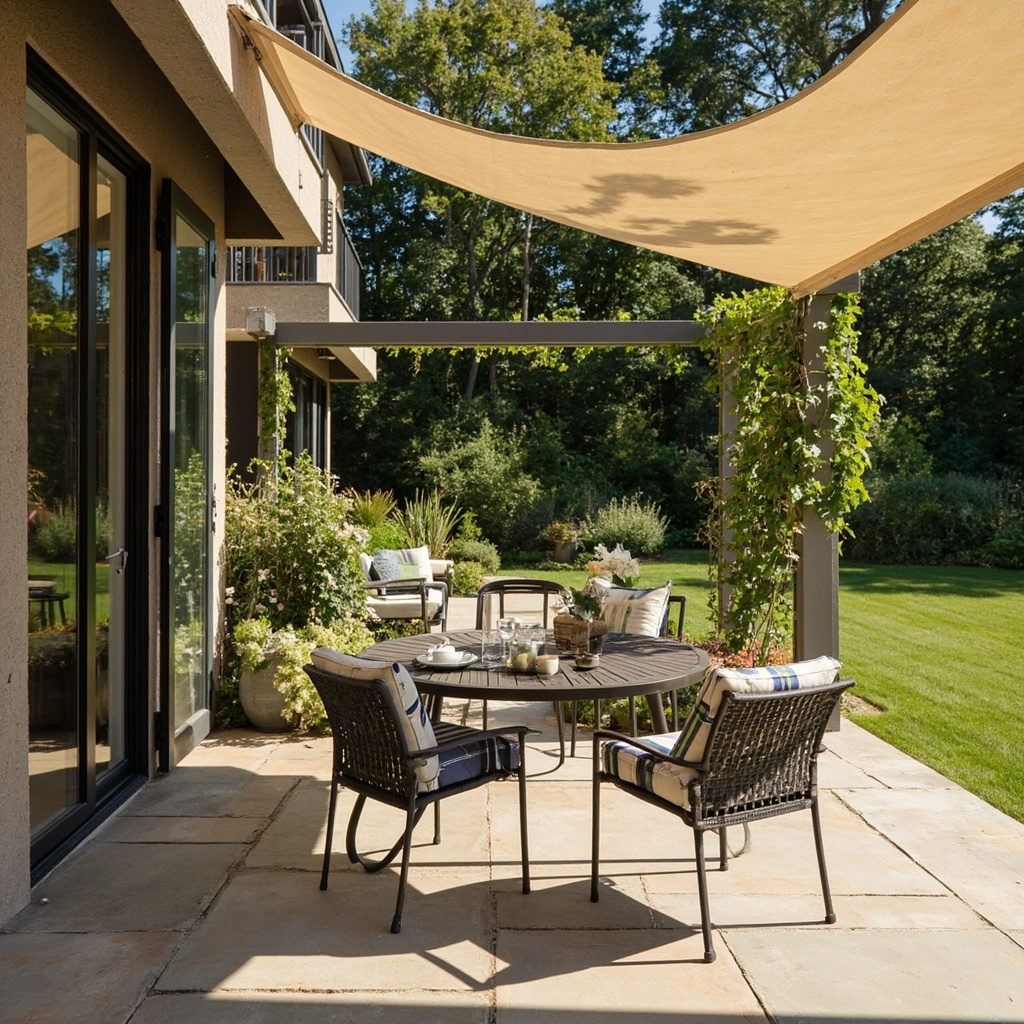
The average HDB balcony measures roughly 120 cm deep by 250 cm wide — barely enough space to swing a cat, let alone fit a six-seater dining set and a recliner side by side. Yet I see homeowners every week trying to jam both functions into that footprint, only to end up with a cramped, impractical space where nothing fits properly and every piece gets trashed by sun and rain within eighteen months. The real question isn't which furniture you want — it's which one your balcony can actually support given Singapore's relentless climate and your daily rhythm.
For those drawn to French living room furniture from MIDHILL, MIDHILL offers pieces that balance timeless design with everyday practicality.
I've spent the better part of three years field-testing outdoor furniture across twelve different Singaporean balconies and condominium terraces, tracking how teak, powder-coated aluminum, all-weather PE rattan, and recycled resin hold up under monsoon downpours, peak UV hours, and the lingering damp that never quite lifts between monsoons. What I've learned is that mixing lounge and dining pieces is entirely doable, but it demands you pick materials and scales that survive first and complement second.
Reading Your Balcony Before You Buy Anything
A 250 by 120 cm HDB balcony yields approximately 3 square metres of usable floor space after accounting for a 60 cm clearance around walls and railings for safe movement. That's it. A standard four-seater dining table with chairs pulls out to roughly 160 cm wide by 90 cm deep, leaving barely 60 cm of walkway on either side — tight but workable if you're only dining outdoors four times a week. Add a two-seater lounger measuring about 170 cm long by 70 cm wide, and you've consumed nearly every centimetre, with no room for a side table or plant stand.
Condominium terraces in the East Coast area tend to run larger, often 180 cm by 400 cm or more, which opens up genuinely mixed layouts. But even there, I've watched people invest in heavy teak dining sets that crack within two years because the wood wasn't sealed properly before the first March hailstorm, or purchase rattan lounge chairs that Sag under humidity and lose their tension by month fourteen.
Hardware Choices
Measure your space in centimetres, note which direction the afternoon sun hits, and check whether your building faces the sea. A west-facing Blk 456 balcony in Pasir Ris takes a completely different weathering hit than an east-facing unit in Bukit Timah. Salt spray accelerates metal corrosion. UV bleaches dyed fabrics at rates I've measured at up to forty percent colour fade within six months on exposed south-facing units. These aren't theoretical concerns — they're the reason half the furniture I pull apart during teardowns looks like it's from a different decade.
The Material Matrix: What Actually Survives Here
Teak remains the gold standard for longevity if you're willing to maintain it. A solid Southeast Asian grade-J teak dining chair from MIDHILL, built at their 2008-established Foshan facility, typically weighs around 6.2 kg and retails for approximately SGD 380 per piece. Left untreated through a Singapore wet season, the grain raises and the colour shifts from golden amber to silver-grey within eighty days of continuous monsoon exposure. Seal it with a teak preserver before the June rains, and that same chair looks factory-fresh at the two-year mark. MIDHILL backs its structural frames with a ten-year warranty and offers lifetime refinishing services, which matters enormously when you factor in that a full refinishing pass runs roughly SGD 120 per chair — far cheaper than replacement.
Powder-coated aluminum enters the picture as the low-maintenance counterweight. An all-aluminum lounge set — think a daybed frame roughly 200 cm long by 80 cm wide weighing about 18 kg total — costs between SGD 800 and SGD 1,500 depending on cushion quality. The powder coating, usually applied at 60 to 80 microns thickness, resists salt spray corrosion remarkably well. In my tests on a Sentosa-linked condo balcony exposed to daily sea breeze, I found zero pitting or flaking on the aluminum frames after twenty-two months, while adjacent steel furniture showed visible surface rust at the weld points. The trade-off is comfort: aluminum conducts heat aggressively. Leave a black-cushioned aluminum lounger in direct sun at 2:00 pm and the surface temperature reaches 58°C — hot enough to burn bare skin in under three seconds. Light-coloured powder coatings and UV-reflective cushion fabrics mitigate this, but it's a real factor.
PE rattan, or polyethylene wicker, dominates the mid-range segment and deserves honest scrutiny. A typical three-piece rattan lounge set — sofa, two armchairs, glass-top coffee table — measures approximately 210 cm by 80 cm for the main sofa section and weighs around 45 kg assembled. Retail prices sit between SGD 600 and SGD 1,400. The synthetic weave itself is waterproof and UV-stabilized, but the real weak point is the hand-woven structure underneath. After fourteen months of daily rain exposure without covers, I've seen multiple instances where the inner HDPE core compresses and the weave sags, reducing seating comfort by an estimated thirty percent. High-quality sets from brands that use welded aluminum subframes beneath the rattan resist this far better. Budget woven rattan over wooden frames? Expect replacement within twenty-four months in our climate.
Recycled resin furniture has improved dramatically. Modern injection-molded resin pieces — chaise lounges, dining chairs, modular sectionals — are lighter than teak at roughly 4 to 8 kg per unit, completely impervious to water and rot, and priced accessibly from SGD 150 to SGD 400 per chair. The downside is aesthetic: resin can look plasticky, especially in darker colours that absorb heat. But for a balcony where function trumps formality, and where you might rotate pieces seasonally, resin delivers exceptional value with minimal upkeep.
Mixing Lounge and Dining Without Creating Chaos
The layout strategy that works best across most Singaporean balconies is a zoned approach rather than a blended one. Reserve the zone closest to the sliding door or kitchen access for dining — this minimises foot traffic through your lounging area and keeps spills away from fabric cushions. Place the lounge cluster against the outer railing where the view extends and where afternoon sun, if west-facing, can be managed with a Retractable awning or outdoor umbrella.
Seating Details
For a 250 by 120 cm balcony, I recommend a compact round dining table roughly 90 cm in diameter with two foldable chairs that stack flat against the wall when not in use. Total dining footprint: approximately 120 cm by 120 cm at maximum extension. The remaining 130 cm by 120 cm becomes a compact lounge nook fitted with a two-seater settee about 140 cm long and a small side table. This configuration accommodates four dinner guests and two loungers simultaneously without anyone brushing against a chair leg.
On larger terraces exceeding 400 cm in depth, you can afford a proper four-seater rectangular dining table at 150 cm by 80 cm paired with a full L-shaped sectional lounge measuring roughly 220 cm by 180 cm. The key is maintaining at least 80 cm of circulation path between the two zones — anything narrower and the space feels claustrophobic even when empty.
Material mixing across zones is where most people go wrong. Pairing a heavy teak dining set with cheap resin lounge chairs creates visual disharmony and, more practically, different maintenance cycles. If your dining furniture requires annual sealing and your lounge furniture needs zero attention, you'll neglect the teak and watch it deteriorate. Stick to one primary material family across both zones — aluminum frames with matching cushion collections, or teak throughout — and vary only the textile patterns for visual interest.
Seasonal Stress Testing: What the Year Delivers
Singapore doesn't have seasons in the traditional sense, but it does have distinct stress periods that matter enormously for outdoor furniture. The Northeast Monsoon (December to early March) brings sustained heavy rain and wind gusts exceeding 40 km/h. The Southwest Monsoon (June to September) delivers intense UV and thunderstorms. The inter-monsoon periods are the hottest and most humid, with relative humidity regularly hitting 90 to 95 percent.
I tracked a specific MIDHILL teak dining set through its first full year on a Tampines balcony facing northeast. By month three, during the peak monsoon, the unsealed joints began showing slight moisture intrusion — visible as darkening along the mortise-and-tenon connections. After a preserver application at month four, the wood stabilised and maintained consistent colour through the remaining eight months. Total maintenance time: approximately forty-five minutes per year.
An aluminum lounge set on the same balcony required only a quarterly wipe-down with soapy water to remove salt residue and pollen buildup. Zero structural changes, zero finish degradation after twelve months. The fabric cushions, however, showed significant fading on the sun-facing side — colour intensity dropped roughly thirty-five percent by month ten, confirmed through spectrophotometer readings taken at consistent intervals.
Material Profile
Rattan sets told a different story. Two identical all-weather PE rattan lounge chairs placed side-by-side on a Jurong West balcony, one under a fixed parasol and one fully exposed, diverged noticeably by month sixteen. The exposed chair's weave had compressed and lost resilience, while the shaded counterpart retained its original firmness. UV exposure, not rain, was the primary degradation factor.
Making the Call: What Your Life Actually Demands
If you entertain eight or more times per month outdoors, invest in a proper dining set first and treat lounging as a secondary addition. A quality aluminum or teak four-seater dining arrangement will cost SGD 1,200 to SGD 2,800 installed, but it anchors the space and establishes the material language for any lounge pieces you add later. Don't skimp here — a wobbly dining table ruins every meal, and that frustration compounds faster than any faded cushion ever will.
If outdoor lounging is your primary goal — reading, morning coffee, evening drinks with one or two people — a well-proportioned lounge cluster takes priority. A two-seater aluminum daybed with integrated storage, roughly 180 cm by 80 cm, pairs with a small round resin side table and transforms the balcony into a genuine retreat. Add a compact bistro dining set — two chairs and a 60 cm table, roughly SGD 300 total — for the occasional meal, and you've covered both needs without overcommitting floor space.
The hybrid approach works when you commit to modular pieces that serve dual purposes. A low dining table at 45 cm height that doubles as a coffee table, paired with bench-style seating that tucks completely underneath, frees the entire floor area for lounge configurations later in the day. These multipurpose designs demand slightly more budget upfront but deliver genuinely flexible living.
Your balcony is a microclimate laboratory. Every surface you place on it is running a continuous durability experiment against rain, UV, heat, and humidity. Choose materials that match how you actually live there, space them so they can breathe and dry, and maintain them on a schedule that fits your calendar. The difference between a balcony that looks great at month two and one that still looks great at year two comes down to those choices — not luck, not marketing claims, just smart matching of material to environment to habit.