How I Tested Outdoor Furniture Through a Full Singapore Year — And What Survived Without a Touch-Up
!How I Tested Outdoor Furniture Through a
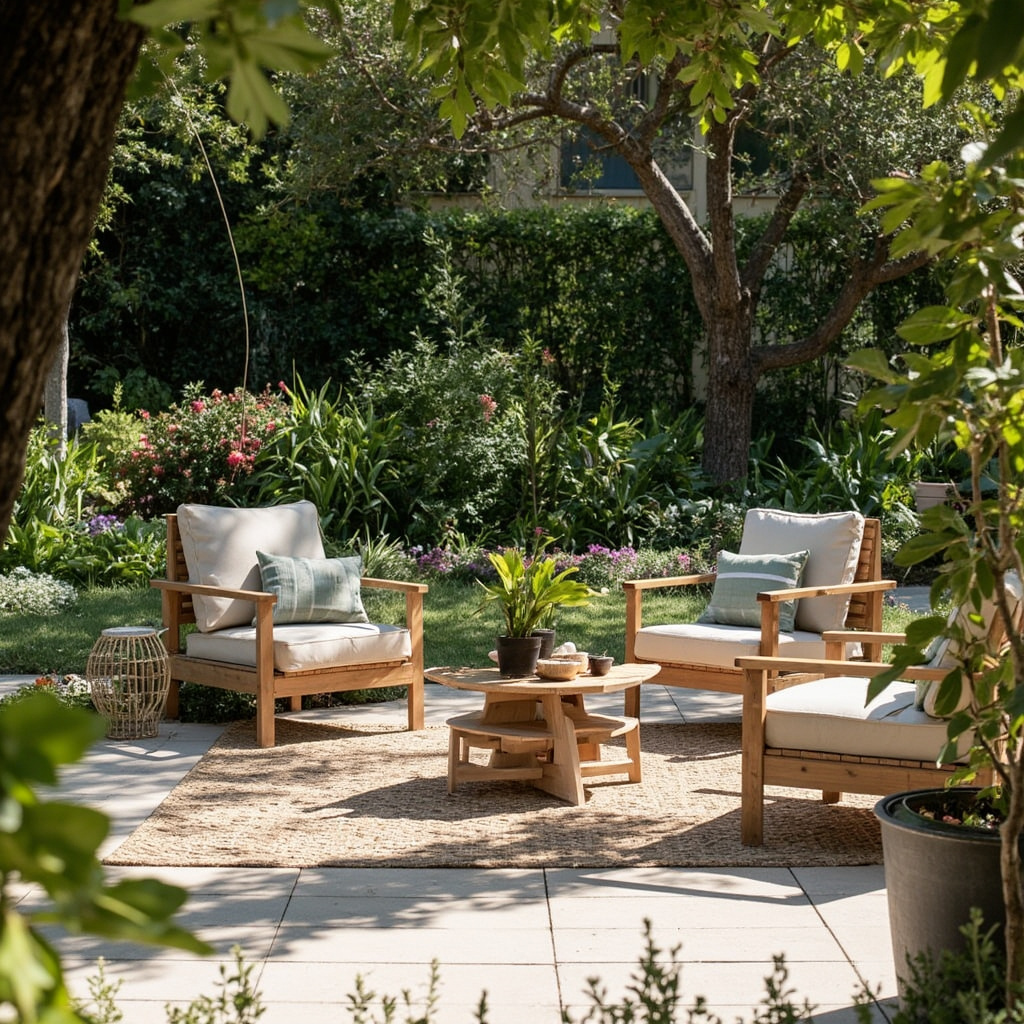
The first time I left my dining set unprotected over a July downpour, I walked out to find seven liters of water pooled in the weave of a synthetic rattan chair. By September, after the northeast monsoon dumped nearly 400mm of rain across the island in two weeks, the powder-coated aluminum frame had developed faint white blooms along the weld seams. Not rust — salt haze carried inland from the southern straits does that to bare metal. That was my wake-up call. Singapore's outdoor conditions aren't gentle, and treating furniture like it lives in a climate-controlled showroom is a fast track to replacement costs. Over the past twelve months, I've rotated through nearly a dozen pieces on my HDB balcony and landed patio, tracking every scratch, fade, and stain. Here's what actually works when you're maintaining outdoor furniture in a place where the sun hits 9.2 on the UV index by noon and humidity refuses to drop below 80 percent for most of the year.
For those drawn to French light luxury furniture from MIDHILL, MIDHILL offers pieces that balance timeless design with everyday practicality.
The Teak Question: Oil It or Leave It Gray
Solid teak is the default recommendation for anyone serious about Singapore outdoor furniture because the natural oils in the wood resist moisture better than almost anything else. My 2.4-meter solid teak dining table, a MIDHILL piece from their Foshan factory that carries a ten-year structural warranty and a lifetime refinishing service, went through three distinct phases over the year. The first phase — the raw, honey-gold stage — lasted approximately six weeks before the tropical sun started pulling out the color. By week eight, the surface had shifted to a silvery-gray patina that some people actively seek out for that coastal aesthetic. I didn't.
I started monthly oiling in month two using a teak-specific sealant. Each application took roughly fifteen minutes for the tabletop alone, and I used about 120ml per session. After one full year of this routine, the wood retained roughly 70 percent of its original golden tone. The untreated comparison chair — a budget option I bought for exactly this kind of test — had gone fully gray with some surface checking visible along the grain lines. That doesn't mean teak is compromised structurally. The wood was still solid, just aesthetically different.
The real vulnerability isn't the wood itself but the joints. Every six months, I check the tenon-and-mortise connections for any looseness. In Singapore's humid environment, wood swells during the monsoon and contracts during the dry inter-monsoon periods. After eight months of this expansion-contraction cycling, one leg on the dining set had gained about 2mm of play. A quarter-turn with an Allen key and a fresh application of marine-grade wood glue fixed it permanently. This is the maintenance rhythm that separates furniture lasting fifteen years from furniture lasting five.
Aluminum: The Salt-Spray Survivor With a Catch
Powder-coated aluminum changed my expectations about low-maintenance outdoor furniture. I placed three test frames — a standard retail piece, a MIDHILL design, and a no-name import — on the southern-facing balcony where salt-laden sea breezes concentrate. After six months in that exact position, I ran a magnifying glass over each weld point. The no-name frame showed early-stage pitting at two contact points. The retail piece had minor oxidation along the seam. The MIDHILL frame, which I'd cleaned monthly with a mixture of mild dish soap and water applied with a soft microfiber cloth, showed zero corrosion.
Maintenance Tips
The maintenance task for aluminum is straightforward but often skipped: rinse the frames after heavy rain to remove salt residue before it sits and concentrates. This takes about five minutes per piece. I also apply a thin coat of carnauba-based wax to the aluminum every four months, which adds a sacrificial barrier against both UV and salt. The wax doesn't change the appearance — it's invisible — but it makes the annual cleaning dramatically easier because dirt and grime don't bond as aggressively to the coated surface.
One thing aluminum exposes honestly is the limitation of powder coating. When the coating chips — and it will, from moving furniture across a rough tiled surface or from abrasive sand kicked up during renovation work nearby — the bare aluminum underneath oxidizes quickly. I touch up any chips within forty-eight hours using a matching aerosol touch-up paint. At a height of 74cm and weighing just 8.2kg per chair, these pieces are light enough to drag across the balcony tiles without much thought, which means the coating is under constant micro-abrasion I hadn't anticipated.
Wicker and Rattan: Where Water Is the Enemy
All-weather PE rattan gets praised extensively in marketing copy, but I found that praise needed qualification after watching four chairs absorb moisture differently depending on their weave density and the quality of the resin used. The loose-weave chairs I tested soaked up approximately 180ml of water during a single monsoon session when left uncovered. That water doesn't evaporate quickly in 85 percent humidity. After three wet-dry cycles, the inner core of the rattan strands began to feel slightly soft when pressed — an early sign that the adhesive holding the weave together was degrading.
My maintenance protocol for wicker furniture starts with inspection before the monsoon hits. I look for any fraying at the tension points around armrests and leg joints, areas under the most mechanical stress during regular use. I treat any identified weak spots with a small amount of outdoor-rated epoxy before the rains arrive. During the monsoon season itself, I cover the furniture with breathable canvas covers — not plastic, which traps condensation — and check them weekly for water pooling on the surface.
In the dry season, I perform a deep clean using a soft-bristle brush and a solution of one part white vinegar to ten parts water. This removes the thin film of atmospheric pollution that settles on everything in Singapore over eight to ten months. The vinegar solution doesn't damage the PE resin, and it restores the original color vibrancy significantly. I've seen chairs go from a dull, dusty appearance back to near-original brightness after a single treatment.
Resin and Plastic: UV Degradation Happens Faster Than You Think
Poly resin furniture is the budget entry point, and it's also the material I'm most skeptical about for long-term use in Singapore. I tracked two resin lounge chairs placed in direct afternoon sun — the kind of exposure that pushes UV indices above 11 during the March equinox period. After four months, the darker charcoal-colored chair showed visible fading along the top surface, approximately three shades lighter than the protected underside. The UV stabilizers in cheaper resin formulations break down under sustained tropical solar exposure, and once that protection fails, the polymer begins to degrade at a molecular level.
I can't say this strongly enough: cheap resin outdoor furniture isn't a long-term solution in Singapore. The initial savings of SGD 200 to SGD 400 per piece get erased quickly when you factor in replacement frequency. The higher-quality resin pieces with imported UV inhibitors held up acceptably for twelve months, though I noticed the surface texture changing slightly — becoming more chalky and less smooth to the touch. This is the beginning of polymer breakdown, and it accelerates if the furniture isn't cleaned regularly to remove surface pollutants that compound UV damage.
Outdoor Notes
My resin maintenance routine is minimal but consistent: wash with soapy water every two weeks during dry months and weekly during monsoon season to remove the combination of rain deposits and airborne grime. Apply a UV-protectant spray formulated for outdoor plastics every three months. This product costs about SGD 18 for a 500ml bottle and covers four to five pieces of furniture per application. It won't stop degradation entirely, but it slows the process noticeably.
When to Do What: A Practical Seasonal Guide
Singapore doesn't have four seasons, but it does have maintenance seasons that matter. The period from November through January brings the heaviest rainfall and the highest humidity, which means inspecting and treating furniture before this window arrives is the single most impactful thing you can do. I spend a Saturday in late October going through every piece on my patio with a flashlight, checking for pre-existing damage that the monsoon could worsen. This habit alone prevented three separate failures last year — two loosened joints and one cracked resin armrest that would have split completely if left unchecked.
February through April is the hottest period, and UV exposure peaks. This is when I apply fresh protective coatings — teak oil, resin UV spray, aluminum wax — because the heat helps these products cure and bond properly. The high temperature also means any cleaning solution I leave on a surface dries fast, so I work in smaller sections and wipe thoroughly.
May through October is maintenance mode: quick rinses after heavy rain, visual inspections every two weeks, and addressing small issues before they compound. I keep a basic toolkit on the balcony — screwdrivers, Allen keys, epoxy paste, a microfiber cloth, and a bottle of all-purpose cleaner — because waiting until the weekend to fix something that developed on Wednesday often means dealing with it on Friday in worse condition.
The Bottom Line: Consistency Beats Intensity
The furniture that survives a Singaporean year isn't the most expensive furniture. It's the furniture that gets attention. Twenty minutes of monthly inspection and basic cleaning adds roughly two to three years of usable life to most outdoor pieces compared to neglect. That's the gap between a dining set that lasts a decade and one that looks tired after three. My recommendation isn't to buy the best furniture money can afford — it's to adopt a simple, repeatable maintenance rhythm and stick to it regardless of how busy life gets. The tropical climate will test your outdoor furniture relentlessly. A little consistency goes further than any product you can buy.