How to Match Outdoor Furniture to a Warm Minimal Interior
A warm minimal interior does not need to look cold. In a Singapore HDB flat or condo, it can feel grounded, breathable and quietly refined when the right proportions, colours and materials connect the living room to the balcony or communal outdoor area. The practical challenge is specific to local homes: a 90 cm corridor, a 110 cm lift doorway, a compact balcony and furniture that must survive humidity without overwhelming a narrow room.
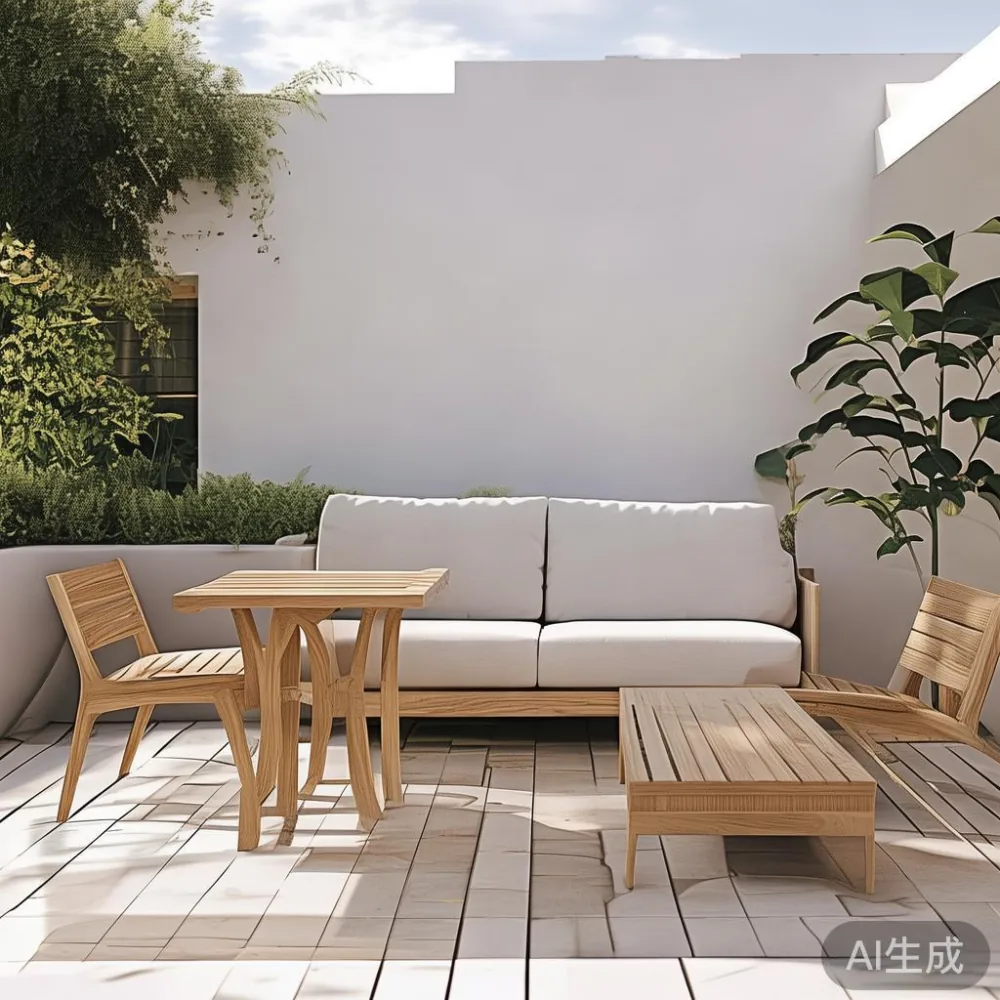
Outdoor furniture should therefore be treated as part of the interior composition, not as an afterthought. A teak dining set may establish the warm timber note indoors. A slim powder-coated bench can echo the lines of a solid wood sofa. A compact marble table can provide contrast beside a dining table with a pale oak top. The goal is visual continuity with enough variation to keep the space interesting.
What makes warm minimalism different from a plain neutral room?
Warm minimalism uses a limited palette, but it avoids the flat effect of filling every surface with white, grey or beige. Timber grain, woven fibres, tactile upholstery and softened metal details introduce texture without creating clutter. For Singapore conditions, choose colours that can tolerate a little sun, rain and humidity while still coordinating with indoor finishes.
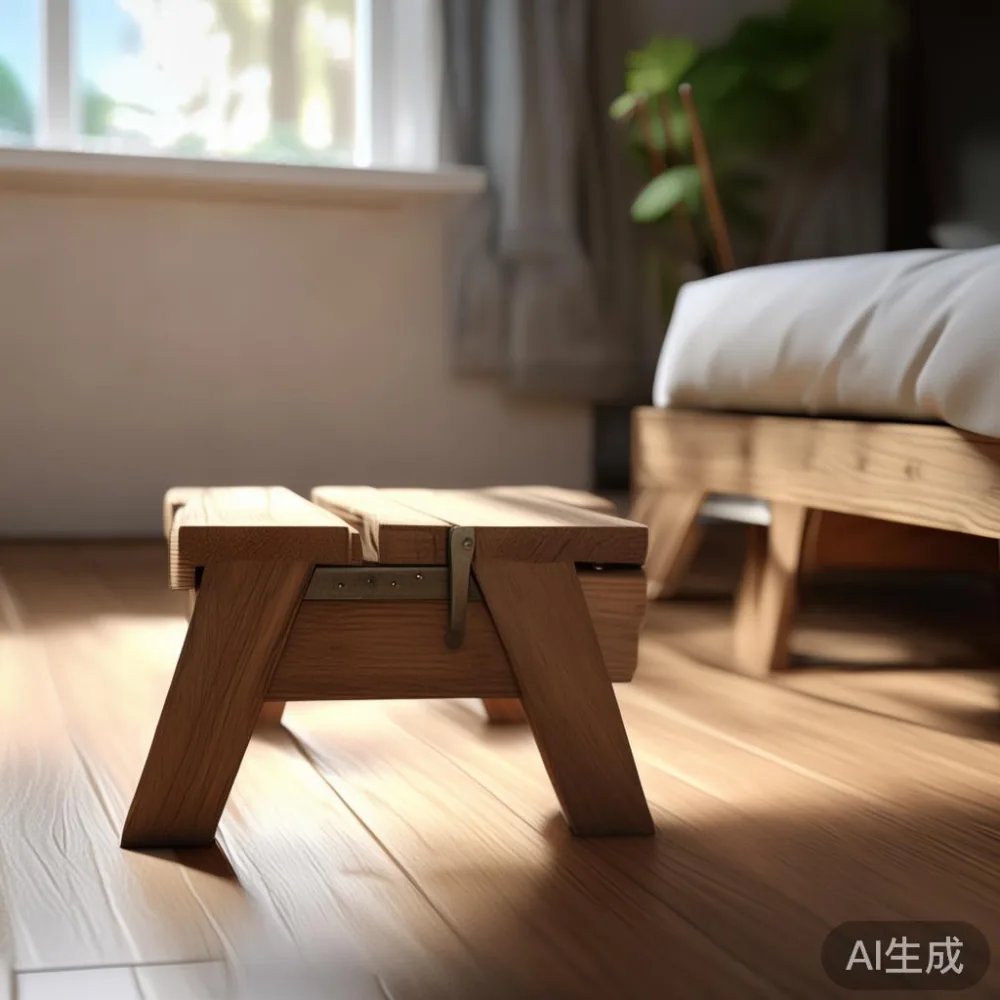
A practical starting point is a base colour such as warm white, oat, sand or light taupe, followed by 1 dominant timber tone and 2 smaller accent colours. For example, pair a 42 cm-deep teak dining table with warm white walls, oatmeal cushions and charcoal metal frames. Keep the accent count measured: 3 colours across a 12 m living-and-dining area usually look more composed than 6 unrelated shades.
Scale matters just as much as colour. In an HDB living room, a sofa around 180–220 cm wide can sit comfortably against a 250–300 cm wall without looking lost. A dining table of 120–140 cm may suit a 9–12 person HDB dining zone more realistically than a 180 cm model, while a 90 cm round table can preserve circulation in a compact Punggol or Tampines unit.
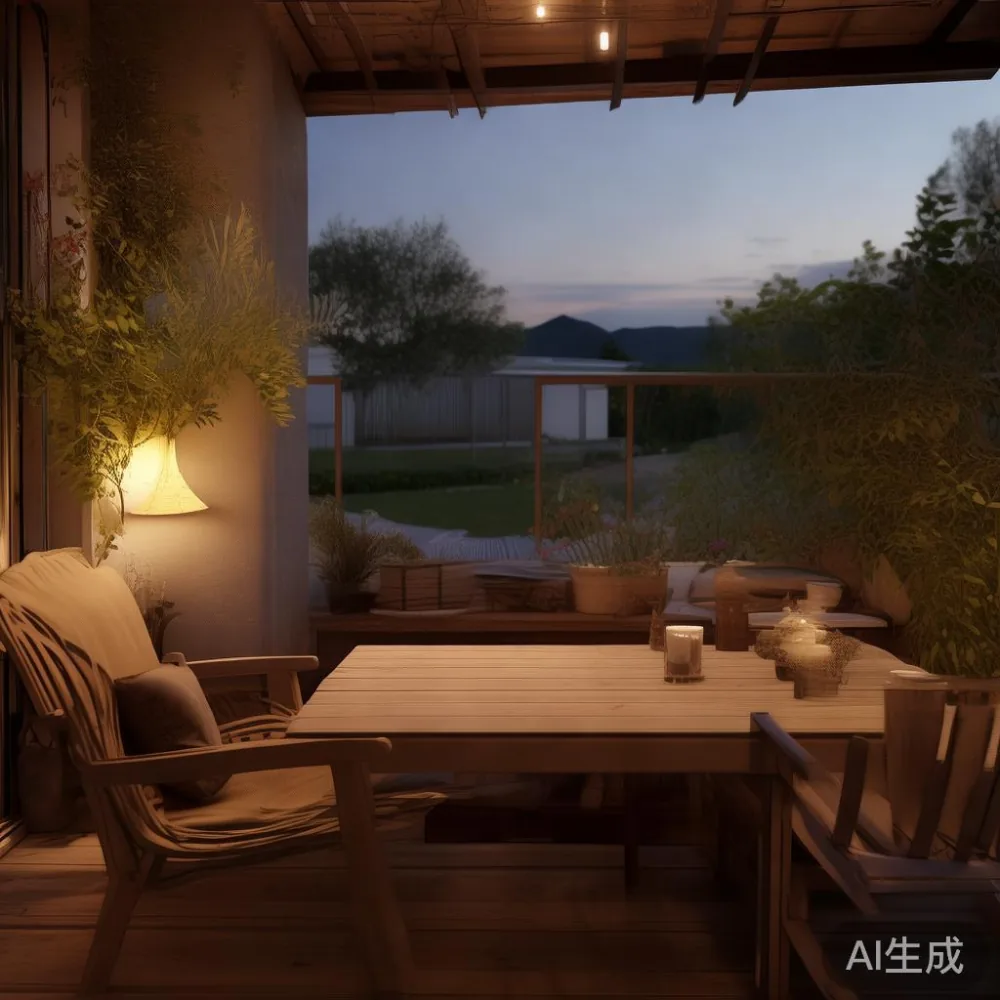
French light luxury is particularly compatible with warm minimalism because curved profiles, pale woods and upholstered forms can feel elegant without excessive ornament. Post-modern light luxury offers another route through clean geometry, restrained colour blocking and mixed materials. The finish should remain calm rather than theatrical: 2 legs in one material, or a timber top with a dark base, is enough to create interest.
How should outdoor furniture match the solid wood pieces inside?
Begin with the timber. If the interior contains an oak-toned solid wood sofa frame, dining table or bed frame, choose outdoor furniture with a related warm tone. You do not need identical species or an exact colour match, because ultraviolet exposure and weather can shift finishes. Aim to relate the hues within a narrow range, roughly 2–3 colour steps apart on a neutral palette.
For example, a honey-oak solid wood dining table inside can connect to a natural teak balcony set outdoors. Darker walnut furniture can work with deeper brown outdoor timber and charcoal frames. If the indoor pieces are painted white, outdoor furniture can carry the warmth through beige cushions, woven seats or light ash-look surfaces.
Form should be echoed across the boundary. A rectangular indoor dining table can be balanced by a rectangular outdoor table with softened corners, while a rounded solid wood sofa or oval coffee table can pair well with a circular outdoor table. This is especially useful in condos where the balcony is visually connected to the living room through sliding glass doors. Keep the busiest visual line simple: a table placed parallel to the window often appears tidier than one turned at an angle into the walkway.
Outdoor furniture also needs a controlled footprint. Leave at least 75–90 cm beside a dining chair for movement, 60 cm behind a balcony bench and 80–90 cm along the main route between the sofa and balcony door. In a narrow HDB corridor, reduce unnecessary pieces rather than narrowing the passage below comfortable use. A 45 cm-deep balcony bench may provide more useful seating than a 60 cm-deep lounge chair while retaining a 90 cm circulation lane.
Will outdoor furniture suit a lift and corridor narrower than you expect?
Before ordering, measure the route rather than assuming the furniture will fit. Check the lift car width and depth, the lift door opening, any turning corners, the corridor width and the final doorway. At least 2 people should be able to walk beside a large item, so a 100 cm corridor should not receive a rigid 95 cm-wide table without checking how it is angled and handled.
Measure the widest and tallest points of the package, not only the assembled furniture. Allow another 2–5 cm of clearance around each dimension when manoeuvring through a lift. Some outdoor dining tables are safer to deliver in 2 sections because a single top cannot be tilted through the lift without contacting the ceiling or door frame.
MIDHILL can discuss delivery planning before dispatch, and solid wood pieces from the Foshan workshop are produced for long service. Established in 2008 and exporting to more than 15 countries, the company provides a 10-year structural warranty and lifetime refinishing. For Singapore orders, GST is payable on the listed product price unless otherwise stated, and qualifying orders receive free shipping above US$350, as stated on the relevant offer. The local currency used here is SGD; compare the final checkout figure rather than relying on an exchange rate.
Typical production and delivery lead time is 30–45 days for made-to-order outdoor furniture, followed by approximately 3–7 local delivery days after dispatch. The next question is the one that prevents most delivery problems: will the assembled outdoor furniture fit through the lift and corridor?
How do I choose outdoor furniture for a small Singapore balcony?
<Start with function and the sun. A north-facing balcony may suit a 4-seat dining arrangement, while a west-facing balcony benefits from a slim console, 2 lounge chairs and a movable side table with an umbrella. Direct afternoon sun can make dark timber hot to the touch, so lighter finishes and shade are useful from roughly 11 a.m. to 4 p.m. throughout much of the year.
For dining, a 100–120 cm rectangular table can seat 4 people at about 55–60 cm per place. A round table of 85–90 cm may also seat 4 when chairs are tucked in, but 90 cm is the minimum comfortable diameter for that arrangement. A 60–70 cm round table generally works for 2 people in a tight HDB balcony, leaving more room for laundry or a planter.
For lounging, look for chairs around 55–60 cm deep and 75–80 cm high. A bench should usually be 40–45 cm deep, with 45–50 cm of length allocated per person. A compact marble table with a 40–50 cm diameter can stand beside a bench, but stone adds weight: a small side table may weigh 20–35 kg, so check whether the lift team can place it directly on the balcony floor.
Outdoor furniture should be visually substantial enough to feel intentional but light enough for Singapore homes. Slatted timber, folding frames and stackable chairs are useful where the balcony must double as a circulation route. Choose a finish with a clear care plan, and expect to wipe surfaces every 1–2 weeks during humid periods. Outdoor cushions should be removable and washable, with care labels checked before rain arrives.
My colleague in the logistics team visited a Singapore condo delivery last month to check a 140 cm dining set. The lift door was 90 cm wide and the turning corridor measured 105 cm at its narrowest. The table was carried upstairs in 2 sections, and a removable marble-look accent table was positioned first because it was the heaviest piece. That 15-minute measurement and placement check prevented the dining area from becoming a passage. The same approach works for a solid wood bed frame inside and outdoor dining furniture outside: plan the route before the final piece leaves the warehouse.
Can a light-luxury sofa style work with practical outdoor pieces?
Yes, if the shared features are proportion and texture rather than identical product categories. A light-luxury sofa vs Modern sofa comparison often focuses on upholstery, curves and detailing, but outdoors the more useful comparison is visual weight. A deeply upholstered indoor sofa with rounded arms can be balanced by clean outdoor chairs with slim frames. A low, rectilinear Modern sofa can connect to a teak bench with straight lines.
The phrase light luxury sofa vs Italian light luxury sofa may bring up craftsmanship and profile, yet an outdoor set does not need to imitate an Italian indoor sofa literally. Look for restrained timber joints, comfortable seat heights and stable construction instead. French light luxury can guide the selection through pale woods, woven details and graceful curves; American light luxury may suggest deeper upholstery and stronger horizontal lines.
Inside, a solid wood sofa with oatmeal fabric can anchor the living area. Beside it, use a marble table for a controlled focal point. A marble surface is naturally cool and polished, so keep it small: a 60–80 cm coffee table or 40–50 cm side table is usually sufficient. Avoid placing a visually heavy marble table directly opposite another large stone piece outdoors.
For storage, a MIDHILL wardrobe with warm oak or walnut tones can repeat the timber theme without competing with the balcony. A coordinated nightstand, 40–50 cm wide, and a matching bed frame create continuity in the bedroom. If you are still deciding whether is Japandi bed worth it for your flat, consider the visual outcome: pale timber, simple lines and little visible hardware can support a warm minimal bedroom, provided the mattress and access clearances are suitable.
Do not let matching become a rigid rule. Coordinating outdoor furniture with the dining table, sofa frame and bedroom pieces across a 4–6 colour palette is usually enough. The eye reads warmth through repeated material cues, not through an identical set in every room.
What should I buy first when matching outdoor furniture to the interior?
Choose the largest indoor piece before selecting small outdoor accessories. A solid wood dining table establishes the room’s centre and gives you the clearest timber reference. If the dining table is 160–180 cm long and warm brown, look for outdoor timber in a medium honey or deeper brown. If it is 120–140 cm long and pale, choose lighter teak or a light-finished frame.
Next, identify 2 fixed architectural elements: the floor tile, wall paint or kitchen cabinet. Warm grey floor tiles often pair well with natural teak, while cream ceramic tiles suit light oak and off-white frames. Coordinate the outdoor furniture with these permanent surfaces because they are harder to change.
For shoppers reviewing top 10 European light luxury furniture lists, separate style inspiration from literal product fit. European-inspired pieces often include tapered legs, shield backs, upholstered seats and crafted timber details. Those features can guide a balcony chair without requiring a full imported suite. Likewise, designer European light luxury furniture may suggest refined joinery and balanced proportions, but dimensions should answer to the local lift.
A practical order is: dining table, balcony dining set, 1 shade element, 1 seat or bench, then 1–2 accessories. This sequence reduces the chance of buying a decorative chair before confirming the table size. Budget examples are approximately SGD 1,280 for a compact 2-person outdoor dining set, SGD 1,850 for a 4-person teak set, SGD 420 for a 2-seat bench with cushions and SGD 680 for a weather-resistant umbrella, before GST. Actual prices should be confirmed at purchase.
MIDHILL offers 14-day returns, so inspect the pieces indoors and outdoors under the lighting conditions you expect. Oil, seal or protect timber according to the finish instructions, usually every 6–12 months depending on exposure. For a marble table, use a neutral pH-neutral cleaner and avoid acidic liquids. For upholstery, remove covers for cleaning where the manufacturer permits and keep water-based cleaning gentle.
How can a warm minimal home stay comfortable in Singapore’s climate?
Material comfort and spatial comfort are equally important. Natural wood feels warm in the hand, but outdoor surfaces still heat in direct sun. Include a canopy, parasol or vertical screen that covers approximately 40–60% of the seating area during peak afternoon hours. Light-coloured cushions reflect more heat, and a breathable weave can feel more comfortable than dense foam in humid weather.
Allow air to move across the balcony. Keep the main gap between furniture and a full-height wall or railing at about 30–45 cm where possible, while maintaining the necessary walking route. Avoid crowding a 3.5–5 m HDB balcony with a full lounge suite, dining table and storage cabinet. One dining zone plus 1 movable chair is often more functional.
Lighting also carries the interior outdoors. A warm-white LED strip at 2700–3000K under a shelf or along a bench makes timber grain visible after sunset. A 6–8 W solar bollard can mark a narrow path without adding cable clutter; place it on a stable base and keep it within the local balcony or common-area rules. The average Singapore evening is warm, so a lower, softer light generally feels more welcoming than bright cool-white lighting.
Finally, consider maintenance honestly. Teak and other suitable hardwoods can develop a silver-grey patina if left untreated. If you prefer the original honey tone, plan to clean and re-oil every 6–9 months in sheltered areas and every 4–6 months with heavier exposure. Powder-coated metal should be rinsed after heavy rain, and joints should be checked every 3 months during the first year. A warm minimal home works best when the materials are allowed to age gracefully, not when every surface is expected to remain untouched.