The Silent Challenge: How Humidity Shapes Outdoor Furniture in Southeast Asia
Living in Singapore, a city-state defined by its relentless humidity and tropical climate, is a unique experience. The air is thick, the rain is sudden, and the sun is intense. For residents of HDB flats in Tampines and Bedok, or modern condos in Punggol, this climate extends beyond personal comfort into the very fabric of our homes. It affects the air we breathe, the clothes we dry, and critically, the furniture we choose to live with. This is especially true for outdoor furniture, which faces the elements head-on, day after day. Understanding this relationship between wood and water vapour is the first step towards making a lasting investment in your home's exterior spaces.
What Exactly is Humidity and Why Does It Matter for Wood?
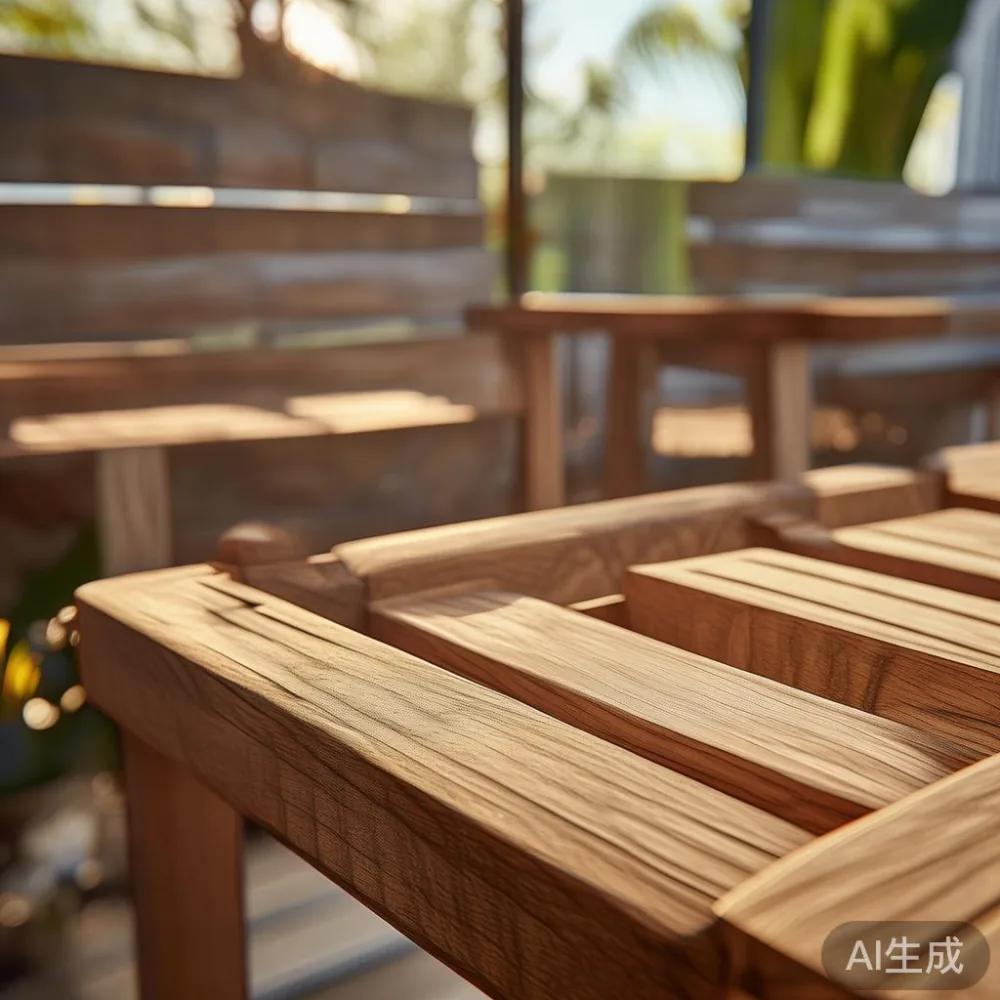
Humidity, in simple terms, is the amount of water vapour present in the air. In Singapore, the relative humidity rarely dips below 60% and can soar to 95% on a rainy afternoon. Wood, as a natural material, is hygroscopic, meaning it absorbs and releases moisture from the air to achieve a balance with its surrounding environment. When humidity is high, wood absorbs moisture. When humidity is low, it releases it. This constant exchange causes the wood fibres to swell and shrink.
For a solid piece of outdoor furniture, this movement is a significant stress test. A well-made table or sofa can withstand this natural process. A poorly constructed one will show the strain quickly. Think of the wooden deck of a condo in Punggol after a downpour. If the planks are not properly treated or joined, they will warp, crack, and splinter. The same principles apply to any wooden furniture placed on a balcony, patio, or garden. The goal is not to stop the wood from breathing, but to guide its behaviour so it remains beautiful and functional for years.
How High Humidity Affects Different Types of Outdoor Wood Furniture
The effects of humidity are not uniform across all types of wood or furniture designs. The way a solid wood sofa frame responds is different from how a marble table top is supported. Let's break down the common impacts you might see on your outdoor furniture:
1. Warping and Cupping: This is perhaps the most visible sign of moisture stress. A flat surface, like a dining table top, will begin to 'cup'—the edges rise while the centre sags. A long, narrow plank, like a bench seat, might 'warp' along its length, bending into a curve. This happens because the top surface of the wood absorbs moisture faster than the bottom, causing uneven swelling. For a solid wood sofa with a wide slatted back, this can lead to a twisted and uneven appearance.
2. Cracking and Checking: As wood dries rapidly after a heavy rain, it shrinks. If the shrinkage is too fast or uneven, the wood can't bend and will instead crack. These cracks, or 'checks', typically start at the end of a grain and run along the length of the board. A thick, heavy dining table is particularly susceptible if not made from wood that is naturally stable or properly acclimatised.
3. Mold and Mildew Growth: The persistent high humidity in Singapore creates a perfect breeding ground for mold and mildew. These fungi thrive in damp, warm environments. They appear as black, green, or white spots on the wood's surface. While not always immediately damaging to the structure, mold and mildew can stain the wood, create an unpleasant musty smell, and, over time, break down the wood fibres, weakening the furniture. This is a common problem for outdoor furniture that is not regularly exposed to direct sunlight.
4. Joint Failure: The swelling and shrinking of wood puts immense stress on its joints. A poorly constructed joint, using simple glue or weak fasteners, will fail. You might see chair legs becoming loose from the seat, or the stretchers on a bed frame separating from the posts. This is why the joinery method is so critical for furniture destined for humid climates.
How to Style French Sofa in Room? It Starts with the Balcony
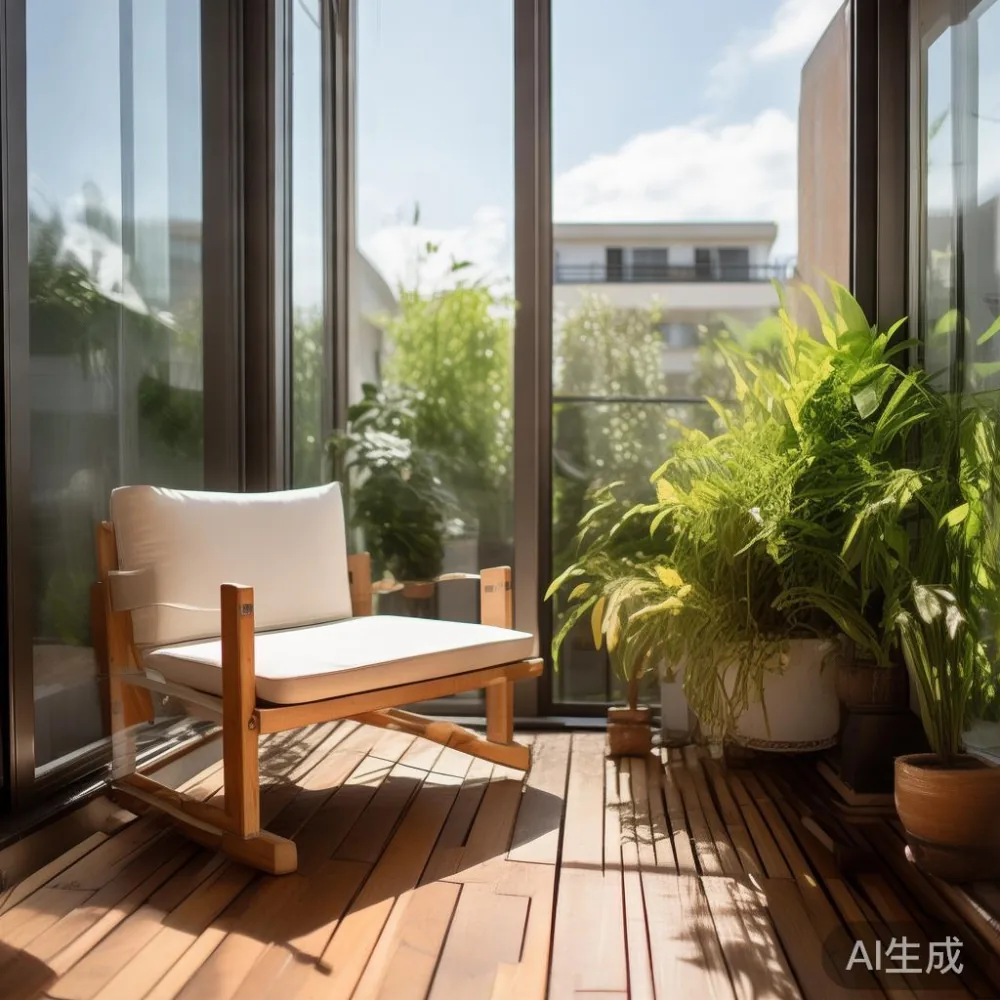
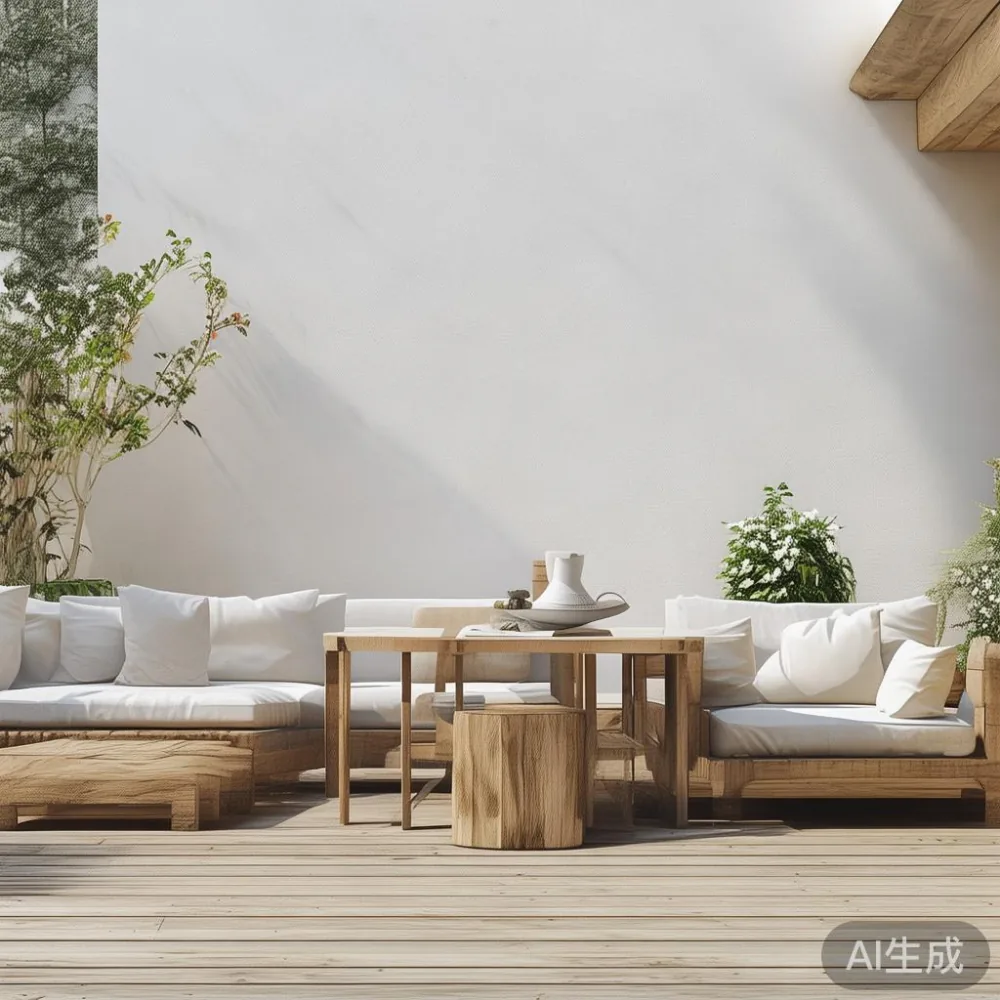
Many homeowners dream of creating a smooth indoor-outdoor living space. The idea is to extend the elegance of a living room onto a balcony. You might ask, how to style French sofa in room to achieve this effect? The answer lies in choosing the right foundation. A delicate, ornate French-style sofa designed for a Parisian salon will not survive a single Singaporean monsoon. Instead, the solution is to find a solid wood sofa with French-inspired design elements, but built with the tropical climate in mind. Look for clean lines, perhaps with a subtle curved back or elegant tapered legs, all constructed from a durable, moisture-resistant hardwood like teak or Shorea. This allows you to capture the light, airy aesthetic of French design without sacrificing durability. The same logic applies to other pieces; a marble table outdoors can be a stunning centrepiece, but its base must be a solid, well-joined wooden frame capable of handling expansion and contraction.
What Wood Species are Best for Singapore's Humid Climate?
Not all wood is created equal for humidity resistance. For outdoor furniture, the choice of material is paramount. Here are some of the most suitable wood species for Singapore:
Teak (Tectona grandis): The gold standard for outdoor furniture. Teak is incredibly dense and naturally rich in oils that make it highly resistant to water, rot, and insects. It is also dimensionally stable, meaning it swells and shrinks less than most other woods. A teak dining table will last for decades, gracefully developing a beautiful silver-grey patina if left untreated. The initial cost is higher, but the longevity makes it a wise investment.
Shorea (Meranti/Red Balau): An excellent and more affordable alternative to teak. Shorea woods are also very dense and naturally durable, offering good resistance to decay and insects. They are stable enough for outdoor use and can be finished with oils to enhance their weather resistance. A Shorea bed frame or outdoor set provides great value for money.
Acacia: Known for its striking grain patterns and dark colour, Acacia is a hardy wood that holds up well against moisture and pests. It is a popular choice for modern and post-modern light luxury designs, offering a bold look that stands up to the elements. An Acacia nightstand for a balcony side table would be both stylish and resilient.
Is Light Luxury Bed Worth It for a Balcony?
The concept of 'light luxury' has gained immense popularity in Singapore, blending comfort with understated elegance. You might find yourself wondering, is light luxury bed worth it for a space like a balcony? The answer depends on your definition of luxury. A true light luxury experience is one of quality, craftsmanship, and thoughtful design—not just a high price tag. Applying this to outdoor furniture means choosing a piece that is not only beautiful but also intelligently made for its environment. A light luxury outdoor bed frame would be constructed from a premium, weather-resistant hardwood like teak, with smooth, sanded surfaces that are a pleasure to touch. It would feature superior joinery, such as mortise and tenon or dovetail, ensuring it remains sturdy and stable through humidity cycles. The 'light' aspect comes from its clean, uncluttered design that feels open and airy, perfect for the Singaporean context. It's an investment in a piece that you can enjoy without constantly worrying about its upkeep.
Construction and Craftsmanship: The Defining Factors
Beyond the type of wood, the way the furniture is built is its first line of defence against humidity. This is where the quality of a manufacturer truly shows. A few key construction details to look for when buying outdoor furniture:
Joinery Techniques: Avoid furniture that relies solely on staples, nails, or glue. Look for traditional, strong joinery methods. Mortise and tenon joints, where a tenon (a protruding piece) fits into a mortise (a cavity), are exceptionally strong and allow for natural wood movement. Dovetail joints, often used in drawers, are also a sign of high-quality construction.
Hardware: The metal fittings used in furniture must be able to withstand corrosion. Stainless steel or solid brass hardware is the only choice for outdoor furniture in Singapore. Standard steel screws will rust within months, weakening the joints and potentially staining the wood.
Finishes: A good finish acts as a protective barrier. For outdoor use, a high-quality teak oil or a marine-grade varnish is recommended. These finishes penetrate the wood grain to repel water while still allowing the wood to breathe. They need to be reapplied periodically, usually every 6-12 months, to maintain protection.
Design for Movement: Well-designed furniture anticipates wood movement. This is why you'll see gaps left between tabletop slats or panels. These expansion joints allow the wood to swell and shrink without causing the piece to crack or warp. A solid wood sofa with a slatted back will have these small gaps between each slat, a sign of intelligent design.
Practical Care and Maintenance for Your Outdoor Furniture
Even the best outdoor furniture requires some care to thrive in Singapore's climate. A little maintenance goes a long way in preserving its beauty and extending its life.
Regular Cleaning: Dust and debris can trap moisture against the wood's surface. Wipe down your furniture with a damp cloth every week or two. For a deeper clean, use a mild soap solution and a soft brush, then rinse thoroughly with clean water and allow it to dry completely in the shade.
Inspect for Mold: Check your furniture regularly, especially during the wetter months. If you spot any mold or mildew, clean it immediately with a solution of one part white vinegar to three parts water. Scrub gently with a brush, rinse, and dry. For stubborn spots, a dedicated wood cleaner for outdoor use may be necessary.
Reapply Protective Finish: As mentioned, the protective finish will wear off over time. Plan to inspect it every 6 months and reapply teak oil or varnish as needed. A simple test is to splash a small amount of water on the surface. If it beads up, the finish is still good. If the water soaks in, it's time for a new coat.
Proper Placement : Avoid placing your outdoor furniture in areas where it will be constantly saturated with water, such as directly under a leaking aircon unit or in the path of a downpipe. Ensure there is some airflow around the pieces to help them dry after rain. Improving furniture on coasters or feet can also improve air circulation underneath.
2026 Modern light luxury furniture: A Look Ahead
The furniture market is always evolving, and for 2026, the trend is clearly towards smarter, more sustainable, and more integrated design. 2026 Modern light luxury furniture will likely focus on creating even more sophisticated outdoor living spaces. We can expect to see more multi-functional pieces, such as dining tables that easily convert into coffee tables or bed frames with integrated lighting. Materials will continue to advance, with composite woods and advanced finishes that offer even greater humidity resistance while retaining the natural look of wood. The emphasis will be on creating a complete environment where the furniture, plants, and architecture work together to form a tranquil, stylish retreat from the city, even within the confines of an HDB flat or a high-rise condo. A brand like Midhill, with its focus on solid wood and structural integrity, is well-positioned to be part of this evolution, ensuring that light luxury is not just a look, but a promise of lasting quality.
French Sofas for Sale: Finding the Right Piece for Your Singapore Home
When searching for the perfect outdoor furniture, the options can be overwhelming. You might see listings for french sofas for sale and be tempted by the romantic, classic look. However, it is critical to read the product description carefully. Is it a genuine French antique, or is it a modern piece inspired by French design? More importantly, is it suitable for outdoor use? A sofa labelled as an Italian light luxury sofa might be stunning, but if it's made from oak with a delicate lacquer finish, it will not survive a single season on a balcony. Always look for specific terms like 'outdoor grade,' 'teak wood,' 'weather-resistant,' and descriptions of solid joinery. A true find is a piece that captures the essence of French or Italian design—the clean lines, the elegant proportions—but is constructed from materials like teak or Shorea, with the hardware and finish needed for Singapore's climate. This is how you bring a touch of global luxury into your local home, without the heartbreak of watching it deteriorate.
Choosing outdoor furniture in a place like Singapore is a decision that requires both an eye for design and an understanding of science. It's about balancing aesthetic desires with the practical realities of a humid, tropical environment. By selecting the right wood species, appreciating quality construction, and committing to simple maintenance, you can invest in pieces that will not only withstand the test of time but also become a cherished part of your home's story. Your balcony, patio, or garden should be a place of relaxation and beauty, and the right furniture is the foundation for that experience.