How to Care for Lacquered Outdoor Furniture in Singapore
Lacquered outdoor furniture can look quietly luxurious on a Tampines HDB balcony, inside a Bedok condo, or beside a Punggol pool deck. Its clear finish gives solid wood, marble, and other crafted surfaces a polished depth, but Singapore’s heat, humidity, salt, and monsoon rain demand a deliberate care routine. This guide explains how to protect lacquered outdoor furniture without sacrificing its refined appearance.
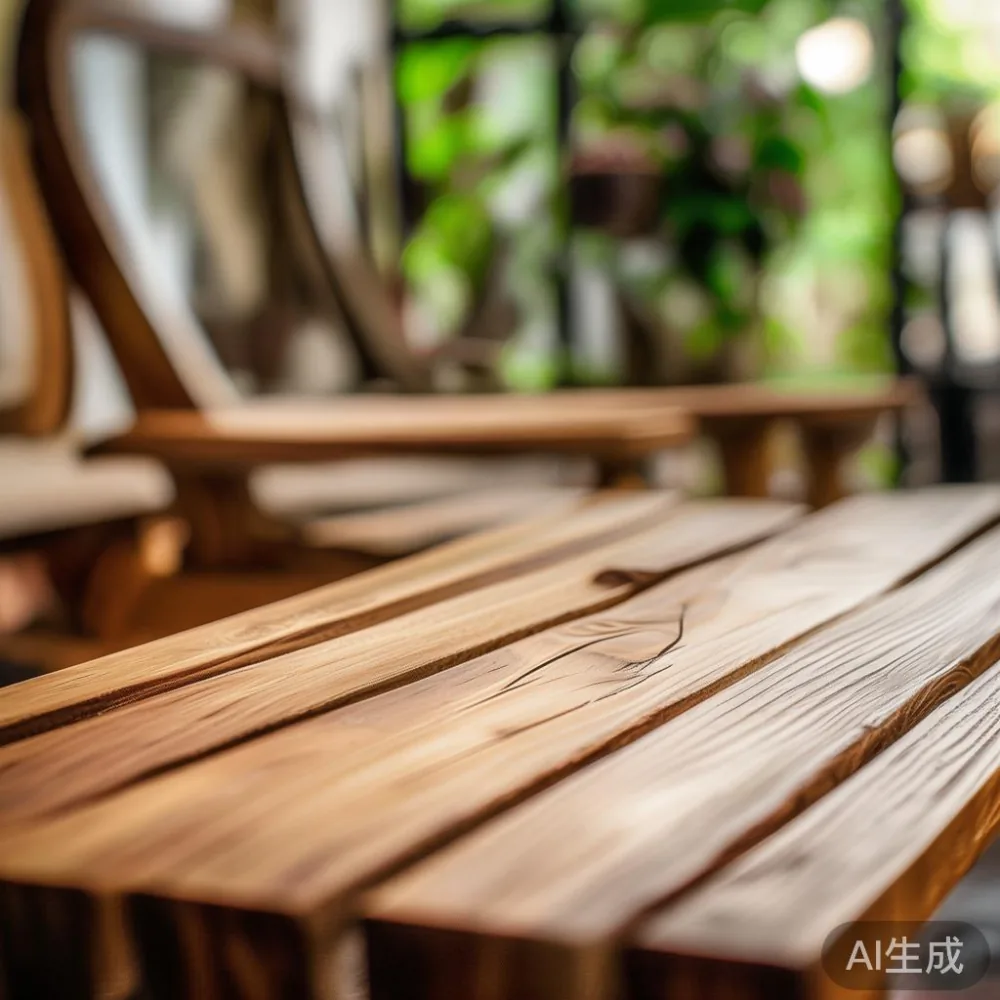
At MIDHILL, our approach begins with material selection and ends with long-term care. Founded in Foshan in 2008 and exporting to more than 15 countries, we offer a 10-year structural warranty and lifetime refinishing on eligible solid wood furniture. For Singapore homes, that support is particularly useful because a lacquered surface is not an “apply and forget” finish; it responds to UV exposure, standing water, insects, and daily touch.
What makes lacquer different in Singapore’s climate?
Lacquer is a cured surface coating, and its performance depends on the substrate, preparation, number of coats, and exposure to the elements. A well-finished dining table may have several layers of pigment, sealer, and clear lacquer, while a simpler surface coating may need more frequent attention. Ask the supplier for the exact finish specification and care interval before accepting delivery.
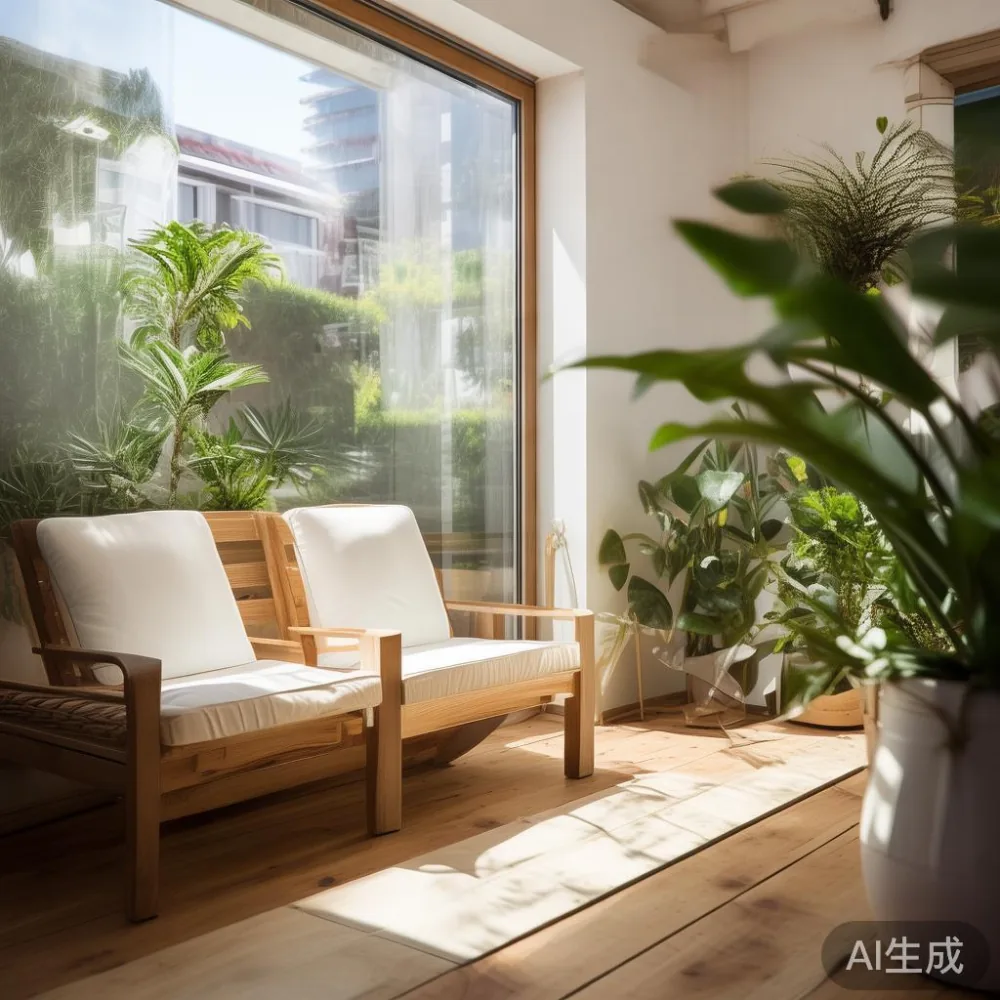
Singapore’s outdoor conditions are demanding. Relative humidity often reaches 80–90% during the monsoon period, midday temperatures can exceed 31°C, and coastal wind carries fine salt particles. Direct afternoon sun may deliver more than 500 W/m², while rain can lodge beneath table rims and chair joints. These conditions can cause colour shift, hazing, bubbling, swelling, or mildew if lacquer loses integrity or if moisture remains trapped against wood.
The finish should be distinguished from solid timber itself. Solid wood expands and contracts as humidity changes, so an outdoor dining table should use moisture-responsive joinery rather than rigidly pinned boards. Sealed undersides, drainage paths, and properly spaced components matter as much as the visible lacquer. For indoor pieces such as a bed frame, wardrobe, or nightstand, the same principle applies: stable humidity and a surface free of grit will protect the coating for years.
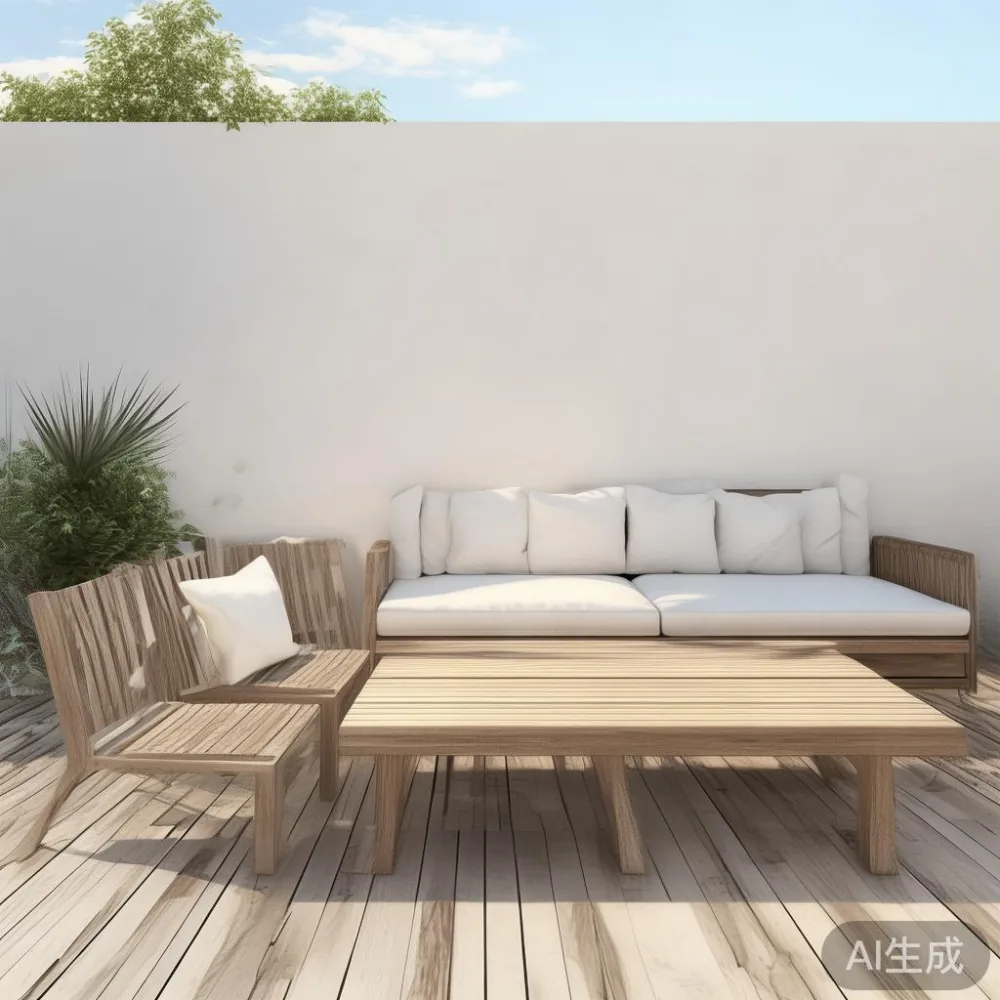
Light-luxury design is not about visual excess. French light luxury often favours pale upholstery, slender profiles, and warm timber; American light luxury leans on generous proportions and performance textiles; post-modern light luxury plays with clean geometry and restrained contrast. Each style can suit lacquered outdoor furniture, provided the form does not trap water.
How should I prepare a new lacquered dining table for outdoor use?
Give a new solid wood dining table 7–14 days to acclimatise in its intended location before heavy use. Keep it away from sprinklers, air-conditioner outlets, and direct rain during that period. Inspect all six sides, including the underside, and photograph the finish for comparison. Record the purchase date, finish name, batch information, and warranty documents.
Position the table where it receives shade for most of the day. A canopy covering at least 80% of the surface is more effective than a small parasol that leaves the edge exposed. Keep the table at least 30 cm from a wall where circulation permits, so you can clean the rear edge and inspect for insects. In a compact HDB balcony, a folding or extendable configuration can preserve floor space, while lift and corridor dimensions should be checked before delivery.
Do not assume every indoor lacquer product belongs outdoors. Confirm that the manufacturer explicitly rates the coating for exterior use, then review whether the table has a solid wood frame, weather-resistant joints, and sealed end grain. A marble table may suit a sheltered porch in Singapore, but its base and joints must be designed for outdoor conditions; stone can conduct heat and may stain if sealers fail.
For design comparisons, the phrase how to choose Italian light luxury bed is useful for judging joinery and finish quality, even though a bed frame belongs indoors. Questions about how to choose Japanese sofa can similarly lead you to check upholstery, frame construction, and surface coverage. These are useful reference points, not substitutes for an outdoor-use rating.
What is the safest weekly cleaning routine?
Clean lacquered outdoor furniture every 1–2 weeks during frequent use, and every 2–4 weeks when it is under cover. Begin by moving items away from sprinklers. Use a soft brush with 30–40 cm bristles to remove dust, leaves, and bird droppings. Work with the grain where wood is exposed, and avoid circular scrubbing, which can create visible polishing marks.
Fill a bucket with 5 L of lukewarm water, add about 1 teaspoon of mild pH-neutral detergent, and stir for 20 seconds. Wipe with a clean microfibre cloth rather than soaking the top. A second cloth dampened with plain water removes residue. Then dry with a separate, dry cloth and place the piece where air can move around it. Avoid letting moisture sit in joints for more than 30 minutes.
Never use a pressure washer on lacquered furniture. A 2,000 psi jet can force water beneath seals and through joints. An automatic car wash may also use harsh detergent, heated water, and brushes that abrade the finish. For congested corridors and HDB access routes, clean furniture indoors before carrying it out or arrange professional cleaning with a controlled low-pressure method.
Spills should be addressed within 15 minutes. Blot rather than rub, using a white microfibre cloth so grit does not scratch the lacquer. Citrus cleaners, vinegar, alcohol, ammonia, bleach, abrasive pads, and solvent-based furniture sprays can dull or dissolve the coating. Baby wipes are not a reliable cleaning product; their ingredients and fragrance vary.
How often should I apply a lacquer-safe protector?
Apply a compatible exterior care product every 6–12 months, or follow the coating manufacturer’s stated interval. More frequent application is not automatically better because excess product may become tacky and attract dust. Test the product on a hidden 5 cm × 5 cm area and allow it to cure for the specified time—commonly 24–72 hours—before treating the whole surface.
Choose a product approved for the exact lacquer type. If the finish is water-based, polyurethane, conversion varnish, or a factory-applied film, confirm compatibility with the supplier. Do not use generic “wood polish” containing silicone or beeswax outdoors unless the finish supplier allows it. Those products can create a temporary sheen that masks moisture damage.
Annual maintenance should include checking for exposed screw heads, swollen joints, chipped lacquer, and soft areas. Use a 1 mm feeler gauge where appropriate, but do not force it into a sealed joint. If water beads rather than sheets on the surface, the coating may still be healthy. If it forms a persistent film, haze, or sticky patch, stop adding polish and seek an assessment.
For larger households, MIDHILL’s lifetime refinishing option provides a route for eligible pieces to be restored rather than replaced. Confirm the terms for lacquer, coastal exposure, and transport before purchase. A written warranty and clear care instructions are worth more than an unsupported promise of 20 years of untouched protection.
How should I protect a lacquered sofa or other upholstered outdoor piece?
A solid wood sofa frame may be paired with quick-dry outdoor cushions, but upholstery introduces its own care cycle. Remove loose covers and wash them according to the care label, typically every 1–3 months during frequent outdoor use. Use cold water below 30°C and a mild detergent; air-dry fully before reinstalling them.
Vacuum cushions every 2 weeks with a 200 W hand vacuum or a low-suction upholstery tool fitted with a brush attachment. Keep at least 15 cm between cushions and a wall where space allows so moisture and debris do not accumulate. Salt, sunscreen, and skin oil can cause staining, so wipe spills with a damp microfibre cloth within 10 minutes.
Do not place a non-weather-rated indoor sofa on a wet balcony. Fabrics containing linen, silk, or viscose can absorb moisture, stretch, and retain odours. Performance textiles with a solution-dyed fibre content and an outdoor-rated foam core are more suitable. Check that the frame has proper ventilation and that the lacquer or stain on visible wood parts is rated for exterior conditions.
Styling follows the same careful logic as how to style European light luxury bed in apartment: measure the room, keep sightlines open, and choose durable materials that coordinate without clutter. A European light luxury palette—ivory, pale oak, warm grey, and muted bronze—works well around a lacquered outdoor dining set in a condo dining area.
How should I store outdoor furniture during heavy rain?
Use a breathable furniture cover rather than a sealed plastic sheet. Leave 5–10 cm of ventilation space beneath the cover so condensation does not form. Secure the cover with adjustable straps, but avoid cords that chafe lacquered edges. Position the furniture on a level surface with a minimum 2% fall away from the building where practical.
Do not move a large dining table alone. Its weight may exceed 40–80 kg, and lifting it by the rail can loosen joints or distort a lacquered edge. Assign at least 2 people to a small chair and 3–4 people to a large table. Measure lift doors, corridor turns, and balcony thresholds before delivery; a standard HDB lift interior may be only about 110 cm wide, while some condo service lifts are larger.
During a downpour, furniture under a covered balcony usually needs no indoor relocation. If flooding is likely, move only lightweight pieces and dry them within 12 hours. Use clean timber spacers rather than plastic mats, and do not stack lacquered surfaces directly against one another.
For homes with limited storage, consider furniture that folds to within 15 cm of its open depth. Check its folded dimensions against the corridor width and lift door, not merely the balcony area. Outdoor furniture must remain on the delivery route without blocking a fire door or common passage.
What should I do if lacquer is scratched, swollen, or peeling?
Small scratches can sometimes be treated with a lacquer-compatible repair crayon or touch-up pen. Clean the area, test on an inconspicuous section, and apply in 2 thin passes. Allow each pass to dry for the stated interval. Deep gouges, lifting edges, broad cloudy patches, and joint swelling need professional assessment because a cosmetic repair may trap moisture beneath the coating.
Do not sand aggressively. A 600-grit sandpaper used with a flat block may prepare a small damaged area, but improper sanding can show through colour or create scratches beyond the repair. Always follow the coating supplier’s repair protocol. Photograph damage in daylight, retain receipts, and document the timeline before requesting warranty service.
For coordinated interiors, materials and storage become as important as visual style. Searches for top 10 Japanese furniture can introduce ideas about proportion and joinery, while 2026 European light luxury furniture reflects a continued interest in clean forms, crafted timber, and subtle metal details. If storage is the priority, European light luxury with storage suggests integrated cabinetry that reduces visual clutter, though indoor storage furniture should not automatically be taken outdoors.
How do delivery, GST, and local service affect ownership?
Confirm the landed price in SGD, including GST and delivery to your block. For Singapore orders, MIDHILL offers free shipping above US$350; check the current SGD equivalent and whether the threshold is assessed before or after GST. Delivery normally takes 7–21 business days for stocked or configured pieces, while custom lacquer work may require 6–10 weeks. Obtain a written estimate rather than relying on a generic dispatch window.
Measure access before confirming. Record the lift door width, internal depth, corridor turning space, stair width, and the distance from the lift to the unit. Furniture arriving in one carton may still be difficult to turn if the carton is longer than 220 cm. Ask whether the supplier can reduce carton size, provide assembly instructions, or arrange a two-person delivery crew.
Check the structural warranty, finish coverage, refinishing terms, and return conditions in writing. MIDHILL provides a 10-year structural warranty and a 14-day return window, but lacquer colour, outdoor exposure, and custom dimensions may have specific conditions. Read those details before paying a non-refundable deposit.
Can a lacquered outdoor dining table still fit a Singapore apartment?
Yes, if scale and exposure are matched to the space. For a 90 cm × 60 cm table, allow about 60 cm of clearance on the primary seating side and 45 cm on secondary sides where the balcony permits. A 120 cm × 70 cm table may need a 120 cm × 180 cm footprint with chairs pulled out. In a narrow HDB balcony, choose a round table measuring 90–110 cm and test it with masking tape before delivery.
Positioning affects maintenance as much as appearance. A table 30 cm from a façade may receive less rain but more reflected heat and lower airflow. A unit near a laundry grille can collect detergent mist, so keep the dining area away from direct spray. In condo pool areas, rinse away salt with fresh water and dry the surface after use; do not rely on the pool’s chlorinated water to clean furniture.
When comparing a MIDHILL dining table with other options, ask for the exact dimensions, net weight, finish layers, joint construction, and exterior-use rating. Those details determine whether a piece is practical for a Tampines balcony or a sheltered Punggol terrace.
What is a practical tropical-care checklist?
Follow a simple schedule: shade the furniture daily; remove debris every 7 days; wash gently every 1–2 weeks; inspect joints and coatings every month; renew a compatible protector every 6–12 months; and assess fading or peeling every 12 months. After storms, remove standing water within 2 hours and dry the furniture completely. Keep children’s drinks and sunscreen off lacquered surfaces by using coasters and wipes promptly.
Careful ownership extends the appearance of lacquered outdoor furniture while supporting a light-luxury standard based on proportion, material honesty, and restrained detail. It also protects adjacent indoor pieces, including a bed frame, wardrobe, nightstand, solid wood sofa, or marble table, by keeping grit and moisture under control. Consistent attention is the practical route to a finish that still looks composed years after delivery.