A 5-Year Financial Comparison: Veneer vs. Solid Wood Outdoor Furniture
For homeowners in Singapore, particularly in high-density living environments like Tampines or Punggol HDB flats, choosing the right outdoor furniture is a significant decision. The humid climate, limited balcony space, and the desire for a durable, aesthetically pleasing outdoor living area make material selection paramount. The debate often boils down to two primary options: veneer and solid wood. This article provides a detailed 5-year cost comparison, examining not just the initial purchase price but also long-term durability, maintenance, and replacement costs, helping you make a financially sound choice for your home.
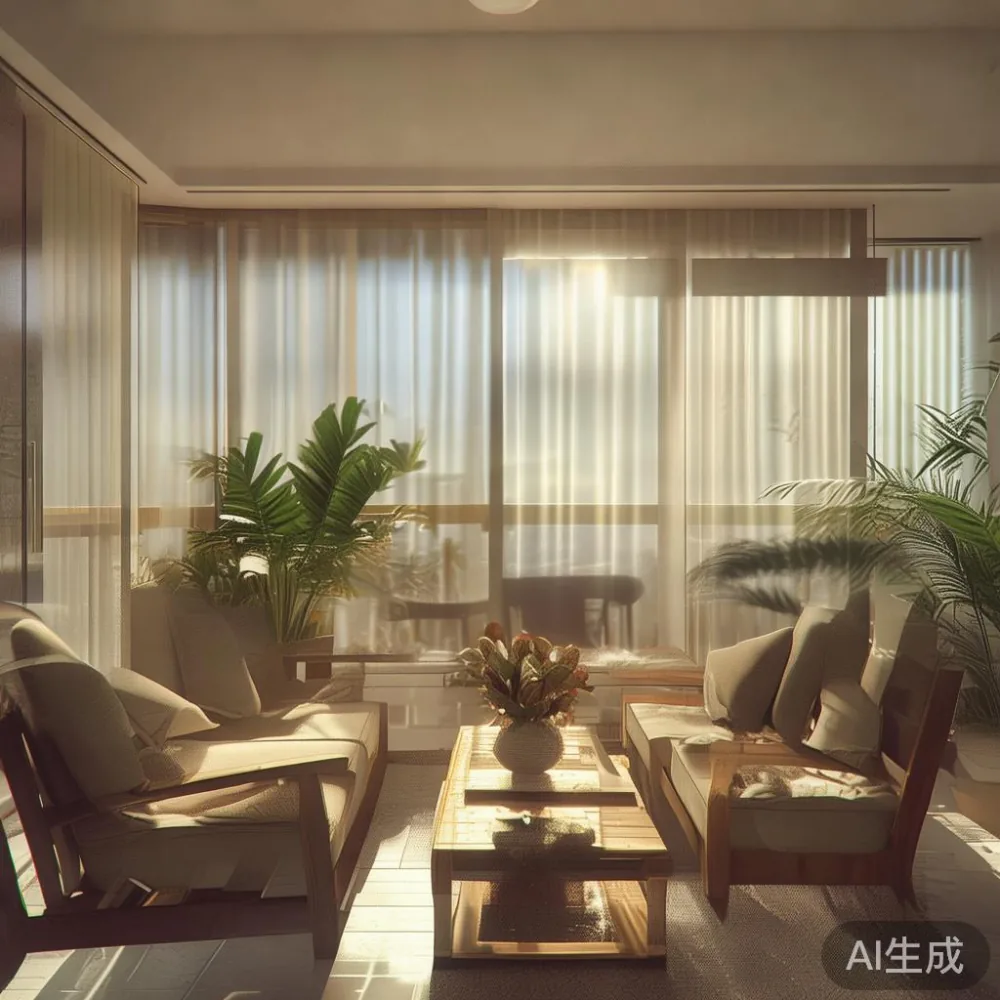
What Exactly Are We Comparing? Veneer and Solid Wood
To understand the financial implications, we must first clearly define the two materials. Solid wood, as offered by established makers like those from a Foshan factory, is crafted from a single, continuous piece of lumber. It is a natural material, meaning every piece has unique grain patterns and colour variations. This natural character is a hallmark of quality and is highly sought after for its authenticity and longevity. For a solid wood sofa or dining table, the entire visible surface and the core structure are made from this single wood type.
Veneer, on the other hand, is a thin layer of real wood (often just 0.6mm to 2mm thick) applied over a substrate, which is typically a less expensive engineered wood like MDF (Medium-Density Fiberboard) or plywood. The purpose of veneer is to provide the look and feel of solid wood at a fraction of the cost. While it can be beautiful, its structure is fundamentally different. The substrate is susceptible to moisture damage, warping, and delamination if not properly sealed, which is a critical consideration for outdoor furniture.
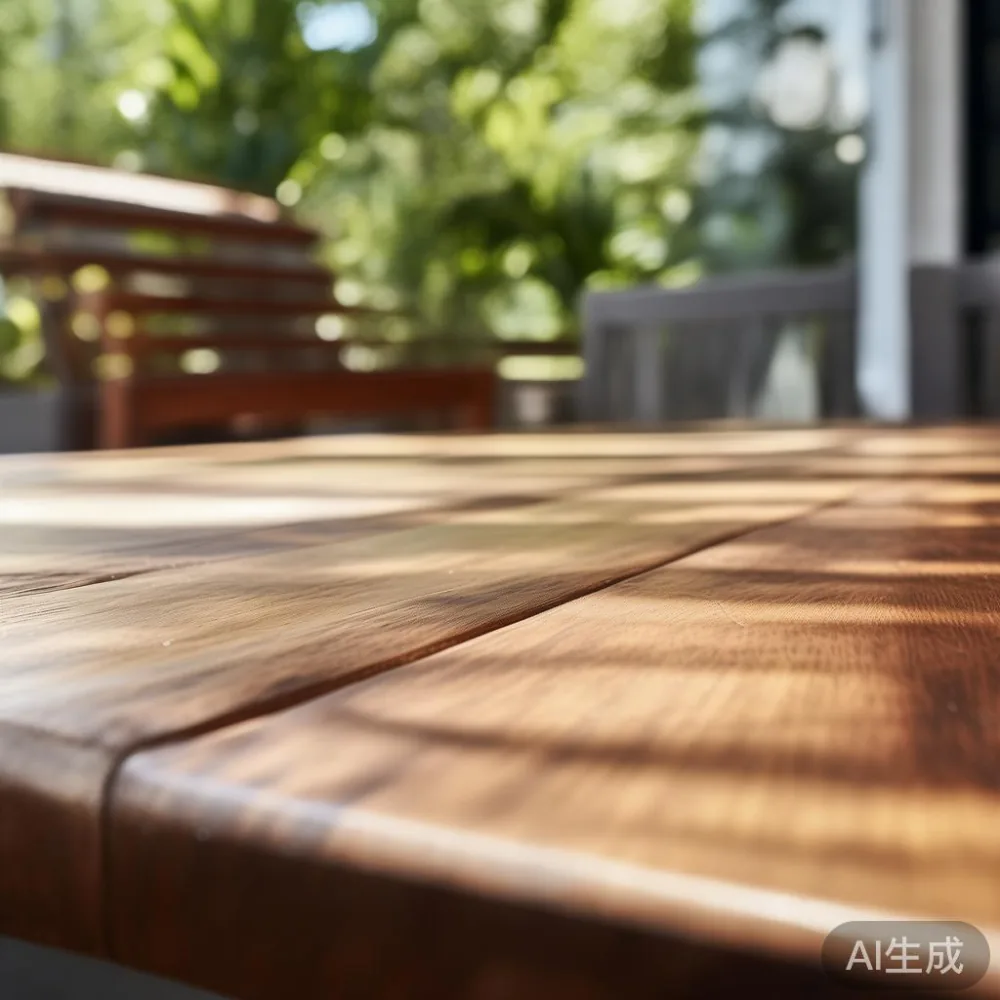
The Initial Investment: A Head-to-Head Price Analysis
The most immediate difference between veneer and solid wood outdoor furniture is the price tag. Let's consider a common scenario: a 3-seater outdoor sofa set, including a coffee table, suitable for a typical Singaporean HDB balcony or condo patio.
A veneer outdoor furniture set from a local retailer might cost between SGD 1,200 and SGD 1,800. This price point is attractive for its immediate affordability. The set might feature a sleek, modern design that fits well with post-modern light luxury aesthetics, promising a contemporary look without a significant upfront investment. However, the value is often tied to the appearance of the thin wood layer.
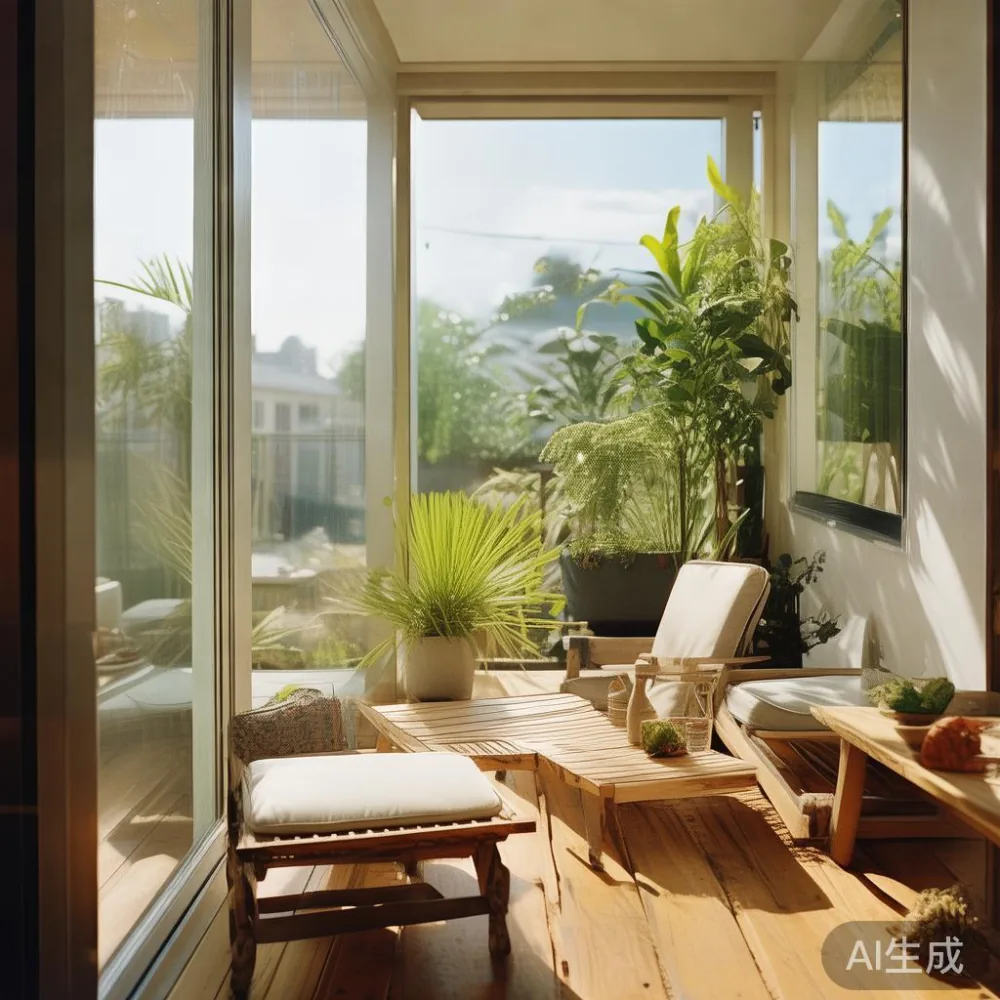
In contrast, a comparable set made from solid wood, such as teak or acacia, will command a higher price. The same 3-seater solid wood sofa and coffee table combination from a specialist like MIDHILL could range from SGD 3,500 to SGD 5,000. The higher cost reflects the superior quality of the material—the density of the wood, its natural resistance to the elements, and the craftsmanship involved in its construction. While the initial outlay is substantially higher, this investment is in a product built for longevity.
Year 1-2: The Cost of Maintenance and Upkeep
Once the furniture is in your home, the costs don't stop with the purchase. Maintenance is where the true long-term value of each material begins to reveal itself.
For veneer outdoor furniture, maintenance requires vigilance. The substrate is vulnerable to Singapore's high humidity and frequent rain showers. To prevent warping and mould, the veneer surface must be regularly cleaned and resealed with a protective lacquer or oil. A bottle of suitable sealant costs around SGD 40, and depending on usage, it might need to be applied twice a year. Over two years, that's an additional SGD 160 in materials. More critically, if water penetrates the veneer and damages the MDF core, repairs are often impossible. The affected panel would need complete replacement, a service that can easily cost SGD 300 or more per panel, not including labour.
High-quality solid wood outdoor furniture, by contrast, is designed to withstand the elements. Woods like teak naturally produce oils that make them highly resistant to moisture, rot, and insects. While periodic cleaning is recommended to maintain its appearance, the need for heavy chemical protection is minimal. A simple wash with soapy water and a soft brush is usually sufficient. Over the first two years, the maintenance cost for solid wood is negligible, perhaps just SGD 50 for specialised wood soap. This low-maintenance aspect is a significant advantage for busy homeowners.
Year 3-4: Durability Under Singapore's Climate
By the third and fourth years, the effects of Singapore's climate become more pronounced, and the initial quality of the furniture is truly tested. This is often the period when veneer furniture begins to show its weaknesses.
A colleague of mine, who lives in a Bedok condo, purchased a veneer outdoor dining table three years ago. Last month, I visited her to see how it was holding up. The table had developed several distinct issues. The veneer on the tabletop had started to bubble and peel along the edges where water had accumulated. The legs, made of MDF, had warped slightly, causing the table to wobble. She mentioned she had been diligent with maintenance, but the material itself was simply not suited for long-term outdoor exposure. The cost to repair or replace the table was now a significant concern, effectively negating the initial savings.
Meanwhile, a solid wood outdoor dining table from the same period would have aged gracefully. The wood might have developed a beautiful, silvery-grey patina if left untreated, a look many homeowners appreciate. It would remain structurally sound, with no risk of warping or delamination. The integrity of the piece is maintained because the entire structure is made of the same durable material. The focus shifts from repairing damage to simply enjoying the furniture's natural evolution. This period highlights the structural integrity that solid wood provides, a quality that veneer cannot match.
Is Solid Wood Outdoor Furniture Really Worth the Higher Initial Price?
This is the most common question we receive from customers in Singapore. The answer lies in a complete view of ownership cost. While the initial price of solid wood is higher, its longevity and lower maintenance needs often result in a lower total cost of ownership over five years.
Let's project a 5-year cost scenario for our 3-seater set. The veneer set, purchased for SGD 1,500, requires SGD 160 in sealant over two years. By year 4, it has become damaged, and the owner opts to replace the entire set at a new, similar price of SGD 1,500. The 5-year total cost is SGD 1,500 + SGD 160 + SGD 1,500 = SGD 3,160.
The solid wood set, purchased for SGD 4,000, has minimal maintenance costs of perhaps SGD 100 over five years. It remains in excellent condition, structurally sound and aesthetically pleasing. The 5-year total cost is SGD 4,000 + SGD 100 = SGD 4,100.
At first glance, veneer seems cheaper. However, this calculation doesn't factor in the hassle of replacement, the disruption to your living space, or the environmental impact of producing and disposing of a second set of furniture. The value of solid wood is in its permanence and the peace of mind it provides. For those who appreciate a light luxury aesthetic, a solid wood piece becomes a lasting part of the home, a statement of quality that veneer cannot replicate.
The Aesthetic and Resale Value: A Long-Term Perspective
Beyond cost, the aesthetic journey of the furniture is important. Veneer furniture can look good initially, but its appearance tends to degrade as the protective layer wears off. The colour may fade unevenly, and the thin veneer can chip, revealing the unattractive substrate underneath.
Solid wood, however, ages with character. It can be refinished multiple times over its lifespan, restoring it to its original beauty or even updating its look. This is a key benefit that extends the life of the furniture indefinitely. Many providers, including those with a 10-year structural warranty and lifetime refinishing services, stand behind the longevity of their solid wood products. This commitment to the product's entire lifecycle adds to its value.
Also, solid wood furniture holds its value better. When it's time to upgrade or move, a well-maintained solid wood piece can be sold for a reasonable price. A worn-out veneer set, on the other hand, has little to no resale value. For a homeowner in a condo, where space is a premium, investing in furniture that can be easily moved or sold is a practical consideration. The enduring beauty and structural integrity of solid wood make it a smarter asset for your home.
Conclusion: Making the Right Choice for Your Singapore Home
When choosing outdoor furniture for your Singapore home, the decision between veneer and solid wood is more than just a financial one. It's a choice between a short-term, disposable solution and a long-term investment in quality and design.
Veneer offers a lower initial entry point, but it comes with the hidden costs of maintenance, repair, and eventual replacement. Its structure is fundamentally vulnerable to the local climate, leading to a cycle of repeated purchases that can be more expensive in the long run.
Solid wood outdoor furniture requires a greater initial investment, but it pays dividends in durability, low maintenance, and timeless beauty. It is built to last for decades, not just for a few years. The peace of mind that comes with owning a piece that can withstand the elements and be refinished for generations is invaluable. For those who appreciate a light luxury aesthetic, a solid wood piece is not just furniture; it is a permanent fixture that enhances the value and enjoyment of their home. The 5-year cost comparison clearly shows that while veneer might seem cheaper, the true value and wisdom lie in choosing solid wood.